
Safety and Nutritional Integrity of Frozen Kale in Smoothies

When I toss frozen kale into my smoothie, I’m hitting two birds with one stone: I’m keeping things safe and still snagging all those health benefits. Here’s the lowdown—frozen kale is totally safe to use in smoothies.
Freezing kale? I’ve found that it actually helps to preserve nutrients. We’re talking vitamins like A, C, and K, and also important minerals such as calcium and potassium. So, no worries here; frozen kale keeps its nutritional integrity intact.
Now, I’m always aiming to get my daily dose of fiber and protein, and kale is a fantastic source for both. Plus, it’s loaded with antioxidants that can help fight oxidative stress in the body. And you bet, all these goodies stay put even when kale hits the freezer.
I remember reading a piece at Chef’s Resource that highlighted freezing doesn’t just keep kale safe for smoothie use, but also locks in those vital nutrients.
Now, one thing I always keep an eye on is the texture. Frozen kale is a tad different from the fresh stuff—it’s a bit more muted, but it blends beautifully in smoothies without a hitch.
Here’s a quick peek at what good stuff frozen kale brings to my glass:
- Vitamins: A, C, K, B6
- Minerals: Calcium, potassium, magnesium
- Others: Fiber, protein, antioxidants
So next time you see frozen kale in my freezer, know that it’s there for a safe, nutrition-packed smoothie boost.
Optimal Preparation Methods for Frozen Kale
Before I blend frozen kale into my smoothies, I make sure it’s prepped right to maintain its texture and nutrients. Here’s how I handle frozen kale to get the best out of it in my recipes.
Thawing Techniques for Kale
When I’m not in a hurry, I prefer to thaw my frozen kale. Here’s my go-to method:
- Place the frozen kale in an airtight container.
- Leave it in the fridge overnight.
This way, the kale thaws out slowly, which helps maintain its texture. If I need it quick, I place the bag of kale in a bowl of cold water; it’s faster but still keeps things gentle. Either way, after it’s thawed, I give it a good drain before tossing it into the high-speed blender.
Blanching Frozen Kale Before Use
Sometimes I blanch my kale before freezing it. Blanching helps preserve color, flavor, and nutrients, which makes a big difference in my smoothies. Here’s my process:
- Boil water in a large pot.
- Submerge the kale for 2-3 minutes.
- Immediately transfer to a bowl of ice water to halt the cooking process.
After it’s cooled, I make sure to dry the kale thoroughly to avoid excess water in my smoothie. Then, I pack it in airtight containers and freeze. When I’m ready to use it, the kale is vibrant and just perfect for a refreshing drink, and no need to thaw when I pop it straight into my blender!
Enhancing the Taste and Consistency of Smoothie
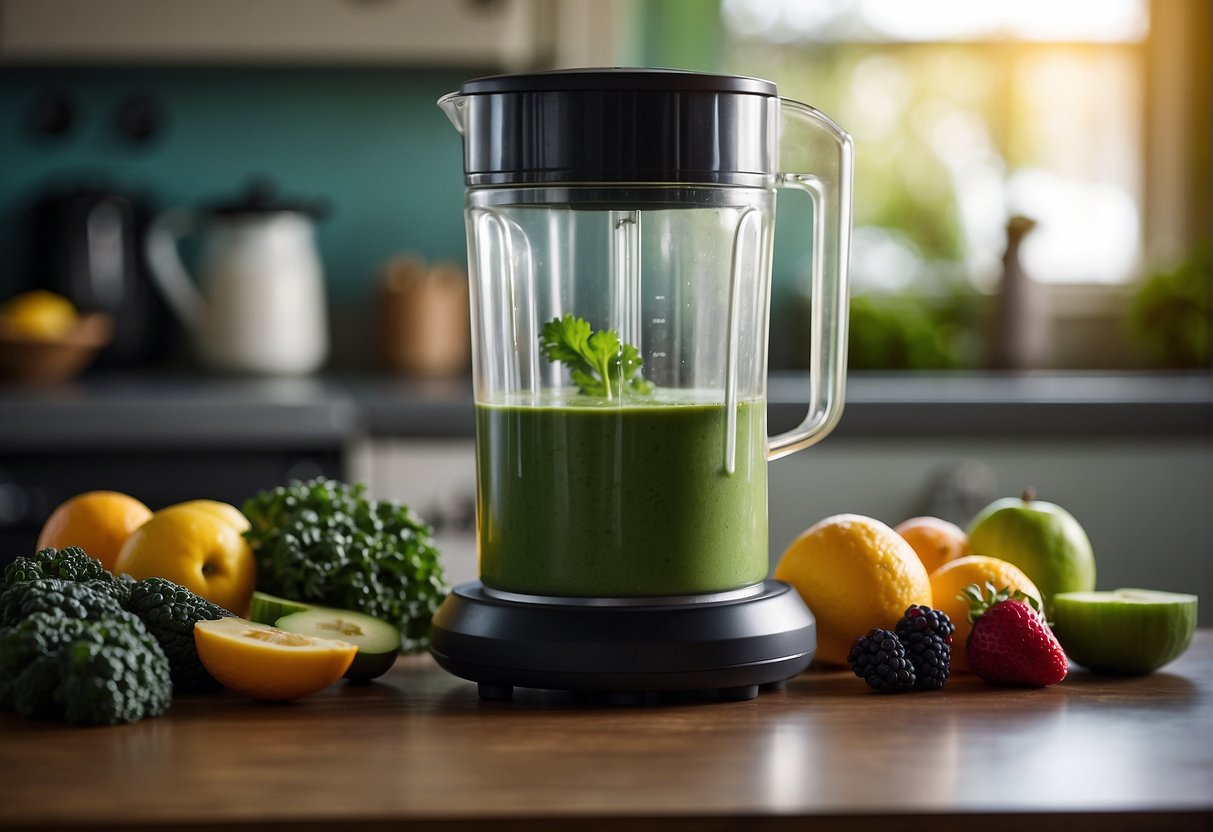
When I toss frozen kale into my smoothies, I’m not just looking for the health benefits—it’s also essential to achieve the perfect balance of taste and texture. Below are my go-to strategies for ensuring every sip is delightful.
Balancing Flavors with Fruits and Sweeteners
I absolutely love mixing frozen berries and frozen bananas with frozen kale to strike a delicious harmony of flavors. Berries offer a tangy kick that complements the earthiness of kale, while bananas lend natural sweetness. For an extra touch of sweetness, a drizzle of honey or a splash of almond milk—which has its own subtle sweetness—can do wonders. Here’s what I do:
- Berries: Red gems like strawberries, raspberries, or blueberries.
- Bananas: Teaming up for a sweet, creamy base.
- Honey/Maple Syrup: For a natural sweetness.
Creating Creamy Textures with Healthy Fats
Now to achieve that creamy dreaminess, I swear by blending in ripe avocado or a dollop of yogurt. Avocados are not only packed with healthy fats, but they also transform the smoothie into a silky-smooth treat. If I’m going dairy-free, almond milk is my go-to for its rich and creamy texture without the heaviness. Here’s my creamy mix:
- Avocado: A scoop for creaminess and nutrients.
- Yogurt: Thickens and adds a smooth tang.
- Almond Milk: For a light creaminess that’s dairy-free.
Recommended Smoothie Recipes Using Frozen Kale
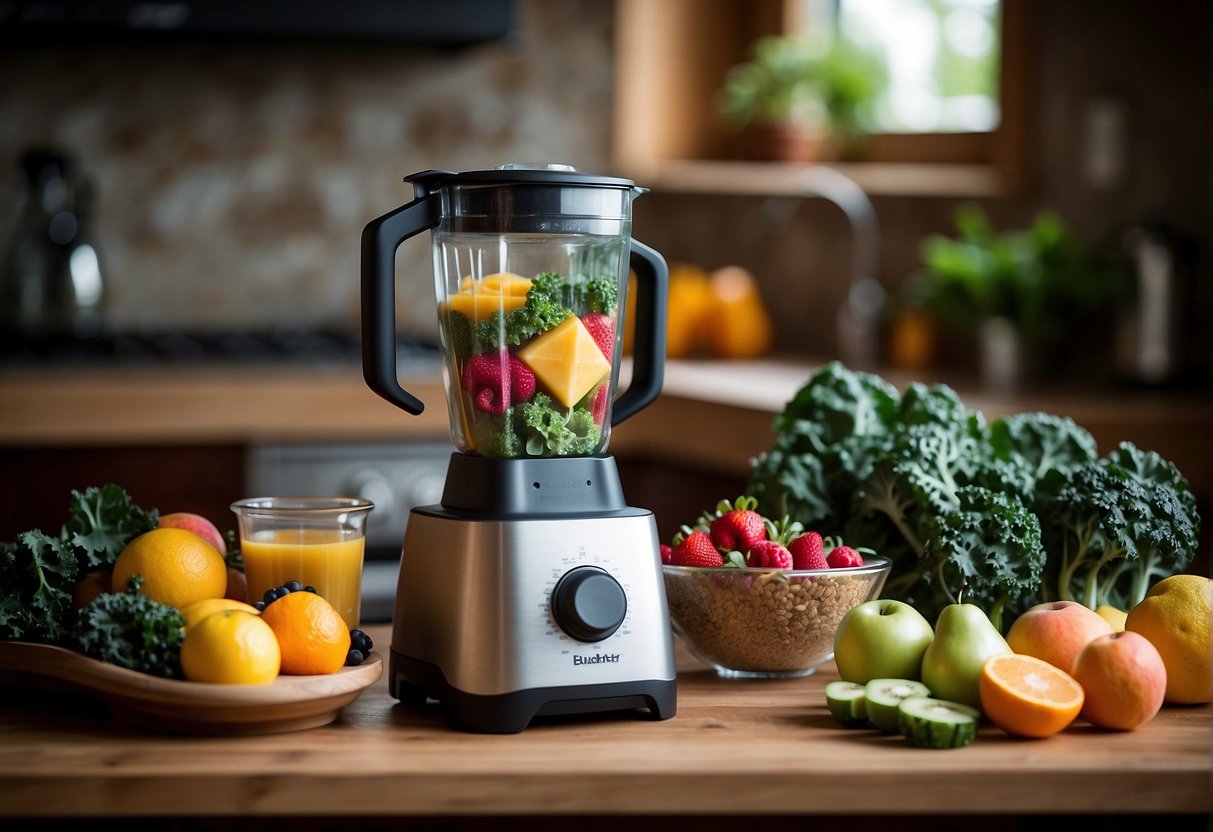
I love using frozen kale in my smoothies! It’s convenient, packed with nutrients, and works wonderfully with a variety of flavors. Here are a few of my go-to recipes that make the most of this leafy green powerhouse.
Kale and Berry Smoothie
For a sweet, antioxidant-rich treat, I blend frozen kale with a mix of frozen berries. Here’s how I make it:
- 1 cup frozen kale
- 1 cup mixed berries (like strawberries, blueberries, and raspberries)
- 1 banana for creaminess
- 1 cup almond milk or any milk of your choice
I blend these until smooth, and sometimes I’ll add a spoonful of honey if I want a bit more sweetness.
Tropical Kale Smoothie
When I’m dreaming of the beach, I make my Tropical Kale Smoothie. It’s got a great balance of tangy and sweet flavors.
- 1 cup frozen kale
- 1/2 cup frozen pineapple chunks
- 1/2 ripe banana
- 1 medjool date to sweeten naturally
- 1 cup coconut water or coconut milk for that tropical vibe
- A squeeze of fresh lemon juice to brighten it up
Blend all the ingredients until creamy, and if I’m feeling adventurous, I’ll throw in a small knob of ginger for an extra kick.
Green Detox Smoothie
My Green Detox Smoothie is my go-to after overindulging or when I’m in need of a refreshing cleanse.
- 1 cup frozen kale
- 1/2 green apple
- 1/2 ripe banana for smoothness
- A few slices of cucumber for freshness
- A small piece of ginger for a spicy note
- 1 tablespoon chia seeds for fiber
- 1 cup water or green tea for fluid
Blend everything together until nice and smooth. I love how the ginger gives it that little zing and wakes up my taste buds!
Alternative Uses for Frozen Kale Beyond Smoothies
Frozen kale isn’t just for smoothies; it’s a fantastic ingredient to add a nutritional punch to various warming dishes. I love how its versatility and ease of use after freezing makes it ideal for quick, hearty meals.
Kale in Soups and Stews
When I’m looking to up the greens in my soups and stews, frozen kale is my go-to. It’s so easy to just grab a handful and toss it into whatever pot’s simmering on the stove. The flexibility of frozen kale means it blends seamlessly into the mix, whether I’m whipping up a spicy lentil soup or a comforting chicken stew. Plus, the fact that it’s already washed and prepped saves me a ton of time.
Kale as a Base for Casseroles
Then there are casseroles, where frozen kale really shines. I layer it right in between other ingredients, adding not only nutrition but also beautiful color and texture to the dish. Whether mixed with creamy sauces or paired with cheese and pasta, kale maintains variety and flexibility within casseroles. Its ability to withstand the long baking process without becoming mushy is why it’s a staple in my freezer.
Comparing Frozen Kale to Other Frozen Vegetables
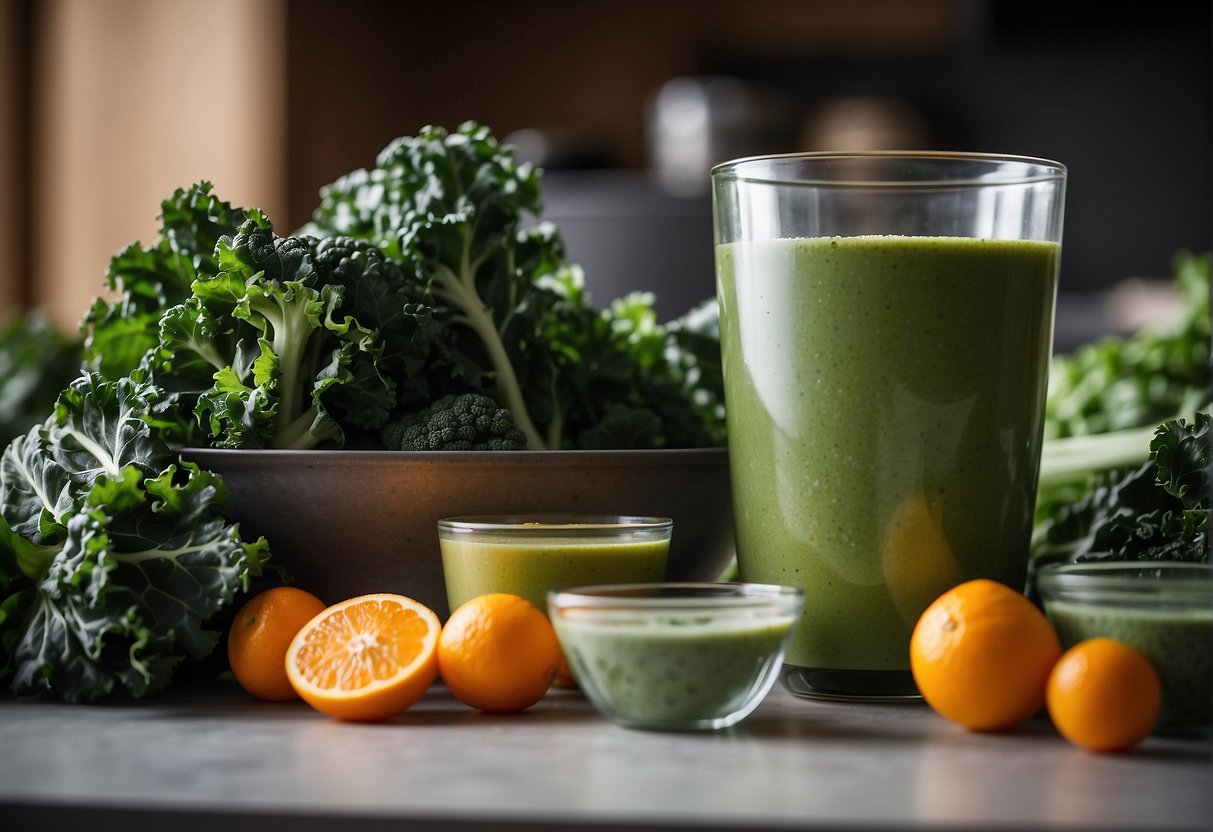
When I blend up my morning smoothie, I often reach for frozen kale due to its convenience and nutrient density. Let’s see how it stacks up against other popular frozen veggies like spinach, broccoli, cauliflower, and zucchini in terms of nutritional value and how they can change up the flavor and usage in your recipes.
Nutritional Value Against Spinach and Broccoli
Frozen kale, spinach, and broccoli are powerhouses when it comes to nutritional value. Each boasts a wealth of vitamins and minerals. Kale and spinach in particular are leafy greens that are similar in texture and taste, and they’re both rich in vitamins A, C, and K, along with calcium and iron. A cup of frozen kale typically contains about 30 calories and is known for its high antioxidant content. Meanwhile, broccoli is not far behind, being known for its high fiber content and also a robust profile of vitamins C, K, and A. If I have to choose, I’d say frozen kale might have a slight edge, especially when it comes to vitamin K, but you can’t go wrong with either when you’re looking to up the nutrients in your diet.
- Kale: High in vitamins A, C, K; Iron; Calcium
- Spinach: Similar to kale; High in vitamins A, C, K; Iron; Calcium
- Broccoli: High in vitamins C, K, A; Fiber
Flavor and Usage Differences Between Cauliflower and Zucchini
When it comes to flavor, cauliflower and zucchini add a milder taste compared to the earthy tone of kale. Cauliflower, when frozen, is excellent for adding creaminess to smoothies without an overpowering taste. Zucchini, on the other hand, is almost neutral and can take on other flavors well. I find zucchini particularly useful for its water content, which helps with hydration and adds volume without extra calories. Both of these vegetables are versatile, but kale definitely brings a more distinct flavor to the mix. The robustness of kale pairs well with sweet fruits and potent spices like ginger, helping mask its bitterness.
- Cauliflower: Mild flavor; Adds creaminess; Low in calories
- Zucchini: Almost neutral flavor; Adds volume and water content; Low in calories
Maximizing Health Benefits from Kale-Infused Smoothies
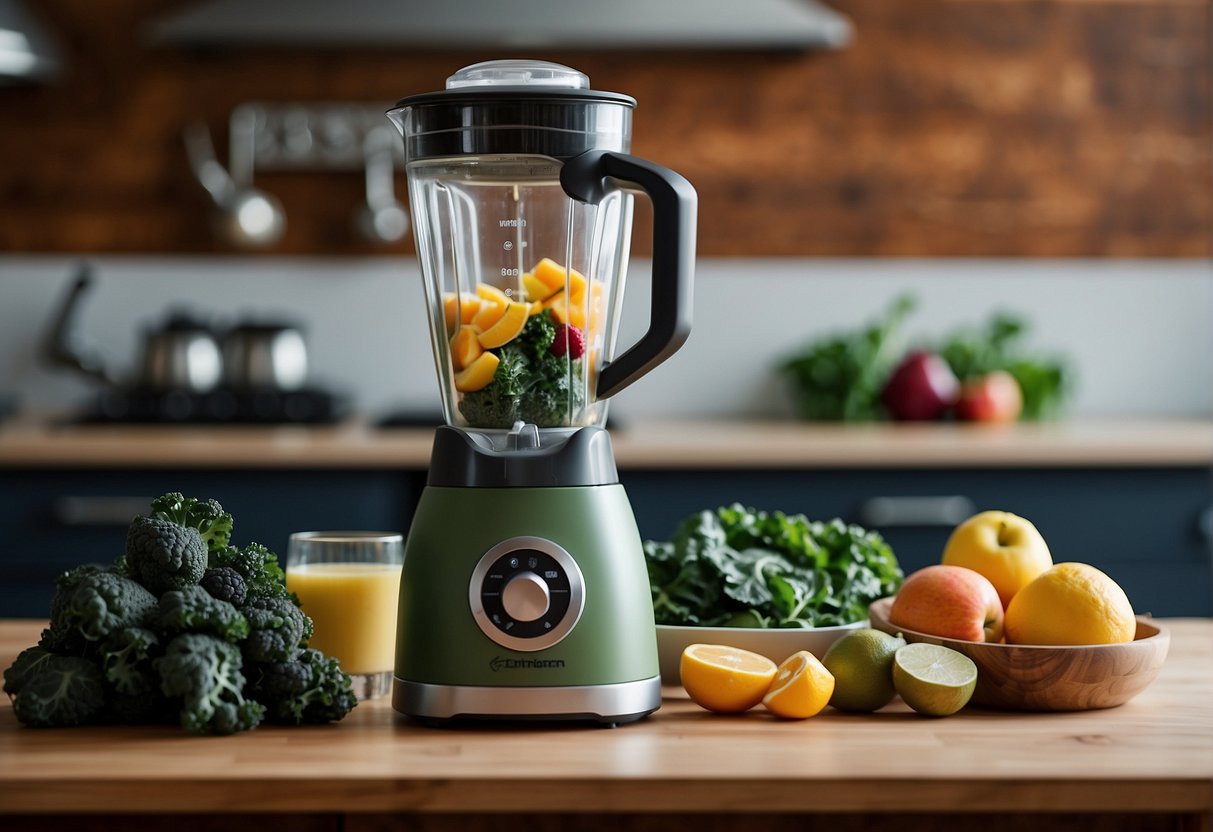
When I add kale to my smoothies, it’s not just for the vibrant green color—it’s a powerhouse for nutrients that can support my immune system and help with digestion.
Leveraging Kale for Immune Support
Kale’s reputation as a superfood is well-earned, especially when it comes to boosting my immune system. It’s loaded with vitamin C, which outpaces even oranges in terms of content. I find that including kale in my daily smoothie can give me an easy immunity boost. In fact, sipping on kale smoothies may increase my “good” cholesterol by 27%, according to a study, which is significant considering heart disease risks linked with cholesterol levels.
Influence of Kale on Digestion and Inflammation
Now for digestion: Kale offers a good dose of fiber in each cup, helping my gut stay regular. But there’s more—kale is also a part of the cruciferous vegetable family, which has been noted for its potential anti-inflammatory effects. This matters because chronic inflammation is a root cause in many diseases, including some types of heart disease. By blending frozen kale into my smoothies, I’m actively fighting against inflammation and free radicals with antioxidants like vitamin K, while also benefiting from its digestive health perks.
Maintaining Quality and Safety in Kale Storage

Before you toss that kale into the freezer for your future green smoothies, a heads-up: proper storage is key to keeping it safe and maintaining its quality. Let’s dive in to make sure your kale remains as fresh as possible, avoiding that dreaded freezer burn and ensuring it’s ready for the blender when you are.
Freezer Management for Preventing Freezer Burn
Freezer burn is my least favorite guest at the smoothie party—it’s that dry, leathery texture that pops up when food is damaged by dehydration and oxidation. To prevent freezer burn on my kale, I make sure to pack it properly. First, I remove as much air as possible from the freezer bags before sealing. Sometimes, I even use a straw to suck out the last bits of air. I label and date my bags, too, so I can track how long they’ve been freezing. Also, keeping a consistent temperature in my freezer helps prevent temperature fluctuations that can lead to freezer burn.
Container Recommendations for Frozen Kale
I always reach for airtight containers or resealable freezer bags when storing kale in the freezer. These containers help prevent the air from getting cozy with my kale, because let’s face it, nobody wants a side of ice crystals with their leafy greens. Plus, an airtight container keeps those kale leaves away from absorbing other flavors lurking in the freezer. It’s like giving your kale its own little protected bubble against the harsh cold world of the freezer.
Cost-Effectiveness and Accessibility of Using Frozen Kale
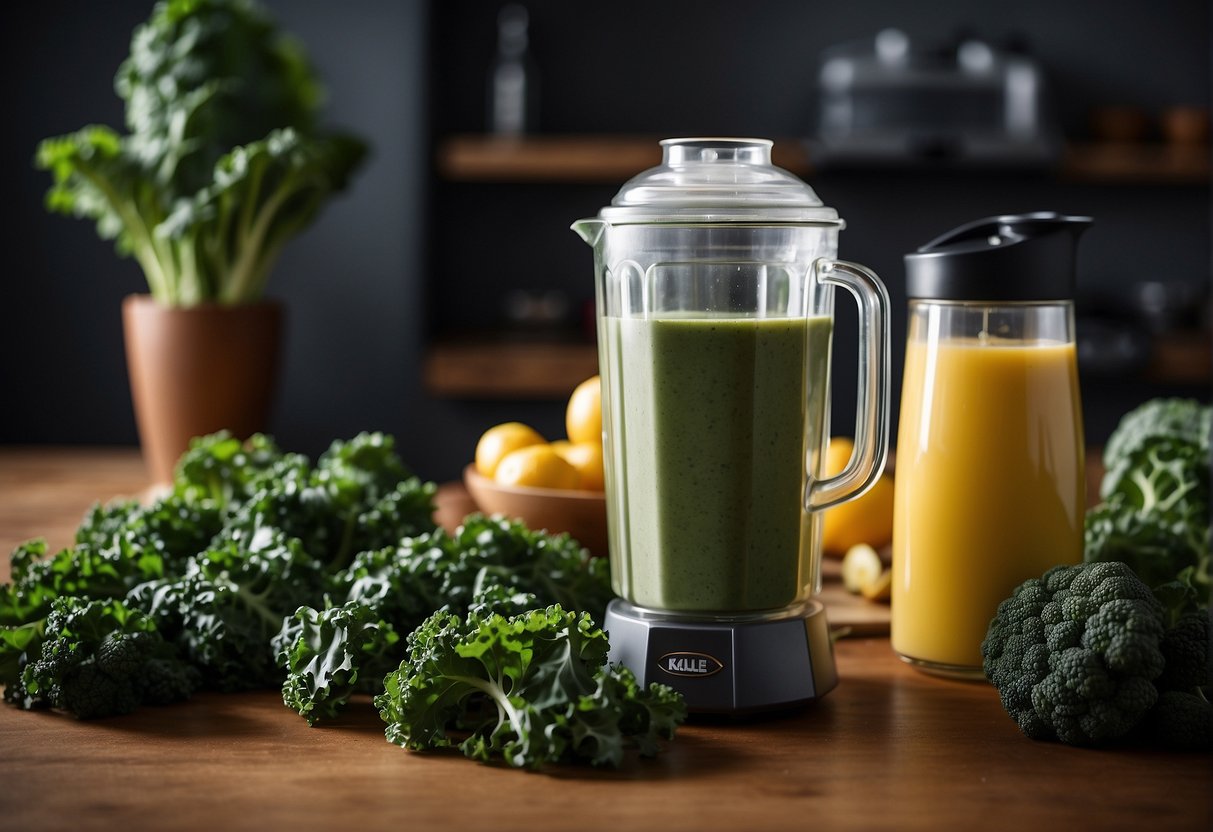
When I’m looking to whip up a smoothie, reaching for frozen kale often makes sense for my budget. It’s cost-effective for several reasons. First, it’s generally less expensive per ounce compared to fresh kale, especially when bought in bulk. The price of fresh vegetables fluctuates throughout the year due to seasonality, but frozen ones maintain a steady price point.
Moreover, freezing kale preserves its nutrients without the spoilage factor that comes with fresh greens. This means I’m not throwing money away on wilted vegetables that didn’t make it into my smoothies fast enough. By using frozen kale, I reduce waste and get more bang for my buck over time.
Price Comparison:
- Fresh Kale: Often priced higher per ounce.
- Frozen Kale: More stable and lower pricing.
Reduction in Waste:
- Fresh Kale: Spoils quickly, can lead to waste.
- Frozen Kale: Longer shelf life, retains nutrients.
I also find frozen kale to be highly accessible. It’s available year-round at most grocery stores. Plus, I don’t need to clean or chop it—it’s smoothie-ready, which saves me valuable time. This makes it a convenient choice for my busy lifestyle.
In terms of freezing my own kale when it’s in season and prices are at their lowest, the process is simple:
- Wash and dry the kale.
- Remove the stems.
- Blanch if desired to lock in flavor.
- Freeze on a baking sheet.
- Transfer to a freezer bag.
By doing this, I manage to keep my favorite smoothie ingredient handy and cost-effective, without sacrificing nutritional value or flavor.
Nutritional Enhancements Through Added Superfoods
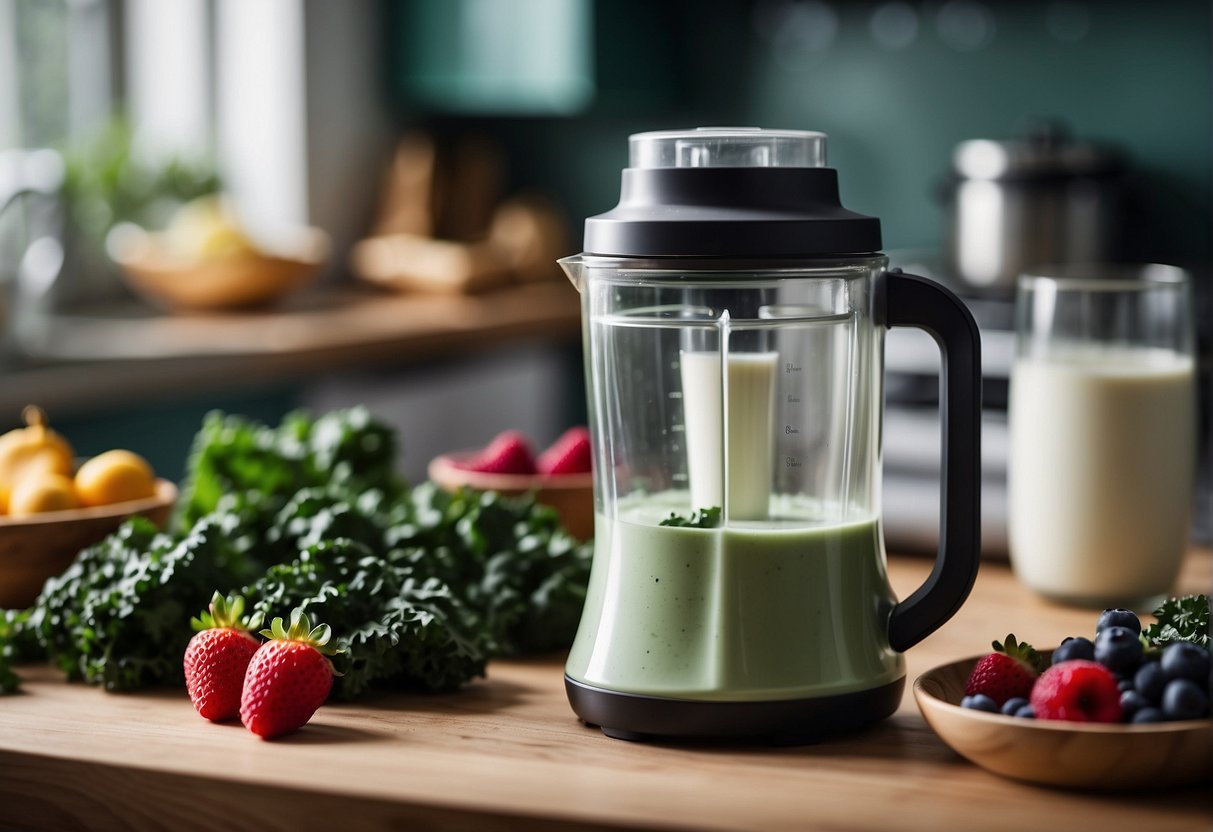
When I toss frozen kale into my smoothies, I’m not just after a trendy green hue. I’m looking to pump up my diet with powerhouse nutrients that make every sip count. By pairing kale with certain superfoods, I can enhance both nutritional content and flavor.
Combining Kale with Superfood Fruits and Seeds
I love mixing frozen kale with fruits and seeds for an extra boost. Frozen mango, for instance, adds a sweet flavor and a vibrant color, plus it’s a fantastic source of vitamins A and C, and dietary fiber. I often throw in a handful of chia seeds as well, which are tiny but mighty when it comes to their omega-3 fatty acids and additional fiber content.
- Frozen Mango: Bursting with vitamins and sweetness
- Chia Seeds: Loaded with omega-3s and fiber
Boosting Nutrient Intake with Vegetable Blends
I also like to beef up my smoothies with other colorful veggies. Carrots blend nicely and are an incredible source of vitamin A, while peas can sneak in some folate without altering taste too much. Both veggies emphasize the green color of kale but more importantly, they amp up my smoothie’s nutritional benefits.
- Carrot: High in vitamin A, adds sweetness
- Peas: Great for a dose of folate and subtle flavor
By focusing on these mix-ins, I make sure my smoothies are not just a treat, but a nutrient-dense component of my wellness routine.
Understanding the Role of Liquids in Kale Smoothies
When I toss kale into my blender for a smoothie, I always make sure to add a liquid. It’s pretty key to getting the texture just right. Let’s break down why liquids are a big deal in kale smoothies.
First up, water. It’s the simplest choice. It keeps the flavor of the kale smoothie fresh and unaltered, and it blends up nicely without adding calories. If I’m going for a light, hydrating drink, water is my go-to.
Now, orange juice is a fantastic option when I want to add a zesty, tangy flavor. It pairs beautifully with kale, masking some of its bitterness. And hey, it kicks in a decent dose of vitamin C too!
For a creamier texture, I sometimes reach for milk. It’s a classic. Whether I use dairy or a plant-based alternative like almond milk, both lend a rich, smooth quality to the blend. Almond milk, specifically, adds a subtle nutty taste, which I absolutely love, plus it’s lower in calories compared to regular milk.
| Liquid | Benefits |
|---|---|
| Water | Hydration, no extra flavor, calorie-free |
| Orange Juice | Vitamin C, sweet citrus flavor, masks kale bitterness |
| Milk | Creamy texture, richness |
| Almond Milk | Nutty flavor, dairy-free, fewer calories |
Different liquids totally change up the vibe of the smoothie, so I choose based on my mood or nutritional needs for the day. Experimenting is part of the fun!
Tips for First-Time Users of Frozen Kale in Smoothies
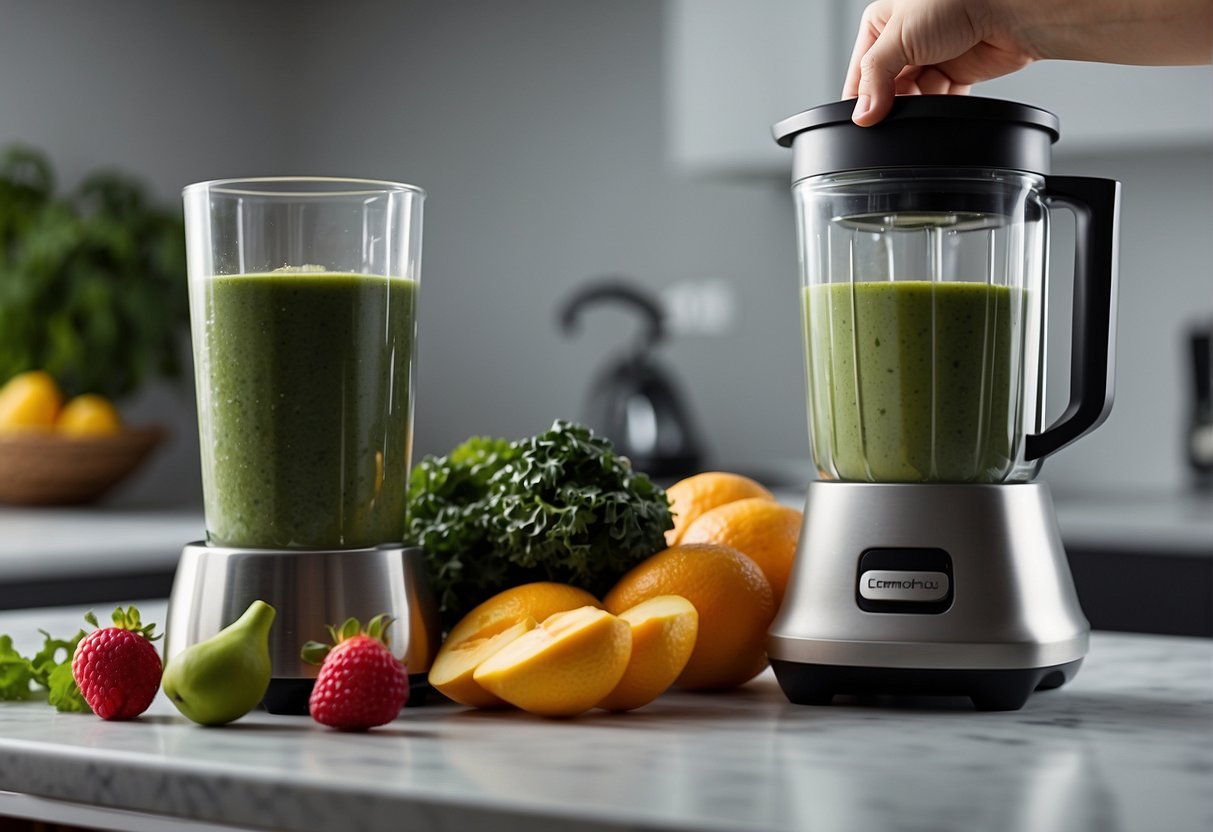
If you’re like me, diving into the world of smoothies can be a mix of excitement and confusion. Here’s a quick guide I put together for folks using frozen kale in their smoothies for the first time:
-
Start with a moderate amount: I recommend beginning with a small handful of frozen kale per smoothie. It packs both flavor and nutrients without overwhelming other ingredients.
-
Balance the bitterness: Kale’s earthy taste can be quite potent. To balance it, I like adding naturally sweet fruits like bananas or mangoes, which also add creaminess.
-
Texture matters: To achieve a smoother consistency, blend your kale thoroughly. If your blender struggles with frozen greens, let the kale sit out for a few minutes before blending.
-
Mix it up: Don’t hesitate to mix your frozen kale with other frozen goodies. Berries or pineapple can enhance the taste and up the health benefits.
-
Boost your energy: Kale is a powerhouse of vitamins and minerals, and by adding it to your smoothies, you’re setting yourself up for a sustained energy boost.
-
Keep it simple: You don’t need a complicated recipe to enjoy kale in smoothies. A basic combination of kale, fruit, and a liquid like almond milk or water does the trick.
Here’s a quick recipe to get you started: blend a handful of frozen kale, one ripe banana, a half cup of frozen berries, and enough almond milk to reach your desired consistency. This simple blend is delicious and brings you some fantastic nutritional benefits in a glass!
Remember, there’s no one-size-fits-all when it comes to smoothies. Feel free to tweak any recipes to match your taste buds and nutritional needs. Happy blending!
Kale’s Impact on the Aesthetic Appeal of Smoothies

When I toss frozen kale into my blender, I notice the vibrant green color instantly revives even the dullest smoothie palette. I mean, let’s be real, who doesn’t love a vividly green smoothie? It’s like a drinkable signal that you’re about to do something good for your body.
Here’s what I’ve observed with frozen kale:
- Texture: Frozen kale can add a slight thickness to the smoothie. If you’re into that creamy, hearty texture, kale’s your guy.
- Color Consistency: Unlike fresh kale, frozen kale ensures that every smoothie you whip up has that consistent lush green color, which is frankly Instagram-worthy.
- Presentation: A smoothie laced with frozen kale dotted with tiny ice crystals can often look more appealing and refreshing.
I make a lot of green smoothies and have noticed that:
- The amount of kale affects the intensity of the green color. More kale, darker green.
- Sometimes, when mixed with certain fruits like blueberries, you get a less vibrant color. It’s not a bad thing, just different.
To be honest, I think kale can make any smoothie look like a gourmet health drink. When I serve them to my friends, it’s always love at first sight. They can’t resist snapping a pic before diving in. So yeah, I’d say frozen kale not only keeps my smoothie game strong but also seriously upgrades the visual appeal.
Exploring the Variety of Plant Milks and Juices in Kale Smoothies

When I whip up a kale smoothie, I often like to experiment with different liquid bases to enhance the flavor and nutritional value. Let’s start with plant-based milks: almond milk is my go-to for a nutty undertone. It’s lower in calories and gives my smoothie a creamy texture without overpowering the kale’s freshness.
| Plant Milk | Feature |
|---|---|
| Almond Milk | Nutty flavor, low in calories |
| Soy Milk | High in protein |
| Coconut Milk | Tropical sweetness |
| Oat Milk | Earthy taste, creamy |
Sometimes, though, I crave a zesty kick to contrast the earthy kale – that’s where orange juice comes in handy. It adds a citrusy punch, and the vitamin C helps with iron absorption from the kale.
- Almond milk: Creamy, nutty, low-calorie
- Soy milk: Protein-rich, slightly sweet
- Orange juice: Tangy, vitamin C-packed
Each option brings something unique to the table. Almond milk keeps it light, soy milk adds a protein boost, and orange juice turns it into a refreshing, fruity delight. I encourage anyone to mix and match to find their perfect blend. Whether it’s the richness of almond milk or the bright notes of citrus juice, there’s no wrong choice when it comes to jazzing up a kale smoothie. Just grab your favorite, blend it with some frozen kale, and enjoy the variety this smoothie has to offer.
Summary of Kale’s Vitamins and Minerals
Kale is a nutritional powerhouse, and I can vouch for its place in any health-conscious diet. It’s loaded with a variety of vitamins and minerals that play crucial roles in maintaining our health. I find it interesting that such a common vegetable can be so dense with nutrients.
Here’s a rundown of what you’ll typically find in kale:
- Vitamin C: This immune booster is present in large amounts in kale, making it excellent for my skin and overall health.
- Fiber: Kale provides me with a good dose of fiber, which supports digestive health.
- Potassium: It’s a key mineral that I count on for proper cell function and heart health.
- Nutritional Value: Beyond these, kale is also rich in Vitamin A, Vitamin K, and several B vitamins, which are essential for energy metabolism and maintaining my vision and blood health.
To make things clearer, I’ve put together a quick table to show some of the key nutritional components of kale:
| Nutrient | Benefit |
|---|---|
| Vitamin C | Supports immune system, skin health |
| Fiber | Aids in digestion |
| Potassium | Important for heart and muscle function |
Incorporating kale into my diet, whether I choose to use it fresh or frozen, gives me access to these nutrients, which are crucial for my well-being. I’m particularly impressed by the amount of Vitamin K in kale, which is necessary for blood clotting and bone health. So, adding kale to my smoothies, even if frozen, is a great way to ensure that I’m not missing out on these important vitamins and minerals.
Freezing Fresh Kale for Future Use
When I have a surplus of fresh kale, I like to freeze it for later, especially to throw into my smoothies. Freezing kale is a breeze and it means I can enjoy this nutrient-dense green any time. Here’s my go-to process for doing it right:
Step 1: Wash and Prep
First, I make sure to give my kale a good rinse under cold water to clean off any dirt or debris. After shaking off the excess water, I lay out the leaves to dry a bit on a clean towel. Taking the time to dry the kale minimizes ice crystal formation which can affect texture.
Step 2: Blanching (Optional)
Some people prefer to blanch their kale before freezing, which can help preserve the vibrant green color and nutrients. To blanch, I submerge the kale in boiling water for about 2 minutes and then quickly transfer it to a bowl of ice water to stop the cooking process.
Step 3: Chop
Once dry (and blanched if I chose to do so), I remove the stems and chop the leaves. I like to cut them into bite-sized pieces so they’re ready to go straight from the freezer into my blender.
Step 4: Pre-Freezing
Next, I spread the kale pieces on a baking sheet in a single layer. This step ensures the leaves freeze individually and don’t turn into a giant kale iceberg. After about an hour in the freezer, the kale should be firm enough to move to a storage container.
Step 5: Storage
For storing, I use airtight containers or resealable bags, squeezing out as much air as possible. Labeling the container with the date helps me keep track of freshness.
And that’s it! With my kale frozen, I’m always just a few steps away from a nutritious addition to my smoothies.
Addressing Common Myths About Frozen Produce and Nutrition
When I whip up my morning smoothie, tossing in some frozen kale is my go-to move. It’s quick, easy, and I’ve heard it packs the same nutritional punch as fresh kale. Let’s break down a few common myths about frozen produce and see what’s what.
Myth 1: Frozen Produce is Less Nutritious Than Fresh
Not true! Frozen fruits and veggies are typically picked at peak ripeness and flash-frozen, locking in those vital nutrients. In fact, a study shows that frozen produce may even hold on to nutrients better than fresh stuff that’s been sitting around for a while.
- Nutrients: Vitamins and minerals are well-preserved in frozen produce.
- Nutrition: The overall nutrition profile of frozen produce is comparable to fresh.
Myth 2: Freezing Destroys Health Benefits
Not so! The freezing process doesn’t really break down the nutrients in a way that would strip the produce of its health benefits. While the texture might change, the good stuff inside remains intact.
Myth 3: All Nutritional Value is Lost Over Time in the Freezer
Although nutrients can degrade over time, frozen produce maintains its nutritional value pretty darn well. You won’t find your frozen kale turning into empty calories after a stay in your freezer.
So, next time you reach for that bag of frozen kale for your smoothie, rest easy knowing you’re not skimping on the nutrition. Your body gets the good stuff, and you get to enjoy a tasty, nutrient-rich drink. Sounds like a win-win to me!
Seasonal Considerations for Kale Availability and Usage
In my experience, kale is a hearty green that peaks during the fall and into the winter months. It’s when it’s most abundant, and you’ll often find it fresh and full-flavored. But what about those off-peak months?
During spring and summer, when kale isn’t in its prime season, it can be more challenging to find fresh bunches that are of good quality. That’s where frozen kale comes into play. Freezing is a fantastic preservation method that retains the nutrients and flavor for when kale isn’t as readily available.
Here’s my go-to table for tracking kale:
| Season | Fresh Availability | Freezing Thoughts |
|---|---|---|
| Spring | Scarce | Use frozen stock |
| Summer | Moderate | Freeze excess |
| Fall | High | Freeze for later |
| Winter | High | Enjoy fresh or from freeze |
When I blend up my smoothies, I certainly don’t shy away from using frozen kale. It’s convenient, and I’ve found it to be just as good as using fresh leaves. Plus, there’s no washing or de-stemming required—it’s already prepped and ready to go!
A quick tip: If I happen to stumble upon an abundant supply of fresh kale during its season, I’ll wash it, dry it, and freeze some myself. I simply lay out the leaves on a baking sheet to freeze before transferring them to freezer-safe bags. This DIY approach keeps my smoothies going strong all year round.
So, for all my fellow smoothie enthusiasts, remember that whether it’s fresh or the off-season, there’s always a way to keep kale in your blend. Just plan according to the seasons, and make the most of what you’ve got!
Frequently Asked Questions
In this section, I’ll cover some common inquiries folks have regarding the use of frozen kale in smoothies. I’ve got the lowdown on everything from tossing it in unblanched to the nutritional contrast with its fresh counterpart.
Can I toss uncooked frozen kale directly into my smoothie?
Yes, I can add uncooked frozen kale to my smoothie without any prior preparation. It’s convenient and still offers a nutritious punch.
Does kale lose its nutritional value when it’s frozen?
Actually, frozen kale retains most of its nutritional value; freezing helps preserve its vitamins and minerals, so it’s still a healthy choice for smoothies.
What’s the scoop on freezing kale—should I blanch it first?
While it’s not required, blanching kale before freezing can help maintain its color, texture, and taste over time.
How do I prep kale for freezing so I can use it later in smoothies?
To prep kale for freezing, first wash it thoroughly, remove the stems, and store it properly to ensure it keeps its freshness and quality.
Is there a nutritional difference between using frozen vs. fresh kale in smoothies?
Nutritionally speaking, there’s not much difference between frozen and fresh kale; both forms are loaded with nutrients and make for a healthy smoothie addition.
How do you substitute frozen kale for fresh in recipes?
When substituting, I generally use the same volume of frozen kale as I would fresh, keeping in mind that frozen can have a more concentrated flavor and potentially affect the texture.