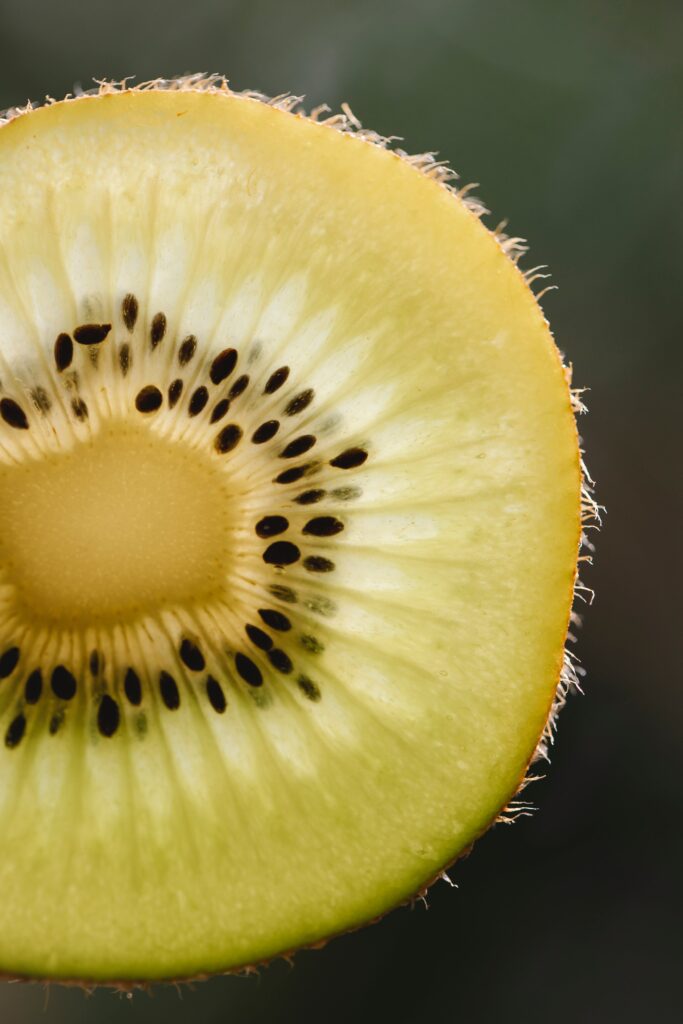
Kiwi Smoothie Basics
When whipping up a kiwi smoothie, selecting the right kiwi and knowing whether to peel it are key to achieving that perfect blend of taste and texture.
Choosing the Right Kiwi
Selecting a ripe kiwi is essential; it should give slightly under gentle pressure. Ripe kiwis add a natural sweetness and a creamy texture, which can make or break your smoothie experience.
To Peel or Not to Peel
While the peel of a kiwi is edible and contains nutrients, most people prefer to remove it for a smoother texture in their drink. If you’re using a high-powered blender like a Vitamix, it can often handle the skin if you wish to include it for added fiber.
Recommended Blenders for Perfect Texture
Finding a blender that can pulverize kiwi to the perfect smoothness is crucial. For smoothies that are silky and creamy, investing in a powerful blender can make all the difference. To help you in your search, you might want to consider a Vitamix or look into finding the right blender for your smoothie-making needs.
Fruit Combinations for Kiwi Smoothies
When I blend kiwi into smoothies, I love experimenting with various fruit combos to enhance its uniquely tart yet sweet taste. Here, I’ll share some of my go-to fruit pairings that really complement the flavor of kiwi.
Tropical Twists with Kiwi
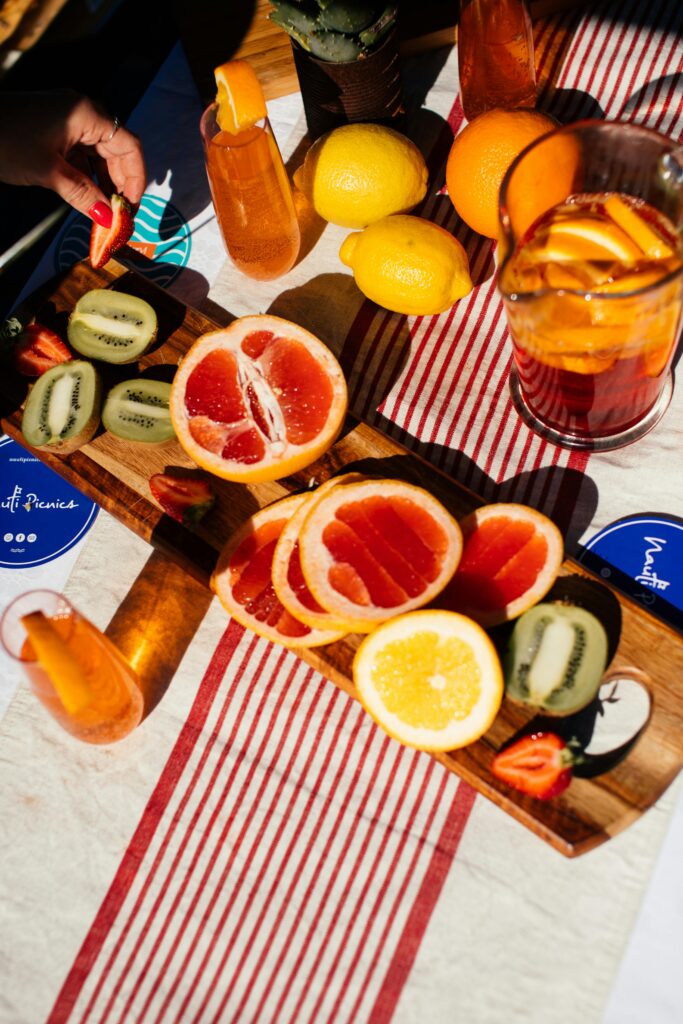
For a taste of the tropics, I find that kiwi and pineapple together are like a beach vacation in a glass. Their juiciness creates a refreshing blend, perfect for those warm days. I also enjoy pairing kiwi with mango; this combo gives the smoothie a rich, creamy texture while packing a punch with vitamin C. Sometimes, I toss in half an avocado for extra creaminess and a boost of healthy fats.
Berries and Kiwi Blends
Kiwi mixed with berries is a match made in heaven. I frequently blend strawberries and kiwi because the sweetness of the strawberries balances out the tartness of the kiwi beautifully. Plus, the vibrant color is always inviting. Don’t overlook blueberries either—they add a depth of flavor and a burst of antioxidants.
Sweet and Citrus Pairs
For a sweet and tangy twist, I reach for apples—specifically, green apples. Their crispness complements kiwi in a very refreshing way. On the citrus side, oranges are my go-to. Teaming kiwi with citrus fruits like oranges or a squeeze of lemon brightens the entire drink, imparting a zesty flair that energizes my taste buds.
Enhancing Your Kiwi Smoothie
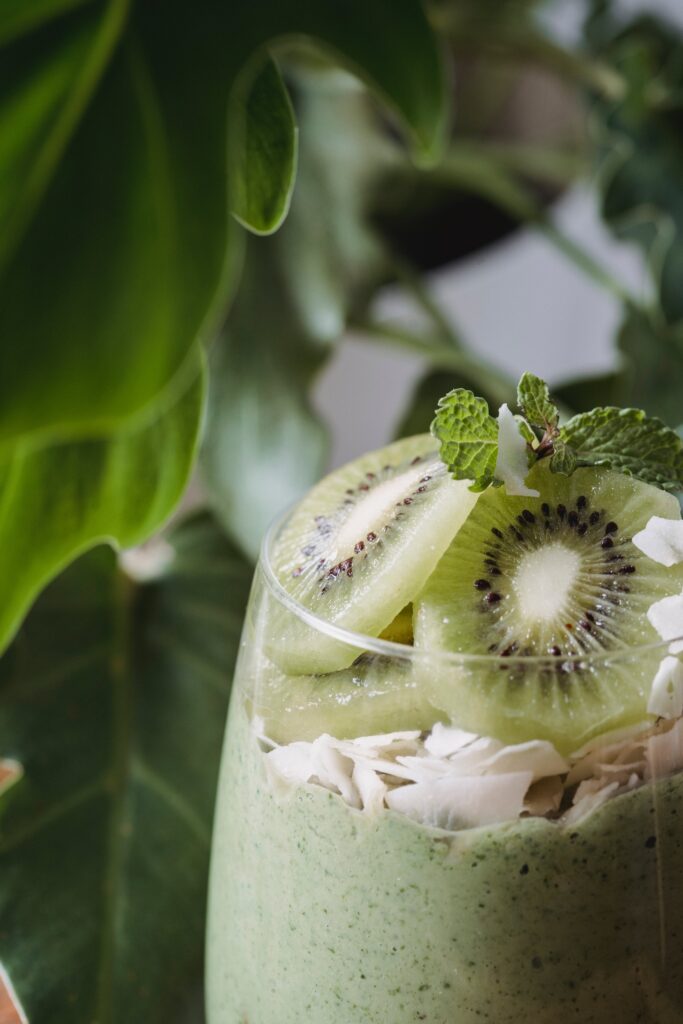
When I whip up a kiwi smoothie, I’m always aiming for a mix of great taste and health benefits. That’s why I like to toss in extras that boost the nutrient content, amp up the protein, and get the sweetness just right.
Boosting Nutrients with Greens
I find that adding greens like spinach or kale to a kiwi smoothie is a seamless way to pump it up with vitamins and antioxidants. They blend in well without overpowering the taste, especially since kiwi’s bold flavor holds its own. Here’s a quick list:
- Spinach: Rich in iron and blends smoothly.
- Kale: A bit more robust, full of fiber.
Additional Protein Sources
Protein turns my kiwi smoothie from a quick drink into a satisfying meal replacement or post-workout snack. Chia seeds are my go-to for a protein and fiber boost; just a tablespoon gets the job done. If I’m craving something creamier, I’ll add Greek yogurt – it’s got a healthy dose of protein and makes the smoothie thick.
Sweetener Selections
Kiwi’s natural tartness balances well with the right sweetener. I typically reach for honey or maple syrup because they’re natural and add a hint of sweetness without being overpowering. If I’m feeling a bit adventurous, I might even blend in a ripe pear for its subtle sweetness and additional fiber content.
Remember to stick with ingredients that complement the vibrant taste and nutritional profile of kiwis, aiming for a healthy, balanced smoothie that’s both delicious and nourishing.
Alternative Ingredients for Dietary Needs
When making kiwi smoothies, I’m always on the lookout for ingredients that cater to different dietary needs without compromising on flavor or nutrition.
Dairy-Free and Vegan Options
For a dairy-free or vegan smoothie, I skip the traditional milk or yogurt. Instead, I opt for almond milk or coconut milk; they’re flavorful, full of calcium, and make the smoothie creamy without dairy. Using vegan yogurt—often made from soy, almond, or coconut—can also give you that thick texture and a boost of live cultures and vitamins.
Dairy-Free Milks:
- Almond Milk
- Coconut Milk
Vegan Yogurts:
- Soy Yogurt
- Almond Yogurt
- Coconut Yogurt
Adding Superfoods
To enhance the nutritious value of my kiwi smoothies, I like to include superfoods. These not only increase the vitamin content but are also gluten-free and cater to a variety of dietary restrictions. Chia seeds, for instance, are a simple but powerful addition, rich in omega-3s and fibers, and they blend in easily. Sometimes, I’ll toss in a scoop of vanilla protein powder (making sure it’s plant-based and gluten-free) for an extra kick of flavor and nutrients.
- Nutrient-Dense Add-ins:
- Chia Seeds
- Flax Seeds
- Hemp Seeds
- Gluten-Free, Plant-Based Protein Powder
Remember, these ingredients are not only healthy and edible, but also add variety and depth to the smoothies, making them suitable for a wide range of dietary needs!
Smoothie Preparation Tips
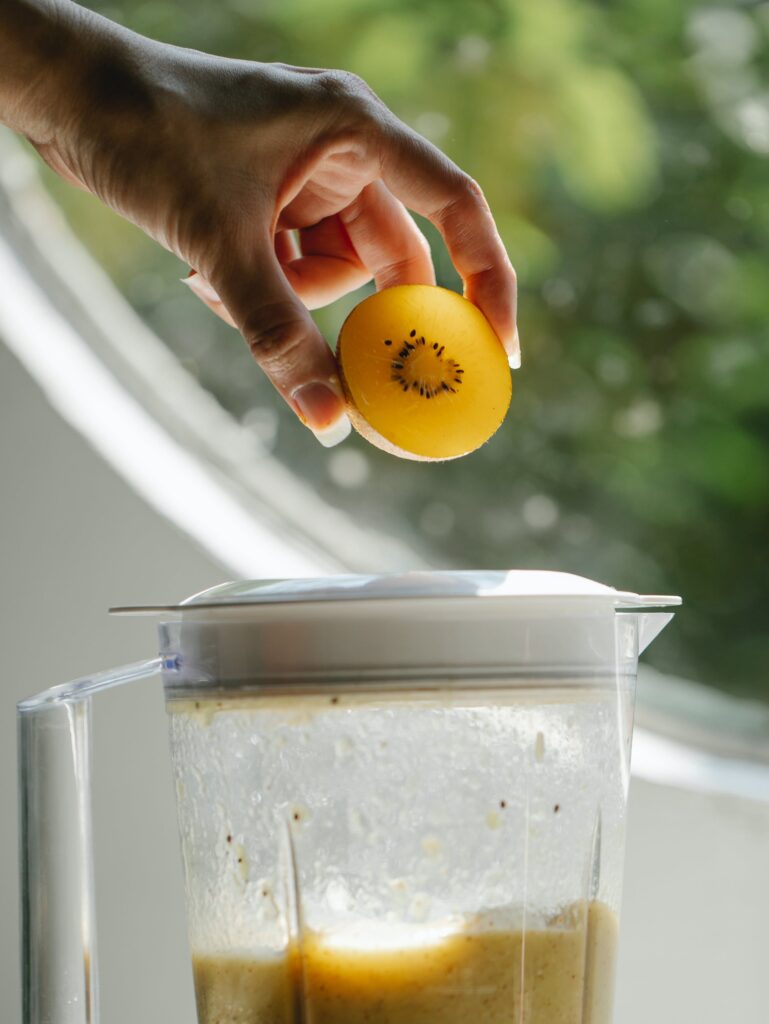
When I’m blending up a kiwi-centric smoothie, I make sure everything’s ready to whirl into a refreshing treat. From the ripeness of the fruit to the sequence of ingredients in the blender, every detail counts for a smooth sip.
Prepping Ingredients Ahead of Time
For me, it always pays off to prepare my fruits the night before. I peel and slice kiwis and any other fruit like strawberries or mangoes, which I may combine for a potent vitamin E and potassium kick. If I want things fresh and easy in the morning, I’ll pop these prepped fruits into the freezer. Using fresh or frozen fruits means I can skip the ice and still get a thick, frosty texture.
Layering for the Perfect Blend
I’ve learned that the secret to a perfect smoothie consistency is all in the layering. My go-to order in the blender starts with liquid, like almond milk or juice, followed by the soft ingredients such as ripe kiwi, and then my leafy greens. I’ll hold off on tossing ice cubes until the end if I’m not using frozen fruit. Trust me, it’s a simple step that makes a world of difference.
Serving Suggestions
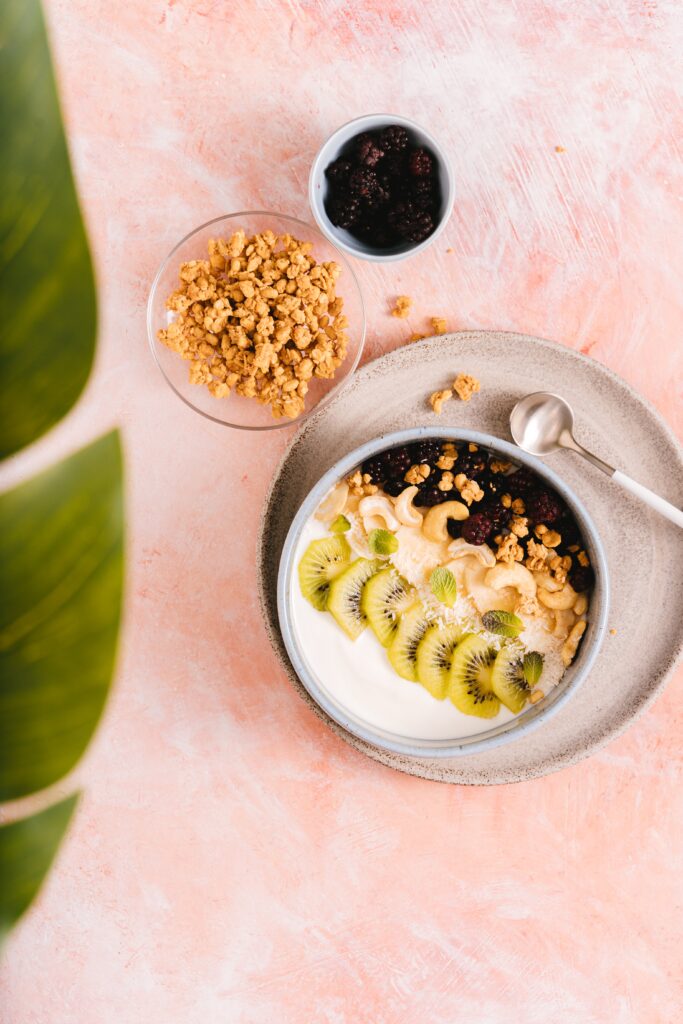
Smoothies made with kiwi are not just a healthy option, but also incredibly versatile. For breakfast, I pour my smoothie into a bowl and top it with granola. As a snack, a glass full does the trick, maybe with a spritz of lime or a hint of ginger. And if I’m feeling fancy, I’ll garnish with a sprig of mint for a refreshing finish.
Frequently Asked Questions
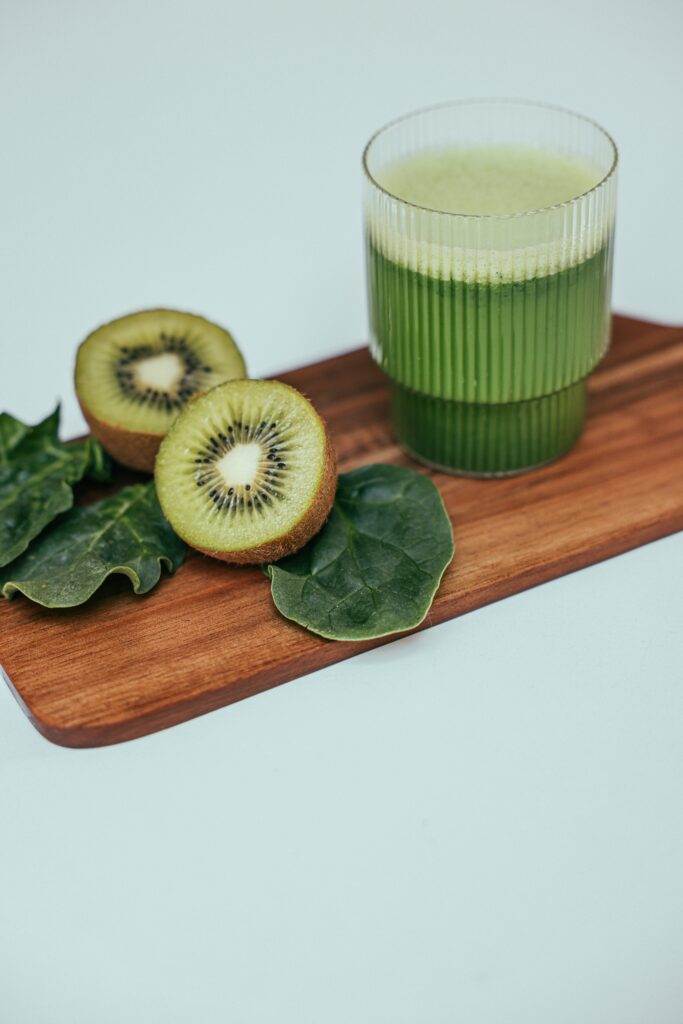
In my experience, blending kiwi in smoothies can lead to some delightful and refreshing drinks. I’ll cover some common queries regarding the best fruit pairings, considerations for health and taste, and the potential benefits of kiwi in your smoothies.
Which fruits are the best companions for kiwi in a smoothie?
I find that bananas are a fantastic complement to kiwi; their sweetness balances the tartness nicely. Strawberries and blueberries also mix well with kiwi’s vibrant flavor, creating a tasty and nutritious blend. This pairing works great.
Can you mix kiwi with citrus fruits for a refreshing juice?
Absolutely, I mix kiwi with citrus fruits like orange and lime all the time. The combination of kiwi’s tartness with the zesty kick of citrus creates a juice that’s both energizing and flavorful. Citrus and kiwi are a perfect match.
What are some good fruit pairings with kiwi for a weight loss smoothie?
For a weight-loss-friendly smoothie, I pair kiwi with other low-calorie fruits like berries and watermelon. These fruits add natural sweetness and fiber without adding too much sugar.
Is it okay to blend dairy products like milk or yogurt with kiwi?
Yes, I often blend kiwi with dairy products like milk or yogurt. The creaminess of the dairy complements the tangy taste of the kiwi, creating a rich and smooth texture in the smoothie.
Are there any fruits that should be avoided when making a kiwi smoothie?
While most fruits work well with kiwi, I tend to avoid overly ripe or extremely sweet fruits as they can overpower the unique taste of the kiwi. Also, certain melons may not always blend well texture-wise.
How does including kiwi in smoothies benefit your health?
Kiwi is rich in vitamins C and E, fiber, and antioxidants. Including kiwi in smoothies boosts the nutritional value of the drink, promoting digestion and supporting the immune system. It’s a healthy choice for my daily diet.