

Dealing with knee pain can be challenging, and finding ways to reduce the discomfort becomes essential for your daily life.
Did you know that certain foods can help reduce inflammation and relieve joint pain? With the right combination of ingredients, your smoothie can become a tasty and powerful tool in your journey to alleviate knee pain. So, let’s dive into some delicious recipes and learn how these ingredients can work together to support your knee health and get you feeling better.
But first things first… 👇
Understanding Knee Pain

Knee pain is a common issue that affects around 19% of the population. It can be caused by various factors, involving the joints, muscles, ligaments, tendons, and sometimes even the bones themselves. In this section, we’ll explore some of the main causes of knee pain in a casual tone, helping you to better understand what’s happening within your body.
One common cause of knee pain is osteoarthritis, a degenerative joint disease that occurs when the cartilage in the joints starts wearing down. This can lead to painful bone-on-bone contact within the knee and be quite debilitating. Similarly, rheumatoid arthritis is an autoimmune condition that can cause inflammation and damage to the joints, resulting in knee pain.
Another familiar cause is gout, a type of arthritis that occurs due to a buildup of uric acid in the body. This accumulation can form crystals that deposit in the joints, causing severe pain, especially in the knee.
Knee pain can also result from acute injuries, such as sprains and strains. Injuries often happen due to sudden movements, excessive force, or improper techniques when exercising or engaging in sports. These injuries can cause damage to the ligaments or tendons that connect the bones and muscles around the knee.
Knee osteoarthritis is a specific type of osteoarthritis that affects the knee joint, causing pain and affecting your ability to move comfortably. This condition is common among older adults and those with a history of knee injuries.
In some cases, knee pain can arise from underlying diseases, which can affect the knee joint directly or indirectly. For example, infections or other systemic illnesses can cause inflammation in your knee joints and aggravate existing issues, leading to increased pain.
💡 Summary: Knee pain can be caused by various factors, including arthritis, gout, injuries, and underlying diseases. Understanding the root cause of your knee pain is essential in determining the best course of action to relieve your discomfort and restore your mobility. Remember to consult with a healthcare professional for a proper diagnosis and treatment plan tailored to your specific needs.
Recommended Smoothie Recipes for Knee Pain
There are a number of tasty and nutritious smoothies you can make to help alleviate knee pain. Here are a few recipes that utilize powerful anti-inflammatory ingredients to aid in reducing discomfort and promoting healthy joints.
Cinnamon-Pineapple Smoothie

This smoothie recipe combines the anti-inflammatory properties of pineapple with the pain-relieving effects of cinnamon. To make this smoothie, you’ll need the following ingredients:
- 2 cups of diced pineapple
- 1 cup of freshly squeezed orange juice
- 40 grams of crushed almonds
- 40 grams of organic honey
- 1 cup of cooked oatmeal
- A pinch of cinnamon
Blend all the ingredients together until smooth and enjoy! You can find the full recipe here.
🍍 Recommended: Revitalizing Pineapple Plum Smoothie (Pick Me Up!)
Tropical Sunrise Smoothie
This arthritis-friendly smoothie contains bromelain, a phytonutrient found in pineapple that helps reduce inflammation and pain. To make this smoothie, you need the following ingredients:
- 1 cup of pineapple chunks
- ½ cup of papaya cubes
- 1 cup of 100% pure orange juice
Simply blend all the ingredients together and enjoy your tropical sunrise smoothie! Check out the full recipe here.

🍊 Recommended: Savory Orange Papaya Pineapple Smoothie (100% Guilt-Free)
Avocado-Mango Smoothie
Avocado and mango are both rich in vitamins, minerals, and compounds that help fight inflammation. This creamy smoothie also incorporates collagen protein to further support joint health. To make this smoothie, gather the following ingredients:
- 1 Avocado
- 1 cup of freshly squeezed orange juice
- 1/2 cup of mangoes
- 1 scoop of collagen protein
- 1/4 cup of water
Blend everything together, adding more water or orange juice if needed. Enjoy your delicious and joint-friendly avocado-mango smoothie! You can find the full recipe here.
🥑 Recommended: Simple Avocado Mango Smoothie (Taste Heaven)
Remember, it’s important to keep a balanced diet and exercise regularly to maintain healthy joints. These smoothies are a great addition to your diet and can provide some relief from knee pain. Enjoy them and feel the benefits for yourself!
Role of Diet and Nutrition in Knee Pain
Your diet plays a crucial role in managing knee pain, especially when it comes to inflammation and swelling. By focusing on anti-inflammatory foods and nutrients, you can significantly improve your knee pain and overall joint health.

Firstly, it’s important to incorporate foods rich in antioxidants 🫐 into your smoothies. Antioxidants, such as vitamin C and flavonoids, help reduce inflammation and protect your joints from oxidative stress. Berries, dark leafy greens, and citrus fruits are excellent sources of these nutrients.
Now, let’s talk about protein. 🥚 Consuming adequate protein is essential for maintaining strong muscles and tendons, which can support your knee joint. Lean meats, fish, and plant-based proteins like beans and lentils are great options to include in your diet.

Calcium is another crucial nutrient for knee pain, as it helps maintain strong bones and prevent osteoarthritis. Dairy products, leafy greens, and fortified plant-based milk are good sources of calcium. Make sure you’re getting enough vitamin D, which helps your body absorb calcium effectively.
Speaking of vitamins, some specific ones can help reduce inflammation in your joints. For example, vitamin C has been shown to help reduce arthritis symptoms, and you can easily find it in fruits like oranges, strawberries, and kiwi.
🥝 Recommended: Can You Mix Kiwi with Milk?
Next up, you should focus on foods with natural anti-inflammatory properties. Many of these anti-inflammatory ingredients contain enzymes that help reduce pain and inflammation. One example is bromelain, an enzyme found in pineapple, which can be added to your smoothie for a delicious tropical twist.
Incorporating healthy fats into your diet is also important, as they have been shown to reduce inflammation. Foods rich in omega-3 fatty acids, such as avocados, nuts, and seeds, can assist in relieving knee pain.
Remember to keep your overall health in mind when it comes to your diet and nutrition. Maintaining a healthy weight will help reduce the pressure on your knees, which can alleviate pain and further prevent joint damage. A balanced diet, along with regular exercise, is key to staying healthy and keeping your knees in good shape. So, go ahead and blend up that anti-inflammatory smoothie and give your knees the nutritional support they deserve!
Smoothies for Knee Pain: An Overview
Are you struggling with knee pain and looking for a delicious way to alleviate your discomfort? Look no further! Smoothies are not only tasty but can also act as a great natural remedy for knee pain. Packed with the right ingredients, these smoothies can help nourish your joints and fight inflammation, leaving you feeling rejuvenated and strong.

You’ve probably used your trusty blender for various smoothie recipes, but specific ingredients in some of these recipes can be particularly beneficial for knee pain. Including a powerful mix of anti-inflammatory fruits, vegetables, and nutrients, these smoothies will support your joint health and overall well-being.
A great example of such a smoothie is the cinnamon-pineapple smoothie, which is known for its anti-inflammatory properties, thanks to the abundance of bromelain in pineapples. To make this smoothie, you will need:
- Diced pineapple pieces
- Orange juice
- Cinnamon
- Honey
- Almonds
Simply blend these ingredients until smooth, and enjoy a delicious concoction that relieves your knee pain and restores your joint strength.
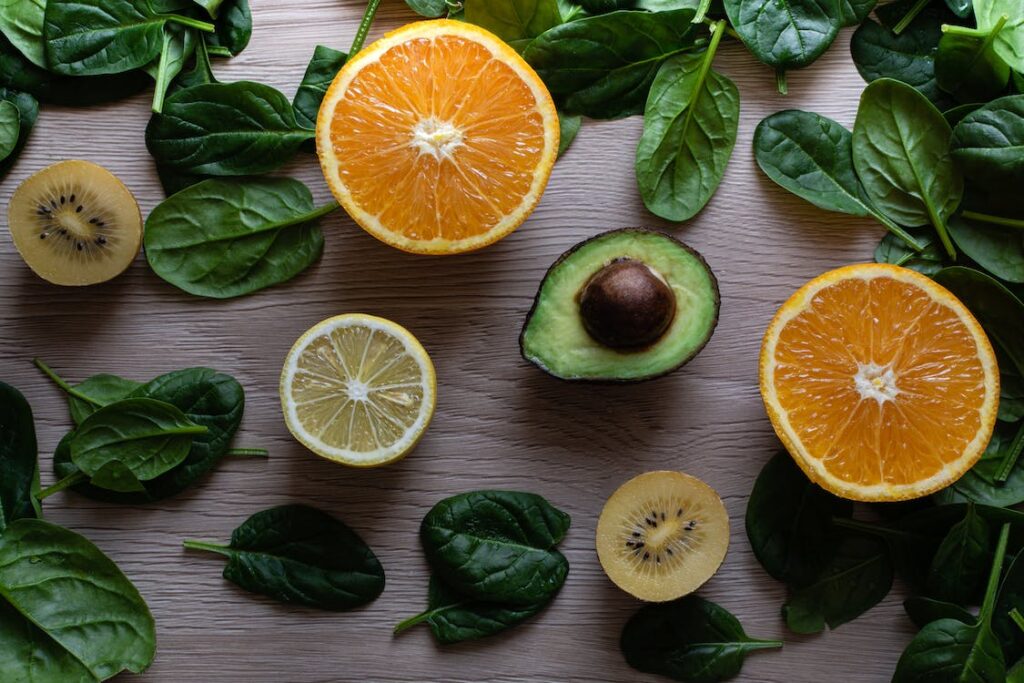
Another knee pain alleviating option is an avocado, orange, and mango smoothie. Rich in healthy fats and vitamins that benefit the joints, it is both tasty and good for you. Here’s what you’ll need:
- 1 avocado
- 1 orange
- 1/2 cup of mangoes
- 1 scoop of collagen protein (optional)
- 1/4 cup of water or orange juice
Blend these ingredients until creamy, adjusting the liquid content to your desired consistency, and savor a smoothie that soothes your aching joints.
There you have it! Incorporating these smoothie recipes into your routine can make a noticeable difference in alleviating knee pain and supporting your overall joint health. Remember, always choose ingredients rich in anti-inflammatory properties and adapt the recipes to your taste preferences. Happy blending!
💡 Recommended: Ninja Blender Under $100: Top Affordable Picks
Benefits of Anti-Inflammatory Smoothies
You may wonder how a delicious smoothie can help with your knee pain. Well, the secret lies in the ingredients that boast anti-inflammatory properties. By stacking your smoothie full of these ingredients, it’s not only tasty but beneficial for managing inflammation.
Chronic inflammation can wreak havoc on your body, leading to discomfort and long-term health issues. Drinking anti-inflammatory smoothies regularly can help in slowly reducing inflammation, making your life so much easier. Plus, it’s a refreshing way to stay on top of your immunity system, so go ahead and grab that blender!
When it comes to pain relief, anti-inflammatory smoothies work wonders in combating joint pains, like those in your knees. By incorporating powerhouse foods like pineapple, leafy greens, and berries, you’re giving your body a delicious remedy that promotes muscle recovery and joint health. And let’s be honest, that’s a win-win situation for both taste buds and joints.
Remember, the key is choosing the right ingredients:
- Pineapple: Contains bromelain, a potent anti-inflammatory enzyme
- Leafy Greens: Rich in antioxidants and anti-inflammatory compounds
- Berries: Full of antioxidants, vitamins, and minerals that fight inflammation
- Ginger: Known for its powerful anti-inflammatory and pain-relieving properties
- Turmeric: Contains curcumin, a powerful antioxidant and anti-inflammatory agent

Trying a variety of these ingredients in your smoothie recipes ensures you’re covering all the bases to support your body’s inflammation-fighting defenses. So the next time you whip up that delectable drink, think about how you’re doing your knees a favor by embracing the benefits of anti-inflammatory smoothies!
A Look at Key Ingredients
When it comes to creating a smoothie that can help with knee pain, it’s important to focus on the right ingredients. Here, we’ll discuss some of the key components that can make your smoothie both delicious and beneficial for your joints.
Pineapple is a delicious tropical fruit that can bring a refreshing taste to your smoothie. It’s packed with bromelain, which has been known to have anti-inflammatory properties. This can be particularly helpful in reducing the inflammation that often leads to knee pain. Similarly, orange juice, high in vitamin C, can help support collagen production, which is vital for joint health.
Next, using ingredients like turmeric and ginger root can give your smoothie a spicy kick while offering some significant benefits. Turmeric contains an active compound called curcumin, which has been shown to have powerful anti-inflammatory and pain-relieving properties. Ginger, on the other hand, has been known to reduce inflammation and alleviate pain, making it an excellent addition to your smoothie.
For a creamier texture, consider adding milk, almonds, or coconut to your smoothie. Almonds are a fantastic source of healthy fats and magnesium, which can help with muscle and joint function. Coconut milk provides medium-chain triglycerides, which may help reduce inflammation.
When choosing your greens, baby spinach and celery are both worthwhile contenders. Baby spinach is rich in antioxidants that can help combat oxidative stress in the body, while celery contains beneficial flavonoids that can help reduce inflammation.
Berries, such as strawberries, raspberries, cherries, and cranberries, not only add natural sweetness and vibrant color to your smoothie but also come packed with antioxidants and anti-inflammatory compounds. They can work together to help protect your joints from oxidative damage.
Oats and flaxseed can provide your smoothie with a boost of healthy fiber and omega-3 fatty acids. These nutrients can help reduce inflammation and support overall joint health.
Lastly, don’t forget to add a touch of honey or lemon for an extra kick of flavor. Honey has natural anti-inflammatory properties, while lemon, similar to oranges, contains vitamin C that can be beneficial for your joint health.
By incorporating some or all of these ingredients into your knee pain-relieving smoothie, you’ll be doing both your taste buds and your joints a favor. So, grab your blender and mix up a delicious, soothing concoction!
Creating Your Smoothie: Step by Step
Hey there! Itching to make a delicious and powerful knee pain-relieving smoothie? Follow these easy steps to create the perfect smoothie that targets inflammation and joint pain.
- Select your base ingredients: First, pick your liquid foundation. It can be water, milk, or even coconut milk, depending on your preference. You’ll need about 1-2 cups of liquid to blend the other ingredients.
- Choose some fruits and veggies: Add some anti-inflammatory fruits and veggies to your smoothie. Fruits like pineapple, which contains an enzyme called bromelain, can help reduce inflammation and pain. Get creative and mix in some tasty options like apple, orange, cherries, blueberries, raspberries, strawberries, or cranberries. For extra health benefits, throw in a handful of baby spinach or some celery.
- Boost with anti-inflammatory spices: Incorporate some powerful spices like turmeric and ginger root into your mix. Both of these ingredients have excellent anti-inflammatory properties, perfect for alleviating knee pain.
- Add some satisfying oats and seeds: To make your smoothie more filling, blend in a small portion of oats or flaxseed, which add extra nutrients and a satisfying texture.
- Sprinkle in some nuts: Nuts add more flavor, texture, and nutrients. Try some almonds or even shredded coconut to enhance your smoothie.
- Sweeten with natural sweetness: If you’d like, add a touch of sweetness to your concoction. Natural sweeteners like honey or a squeeze of lemon can easily do the trick.
- Time to blend: Toss all the chosen ingredients into your blender. Blend until you achieve a smooth, creamy consistency. You may need to adjust the amount of liquid or ice, depending on the thickness you desire.
And just like that, you’ve made yourself a tasty and effective knee pain-relieving smoothie! Enjoy your drink, and feel the natural power of these ingredients working to ease your discomfort. Happy blending!
Caution and Consultation
When it comes to managing your knee pain, it’s essential to remember that everyone’s situation is unique. You should always consult your doctor before making any significant changes to your diet or lifestyle. While smoothies may provide a natural, tasty way of incorporating anti-inflammatory ingredients into your routine, they might not be a complete solution for everyone.
Your doctor might recommend other treatments like anti-inflammatory drugs, such as nonsteroidal anti-inflammatory drugs (NSAIDs), or even suggest knee surgery if your condition is more severe. It’s crucial not to rely solely on smoothies or natural remedies without seeking professional advice.
Additionally, while experimenting with knee pain-relieving smoothies, you might want to keep track of any possible food allergies or sensitivities. Not all ingredients may be suitable for your body, and experimenting with various combinations is key to finding your optimal anti-inflammatory concoction. Listen to your body and adjust the ingredients as necessary, making sure to discuss any concerning symptoms with your doctor.
Lastly, remember that medication and smoothies can complement each other, but they shouldn’t be seen as a direct replacement. If you’re currently taking any medication for your knee pain, do not stop or change your dosage without consulting a doctor. Smoothies can help you feel better on your journey, but they shouldn’t replace proper medical treatment. Stay cautious and make sure to involve your healthcare professional in all aspects of your knee pain management journey.
Conclusion
Incorporating a smoothie into your daily routine can be an effective way to relieve knee pain and restore joint strength. By choosing ingredients known for their anti-inflammatory properties, you may experience a decrease in discomfort and improvement in mobility.
One such example of a knee pain-relief smoothie includes orange juice, cinnamon, honey, almonds, oatmeal, and pineapple. This combination not only tastes delicious but also brings together ingredients known for their inflammation-fighting properties, like cinnamon and pineapple. Don’t hesitate to try out different combinations of fruits, vegetables, and other ingredients to find a smoothie that works best for you and your knee pain.
Remember that while these smoothies can help alleviate knee pain, it’s essential to maintain a balanced diet and engage in appropriate physical activities to promote overall joint health. Keep experimenting and discovering new recipes, and you’ll likely find yourself enjoying the benefits of reduced knee pain and increased joint mobility in no time.
Frequently Asked Questions
What are good smoothie ingredients for arthritis?
Choosing the right ingredients for an arthritis-friendly smoothie is important. Your smoothie should contain fruits and vegetables high in antioxidants and anti-inflammatory properties. Some examples include leafy greens like kale and spinach, berries (especially blueberries and strawberries), cherries, and pineapple. You can also add nuts and seeds, such as almonds and flaxseeds, for added benefits.
Which fruits can help with knee pain?
Fruits that can help with knee pain include those that have anti-inflammatory properties. Pineapple is rich in bromelain, which helps reduce inflammation and pain. Other beneficial fruits for knee pain are cherries, blueberries, and papaya. These fruits contain antioxidants that can help alleviate pain and inflammation associated with knee pain.
What are some anti-inflammatory smoothie recipes?
To create an anti-inflammatory smoothie, combine ingredients that are known for their anti-inflammatory properties. One example is a cinnamon-pineapple smoothie that includes pineapple, cinnamon, oats, orange juice, almonds, and honey. Another option is a carrot, ginger, and turmeric smoothie that can help reduce inflammation, while supporting healthy joints, eyes, skin, and more.
Do smoothies help with osteoarthritis?
Smoothies can be a helpful addition to your diet when dealing with osteoarthritis, or any form of arthritis. Including anti-inflammatory ingredients in your smoothie can help reduce inflammation and alleviate joint pain. However, smoothies alone may not be enough to manage arthritis symptoms effectively. Be sure to consult your healthcare provider or a dietician for a comprehensive approach to managing your arthritis.
Which juices can benefit knee pain?
Certain juices are known to reduce inflammation and help with knee pain. Some examples are tart cherry juice, which contains antioxidants that may relieve joint pain; pineapple juice, due to its bromelain content; and orange juice, which is high in vitamin C, an antioxidant that can support joint health. Remember to consume juice in moderation, as excess sugar can actually contribute to inflammation.
What are some smoothies that can help with weight loss and inflammation?
Smoothies that aid in weight loss and reducing inflammation typically contain nutrient-dense, low-calorie ingredients. Focus on incorporating plenty of vegetables, such as kale, spinach, and cucumber. Add fruits like berries, kiwi, and apples for natural sweetness. Protein sources like Greek yogurt, nuts, and seeds can help you feel full longer. Remember to also include anti-inflammatory ingredients, such as ginger, turmeric, and green tea, to support overall wellness.