
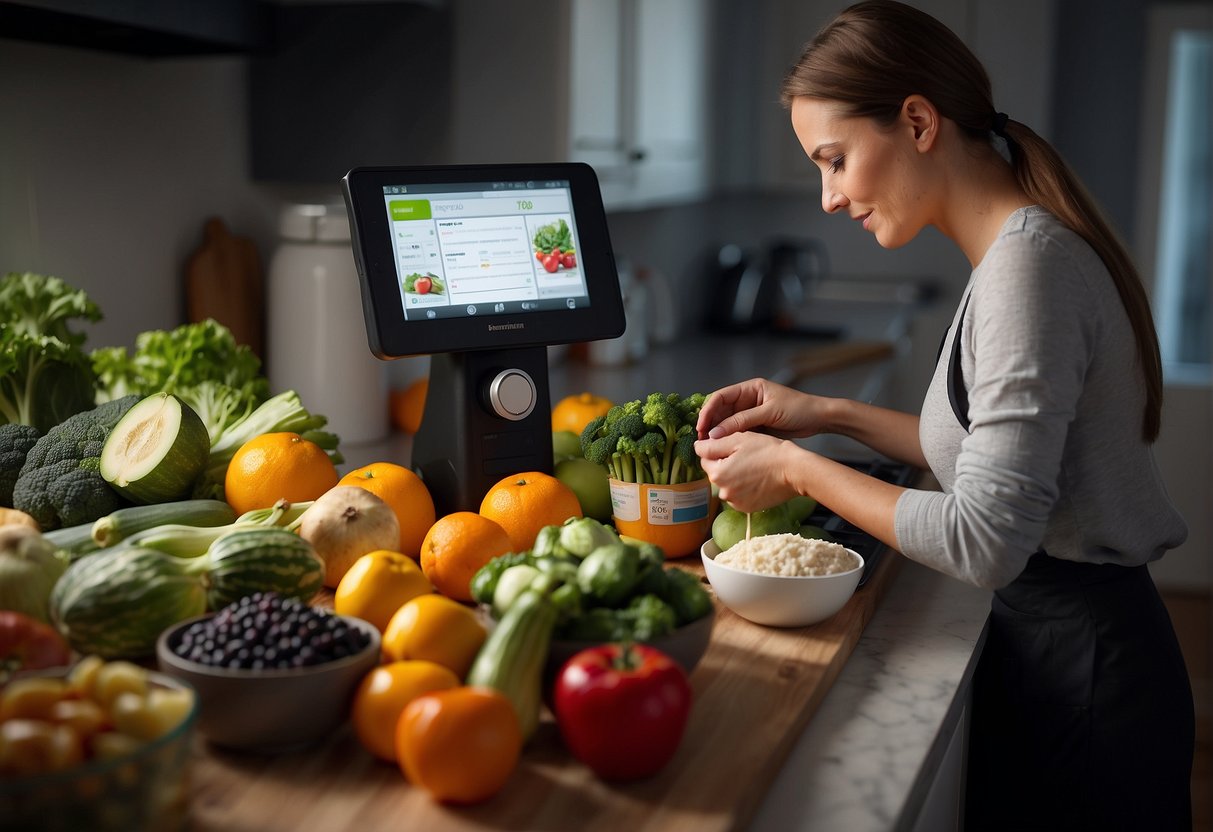
Safety and Preparation
When I blend up a smoothie, I’m always checking for two things: safety and ease. Knowing how to handle frozen vegetables can save time, and doing it right means I’m not skimping on quality or safety.
Understanding Frozen Vegetables
Frozen vegetables are a staple in my freezer because they’re easy to store and have a long shelf life. They’re typically flash-frozen at peak ripeness, locking in nutrients and flavor. This process also inactivates bacteria like E. coli, making frozen vegetables in smoothies a safe choice for me. However, there’s always a tiny risk of contamination before freezing, which is why I like to give them a quick rinse under cold water. Watch out for freezer burn, though—it’s safe to eat, but can affect taste and texture.
Preparation and Thawing Process
To get my veggies smoothie-ready, I have a simple preparation routine. First, I decide whether to thaw. For a creamier texture, I’ll use veggies straight from the freezer; it’s like tossing in an ice cube that’s packed with nutrients. If I do choose to thaw, I make sure to do it safely, keeping vegetables sealed in the fridge to prevent bacterial growth. Before everything goes into the blender, I give them a quick rinse—just in case—and double-check for any unwanted ice crystals or clumps. Then, I’m all set to blend up a storm.
Health and Nutritional Insights
When I blend up my smoothie, I’m not just looking for flavor—I keep a close eye on the nutritional punch it packs. Using frozen vegetables is my go-to for preserving those all-important nutrients and bumping up my health game.
Nutritional Value of Frozen Vegetables
Frozen vegetables are a staple in my diet because they’re packed with nutrients even after being stored in my freezer. They’re often frozen at peak freshness, which means they retain vitamins that fresh store-bought vegetables, which might have been sitting out for a while, could lose over time. I find frozen vegetables are rich in vital nutrients like vitamins A and C, which are essential for immune health, and skin and vision support, as well as antioxidants, which help to combat free radicals in my body.
Key nutrients in frozen vegetables can include:
- Fiber: Great for digestive health.
- Protein: Builds and repairs tissues.
- Vitamins: A host of benefits for the body overall.
- Minerals: Like iron and magnesium, crucial for many bodily functions.
Plus, they’re low in calories, making them an ideal choice for my nutrition-focused smoothies.
Health Benefits
The health benefits of popping frozen vegetables into my blender are pretty impressive. They contribute to a healthy diet by providing essential minerals like magnesium and iron, which are important for muscle and brain function. I also get a good amount of dietary fiber, which keeps me feeling full and satisfied, and helps to maintain a healthy gut.
Folate, a key B vitamin in many green veggies, is a must-have for my metabolic health and, for those considering starting a family, it’s known to be vital for fetal development. As for antioxidants, they’re the champions in my diet—helping reduce oxidative stress and inflammation—giving me the overall vitality I aim for.
Incorporating a mix of frozen vegetables in my daily routine, I trust I’m getting a wide range of nutritional benefits without sacrificing convenience or taste.
Choosing the Right Ingredients
When I craft my smoothies, I pay special attention to the quality and compatibility of ingredients I toss in my blender. The right vegetables can elevate both the nutritional value and taste profile.
Best Vegetables for Smoothies
My go-to frozen vegetables for smoothies pack both a nutritious punch and blend nicely for a smooth texture:
- Spinach and Kale: These are classics for a reason. Frozen spinach and kale offer a powerhouse of nutrients and don’t overpower the taste.
- Carrots and Cauliflower: For a subtle sweetness and creaminess, these veggies are a top pick.
- Squash and Pumpkin: They bring an autumnal vibe and mix well with warm spices in a smoothie.
- Zucchini and Cucumber: These give a refreshing feel and are perfect for a hydration boost.
- Beets and Beetroot: They come with a stunning color and earthy flavor that works well with berries.
- Celery and Peppers: These guys are surprisingly good at adding a fresh kick.
Complementary Ingredients
To round out the flavor and nutritional profile, I pair my vegetables with:
- Fruits: Fruits add natural sweetness and help mask the taste of stronger veggies.
- Nuts and Seeds: These provide healthy fats and a satisfying texture.
- Plant-based Milk/Yogurt: For a creamy base, I find these work best, especially with earthy vegetables.
Remember: Always experiment with proportions to find your perfect blend!
Blending Techniques
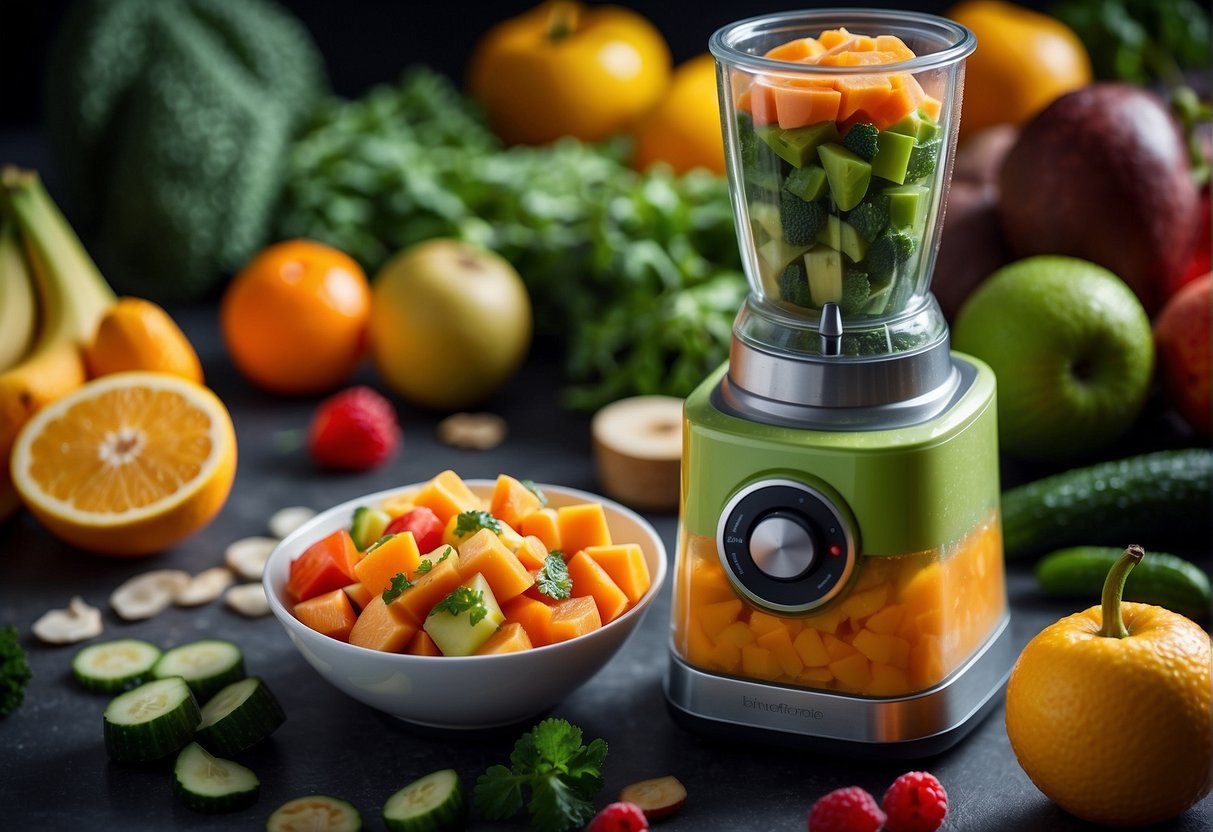
When I whip up a smoothie, my goal is a creamy texture that’s enjoyable to drink. The blending technique is crucial here; it’s all about finding the right balance between the ingredients and how you blend them.
Creating the Perfect Texture
To create that perfectly smooth texture in a smoothie, I start by placing my frozen vegetables and any frozen fruits I’m using in the blender first. I add just enough liquid to cover the frozen items—this could be water, milk, or a milk alternative. I’ve found that this helps the blender work more efficiently, tackling the hard-frozen pieces and creating a more consistent smoothie without unnecessary stress on the machine.
Especially Designed Equipment
A high-powered blender makes all the difference when using frozen vegetables in smoothies. It’s designed to handle the tougher texture of frozen foods and can blend them into a creamy consistency without leaving any chunks. I make sure the liquid is blending well with the frozen veggies before adding softer ingredients like fresh fruits or protein powders, ensuring an even blend throughout.
Composing Your Smoothie
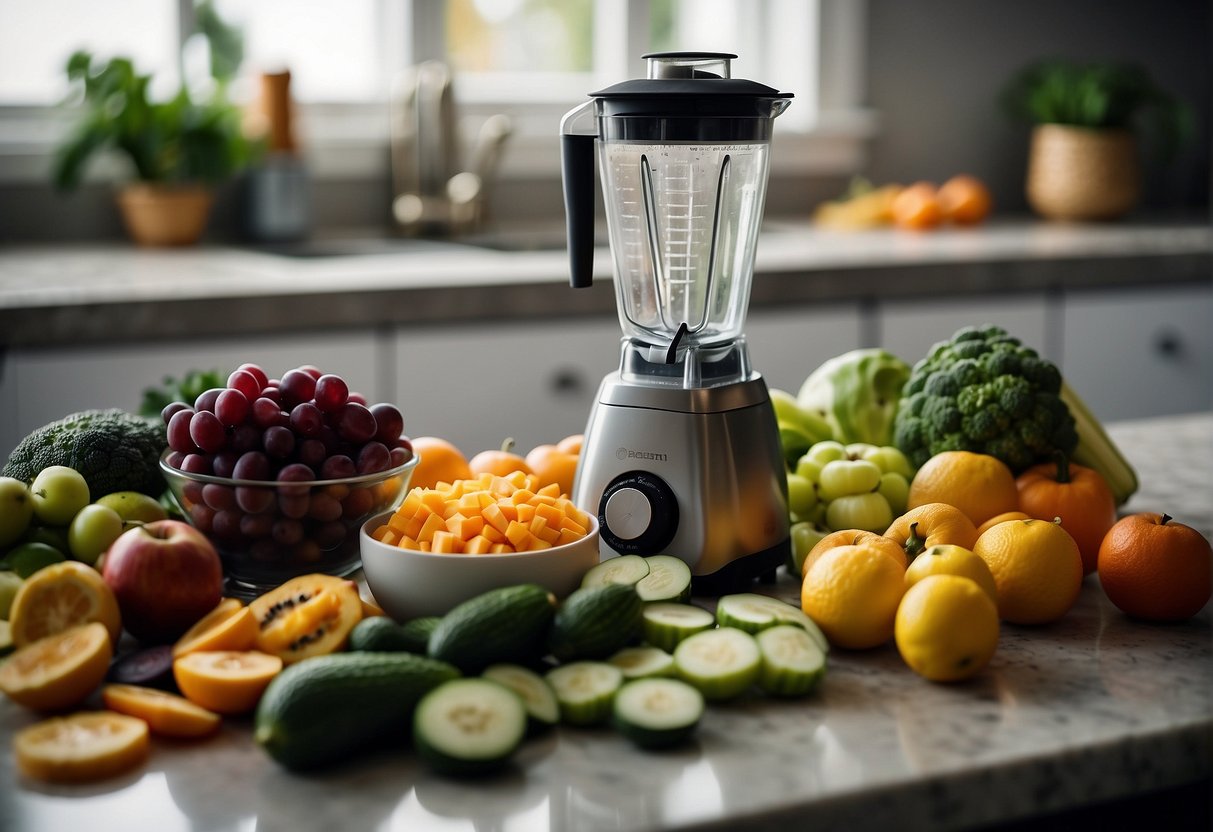
When I whip up a smoothie, I’m all about balancing flavors, nutrients, and variety. It’s about creating something delicious that’s also a powerhouse of health benefits. Let’s get into some specific recipes and how to amp up their taste and nutritional value.
Smoothie Recipes and Ideas
For my vegetable smoothie, I often start with a base of frozen cauliflower or spinach for some sneaky greens that blend right in. I’ll toss in frozen fruits like strawberries and blueberries to add a natural sweetness and a punch of antioxidants. If I’m in the mood for something creamy, avocado is my go-to—it not only thickens the smoothie but also provides healthy fats.
Here’s a quick recipe I love:
- Berry Veggie Smoothie:
- 1/2 cup frozen cauliflower
- 1/2 cup frozen strawberries
- 1/2 cup frozen blueberries
- 1/4 avocado
- 1 cup orange juice or your choice of milk (almond, soy, dairy)
Mix it all in a blender until smooth, and serve it up as a drink or in a bowl topped with seeds or nuts for an extra crunch.
Additional Flavors and Nutrients
To enhance my smoothie further, I’ll often add extra ingredients for a nutritional boost. A scoop of protein powder is perfect for post-workout recovery, and a dollop of yogurt can introduce probiotics and a tangy flavor.
Here are some extras I like to include:
- Protein: A scoop of whey or plant-based protein powder
- Healthy fats: A spoonful of nut butter or a handful of seeds
- Sweetness: A bit of honey or a date for a touch of natural sugar
- Liquids: Milk, juice, or even coconut water to get the consistency just right
I love how playful you can be with the ingredients—every smoothie I make feels like a new adventure. And honestly, nothing beats the convenience of having a nutritious meal that’s ready in minutes.
Adjusting for Dietary Needs
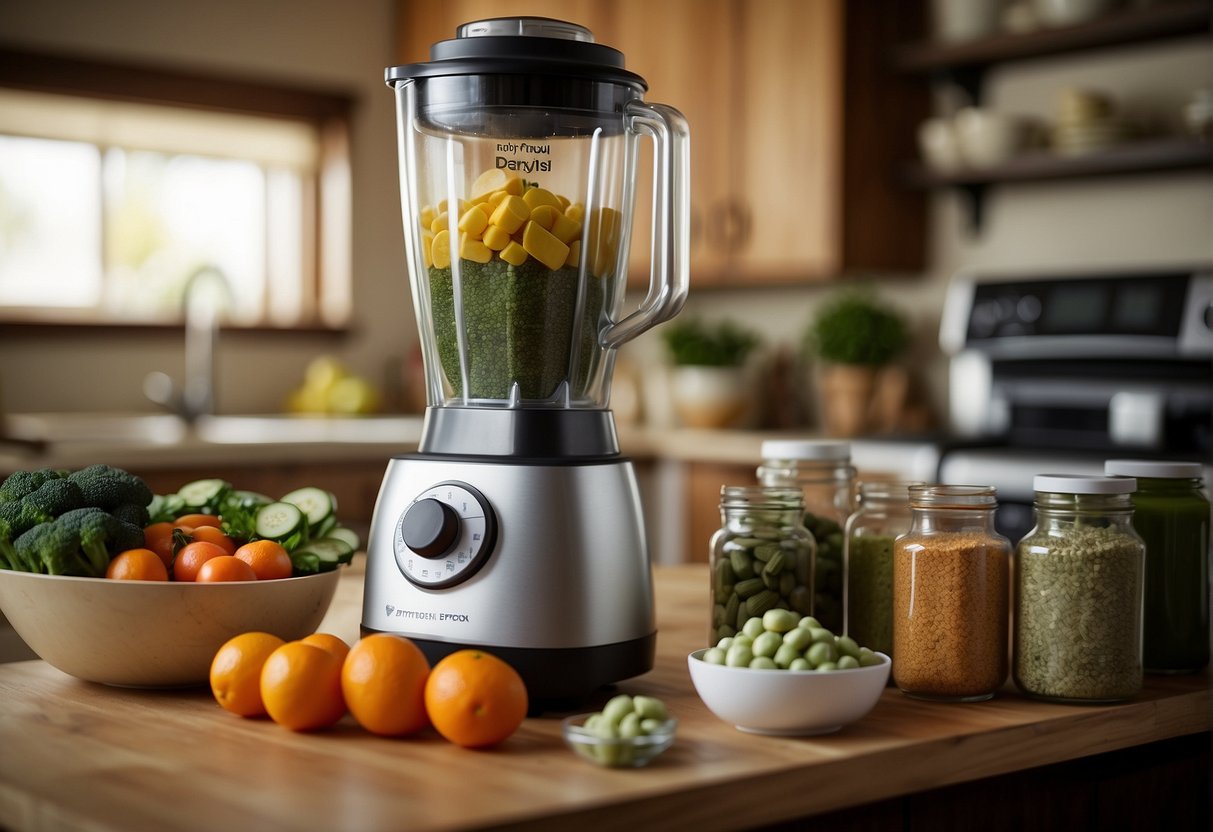
When I’m whipping up smoothies with frozen vegetables, it’s super easy for me to tweak the ingredients to suit my diet. Whether I’m watching my sugar intake or trying to bulk up the smoothie with some extra protein, I’ve got some tricks up my sleeve.
Low-Sugar and Low-Calorie Options
For those days when I’m aiming for something low-calorie or watching my carb count, I reach for veggies like frozen spinach or kale. These guys are not only low in calories but also practically sugar-free, making them a perfect base. To sweeten things up without piling on the sugar, I often throw in a dash of cinnamon or a splash of unsweetened almond milk. If I’m really craving that sweetness, a handful of frozen raspberries adds a tart kick without the sugar overload.
Fat and Protein Adjustments
My smoothies can also be a solid source of fat and protein, especially when I’m looking to refuel after a workout. I love to add a spoonful of almond butter or some avocado for healthy fats, giving my smoothie a creamy texture. On the protein front, a scoop of my fave protein powder does the trick, but sometimes I like to keep it all natural. That’s where frozen peas come in—they’re not just for dinner! They blend beautifully into smoothies, and with a decent protein punch, they’re perfect for my post-gym snack. Plus, they’re low in calories and carbs, which is fantastic for my weight loss goals.
Utilizing Frozen Produce
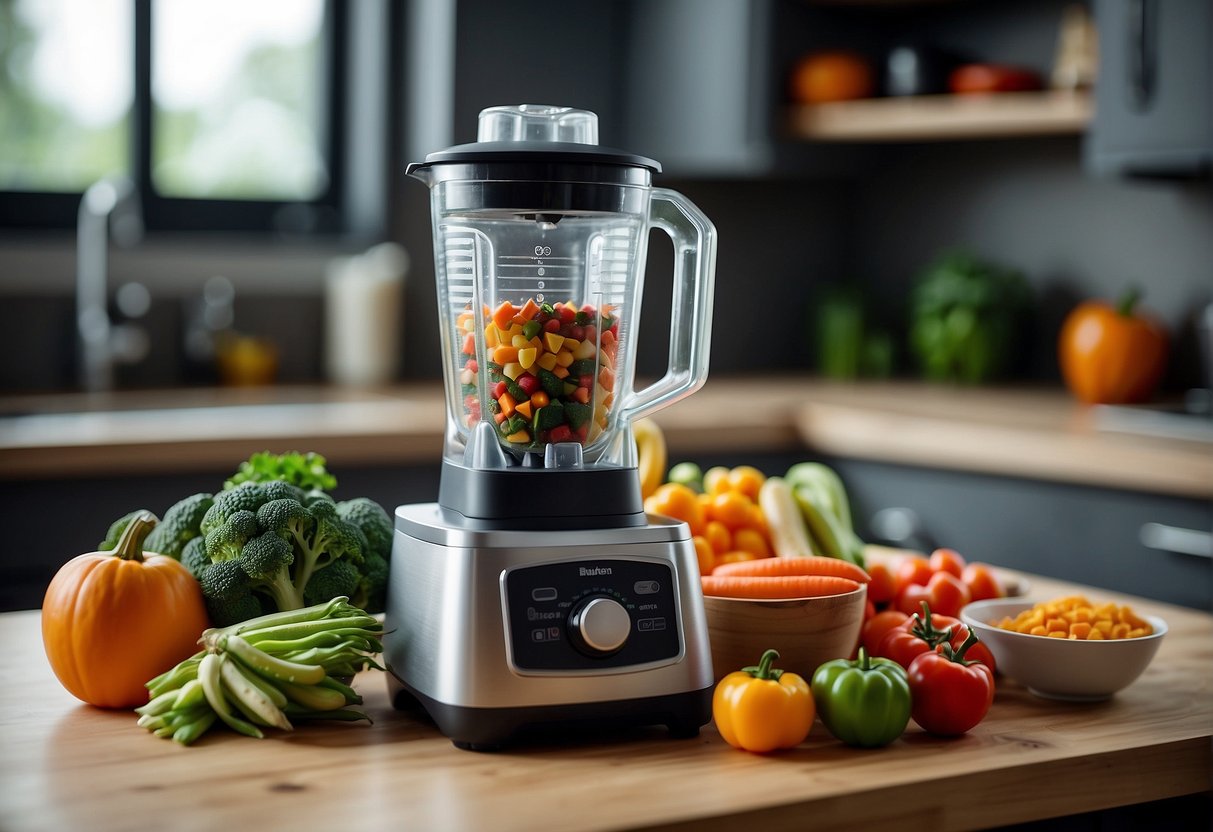
When I make smoothies, frozen vegetables are my go-to for convenience and nutrient retention. They’re just as good as fresh in terms of health benefits, and I love how they give my smoothies a creamy consistency without diluting the flavor.
Storage and Shelf Life
I’ve found that frozen vegetables have a longer shelf life compared to their fresh counterparts, which helps me minimize food waste. I store my bags of frozen organic vegetables — often found in bulk bags — in the freezer, where they’re good for several months. This is especially handy when I don’t have the time to go shopping frequently. Plus, freezing preserves the veggies’ nutritional value, so I’m not sacrificing health for convenience.
Economic and Practical Benefits
From a financial standpoint, going frozen often proves more cost-effective. I tend to buy bulk bags of frozen produce, which saves me money compared to buying fresh, especially when out of season. On the practical side, frozen veggies save me preparation time; they’re already cleaned, chopped, and ready to toss into the blender. It’s quicker than washing and prepping fresh veggies, and for the most part, frozen veggies retain the taste and nutrients pretty well, especially when they’re non-GMO and organic.
Special Considerations

When I add frozen vegetables to smoothies, I think about more than just taste. It’s about catering to specific needs and health benefits. Here’s how I deal with picky eaters and the goal of reducing inflammation.
Handling Picky Eaters
I’ve found that the key to getting picky eaters to enjoy smoothies is sneaking in frozen veggies without altering that beloved smoothie taste. My go-to move is blending spinach with fruits high in water content like oranges or watermelons. This not only masks the taste but also keeps the smoothie’s texture appealing.
Reducing Inflammation with Ingredients
In my quest to combat inflammation, I choose ingredients deliberately. For instance, adding ginger to a smoothie with frozen broccoli amplifies the anti-inflammatory benefits. Through trial and error, I’ve learned that a balance of flavor and health properties is crucial.
Making Smoothies a Part of Your Diet
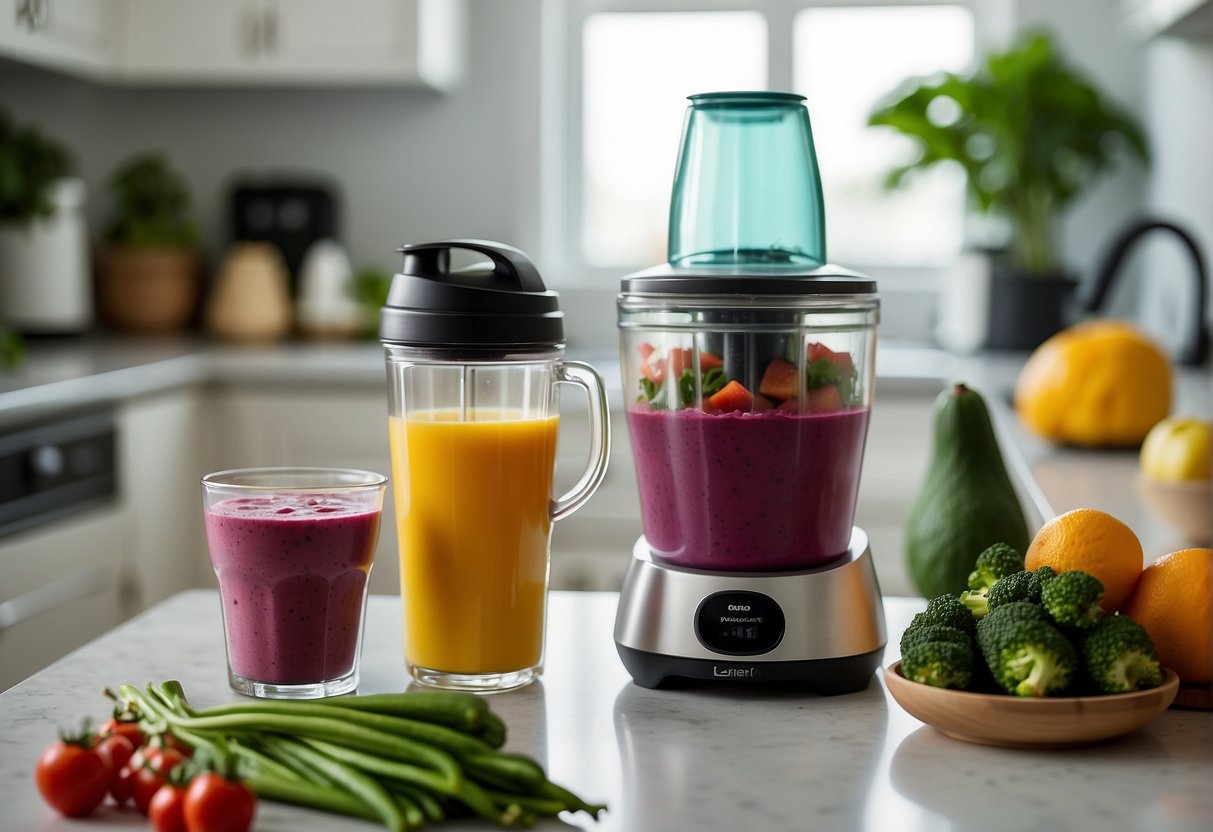
Incorporating smoothies into my diet has been a game-changer for me, especially when I’m looking to add more nutrients and dietary fiber to my meals. Smoothies are incredibly versatile; I can toss in a variety of vegetables and fruits, which makes them quite filling. Here’s what I often include:
- Frozen Vegetables: They’re just as nutritious as fresh, if not more. I’ve learned from tips on using frozen vegetables that they’re frozen quickly after harvest, preserving their goodness.
- Fruits: For natural sweetness and fiber.
- Liquid Base: I opt for water, almond milk, or coconut milk—keeping it light.
When it comes to weight loss, I find that incorporating smoothies helps me feel full without overeating. This table shows a simple smoothie formula I stick to:
| Liquid (1 cup) | Frozen Veg (1/2 cup) | Fruit (1 cup) | Extras (e.g., nuts, seeds) |
|---|---|---|---|
| Almond milk | Spinach | Banana | Chia seeds |
| Coconut water | Kale | Mixed berries | Flaxseed |
I make sure to watch my portions and the calorie content of add-ins like nuts and seeds. I noticed that when I balance my smoothie ingredients, I can maintain my energy levels without feeling weighed down. It’s all about finding that perfect blend that keeps me satisfied and supports my dietary goals.
Understanding Food Safety
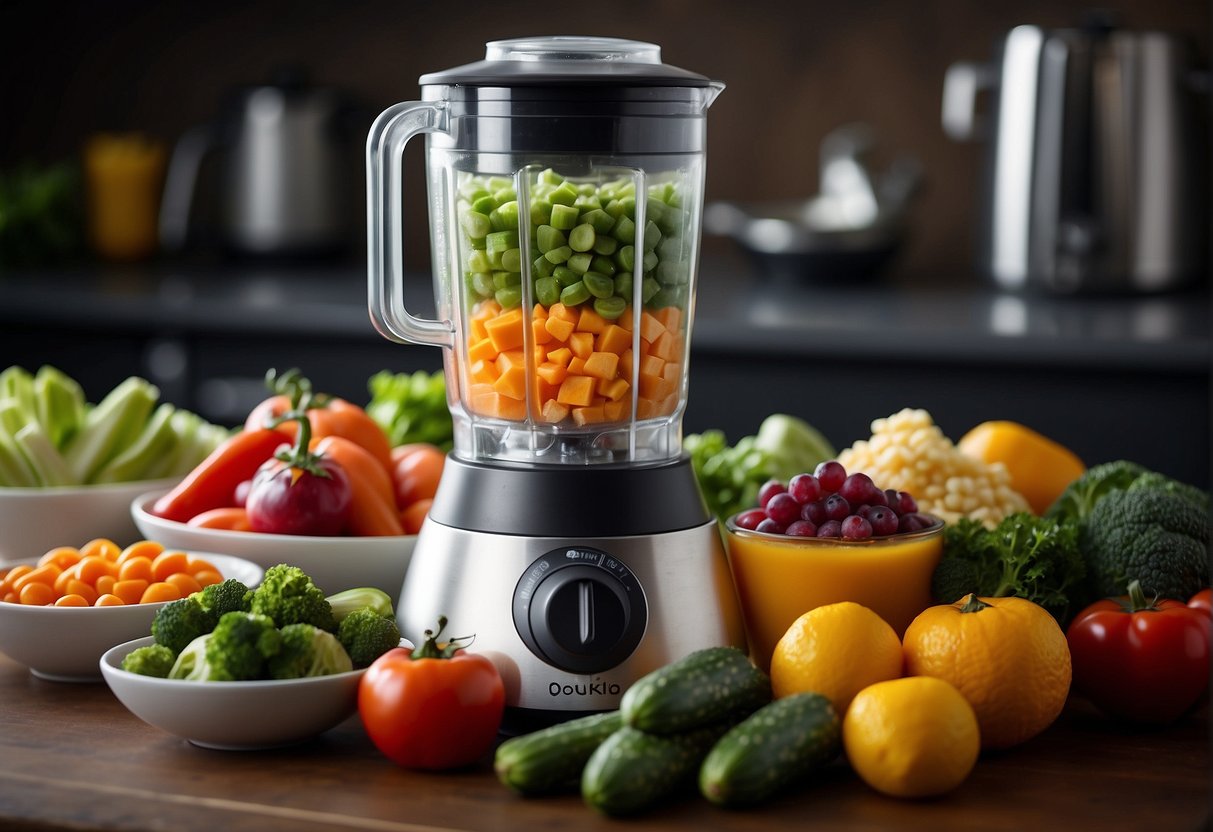
When I’m tossing frozen veggies into my smoothie, I make sure they’re safe. I look out for things like freezer burn and proper packaging. Let me break it down a bit.
Potential Contamination
Frozen vegetables are super handy for smoothies, but I stay alert for potential contamination. Let’s talk about E. coli first — it’s a real concern with produce. Although freezing can slow down microbes, it won’t kill E. coli. That’s why I always check if my veggies, like green peas or bell pepper, have been blanched before freezing. Blanching involves briefly boiling the veggies and then plunging them into ice water, which can significantly reduce bacteria levels.
Now, freezer burn isn’t about bacteria, but it’s still a sign that my veggies have been in there too long. Freezer-burned veggies usually have a dry, frosty surface and might not taste great. They’re technically safe, but quality? Not so much.
To lower any risk, I’m extra careful with the following steps:
- Inspect: I check the package for any tears or damage. If air can get in, so can bacteria.
- Rinse: Even though they’re going into a smoothie, I often give my frozen veggies like collards a quick rinse to remove any ice crystals or debris.
- Storage: I make sure my freezer is at the right temperature to keep the veggies safe and below the range where bacteria can grow.
Short, simple, and sweet. Keeping an eye on those things helps me enjoy my smoothies without fretting over food safety.
Optimizing for Health
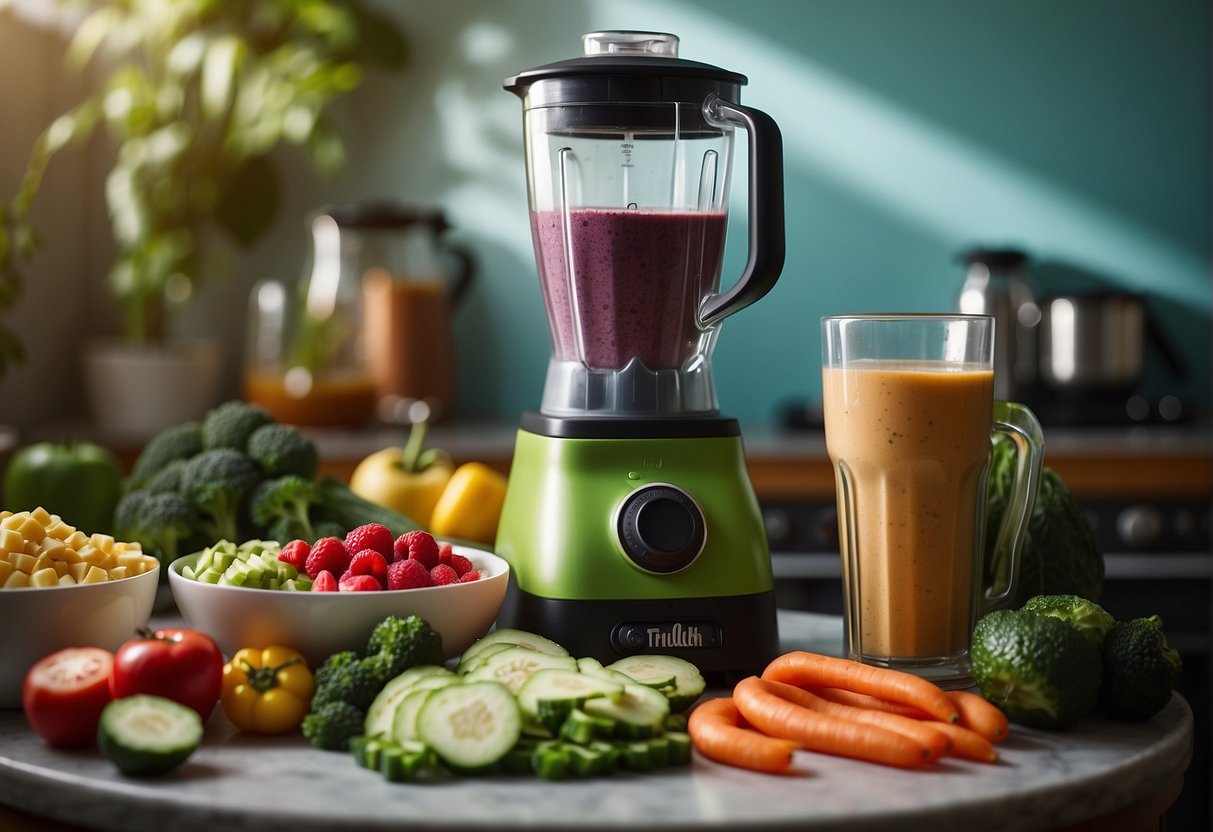
When I blend up a smoothie, I’m not just going for taste; I’m also targeting a nutrient-packed treat that boosts my health. Using frozen veggies is a smart move, and here’s why.
Maximizing Nutritional Intake
Did you know that frozen vegetables can be just as nutritious as fresh ones? In some cases, they might even hold more benefits. For me, making sure I maximize my nutritional intake with every sip is a game-changer. Here’s my go-to strategy: I pick my vegetables smartly—those flash-frozen varieties that seal in vitamins, minerals, and antioxidants. Studies suggest that frozen greens have comparable, if not higher levels of essential nutrients such as vitamin C and folate as opposed to their fresh counterparts. One study I stumbled upon asserts that frozen veggies can come out on top in nutritional content.
For a fiber boost, I don’t just stick to leafy greens—though I adore them! I toss in a good mix of cruciferous veggies like broccoli or cauliflower, which are excellent sources of dietary fiber. They’re frozen at their peak, meaning I’m getting all that goodness my body craves. And let’s not forget about the role of fiber in weight management and gut health—it’s a win-win situation for me.
I make sure that my smoothies remain low-calorie, yet filling, by blending these fiber-rich veggies. They not only thicken the smoothie, giving it that lush, creamy texture I love, but they also help me feel full longer, sidestepping the urge to snack. Plus, I’m banking on the nutritional benefits without worrying about my calorie intake for the day.
Booster elements like iron and folate are particularly important for my energy levels and overall well-being. Guess what? Frozen spinach and peas are loaded with them, and they slide seamlessly into my smoothie recipes.
In my eyes, frozen vegetables are unsung heroes in the smoothie world. They offer a powerful blend of nutritional benefits, and I can’t imagine my smoothies without them. Cheers to health, one frozen veggie at a time!
Frequently Asked Questions
In my experience, adding frozen vegetables to smoothies is an easy way to boost nutrition. Let’s address some common concerns and tips on how to enjoy them in your blends.
Can I toss frozen kale into my smoothie mix?
Yes, I often add frozen kale directly to my smoothies. It’s convenient and preserves the nutrients well.
What are the top choices for frozen greens to add to smoothies?
Spinach, kale, and Swiss chard are among my favorites for their mild flavor and nutrients.
Are there any health risks associated with using uncooked frozen veggies in smoothies?
Generally, no, but it’s worth checking if the vegetables were blanched before freezing to reduce risk of harmful bacteria.
Which frozen vegetables blend well and taste great in a smoothie?
Peas, cauliflower, and carrots blend nicely and add a creamy texture without an overpowering taste.
Is consuming blended veggies nutritionally equivalent to eating them whole?
Blending vegetables does not significantly alter their nutritional value, so yes, it’s quite similar to eating them whole.
Looking for healthy vegetable smoothie recipes, any recommendations?
I recommend starting with smoothie recipes that include a variety of frozen vegetables for both flavor and nutrition.