
Understanding Frozen Fruit in Smoothies
When I toss frozen fruit into my smoothie blender, I’m looking for that perfect balance of nutrition and a creamy, ice-cold texture. But what’s really happening when we use frozen fruit instead of fresh? Let’s break it down.
Nutritional Value of Frozen Fruit
Frozen fruit can actually be more nutritious than some fresh fruit. That’s because fruits are typically frozen at their peak ripeness, a time when they’re most packed with nutrients and antioxidants. The freezing process can preserve these important nutritional values, including vitamins and fiber, so I’m not missing out on the good stuff when I choose frozen.
Texture and Consistency Considerations
The texture I get from frozen fruit is what makes my smoothies thick and milkshake-like. I’ve noticed that blending frozen fruit gives a consistency that’s hard to achieve with fresh fruit unless I add ice, which can water down the flavor. Plus, I save time since I can skip the step of cutting and peeling — frozen fruit is usually ready to go straight from the bag.
Safety and Hygiene in Frozen Produce
I always make sure the frozen fruit I buy is from a reputable source to avoid any safety and hygiene issues. While freezing can slow down the growth of harmful bacteria, it doesn’t kill them, so I still need to make sure the brand practices good hygiene. I find that buying from trusted brands helps ensure that the fruit has been handled correctly before it even gets frozen.
Selecting the Right Ingredients
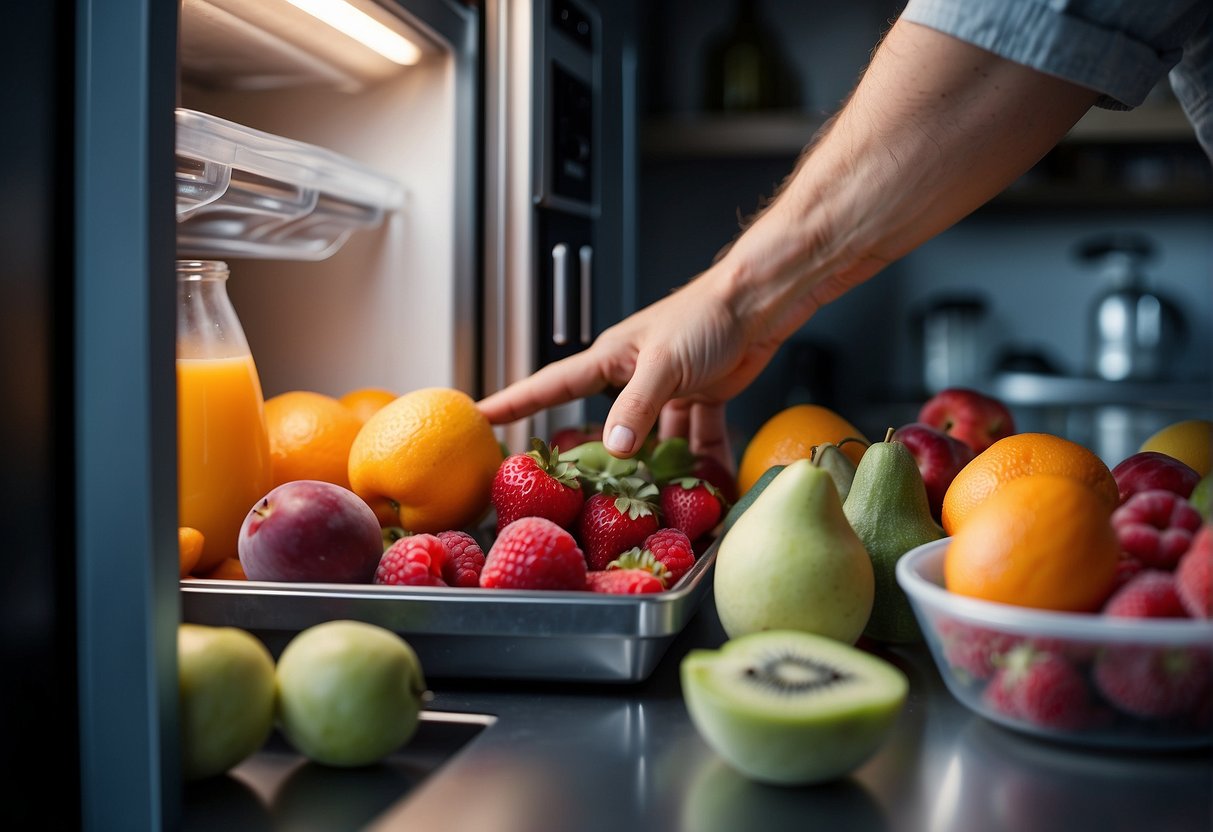
When I whip up a smoothie, I focus on the quality of frozen fruits and how they pair with other add-ins. It’s all about creating a blend that’s not just tasty but also nutritious and safe.
Choosing Quality Frozen Fruits
I make sure the frozen fruits like strawberries, blueberries, mangoes, and peaches are of high quality. It’s crucial that the fruits were ripe and fresh before freezing to ensure they retain their flavor and nutritional value. For example, I pick frozen mixed berries or blackberries that have a vibrant color and aren’t clumped together—it’s a good sign they were frozen promptly.
- Strawberries & blueberries: Look for bright color, freeze-dried at peak ripeness.
- Mangoes & pineapples: Choose chunks that are uniform and free of ice crystals.
Balancing Fruits with Other Ingredients
I balance my frozen fruit with other ingredients to enhance flavor and texture. A ripe banana can add natural sweetness and a creamy texture, making it unnecessary to add extra sugar. Here’s what I typically mix:
- For sweetness: Ripe bananas or a drizzle of honey.
- For creaminess: A scoop of yogurt or a splash of my favorite plant-based milk.
- To boost nutrition: A handful of spinach or a teaspoon of chia seeds.
Blending various fruits like apples or peaches with these ingredients creates a nutritiously balanced smoothie. I make sure to adjust the liquid accordingly, especially when using fruits like mangoes and pineapples that are less juicy than others.
Equipment and Techniques
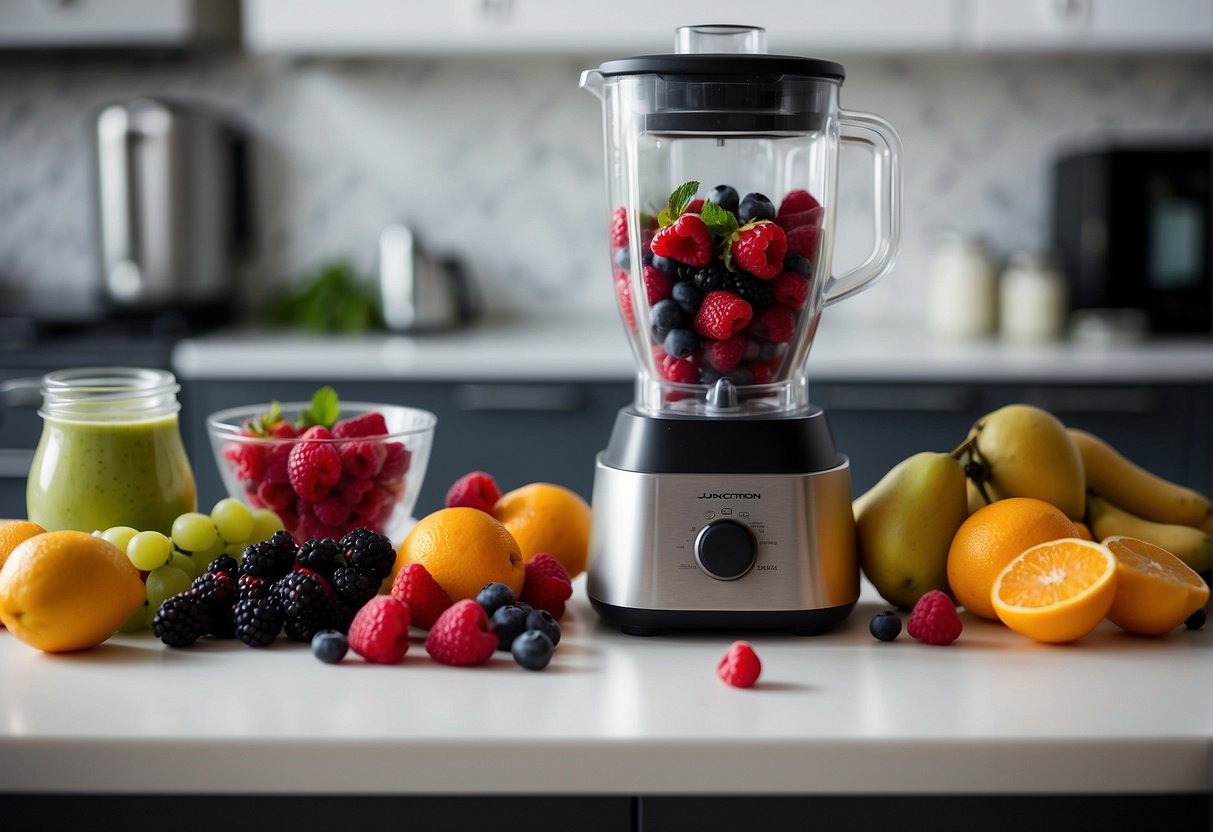
In my journey creating smoothies, I’ve learned the right equipment and techniques can make a world of difference, especially when dealing with frozen fruit.
Using a Powerful Blender
Having a powerful blender is non-negotiable for me. The best blenders for frozen fruit should boast high wattage and sharp blades able to crush ice and pulverize fruit. I look for models with at least 1000 watts of power; anything less might struggle and wear out quickly.
Blending Techniques for Frozen Fruit
Here are my go-to techniques:
- Prep Your Fruit: Letting frozen fruit sit for 5-10 minutes before blending helps.
- Pulse First: Short pulses break up larger chunks, making the job easier for my blender.
- Add Liquid: Pouring in some liquid—whether it’s water, juice, or milk—ensures smoother blending.
I always start low and gradually ramp up to the highest speed. This step-by-step escalation allows the blades to catch and blend everything without stress, giving me that perfect, creamy texture I crave in a smoothie.
Enhancing Your Smoothie
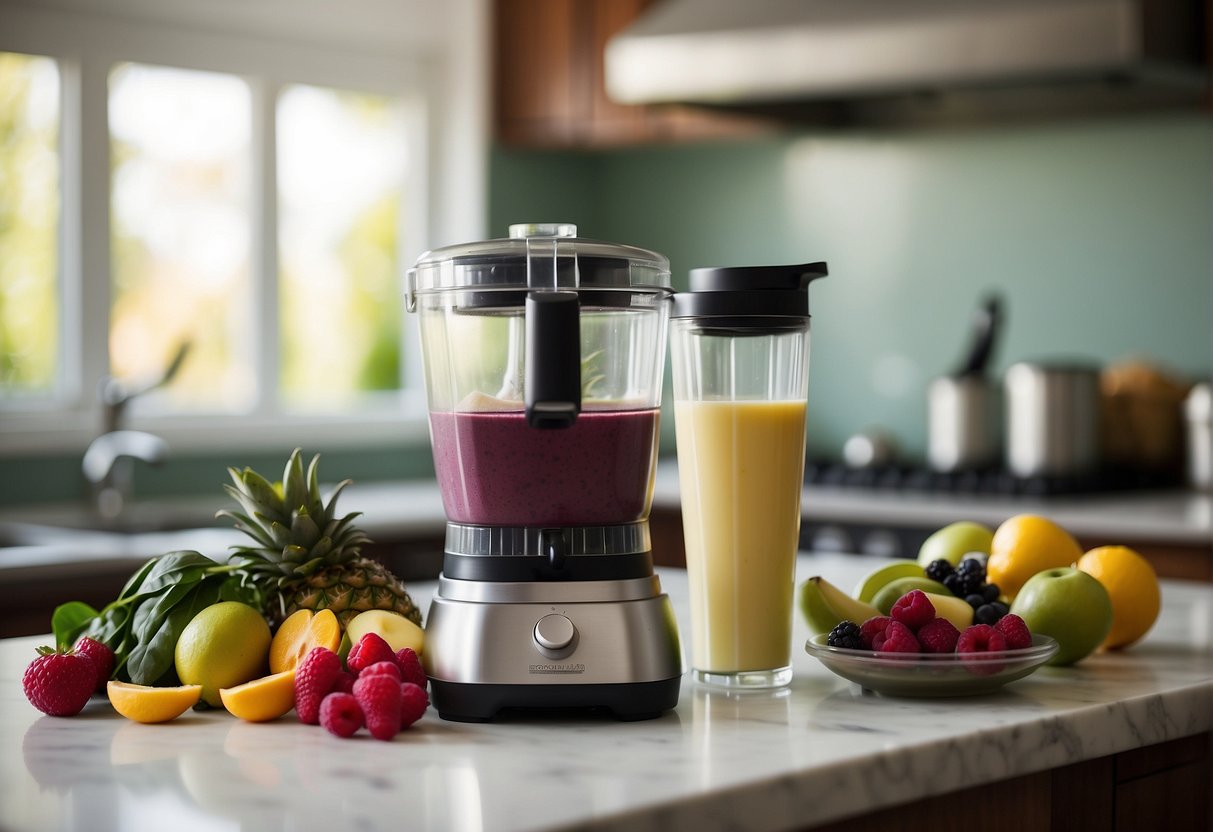
I’m always looking for ways to up my smoothie game. Finding the perfect balance of flavor and nutrition can really make a difference. So, let’s talk about liquids and sweeteners, nutritional boosts, as well as some clever toppings and mix-ins you might not have considered.
Incorporating Liquids and Sweeteners
First off, the liquid for your smoothie affects both taste and consistency. I like to use almond milk or soy milk because they add a creamy texture without too much added sugar. If you’re going with juice, watch out for added sugars; aim for 100% juice with natural sugars instead.
For sweetening, I’m really into using a touch of honey or agave nectar. Both are natural sweeteners that blend well. Greek yogurt also works great, giving a tangy kick plus a bit of sweetness without piling on the added sugar.
Adding Nutritional Boosts
Now, if you’re looking to amp up the protein or fiber, I have a couple of go-tos. Chia seeds are fantastic for omega-3s and protein powder can push your smoothie into meal territory, keeping me full for hours. I tend to lean towards plain yogurt or Greek yogurt for a protein kick and some added creaminess.
And don’t forget about peanut butter – just a tablespoon can add a protein punch and some satisfying healthy fats. It’s a favorite of mine for taste and nutrition.
Creative Toppings and Mix-Ins
Lastly, let’s talk about getting creative. Sometimes I’ll throw in a mix-in that changes the game. Frozen berries add a nice tartness and can sometimes double as a topping. For extra texture and a nutrient boost, chia seeds or a sprinkle of flaxseeds on top never disappoint. They’re small but mighty, offering omega-3 fatty acids and fiber.
Oh, and another pro tip: A dollop of Greek yogurt on top just before I dig in creates a rich, creamy layer you have to try at least once. Trust me on this one!
Preparing for Smoothie Making
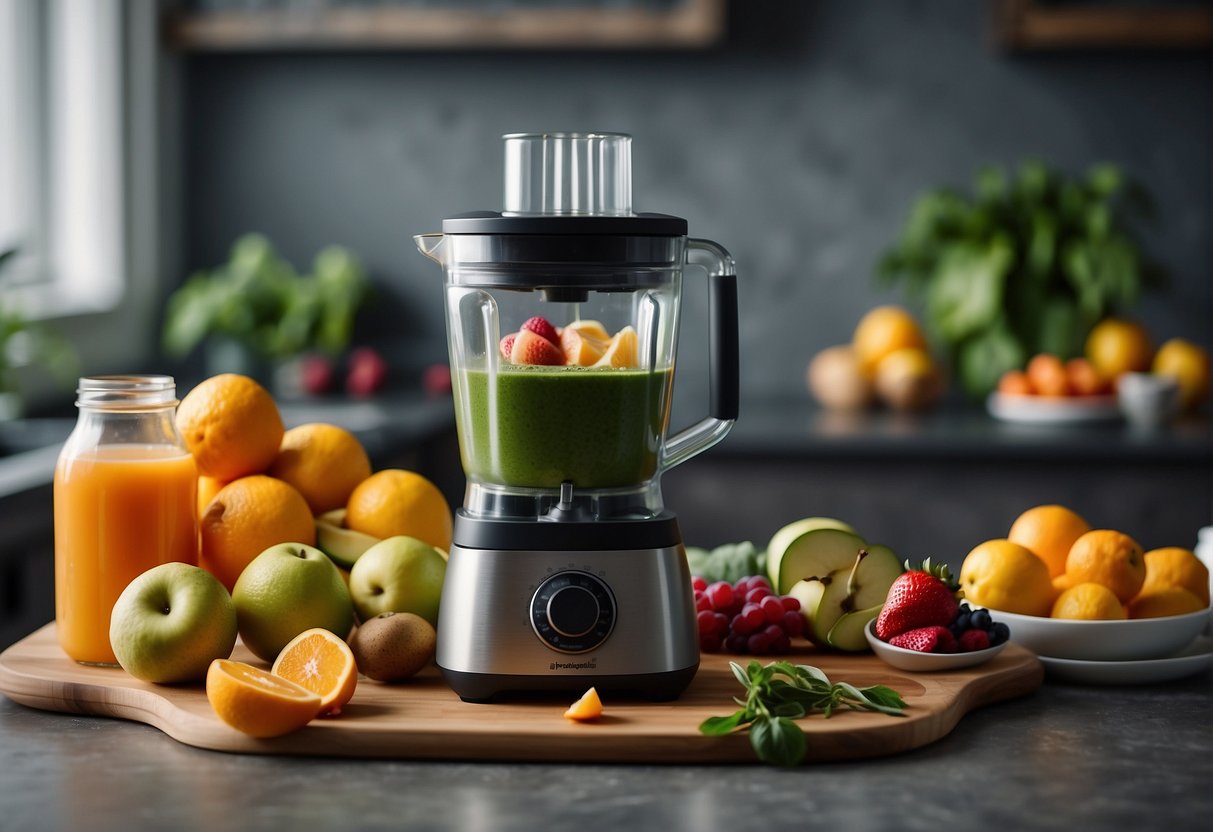
When I’m getting ready to make smoothies, I focus on two main things: freezing my fruits correctly to preserve the nutrients and taste, and knowing a few handy preparation tips to make the smoothie-making process smooth and efficient.
Freezing Fruit Properly
Step 1: Wash and dry the fruit. I make sure each piece is clean and without excess water to prevent ice crystallization.
Step 2: Slice fruits into smaller pieces. I do this because it makes blending easier later on.
Step 3: Arrange the fruit on a baking sheet lined with parchment paper. It’s crucial to ensure that the pieces are not touching, so they freeze individually.
Step 4: Once frozen solid, I promptly transfer the fruit to a resealable bag or airtight container. This helps to minimize freezer burn and keeps the fruit fresh.
Following these steps makes sure I always have quality fruit ready to go for my smoothies.
Smoothie Preparation Tips
Always measure liquid first: I pour in the liquid before adding the fruit, so my blender works less hard, which helps it last longer.
Balance sweet and savory: I remember that frozen fruit tends to be less sweet, so adding a bit of honey can round out the flavors.
Keep a variety of fruit: I like to have a range of frozen fruits on hand to mix and match for dynamic smoothie recipes.
Don’t forget the greens: I usually toss in a handful of spinach or kale for an extra nutrient boost; the fruit masks the green taste beautifully.
Health and Lifestyle Considerations
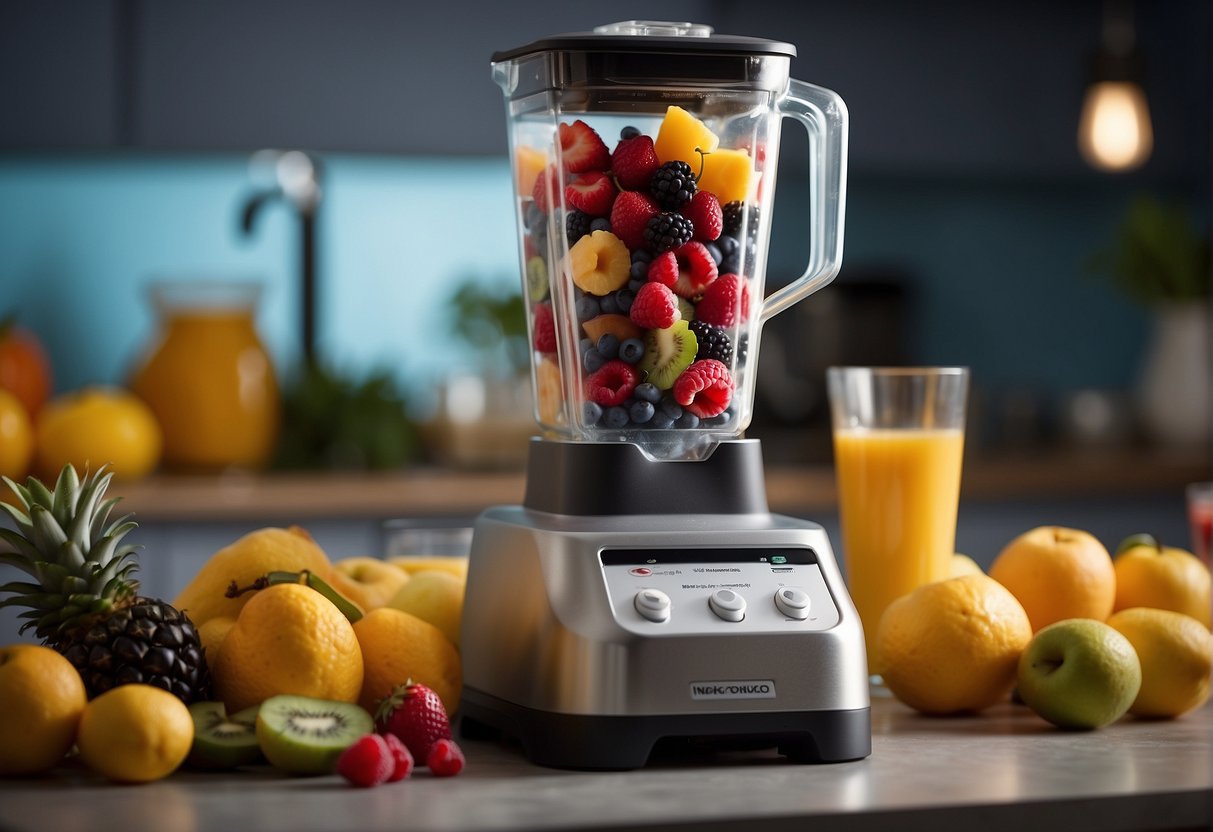
When I think about smoothies, I’m reminded that although they can be a powerhouse of nutrients, keeping an eye on the calories and sugar content is crucial for maintaining a balanced diet.
The Role of Smoothies in a Healthy Diet
For me, smoothies are an excellent way to load up on fruits and veggies. Frozen fruits are just as nutritious as fresh ones, and they can be a convenient and cost-effective option. I make sure that the frozen fruit I use is unsweetened to avoid excess added sugars. This helps me keep my smoothie as healthy as possible.
Having smoothies can contribute to my daily consumption of fiber, especially when I add leafy greens alongside frozen fruit. I find that including a variety of fruits and even some vegetables can give me a nutrient-rich meal with essential vitamins, minerals, and antioxidants.
Managing Calories and Sugar
I always pay attention to the calories I consume, even in liquid form. By choosing my ingredients wisely, I can manage the calorie count without sacrificing taste or nutrition. For instance, using water, coconut water, or unsweetened almond milk instead of juices reduces the calorie content significantly.
Here’s a quick breakdown:
- Base Liquid: Water (0 calories) vs. Orange Juice (approx. 112 calories per cup)
- Natural Sweeteners: 1 tablespoon Honey (64 calories) vs. 1 tablespoon Agave (60 calories)
I also keep track of the fat content when adding ingredients like nuts, seeds, or avocado – all healthy fats, but still something to consider in terms of overall calorie intake.
By being mindful of the ingredients, I can create a smoothie that supports my health goals, whether that’s increasing nutrient intake, managing weight, or simply enjoying a refreshing and tasty beverage.
Advantages of Frozen Fruit
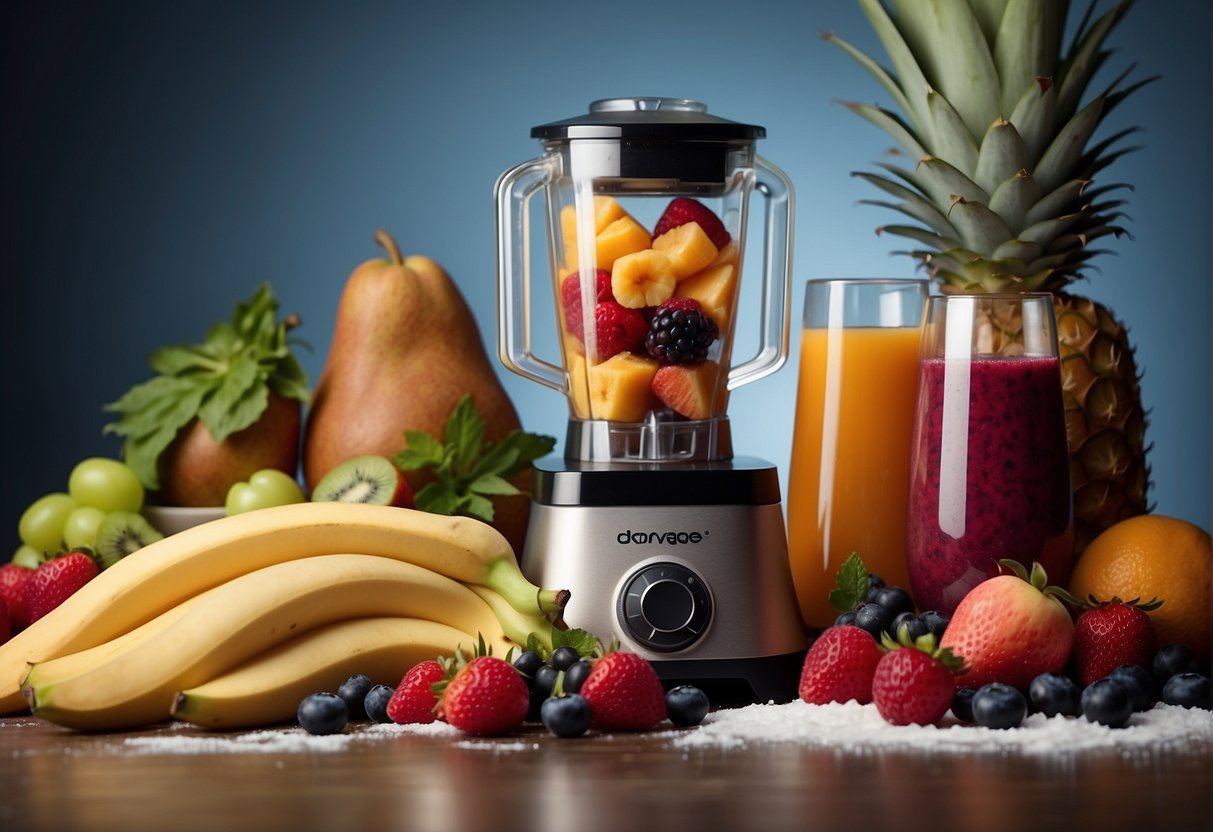
When I look into my blender, the benefits of using frozen fruit are clear. Whether I’m crafting a creamy smoothie or a refreshing summer drink, frozen fruit really ups the game. Here’s why:
Cost-Effectiveness and Accessibility
Frozen fruit can often be cheaper than fresh, especially when considering out-of-season or exotic varieties. I have found berries and tropical fruits at places like Costco, where buying in bulk saves me money without sacrificing quality. Plus, these fruits are available year-round, making my favorite summer smoothie feasible even in the dead of winter.
Reducing Food Waste
Using frozen fruit is a huge win for reducing food waste in my kitchen. Fresh fruit can spoil quickly, which can lead to unintended waste. Freezing is like pressing the pause button, extending the life of the fruit without losing those vital nutrients. Plus, it’s convenient that the frozen food industry has done all the prep work for me; no more tossing out spoiled peaches or moldy strawberries!
Combining Fruits and Vegetables

When I whip up a smoothie, I often toss in both fruits and veggies. It’s a convenient way to pack more nutrients into my diet. Here are a few tips I’ve found helpful:
Go Green: Kale and spinach are my go-to greens because they’re super nutritious and blend well. Both are packed with vitamins and minerals and have a mild flavor that can easily be masked by the sweetness of fruits.
Balance is Key:
- Sweet vs. Savory: If you’ve got a sweet tooth, balance kale’s earthiness with naturally sweet fruits like bananas or mangoes.
- Texture: Some veggies can add creaminess. Avocado, for example, gives smoothies a smooth texture without overpowering the taste.
Freezing Point:
- Using frozen veggies can also be beneficial, as they’re often frozen at peak freshness. This ensures that all those good nutrients are locked in.
Here’s a quick table of my favorite combinations:
| Vegetable | Fruit Pairing | Benefit |
|---|---|---|
| Spinach | Strawberries | Iron and antioxidants |
| Kale | Pineapple | Vitamin K and bromelain |
For a really nutritious punch, I’ll also sprinkle in chia seeds or a scoop of protein powder. Remember, the key to a good smoothie is balance—combining the right fruits and veggies will keep the flavors enjoyable while maximizing health benefits. And yes, using frozen fruit is totally safe, they make the smoothie refreshingly cold and can be more conveniently stored than fresh produce.
Exploring the World of Smoothies
When I dive into the world of smoothies, I’m always amazed by the vast possibilities and combinations that come with using frozen fruit. It’s all about finding that perfect balance of flavors and textures to create not just a drink, but a delightful experience.
Mix and Match Flavor Combinations
In my kitchen, the art of mixing and matching different flavors is like a fun puzzle where every piece fits perfectly. Frozen strawberries? Check. A banana? Got it. Some spinach for good measure? Why not! The possibilities are endless when you start to play around with frozen fruit smoothies. Here’s my go-to equation for success:
- 1 cup frozen fruit (berries, mangoes, etc.)
- 1/2 frozen banana for creaminess
- Liquid base (milk – dairy or plant-based)
- Add-ins (honey, chia seeds, etc.)
Discovering New Recipes
Sticking to tried-and-tested recipes is always a safe bet, but I find a thrill in discovering new recipes. Sometimes fruit smoothies surprise me, especially when I pair flavors I hadn’t considered before. Take for example the unexpected combination of frozen cherries and almond butter, or the tropical twist of frozen pineapple and coconut water. Websites like Simply Healthy Vegan can be real inspiration goldmines for these kinds of discoveries. Each new recipe is a mini-adventure, and every sip takes me to a new destination.
Frequently Asked Questions
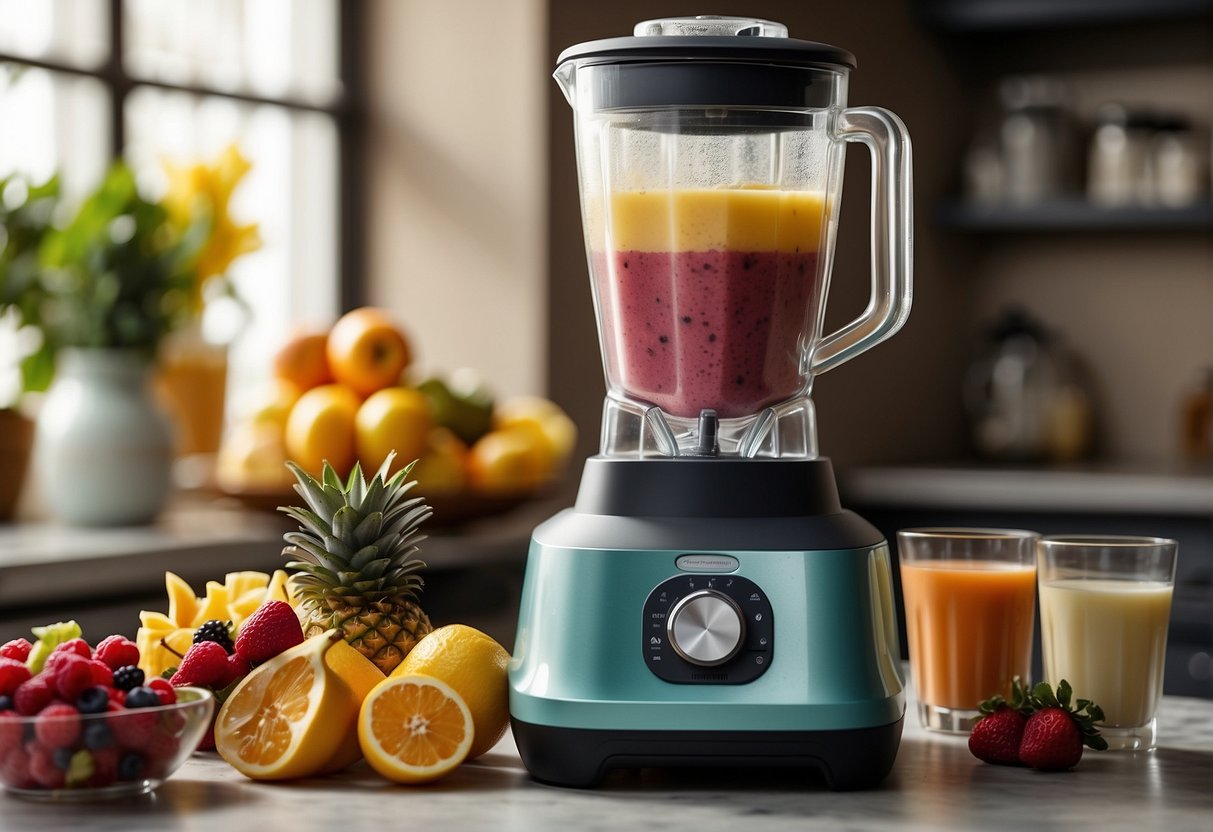
When making smoothies, frozen fruit can be a game-changer for both convenience and texture. Let’s address some common queries about incorporating frozen fruit in your smoothie routine.
What are the top brands of frozen fruit for adding to smoothies?
I’ve found that brands like Dole and Wyman’s offer a great variety of high-quality frozen fruit perfect for smoothies. These companies freeze their fruit at peak ripeness, ensuring you get a burst of flavor and nutrients in every blend.
Are smoothies made with frozen fruit a healthy choice for weight loss?
Sure, smoothies with frozen fruit can be part of a weight loss diet. Just watch your portion sizes and consider the other ingredients you blend in, since they contribute to your smoothie’s overall calorie count.
Can you toss frozen fruit directly into the blender, or should you thaw it first?
Throwing frozen fruit directly into the blender works great—it creates a thicker texture and keeps the smoothie cold. Just make sure your blender is capable of handling frozen items to prevent any damage or poor blending.
Is it ok to use fresh instead of frozen fruit when making a smoothie?
Absolutely! Fresh fruit can also make delightful smoothies. Just note that if you prefer your smoothie chilled, you might want to add ice if you’re not using frozen fruit.
What’s the best way to freeze fresh fruit for later smoothie use?
The ideal method is to spread cut-up fresh fruit in a single layer on a baking sheet, freeze it, and then transfer it to airtight bags. This prevents clumping and preserves the fruit’s freshness and makes it easier to use in smoothies.
Why might you want to avoid using frozen fruit in some cases?
There may be a few reasons to avoid frozen fruit—for instance, if you have a weaker blender that struggles with frozen items or if you’re watching your sugar intake and prefer less ripe fruit, which is often what’s frozen.