
Understanding Bubble Tea
When I sip on bubble tea, I’m enjoying a drink that’s not just a beverage—it’s a global phenomenon with a unique composition. It’s a blend of tea, milk, and the signature tapioca pearls that give it that chewy kick.
Origins and Popularity
Bubble tea started in Taiwan during the 1980s and quickly spread in popularity across the globe. Today, you can find it just about anywhere, from street food markets in Taipei to trendy urban cafes in New York.
Basic Ingredients
At its core, bubble tea includes a few essential components: tea, tapioca pearls, milk, and sugar. The tea—usually black or green—provides a robust base that stands up to the sweet and creamy flavors that come from the milk. Tapioca pearls add a chewy texture to the drink, which is often sweetened with sugar and served over ice to keep it cool.
Nutritional Content
When I look at bubble tea, it’s more than just a tasty treat; there’s a whole nutritional profile to consider. From its calorie count to the types of sugars added, I’ll break down what’s in your cup.
Caloric Value
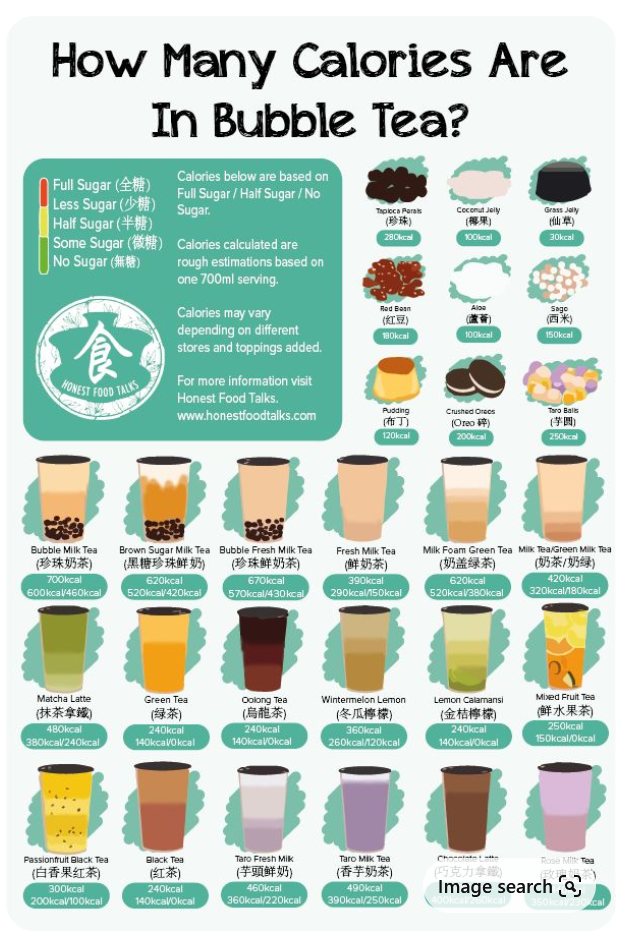
A standard 8-ounce serving of bubble tea typically has around 120 calories, largely from carbohydrates. Different varieties and larger sizes can increase this caloric content significantly.
Macro and Micronutrients
The macro components of bubble tea include carbohydrates and a small amount of fat. A typical serving contains 1.49 grams of fat and 28.01 grams of carbohydrates. As for micronutrients, some types of bubble tea do provide calcium and iron. For example, tapioca pearls add a modest amount of iron to the drink.
Added Sugars and Sweeteners
Bubble tea is often sweetened with sugar, syrups, or sweeteners like honey and brown sugar. These additives can quickly increase the sugar content of the drink. Some shops may offer stevia as a lower-calorie sweetener option.
Alternative Ingredients
To cater to dietary needs or preferences, alternatives such as non-dairy creamer, almond milk, soy milk, or unsweetened coconut milk are available. These options can alter the fat and calorie content, sometimes reducing the overall calorie count depending on the choice.
Health Considerations
Bubble tea, in my experience, is a tasty beverage but not one we should sip without considering its impact on our health. Let’s explore what we’re really sipping on when we enjoy this drink.
Health Benefits
While bubble tea may offer some benefits, they are few. The primary ingredient, tea, is rich in antioxidants and could contribute to my overall antioxidant intake which is beneficial for reducing inflammation and potentially lowering the risk of heart disease. If I opt for green tea as the base, I might gain some metabolism-boosting effects.
Potential Health Risks
On the flip side, bubble tea could be a recipe for health risks if I’m not careful. A standard serving can pack a hefty dose of sugar, and excessive sugar intake is a surefire way to increase my risk of obesity, diabetes, and even heart disease over time. The tapioca pearls, while deliciously chewy, are pure carbs and therefore, not exactly a friend to my nutritional goals. More alarmingly, there have been findings of polychlorinated biphenyls (PCBs) in tapioca pearls, and those chemicals have been linked to cancer.
Special Dietary Needs
For those of us with specific dietary needs, bubble tea could pose some challenges. If I’m lactose intolerant or dairy-sensitive, I’ll need to steer clear of the milk in many bubble teas or opt for lactose-free alternatives. For individuals with a gluten allergy or intolerance, double-checking that the pearls are gluten-free is necessary, as cross-contamination could be a concern. And if I’m managing my weight or sugar intake for diabetes, I’ll definitely want that bubble tea on the “once in a while” list rather than as a regular treat.
Culinary Variations

I find that the culinary variations of bubble tea are as diverse as the locations where it’s served. From the tea base to the toppings, there’s a world of options to craft your perfect bubble tea experience.
Global Flavors and Toppings
In my travels, I’ve noticed bubble tea, often referred to as pearl tea or boba milk tea, comes in a multitude of global flavors. Green tea and black tea are common tea bases, but you might also encounter taro, mango, strawberry, or honeydew—each bringing a distinct taste and color to the table. The chewy tapioca balls are arguably the stars of the show, yet some folks love to switch things up with jelly, including aloe vera or red bean, and even pudding pieces for a unique texture. Juice-filled jellies are also popular, bursting with flavor in every sip.
- Tapioca Variants: Boba pearls, Mini boba, Crystal boba
- Fruit Flavors: Mango, Strawberry, Honeydew
- Jellies: Aloe vera, Rainbow jelly, Grass jelly
Often, I’ll opt for layers of fresh fruit, and sometimes, chia seeds for that extra nutritional punch.
Dairy and Non-Dairy Options
Traditional bubble tea includes dairy milk, but now there are myriad dairy and non-dairy options to cater to all preferences. If I’m going for a creamier texture, whole milk is my go-to. However, for a lighter drink or if I’m accommodating dietary restrictions, coconut milk or soy milk are excellent alternatives.
Here’s a quick rundown of what I’ve used:
- Dairy: Whole milk, Skim milk, Condensed milk
- Non-Dairy: Coconut milk, Soy milk, Almond milk
Every choice plays off the tea’s flavor differently, so I love experimenting to find my favorite combo.
Cultural and Economic Impact

I’ve noticed that bubble tea isn’t just a drink; it’s a cultural phenomenon with significant economic implications. The rise of this Taiwanese drink has affected markets and lifestyles globally, influencing everything from snacking habits in New York to beverage trends in Europe.
Bubble Tea Market Growth
The bubble tea market has been expanding rapidly. Just look at Asia, where it all started – the demand for these sweet, chewy drinks has skyrocketed. In the U.S. and specifically places like New York, walking down the street without spotting a bubble tea shop is becoming increasingly difficult. According to a recent snippet, the industry is expected to grow immensely, reaching a value that reflects its popularity. Even in Europe, where tea culture is historically rich, bubble tea has found a comfortable spot. With its growing presence, it’s evident why many view bubble tea as a significant market force.
- Asia: Origin of the bubble tea phenomenon.
- United States: Adoption and adaptation have led to widespread popularity.
Influence on Lifestyle and Diet
My diet and that of others have been influenced by the availability of bubble tea. It’s become a go-to social beverage, often enjoyed in place of more traditional drinks. However, there’s a conversation to be had about how this fits with dietary guidelines and the risk of obesity. An 8-ounce serving of bubble tea can contain around 120 calories, which calls for moderation in consumption, especially for those mindful of their dietary intake.
As the wave of bubble tea enthusiasm continues to weave through the tapestry of global lifestyle choices, it’s clear that it has shaped not only the drink menus but also the daily habits of many, including Asian Pacific Islanders in the United States and beyond. This Taiwanese treat has left a sweet mark on the world that will likely keep expanding.
Preparation and Consumption Trends
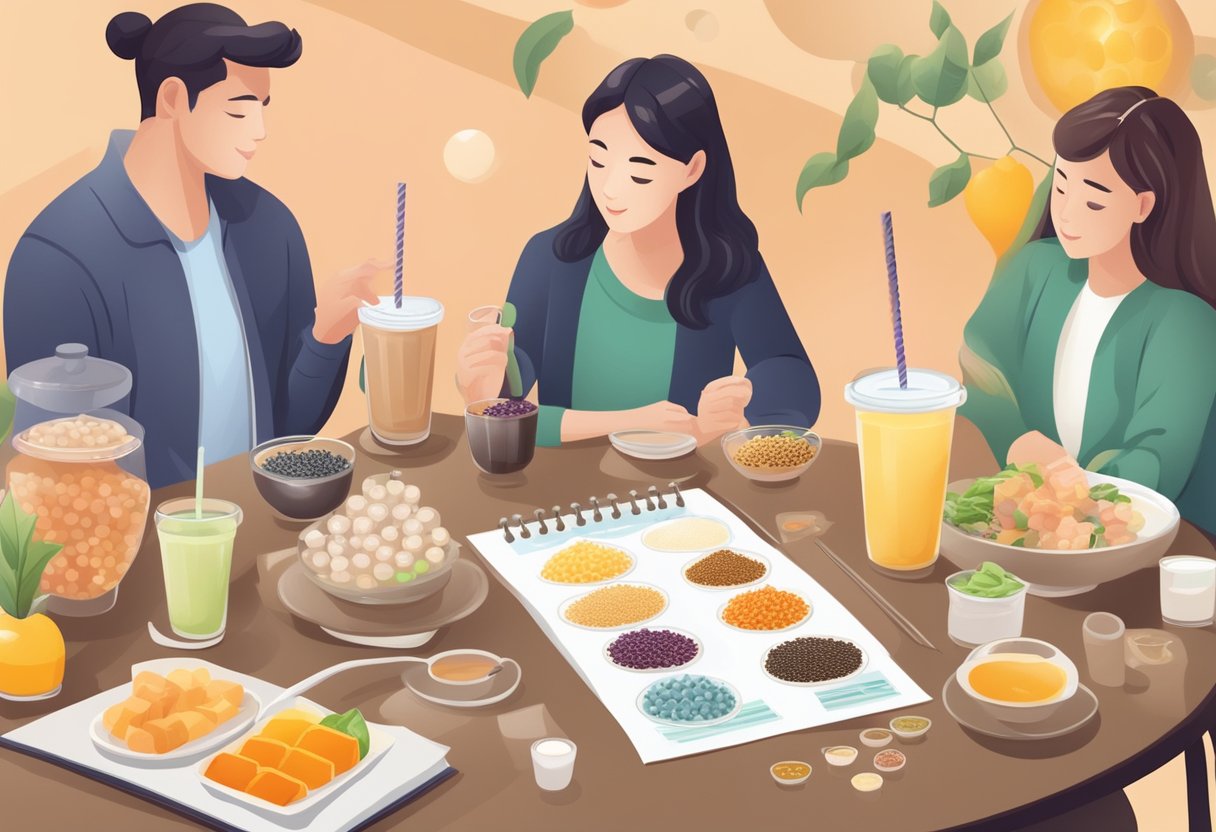
In recent years, bubble tea has transformed from a niche beverage to a global sensation. I’ve noticed that its preparation varies widely, often influenced by cultural preferences and health consciousness.
Home Brewing vs Cafe Experience
When I think about making bubble tea at home, I consider the effort to gather ingredients like the right brewed tea base—be it black, green, or oolong tea—and the tapioca pearls derived from the cassava root. I notice that people are getting creative, using everything from monk fruit as a natural sweetener to condensed milk or various creamers for that creamy texture. Plus, homebrew enthusiasts might choose to follow traditional methods, sticking to authentic flavors and toppings like those found in Asian Pacific Islander communities.
On the other hand, the cafe experience offers something I can’t easily replicate at home. Here, bubble tea is often branded as pearl milk tea or milk tea, and the flavors range from classic to modern twists, incorporating coffee, artificial flavor, or inventive toppings. Quality varies as well—some cafes use freshly brewed tea and cook their tapioca pearls in batches throughout the day, while others might opt for pre-made ingredients. Cafes also tend to offer a wide range of sweeteners and non-dairy creamer options for lactose-intolerant folks like my friends.
I’ve seen that with the rise in health awareness, cafes and home brewers alike are exploring healthier alternatives, such as using syrups derived from cassava or other natural sources. Whatever the preference, bubble tea’s versatility continues to endear it to a wide audience, and I’m always fascinated by the diverse ways in which it can be prepared and enjoyed.
Environmental and Social Factors
When I sip on bubble tea, I can’t help but consider the impact it has beyond my taste buds. I think about its journey from production to consumption and the associated social and environmental entailments.
Sustainability of Production
It’s clear that the sustainability of bubble tea begins with its ingredients. Cassava, a tropical plant from which tapioca pearls are made, plays a big role. This plant has both perks and drawbacks. On the plus side, cassava can grow in marginal soils where other crops might not thrive. Yet, the growing demand for bubble tea raises questions about sustainable farming practices and the potential overuse of resources. In fact, the environmental impact of boba tea can’t be ignored, especially considering the effects of single-use plastic cups and straws on our planet.
Health Food Trend Influence
Bubble tea has hitched a ride on the health food trend, despite its nutritional content which is often low in calories but high in sugar. Some bubble tea shops are now offering options featuring herbal teas packed with polyphenols — compounds that can benefit health. I’ve noticed more places using natural sweeteners and offering an array of wholesome toppings to cater to the health-conscious crowd. The challenge here is balancing indulgence with wellness, turning a trendy treat into a beverage that’s better for me and the environment. A look into whether bubble tea is sustainable or not has sparked quite the debate within the community.
With these considerations in mind, I am encouraged to make informed choices that align with my values, both for my health and the earth’s wellbeing.
Frequently Asked Questions
Bubble tea’s delicious taste can be a delight, but I know there are important health considerations that come with it. Let’s dive into some FAQs to shed light on its place in a health-conscious diet.
What’s the calorie count in a typical bubble tea?
In a standard bubble tea, calorie count can start at around 430 calories and can climb up to over 600 calories with added cream and sugar.
Can sipping on boba tea aid in weight loss?
Given its high sugar and calorie content, bubble tea is not typically associated with weight loss. Regular consumption might actually impede weight loss efforts due to the excess calories.
Are there any health benefits to drinking boba with fruit?
When made with actual fruit, bubble tea can have additional vitamins and antioxidants. However, this is dependent on the tea including real fruit as opposed to artificial flavors and sweeteners.
Does boba make a good dietary fiber source, or could it cause digestion issues?
The tapioca pearls in boba are mostly carbohydrates and provide little to no dietary fiber, making it unlikely to aid digestion. Excess consumption may lead to digestive issues due to the high sugar content.
How does bubble tea fit into a healthy diet—treat or cheat?
Bubble tea should be regarded as an occasional treat rather than a staple due to its high sugar and calorie content. Moderation is key in a balanced diet.
Just how sugary is an average serving of bubble tea?
A typical serving of bubble tea can contain around 28 grams of sugar, which is quite high, especially when compared to dietary guidelines that suggest limiting added sugars.