
Health Benefits of Avocado Smoothies
When I whip up an avocado smoothie, I’m not just thinking about the creamy texture; I’m also considering the health benefits. Avocados are loaded with healthy fats, particularly monounsaturated fat, which aids in nutrient absorption and can help keep my digestion on track.
Here’s what’s amazing about adding these green beauties to my smoothie:
- Fiber: A single avocado has about 13 grams of fiber, which is a boon for maintaining regular bowel movements.
- Nutrients: We’re talking a substantial list, including vitamins like K, C, E, B5, B6, and minerals such as magnesium and potassium—essential for overall gut health.
- Digestion: The fiber and fats in avocados can aid in smoothing out my digestive process, staving off constipation.
I’ve learned that a balanced diet, rich in vitamins and minerals, contributes to a well-functioning digestive system. By incorporating avocados in my smoothies, it’s not just a treat for my taste buds but a boost for my digestive health as well. Plus, avocados are a brilliant way to add creaminess without dairy, ideal for those with lactose intolerance or if I’m just trying to cut down on dairy.
Sometimes, I’ll even toss in a spoonful of a probiotic-rich food like kefir or a dash of probiotic powder to amp up the gut health benefits even further. It’s like a win-win situation in a glass — I get to enjoy a delicious smoothie while my body reaps the digestive rewards.
Managing Constipation with Dietary Choices

When I’m looking to manage constipation, I focus on adjusting my diet to incorporate more fiber and fluids, and I ensure to keep my body moving.
Foods to Alleviate Constipation
To relieve constipation, it’s important to eat a variety of fiber-rich foods. Here’s my go-to list:
- Fruits: like apples, pears, kiwi, berries, and especially prunes — the natural laxatives.
- Vegetables: think leafy greens, which are not only fiber-packed but also nutrient-dense.
- Whole Grains: oats and barley are at the top of my list for maintaining regularity.
Including healthy fats in my diet, such as those found in avocados, is also beneficial due to their omega-3 fatty acids, which support the overall health of the digestive tract.
Importance of Hydration
Hydration is key. Drinking enough water is vital for softening stools and helping fibers do their job. I aim for about 8 glasses of water a day, but I listen to my body and adjust if I need to, especially when I increase my fiber intake.
Exercise and Its Role in Digestive Health
Regular physical activity also contributes significantly to my digestive health. It doesn’t have to be intense; even daily walks can stimulate the muscles in my colon, enhancing digestive movement. As a result, my energy levels improve, and more importantly, it helps me maintain regular bowel movements, reducing the chances of bloating and discomfort.
By focusing on these aspects of my lifestyle, I find managing constipation becomes much more straightforward, and it definitely makes me feel a whole lot better.
Delicious Avocado Smoothie Recipes
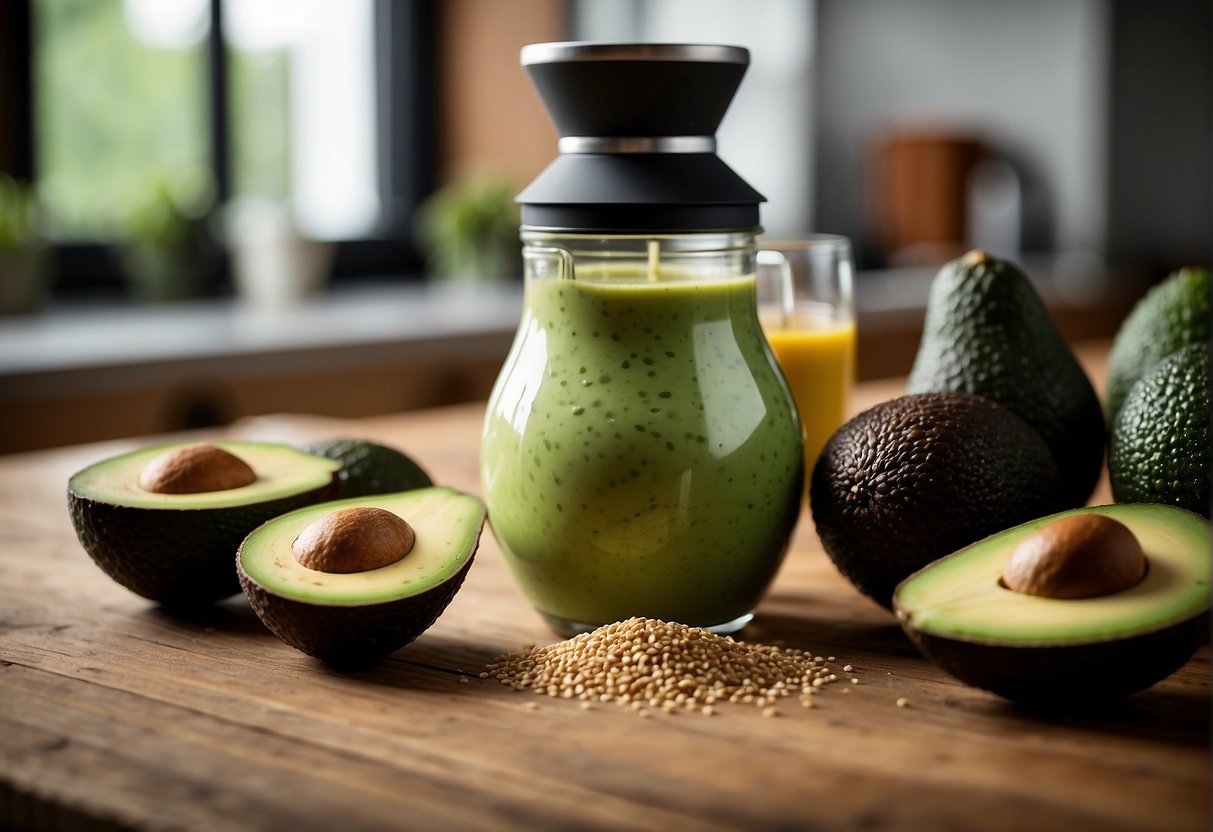
I find that incorporating avocado into smoothies not only enhances their creaminess but also boosts their fiber content, making them an excellent choice for constipation relief.
Classic Avocado Smoothie
For a straightforward and creamy avocado smoothie, I combine ripe avocado with banana, which offers additional fiber and a natural sweetness. I then add a bit of honey for sweetness, though this is optional and to taste. To get the smoothie to the right consistency, almond milk is my go-to liquid because it’s light and complements the flavors well without overpowering them. Here’s a quick breakdown:
- Avocado: Just half an avocado will do.
- Banana: One whole banana adds creaminess and fiber.
- Honey: A tablespoon for natural sweetness (optional).
- Almond milk: About one cup or as needed for preferred thickness.
I simply blend all these ingredients until smooth, and the result is a rich, velvety smoothie.
Green Avocado Smoothie Variations
When I’m feeling adventurous, I like to play around with variations of green avocado smoothies. The base of my green smoothie is usually spinach or kale, which are packed with nutrients. To this, I add half an avocado for creaminess and fiber. Sometimes I’ll throw in a slice of ginger or a splash of lemon juice for an invigorating twist. Seeds like chia or flaxseed are super additions for an extra dose of fiber and can help with digestive regularity.
For a refreshing variation, I might blend in cucumber, which adds a hydrating element. Here’s a simple green smoothie recipe I love:
- Half an avocado: For that creamy texture and fiber boost.
- A handful of spinach or kale: For greens and nutrients.
- Chia seeds or flaxseed: A tablespoon for fiber and texture.
- Ginger: A small piece for zing.
- Lemon juice: A squeeze for a bright flavor.
- Cucumber: A few slices for extra hydration.
- Water or almond milk: Depending on the consistency you like.
I blend everything until smooth, adjusting the liquid if necessary. It’s a zesty, nutrient-packed drink that makes me feel good from the inside out.
Incorporating Smoothies into Your Diet

When I look to add smoothies to my diet, nutrition is key. Here’s how I make sure my smoothies serve me best, especially when I’m targeting something specific like easing constipation:
-
Packing in the Fiber: I toss high-fiber fruits like berries, apples, and pears into the blender. Adding a spoonful of chia seeds or flaxseed is a smart move, as they’re stellar at boosting that fiber count.
-
Balancing with Healthy Fats: Avocado or a splash of flaxseed oil can contribute healthy fats to my smoothie. Not only do these fats help with bowel regularity, but they also keep me satisfied for longer.
-
Protein Power: A scoop of protein powder or a dollop of Greek yogurt can turn any smoothie into a protein-rich meal. It’s crucial for muscle repair and weight management, and it adds to the smoothie’s creaminess.
-
Complex Carbs: I sometimes add a handful of oats for a dose of carbohydrates. They provide energy and fiber, making them ideal for my breakfast smoothie.
Crafting the perfect meal plan for myself involves considering how a smoothie fits into my overall dietary patterns. If I need a quick breakfast, a well-balanced smoothie can be a complete meal. Here’s an easy guide to ensure my smoothies are both nutritious and helpful for constipation:
| Ingredient | Benefit |
|---|---|
| Fiber-rich fruits | Promotes digestion and adds bulk |
| Healthy fats | Satisfies hunger and assists regularity |
| Protein | Supports muscle health and satiety |
| Carbohydrates | Fuels the body and provides energy |
I’ve found that keeping an eye on weight management while incorporating smoothies also means being mindful of portion sizes and sweetness levels. Honey or a dash of maple syrup can add sweetness without overdoing the sugar.
Remember, my goal with smoothies is to enhance my diet, not overwhelm it. Balancing taste with nutritional needs makes my smoothie routine not just strategic for my digestive health, but also a delightful part of my day.
Understanding the Role of Fiber
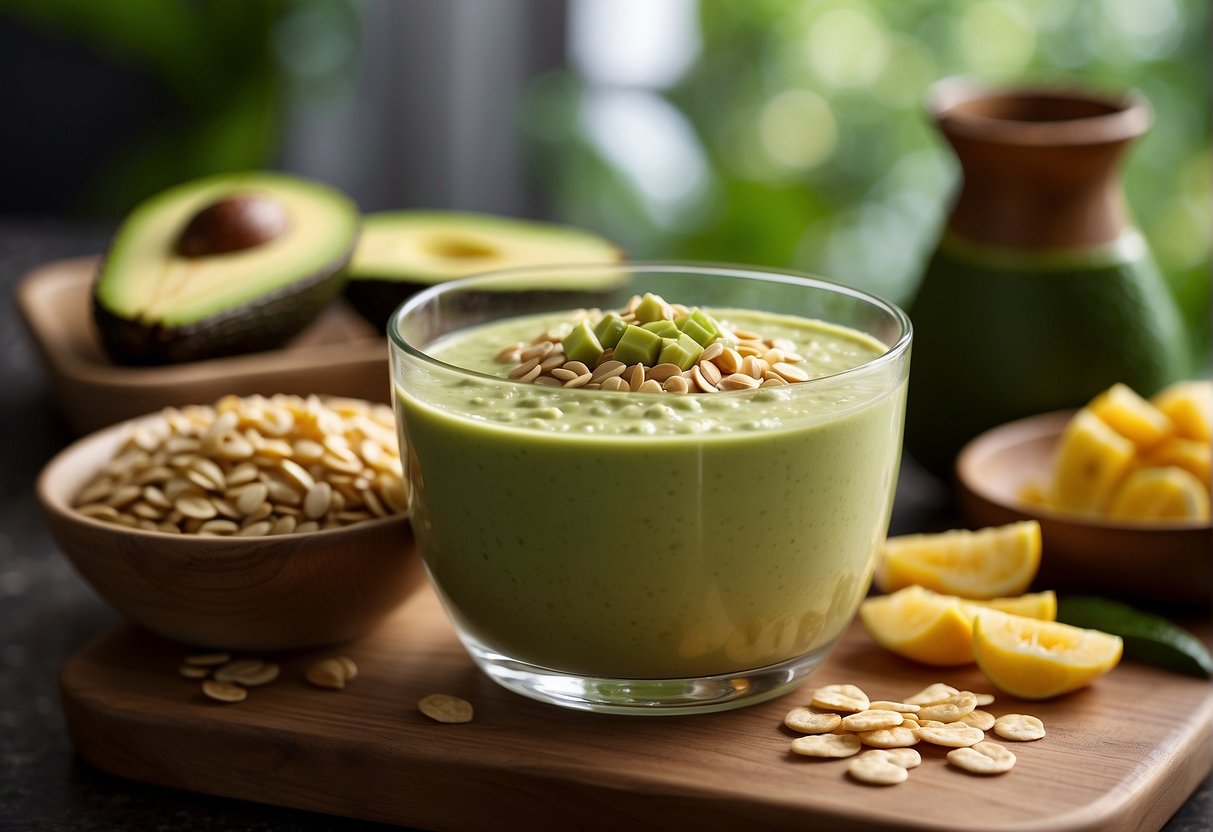
When dealing with constipation, my diet plays a crucial role and specific types of fiber are key to my digestive health. Let’s break down how two kinds of fiber function and why certain high-fiber foods are excellent for smoothies aiming to ease constipation.
Soluble vs. Insoluble Fiber
I’m sure you’ve heard about soluble and insoluble fiber, but here’s how they differ: Soluble fiber dissolves in water forming a gel-like substance, which helps to soften stools. It’s great because it can help with smoothing out my digestion, reducing those chances of bloating and ensuring I maintain regular bowel movements. On the other hand, insoluble fiber doesn’t dissolve in water. It adds bulk to my stool, which can help it pass more quickly and easily. Both are important for preventing and alleviating constipation.
Foods offering soluble fiber include:
- Legumes like beans and lentils
- Oatmeal
- Nuts and seeds such as chia seeds and flax seeds
- Some fruits like bananas and apples
Foods rich in insoluble fiber include:
- Whole grains and whole wheat bread
- Berries
- Vegetables like carrots and tomatoes
- Avocados (Yes, they contain insoluble fiber too!)
High-Fiber Foods for Smoothies
Smoothies are a delicious way to increase my fiber intake, especially when I’m not thrilled about munching on a heap of veggies. I focus on including a mix of both types of fiber to reap all the health benefits. Here’s my go-to list of high-fiber foods that are perfect for blending into smoothies:
- Berries: Strawberries, blueberries, and raspberries offer a sweet kick of fiber.
- Bananas: A staple in smoothies that lends creaminess and a dose of soluble fiber.
- Apples: A great source of soluble fiber, and they blend well with practically any flavor.
- Avocado: Besides the smooth texture and healthy fats, avocados up the fiber content.
- Chia seeds and flax seeds: Both are fiber powerhouses and give smoothies a nutritional boost.
- Legumes: Unique, but chickpeas can be added to smoothies for protein and fiber.
- Oatmeal: Not just for breakfast bowls; it thickens smoothies and adds soluble fiber.
Adding these foods to my smoothies ensures I’m on the right track to alleviating constipation while enjoying a tasty treat.
Frequently Asked Questions
In crafting smoothies to tackle constipation, I’m often asked which ingredients work best and why. Let’s address some of those curiosities here.
What ingredients make a smoothie effective for relieving constipation?
The key to a constipation-relieving smoothie is fiber. Ingredients like berries, bananas, and kiwis are excellent because of their high fiber content. Boosting fiber can be done by adding chia seeds or flaxseed, both known for their laxative properties.
Can a banana blend help alleviate constipation symptoms?
Yes, bananas are a tasty and effective option for easing constipation. They’re rich in fiber, especially when they’re a bit green. This helps to regulate digestion and stimulate bowel movements.
How does fiber in smoothies assist with digestive issues?
Fiber adds bulk to the stool and helps it pass more quickly and easily through the intestines. It’s the key player in my digestive health-focused smoothies, which is why I load them with fiber-rich fruits, veggies, and grains.
Are there any quick-acting smoothie recipes for constipation relief?
Yes, some smoothie recipes include ingredients known for their fast-acting relief, such as prunes or aloe vera juice. For instance, a smoothie with apples, pears, and oats can be particularly effective.
What are the benefits of including spinach in a smoothie for digestive health?
Spinach is a powerhouse of digestive health. It’s packed with fiber and magnesium, both of which can aid in digestion and alleviate constipation. Spinach also adds a mild taste that pairs well with various fruits in a smoothie.
What types of juice boosters can enhance a smoothie’s effectiveness against constipation?
Juices that are high in fiber and have natural laxative properties, like prune or apple juice, can give smoothies an extra punch. They also hydrate the body, which is crucial when dealing with constipation. You can check out recipes that include such juices for more inspiration.