
Health Benefits of Frozen Spinach in Smoothies
When I toss frozen spinach into my smoothie, I’m not just making it greener. I’m also packing it with a solid nutritional punch that can benefit my overall health. Frozen spinach is a champion of nutrients, being low in calories and high in vitamins and minerals.
First thing’s first, it’s a fantastic way to get my fiber hit first thing in the morning. Dietary fiber is great for digestive health, and getting it from spinach is easy and tasty. Plus, ever heard of iron? Yep, spinach has got it. It’s especially important for keeping my energy levels up and supporting my body’s ability to transport oxygen.
Here’s a quick rundown of what else I’m getting:
- Vitamin A: Amazing for my skin and eyes.
- Calcium: Not just in dairy, folks – it helps my bones stay strong.
- Potassium: A must for muscle function.
- Magnesium: Key for managing my energy levels and keeping my muscles and nerves in check.
On top of that, here’s a little secret: antioxidants. Spinach has them in spades. They’re like my body’s personal little army, fighting off those pesky free radicals that can do a number on my cells.
So, why frozen? It’s about convenience and sometimes, it’s even more nutritious than its fresh counterpart. How? Because it’s usually frozen soon after being picked, so it keeps its nutritional value on lock.
Sure, fresh spinach is great and all, but in my smoothie, frozen spinach makes for a thick and creamy texture. It’s an easy, delicious way to boost my nutrients intake without any hassle.
Comparing Fresh vs Frozen Spinach

When I toss spinach into my blender for a smoothie, I often wonder about the nutrient content of fresh vs frozen spinach. So, here’s what I’ve found out:
Fresh Spinach:
- Texture: It’s crisper and works great when I want a bit of a bite in salads, but that’s less important for smoothies.
- Flavor: Fresh spinach has a more vibrant, slightly bitter taste that can be a pleasant addition to my smoothie.
- Nutritional Benefits: I get all the vitamins and minerals without any loss due to processing. Plus, the bright green color tells me it’s full of good stuff.
Frozen Spinach:
- Texture: Frozen spinach is blanched before freezing, so it tends to be wilted, which doesn’t matter in my smoothie.
- Flavor: It’s a bit duller compared to fresh, but honestly, it’s hard to tell the difference once I blend it with other ingredients.
- Nutritional Benefits: Freezing preserves most nutrients, and sometimes it’s even more nutrient-dense since it’s frozen at peak ripeness.
Here’s how I see it: for smoothies, both fresh and frozen spinach are safe choices. Frozen can be more convenient and sometimes cheaper, making it a great option when I’m looking to save time and money. Fresh spinach gives me the freshest taste and texture, which I prefer when they’re in season and I can grab them from my local market.
Creating the Perfect Spinach Smoothie

When I make a spinach smoothie, my goal is always to blend taste with nutrition. Let me guide you through choosing your ingredients wisely to create a smoothie that’s not just healthy but also delicious.
Base Ingredients for Smoothies
For the base of the smoothie, I usually go for a liquid like almond milk, soy milk, oat milk, or coconut water. These liquids contribute to the creamy texture of the smoothie without overpowering the other flavors.
- Almond milk: 1 cup
- Coconut water: 1 cup
Fruit Combinations for Taste and Nutrients
I love adding fruits like banana, mango, or pineapple for natural sweetness and a boost of vitamins. Berries and apples are also excellent for their antioxidant properties. Here’s a simple combination for starters:
- Banana: 1 medium (sliced and frozen)
- Mango: 1/2 cup (chunks)
- Pineapple: 1/2 cup (chunks)
Adding Proteins and Fats
To make the smoothie more filling, I add a scoop of protein powder, some Greek yogurt, or a tablespoon of nut butter like almond butter. This not only adds protein but good fats, too.
- Protein powder: 1 scoop
- Greek yogurt: 1/2 cup
Enhancing Flavor and Nutrition
To enhance the flavor and up the health quotient, I sprinkle in some chia seeds, honey, or a pinch of cinnamon. Lime juice is also great for a tart kick.
- Honey: 1 tablespoon
- Chia seeds: 1 tablespoon
Texture Adjustments
If you want your spinach smoothie to be creamier, frozen fruit or a piece of avocado does the trick. A frozen banana can really amp up the creaminess. For a thinner consistency, just add more of your chosen liquid.
Dietary Considerations
For those who are dairy-free or vegan, opting for non-dairy milk like coconut milk, almond milk, or soy milk is ideal. To ensure the smoothie is gluten-free, I make sure any added protein powders or supplements are certified gluten-free.
- Coconut milk: 1 cup (for vegan option)
Recommended Ratios and Measurements
My rule of thumb for a well-balanced spinach smoothie is to use about 1-2 cups of leafy greens, a cup of liquid, a cup of fruit, and a choice of protein and fat. Here’s a quick reference:
- Spinach: 1-2 cups (packed)
- Liquid: 1 cup
- Fruit: 1 cup
- Protein/Fat: 1 serving
Stick to these ratios and you’ll whip up a healthy smoothie in just about 5 minutes. For a single serving size, this recipe should yield approximately 250-300 kcal, give or take depending on your specific ingredients.
Safety and Storage Tips for Frozen Spinach
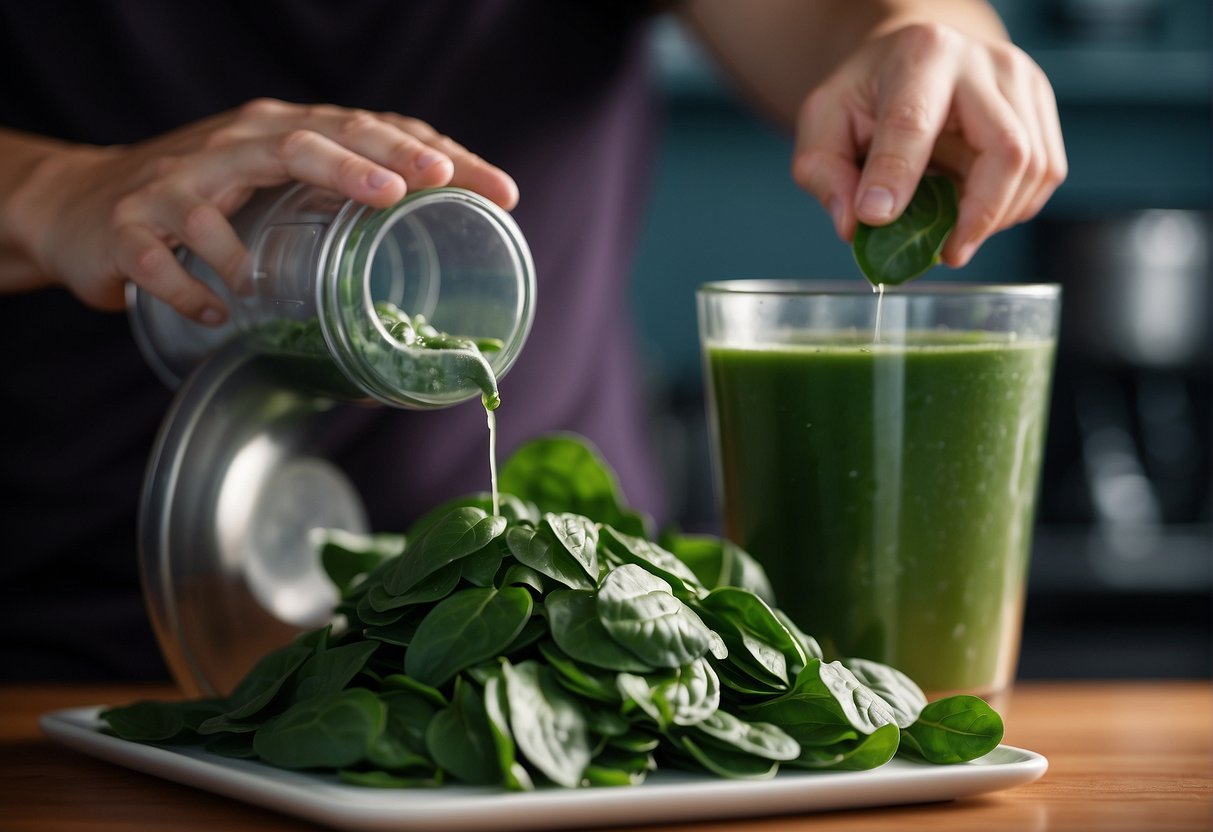
Before I dive into the deep freeze of frozen spinach, let’s highlight a few icy points: keeping your leafy greens safe involves proper freezing, diligent handling, and understanding the timeline for optimal freshness.
Freezing and Defrosting Spinach
When I freeze spinach, I like to use the blanching method; it preserves the color, flavor, and health benefits. Here’s my quick table for blanching and freezing:
| Step | Description |
|---|---|
| 1. Blanching | Boil leaves for 2 minutes, then plunge into ice water |
| 2. Draining | Remove excess water with a salad spinner or towel |
| 3. Portioning | Pack spinach in mason jars or freezer bags |
| 4. Freezing | Date the containers and freeze |
To thaw frozen spinach, I don’t wait forever. I either defrost it overnight in the refrigerator or pop it into the microwave for a quicker route. Just remember to drain any excess water.
Handling and Hygiene Practices
My momma taught me one thing: cleanliness is next to healthiness. So, when handling spinach, I’m pretty strict. I clean all surfaces and utensils with soapy water before and after prep. If I’ve bought pre-washed frozen spinach, that’s a skip in the process. But for the farm-fresh variety, I wash the leaves thoroughly to remove any dirt or contaminants.
Understanding Shelf Life and Freshness
Gotta keep an eye on the shelf life of frozen spinach to make sure I’m not compromising safety. Generally, I’ve found it to be a trusty resident in my freezer for up to 8 months. Beyond that, it could start losing its edge—think diminished flavor, fiber, and nutrients. When using it, I sniff test and look out for freezer burn. Any leftovers after thawing should head straight to the refrigerator, and I use them within a couple of days for best taste and benefits.
Customizing Spinach Smoothies to Taste

When I’m in the mood for something green and nutritious, I whip up a spinach smoothie. But I know the taste of spinach can be a bit bland for some folks, so here’s how I jazz it up to suit personal preference.
First off, spinach has this vibrant green color that screams health. To enhance the natural flavor without overpowering it, I might add different ingredients like:
- Fruit: Banana or mango for sweetness
- Berries: Strawberries or blueberries for tang and antioxidants
- Citrus: A squeeze of lemon or lime for some zing
If I’m looking for something creamier, I often toss in half an avocado. Yup, it changes the texture to this kind of silky-smooth bliss that’s still really delicious.
Here’s a quick list of flavor combos I’ve tried:
- Apple & Cinnamon: Gives it a pie-like vibe
- Peanut Butter & Banana: Like a dessert, but you know, healthier
- Pineapple & Coconut: A tropical twist that’s super refreshing
And if I’m feeling fancy, I’ll throw in some herbs. Mint or basil can make a smoothie feel like a gourmet treat. Trust me, nobody’s thinking about spinach when there’s a hint of mint playing on their tongue.
Bottom line, I play around with flavors until I hit that sweet spot where health meets delicious. After all, the best spinach smoothie is the one I’ll actually enjoy drinking.
Incorporating Spinach into Diet Plans
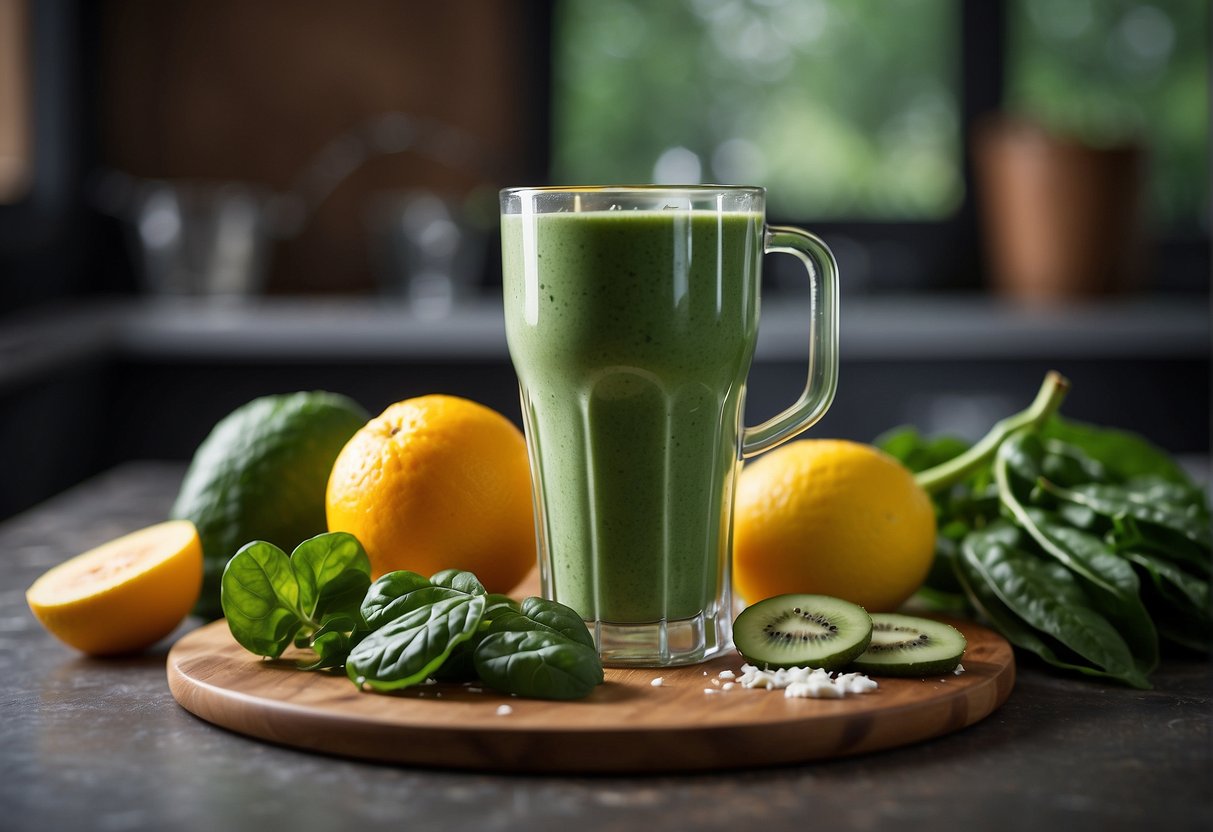
When I’m crafting my diet plan, I prioritize both nutrition and convenience, which is why frozen spinach is my go-to for smoothies. It’s chock-full of nutrients like calcium and vitamin C, without the hassle of prepping fresh veggies every day.
Here’s how I make it work:
-
Morning Boost: I blend frozen spinach with some fruit for breakfast. This not only helps with weight management by starting my day with a low-calorie, nutritious punch but also keeps me full til lunch.
-
Post-Workout: For recovery, I toss in frozen spinach to my protein shakes. It provides crucial nutrients and a bit of natural calcium, which is great for bone health.
-
Dinner Prep: Sometimes, I sneak frozen spinach into sauces or stews. With its versatility, it’s effortless to increase my vitamin C intake.
My trick to keeping it palatable is combining spinach with flavorful companions like citrus fruits or ginger in smoothies. This masks any blandness and keeps me excited about my nutritious choices. Plus, the cost-effectiveness and longer shelf life of frozen spinach mean my green smoothie regimen is sustainable long-term.
I’ve found that incorporating frozen spinach into my diet helps not just with health goals but also with maintaining a balanced and budget-friendly diet plan.
Additional Ingredients for Variation
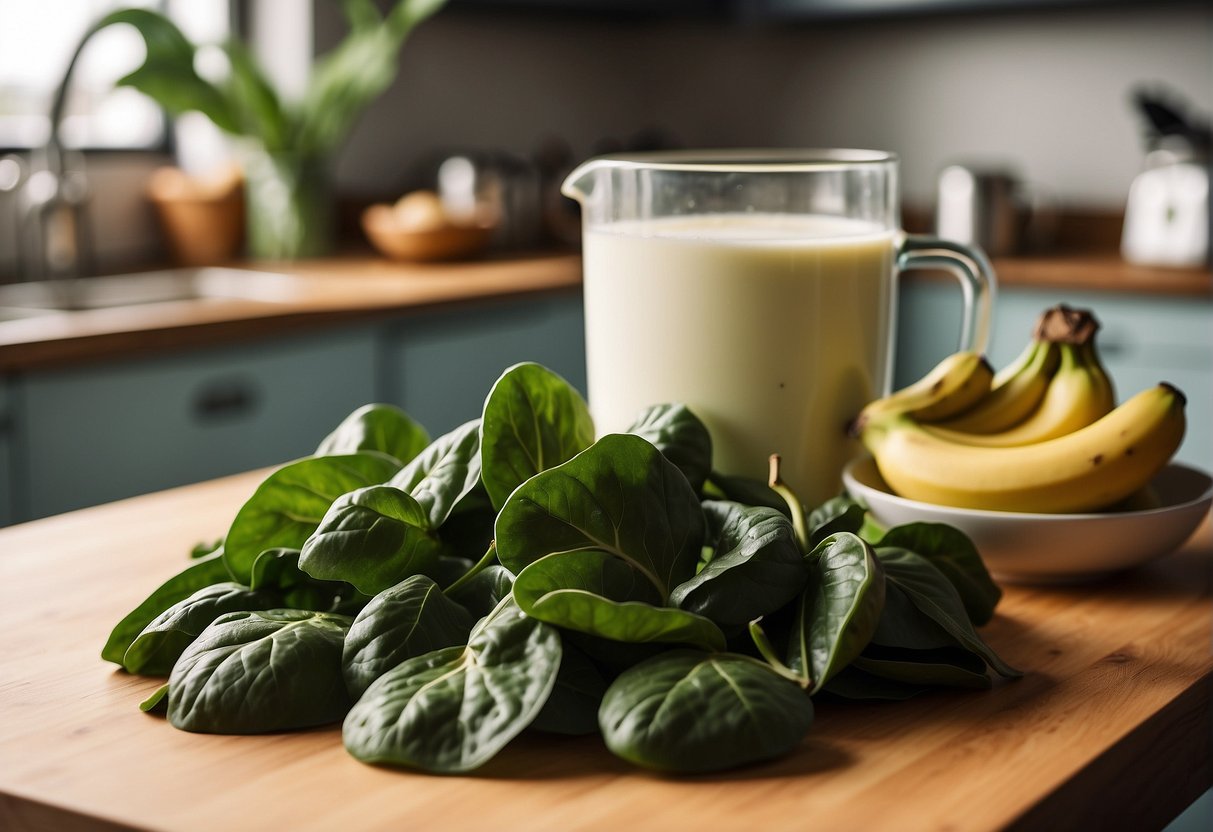
When I mix up my frozen spinach smoothies, I love getting creative with the add-ins. Here’s a list of some awesome ingredients that pair well and keep things interesting:
- Kale: This powerhouse green adds a nutrient blast to the smoothie. Its robust flavor complements the spinach wonderfully.
- Cucumber: For a refreshing twist and hydration boost, I toss in some cucumber. It’s light and perfect for those hot days.
- Celery: Adding celery gives a subtle salty hint and increases the smoothie’s fiber content, which I find great for digestion.
- Leafy Greens: Sometimes, I like to mix different leafy greens like romaine or Swiss chard with my spinach for a varied nutrient profile.
Besides greens, I incorporate:
| Vegetable | Benefits |
|---|---|
| Sweet Potatoes | Creaminess plus a sweet, earthy tone |
| Carrots | Natural sweetness and vibrant color |
| Cauliflower | Thickens the smoothie without a strong flavor |
When I choose ingredients, my goal is balancing taste with health benefits. A dash of sweetness or a hint of freshness can elevate a simple spinach smoothie to a delicious nutrient-packed meal. Remember, the key is to experiment and find what blends work best for you!
Equipment for Making Smoothies
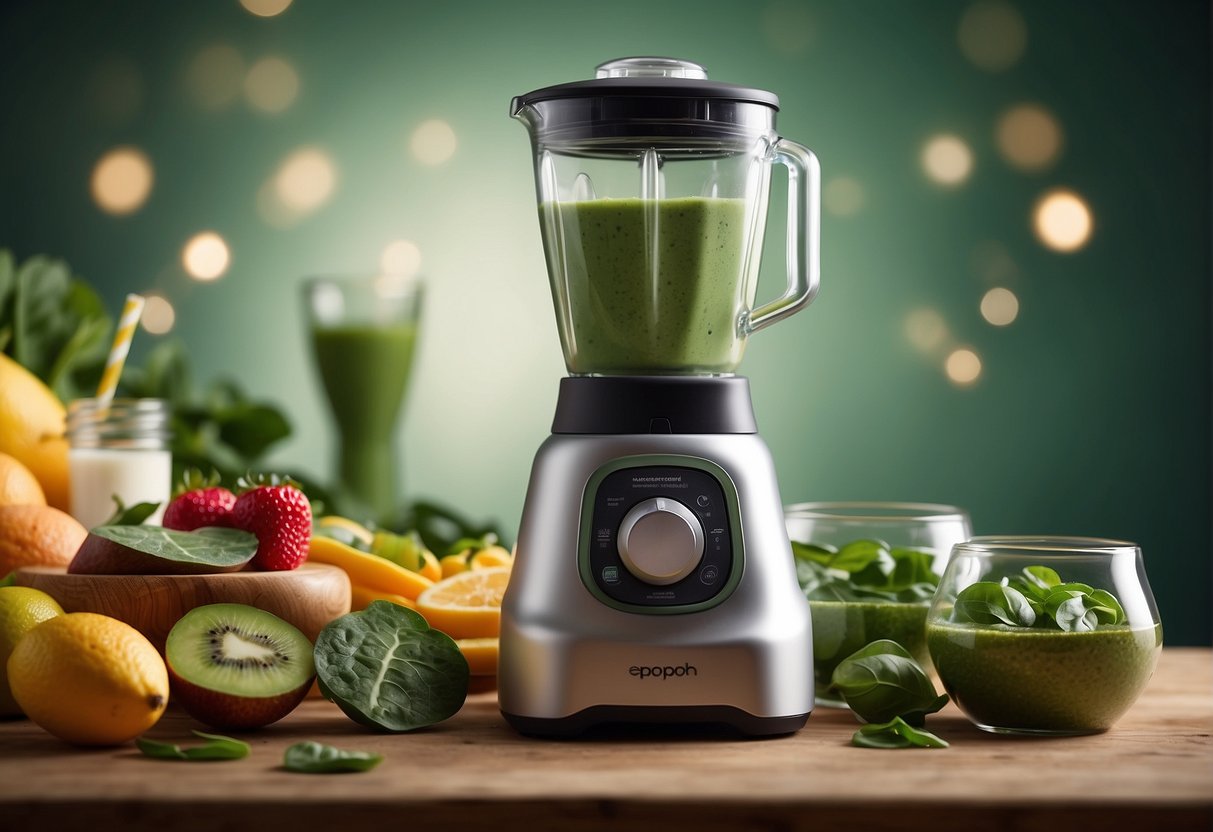
When I’m in the mood for a smoothie, particularly ones with frozen spinach, I make sure my powerful blender is at the ready. Trust me, you want a blender that can handle those ice-cold chunks without flinching. If your blender isn’t up to the task, you’ll end up with a chunky mess, and that’s no good.
Must-Have Tools:
- Blender: The real MVP. Make sure it’s got a strong motor and sharp blades.
- Measuring cups and spoons: For getting those portions just right.
- A spatula: Sometimes, stuff gets stuck to the sides. This helps.
Nice-to-Have Extras:
- Tamper: Helps push ingredients down without stopping the blender.
- Mason jars or cups: I like to drink my smoothie from a mason jar, but any cup will do.
Tip: Before buying a blender, I checked out some that crush ice and frozen fruit with ease—a must for smooth smoothies.
Lastly, don’t forget the simple kitchen tools like a good ol’ chopping board and a sharp knife. If you’re adding fresh ingredients, they’ll come in handy. Prep is an essential step, even when things are going to end up all blended together.
That’s pretty much all I use. While some folks might like to get fancy with their smoothie setups, I find that keeping it simple works best for me. Happy blending!
Visual and Nutritional Appeal
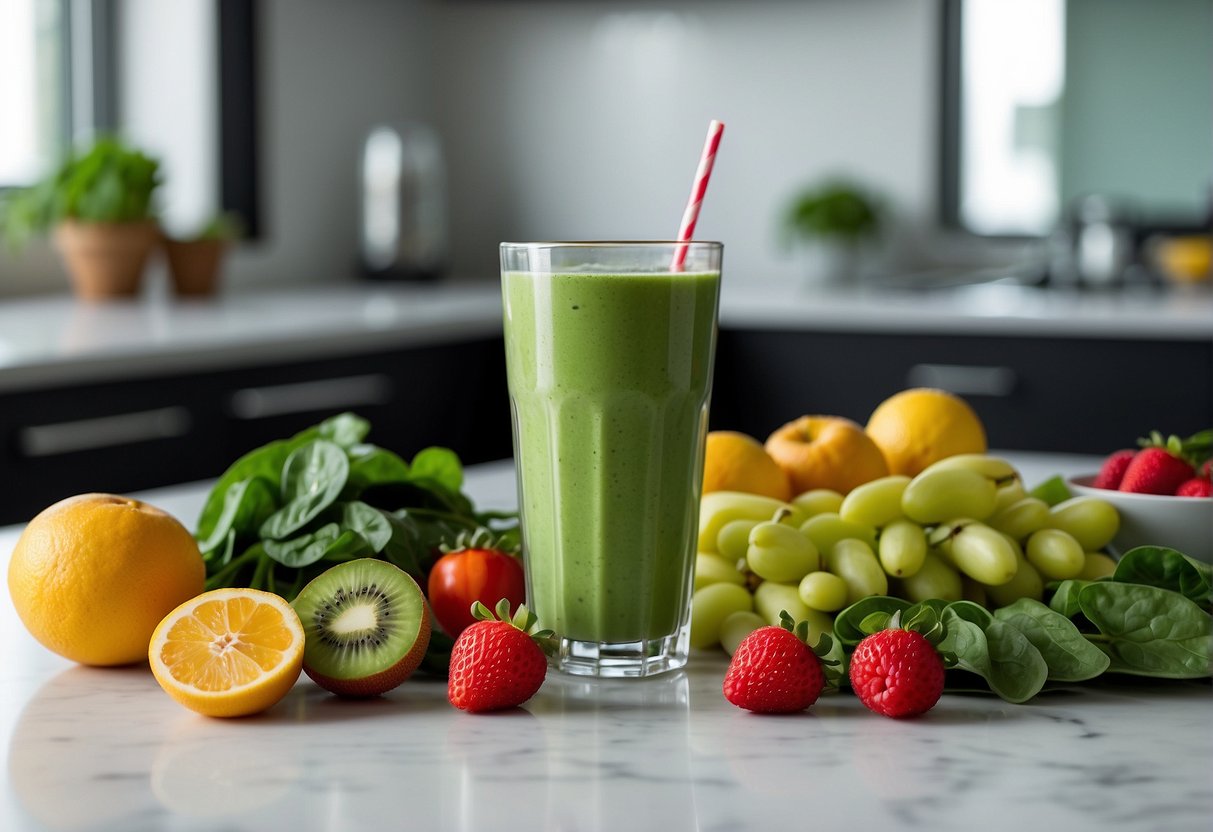
When I whip up a smoothie, visual appeal is just as crucial as the health benefits. Frozen spinach is my go-to green because it ensures that my smoothies pack a nutritional punch without compromising on the look. The rich green hue spinach provides is like a blank canvas for colorful fruits to stand out, from the vibrant reds of strawberries to the deep blues of blueberries.
I’ve found that for the best presentation, layering these fruits and spinach creates a stunning gradient effect that’s sure to boost any rating if I were to snap a pic and share it online. And let’s be honest, we all eat with our eyes to some extent, right?
Here’s a quick breakdown of what I’m getting in terms of benefits:
- Vitamins and Minerals: Spinach brings vitamins A, C, and K to the table, along with iron and magnesium.
- Fiber: Essential for digestive health, and let’s not forget the extra fiber from the fruits, too.
- Low Calorie: Adding volume without adding a ton of calories.
Now, about the taste—because what’s a pretty smoothie if it doesn’t taste great? The natural sweetness from the fruits balances the mild earthiness of the spinach, making those green smoothies not just nutritious but delicious.
Whether I’m starting my day or needing an afternoon pick-me-up, adding frozen spinach to a smoothie is an easy way to sneak in some extra nutrients while keeping things looking and tasting fresh. Here’s to health and #SmoothieArt!
Recipe Ideas and Inspirations
When I’m in a rush but still want a nutritious kick, frozen spinach smoothies are my go-to. They’re incredibly versatile; you can mix and match with pretty much any fruit you’ve got on hand. Trust me, once you’ve blended it up, you can’t even taste the spinach. Here are a couple of smoothie recipe ideas that make eating greens easy and tasty.
Green Smoothie Goodness:
- Ingredients:
- 1 cup frozen spinach
- 1 ripe banana
- 1/2 cup frozen pineapple chunks
- 1/2 cup unsweetened almond milk
- Directions: Blend until smooth and enjoy the tropical vibes!
Berry Spinach Surprise:
- Ingredients:
- 1 cup frozen spinach
- 1/2 cup mixed berries (strawberries, blueberries, raspberries)
- 1/2 cup Greek yogurt
- 1/2 cup orange juice
- Directions: Blend all ingredients until creamy. It’s like a berry explosion in my mouth!
Pro Tip: If the smoothie is too thick, I just add a splash more liquid – water, juice, or any kind of milk works great. And for a touch of sweetness, a little honey or a few dates can do wonders without overpowering the fruit and spinach flavors.
I’m always looking to mix things up, so sometimes I’ll throw in extras like chia seeds, protein powder, or a scoop of nut butter. You can experiment with the recipes to fit your taste and nutritional needs. Remember, the key with spinach in smoothies is to strike a balance that suits your palate while packing in those powerful nutrients. Enjoy your blend!
Frequently Asked Questions
In this section, I’ll touch on some common concerns and queries about incorporating frozen spinach into smoothies.
Can raw frozen spinach be eaten without cooking?
Yes, raw frozen spinach can be eaten without cooking. It’s typically blanched before freezing, making it safe to consume and perfect for adding to smoothies.
What are the health benefits of adding frozen spinach to your smoothie?
Adding frozen spinach to your smoothie is a great way to get a nutrient boost. It’s packed with fiber, vitamins, and minerals, and can contribute to a healthier diet.
Should you thaw frozen spinach before adding it to a smoothie?
Thawing frozen spinach is not necessary when adding it to a smoothie. Using it frozen can give the smoothie a thicker texture.
How do you properly prepare frozen spinach for cooking?
To prepare frozen spinach for cooking, thaw it and squeeze out any excess moisture. This will help avoid watering down the dish you’re adding it to.
Are there any nutritional differences between fresh and frozen spinach when used in a smoothie?
Nutritionally, frozen spinach is just as good as fresh spinach for smoothies. Freezing can preserve its vitamins and minerals effectively.
Can you use other frozen vegetables in smoothies just like frozen spinach?
Certainly! Other frozen vegetables, such as kale and cauliflower, can also be used in smoothies for added nutrients and flavor variety.