
Benefits of Mixing Yogurt and Kale
When I mix yogurt with kale, I get a combo that’s not only tasty but also packed with health benefits. I’m mixing a leafy green superfood with a creamy source of probiotics.
First off, kale’s got fiber, vitamins, and minerals that are key to my well-being. I’m talking about stuff like vitamin A, vitamin C, and iron — and kale’s got ’em in spades. Then there’s the antioxidants that may reduce the risk of certain diseases.
Yogurt, on the flip side, adds a creamy texture and a punch of protein and calcium to my day. It’s perfect for when I’m trying to stick to a healthy breakfast routine. Plus, those probiotics are great for my gut health.
Here’s a quick look at what I get in this powerhouse pairing:
- Fiber: Keeps me full and my digestion on point.
- Protein: Supports my muscles and keeps my energy levels steady.
- Calcium: Essential for strong bones and teeth.
I love whipping up a green smoothie with yogurt and kale. It’s like a nutrient-packed drink that I can take on-the-go. And I’ve noticed that when I start my day with a mix like this, I really do feel a difference. I’m more alert, my stomach feels good, and it’s honestly delicious.
Simply put, if I want a bunch of nutrients without a lot of fuss, this is my go-to mix. And hey, it’s a versatile blend, so I can throw it in a smoothie or make a creamy side dish for dinner. Whether I’m blending or cooking, it’s a win-win for my health and taste buds.
Creating the Perfect Kale and Yogurt Smoothie
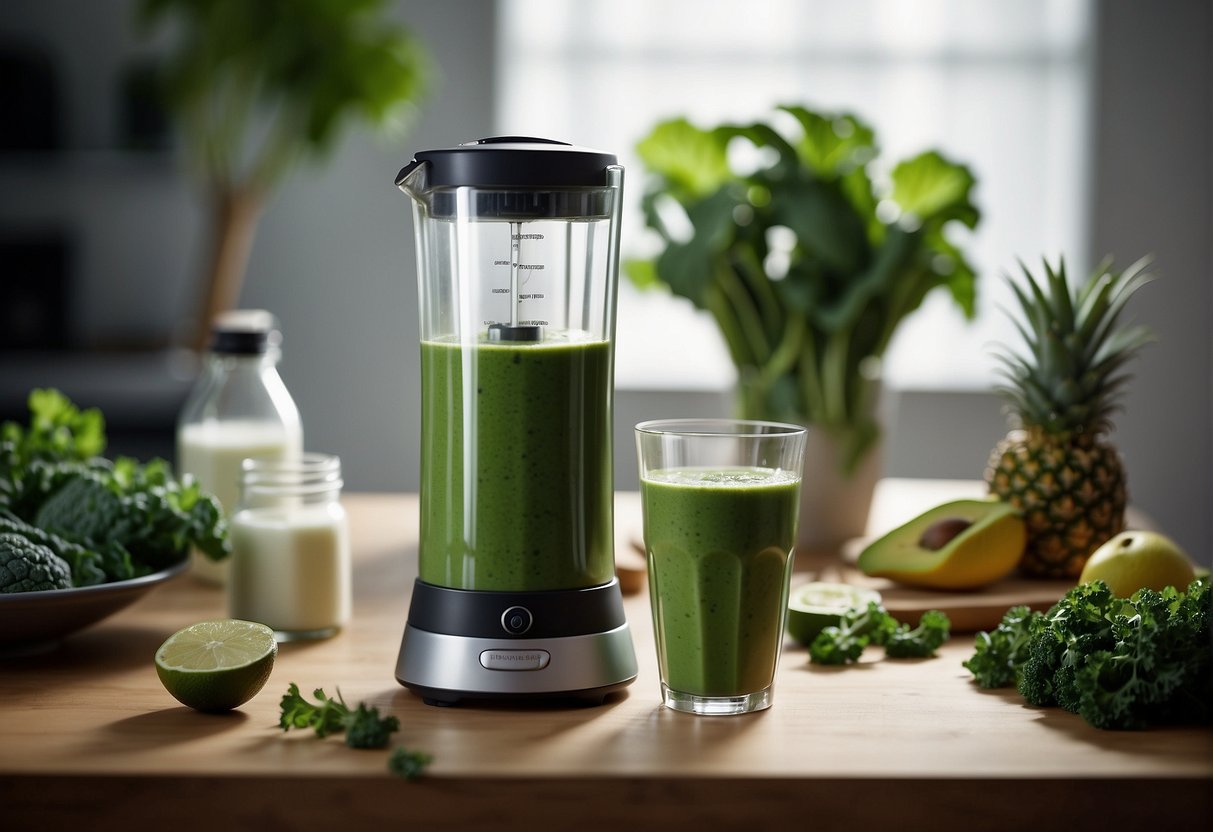
Creating that perfect kale and yogurt smoothie is all about the right mix of ingredients, blending techniques, and personal touches. Let me walk you through how I craft mine for a delicious and nutritious experience.
Selecting Ingredients
When I’m picking out ingredients, I focus on freshest possible options. I often opt for Greek yogurt for its creamy texture and protein content. As for kale, crisp, dark leaves are my go-to. I won’t forget to toss in a frozen banana to add natural sweetness and a cold, creamy element without needing ice.
Blending Techniques
I always start with the yogurt at the base of my blender, as this helps create a vortex that pulls the kale and fruit in more effectively. If I’m using tough frozen berries or mango, I’ll give them a few pulses first, then add the softer ingredients and blend until everything is velvety smooth.
Enhancing Nutritional Value
To up the nutrition ante, I’ll sprinkle in some chia seeds, hemp seeds, or flax seeds. These are my secret weapons to get some omega-3s and fiber into my smoothie, not to mention they lend a satisfying, subtle crunch if I leave a few intact.
Flavor and Sweetness
I’ve found that balance is key for flavor. A squeeze of lemon juice cuts through the bitterness of kale, and a drizzle of honey or a dash of cinnamon can round out the sweetness without overpowering the fruits and veggies.
Alternative Diet Options
Catering to my vegan friends is simple with non-dairy alternatives like almond milk, coconut milk, or oat milk. Swapping out honey for maple syrup or agave keeps it plant-based without sacrificing flavor.
Recipe Variations
Some mornings, I’m all about a peach smoothie, so I’ll swap in juicy peaches for bananas. Other times, I make a berry smoothie bursting with a mix of blueberries, strawberries, and blackberries. Each fruit brings its own flavor profile and benefits.
Tips and Tricks
Here’s what I’ve learned: using frozen fruit eliminates the need for ice and keeps the smoothie thick. And never underestimate the power of a high-speed blender—it’s the difference between a good smoothie and a great one. Oh, and prep time? I chop fruits in advance and store them in the freezer, so it only takes me about 5 minutes total to get my smoothie fix.
Remember, it’s all about what you like, so mix and match ingredients and find your perfect blend. Let me know in the comments how it turns out or if you’ve discovered any game-changing add-ins!
Nutritional Information
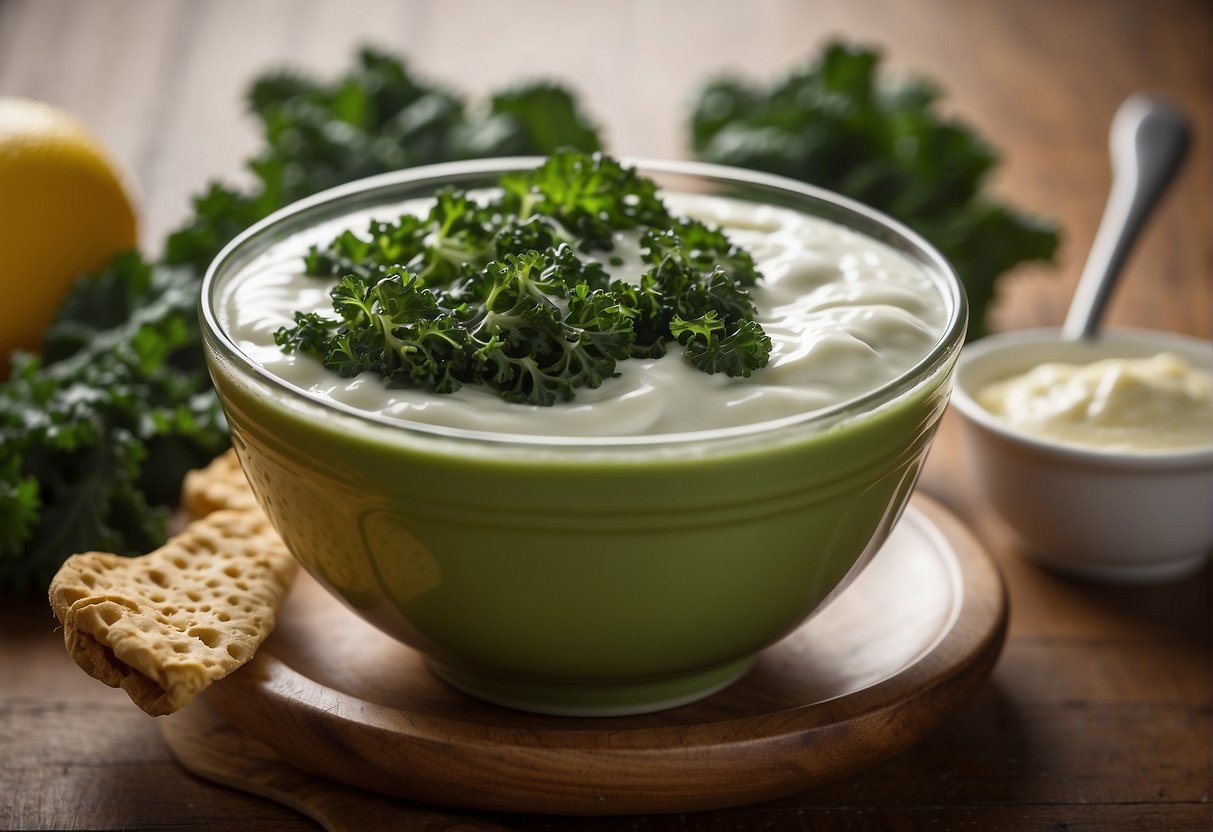
When I mix yogurt and kale, I’m creating a combo that’s not just tasty but packed with a powerful nutritional punch. Let’s get into what makes this blend really stand out in terms of nutrition.
Understanding Macronutrients
Kale and yogurt bring together a balanced profile of macronutrients. Kale is low in calories but high in fiber, which helps with digestion, while yogurt adds a creamy texture and a dose of protein that is essential for muscle repair and growth. The fat content in yogurt, especially if you’re using Greek yogurt, is mostly saturated fat, but it also contains monounsaturated and polyunsaturated fats which are important for heart health. In terms of carbohydrates, yogurt may have some, often in the form of lactose, while kale offers a minimal amount, making this a low-carb pairing.
Breaking Down Micronutrients
This duo dazzles with its micronutrient richness. Kale is a heavyweight champion in vitamin A and vitamin C, needed for immune support and skin health. Additionally, it is a plant-based source of calcium, crucial for bone health, and iron, which supports blood oxygenation. Yogurt complements this by offering a range of B vitamins and is a good source of calcium as well. Since I often opt for plain Greek yogurt, I also get a dose of potassium, which is key for muscle and nerve function.
Calorie and Sugar Content
I’m mindful of calories and sugar content when preparing my yogurt and kale mix. Plain yogurt, especially the Greek variety, tends to have more protein and less sugar, keeping the overall calorie count moderate. When I want to sweeten the deal without going overboard, I might add some honey or fruit to the mix. This not only increases the nutrient value but also adds natural sugars that are better for me than the processed kind. If you watch your calorie intake, this combo is a win-win.
Health Considerations and Dietary Restrictions
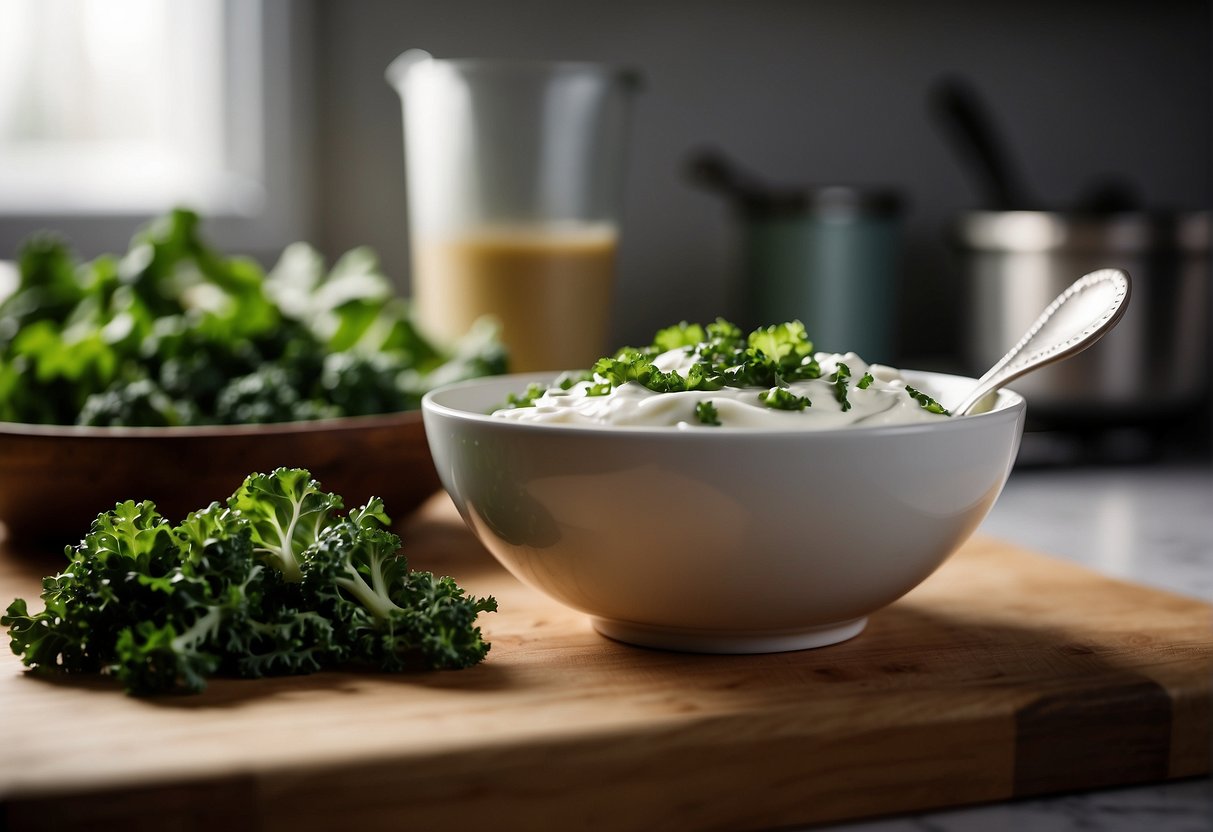
Mixing yogurt with kale seems like a no-brainer for a health boost. Kale comes packed with vitamins and antioxidants, and when you mix it with yogurt, you get a nice hit of protein and probiotics, too. Here’s a quick list of health considerations and dietary restrictions to keep in mind:
- Lactose Intolerance: If you, like some folks, can’t handle lactose, go for lactose-free yogurt or a dairy-free alternative.
- Allergies: Always check labels. If you’re allergic to dairy, a plant-based yogurt is the way to go.
- Sodium and Cholesterol: Kale’s a winner for low sodium and cholesterol, but watch the yogurt. Opt for low or no added sodium/cholesterol versions if you’re watching those levels.
Dietary Preferences:
- Gluten-Free: Kale and natural yogurt are naturally gluten-free. Just make sure the yogurt hasn’t been cross-contaminated if you’re very sensitive to gluten.
- Nut-Free: Usually, this combo is safe for nut allergies, but always check for cross-contamination warnings on the yogurt packaging.
- Paleo & Keto: Pure kale? Absolutely paleo. Regular yogurt doesn’t make the cut for paleo or keto, but there are specific types of keto-friendly and paleo-accommodating options to explore.
Nutrient Content:
Kale’s got fiber covered, while both yogurt and kale pitch in on the protein front. If you’re tracking your macros, this combo supports muscle maintenance and feels filling.
Remember, everyone’s body is different. What works for me might not work for you. If you’ve got restrictions or conditions, it’s worth chatting with a nutritionist to make sure this mix fits into your plan.
Comments and Experiences
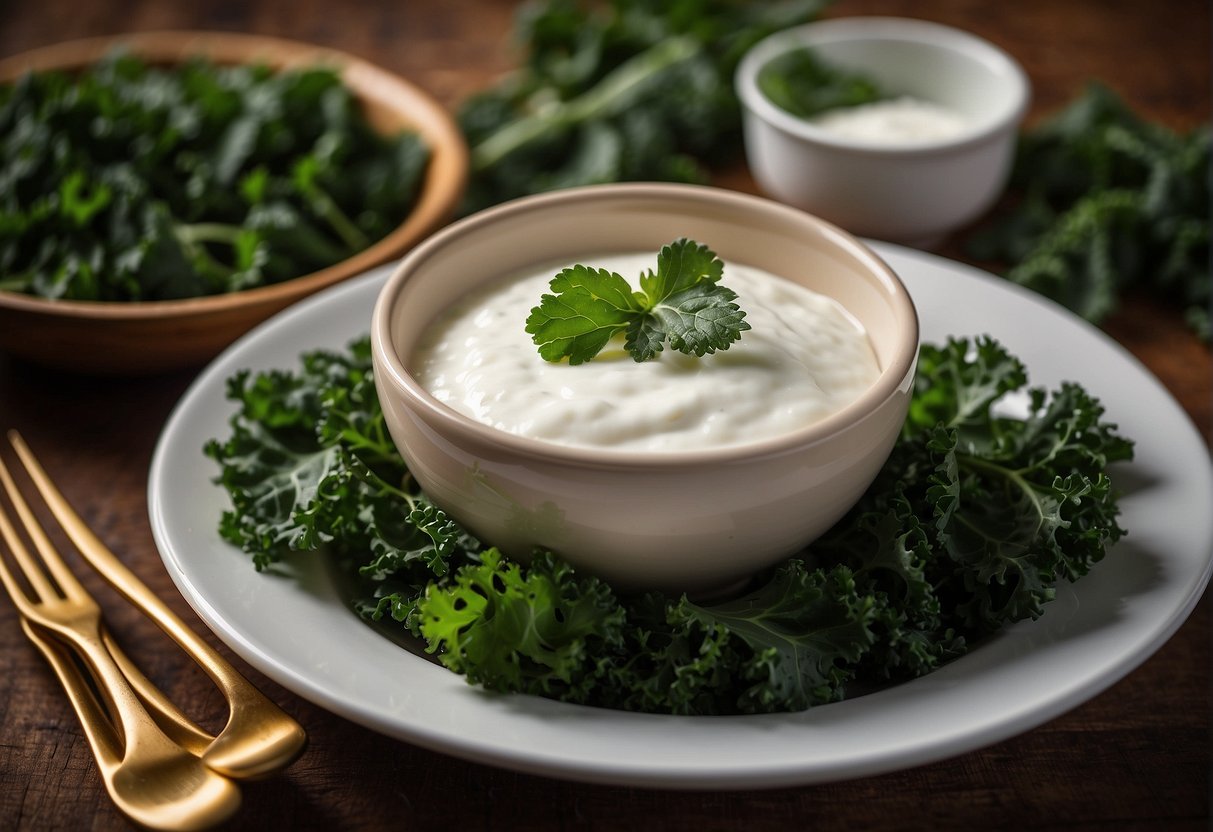
So, I’ve been mixing kale and yogurt in my smoothies for a while now. At first, it sounded a bit off to me, but let me tell you, it’s a game-changer. Many of you have shared this sentiment, expressing how the creaminess of the yogurt perfectly balances the earthy kale. Plus, it’s a super nutritious combo.
Here’s what I’ve gathered from our community discussions:
- Creaminess: A scoop of Greek yogurt makes the kale more palatable, especially for those who might be a bit wary of greens. It mellows out the bitterness.
- Texture: Yogurt adds a smooth, creamy texture to the blend, which a few of you have commented makes the smoothie feel more like a treat than a health drink.
I’ve also noticed in the feedback you’ve shared that experimenting with different yogurt types can affect the consistency and tanginess of the smoothie. Flavored vs. plain, full-fat vs. non-fat—the choice is yours, and it seems to be a personal preference.
A couple of recipes floating around:
-
For thickness: Some of you suggested adding peanut butter for extra creaminess and flavor.
A reader commented, “The hint of nuttiness with the kale? Surprisingly awesome!”
-
For added benefit: Flaxseed or protein powder is a popular mix-in for an extra health kick.
Lastly, don’t be shy to throw in some fruit—blueberries or bananas are popular choices, which not only add sweetness but also help to mask the taste of the kale for those less fond of it.
The idea here is to keep sharing those recipes and experiences, folks! It’s how I discovered the wonders of kale and yogurt, and I’m sure it will inspire someone else to try something new.
Frequently Asked Questions
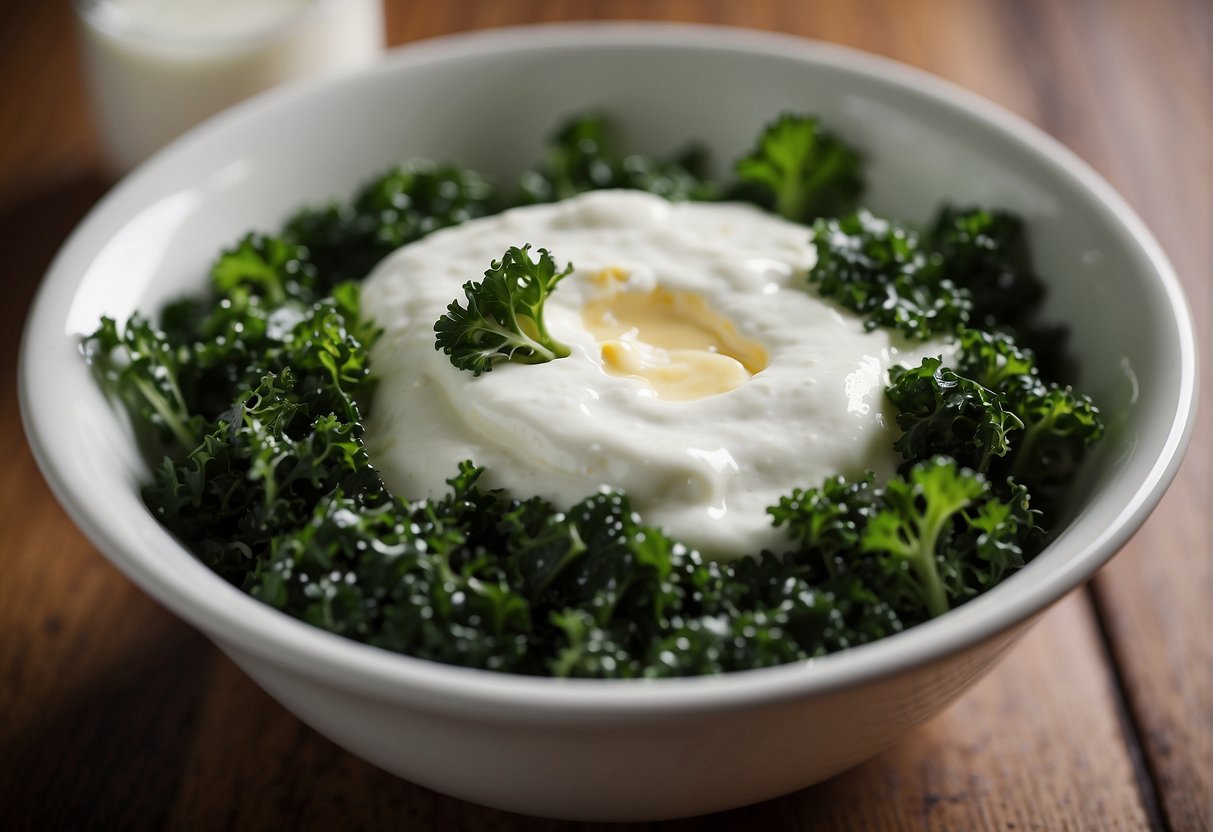
I’ve found that mixing kale and yogurt in smoothies raises a few eyebrows, so here are some of the common questions I’ve encountered, along with straightforward answers.
What are the health benefits of kale in smoothies?
Kale is a superfood rich in vitamins A, K, and C, as well as antioxidants and fiber, making it a powerful addition to smoothies. It’s also low in calories and has been associated with several health benefits, including improved heart health.
What’s the best way to blend kale for smoothies?
To blend kale effectively for smoothies, it helps to chop the leaves into smaller pieces and blend them with a bit of liquid first. This approach ensures the kale is well-puréed before other ingredients are added.
Can I add raw kale directly to my smoothies?
Yes, you can add raw kale directly to your smoothies. It’s a convenient way to include this nutrient-dense leafy green in your diet. Just make sure to blend it thoroughly to avoid a chunky texture.
What are some good ingredients to mix with plain yogurt for a smoothie?
For a delicious and nutritious smoothie, you can mix plain yogurt with ingredients like frozen mixed berries, ground flaxseed, and milk. These add flavor, creaminess, and additional nutrients.
Is it safe to combine dairy like yogurt with leafy greens in smoothies?
Absolutely, it is safe to combine dairy such as yogurt with leafy greens like kale in smoothies. This makes for a nutritious blend that provides both protein and essential vitamins and minerals.
How does adding kale affect the taste of a yogurt smoothie?
Adding kale to a yogurt smoothie can introduce a slightly earthy flavor. Some may find it noticeable, while others might not. It’s all about balancing it with other ingredients to suit your taste preferences.