
Essential Nutritional Benefits
When I toss spinach and kale together, I’m not just adding color and texture to my plate; I’m also packing it with a powerhouse of nutritional benefits. Let’s dive into the specific vitamins and minerals these leafy greens bring to the table.
Vitamins and Minerals in Spinach and Kale
Spinach is a well-known source of nutrients, which includes significant amounts of vitamin A, folate, and magnesium, critical for maintaining good health. It also provides more dietary fiber per serving, important for digestive health. Here’s a quick rundown:
- Vitamin A: Essential for eye health.
- Folate: Important for cell function and tissue growth.
- Magnesium: Key for muscle and nerve function.
On the other hand, kale steps up as a nutritional heavyweight with impressive levels of vitamin C, vitamin K, and antioxidants which are great for your skin and immune system. Plus, it offers a decent dose of calcium for strong bones. Check this out:
- Vitamin C: A powerful antioxidant, helps with the absorption of iron and maintenance of healthy skin.
- Vitamin K: Crucial for blood clotting and bone health.
- Calcium: Not just for dairy, Kale provides calcium for strong bones and teeth.
Both greens aid in supporting the immune system and overall health. They’re low in calories yet high in fiber, making them an excellent choice for anyone looking to balance their diet with nutrient-rich foods. By incorporating both spinach and kale into my meals, I ensure I’m getting a symphony of vitamins and minerals that my body needs.
Mixing Spinach and Kale in Recipes
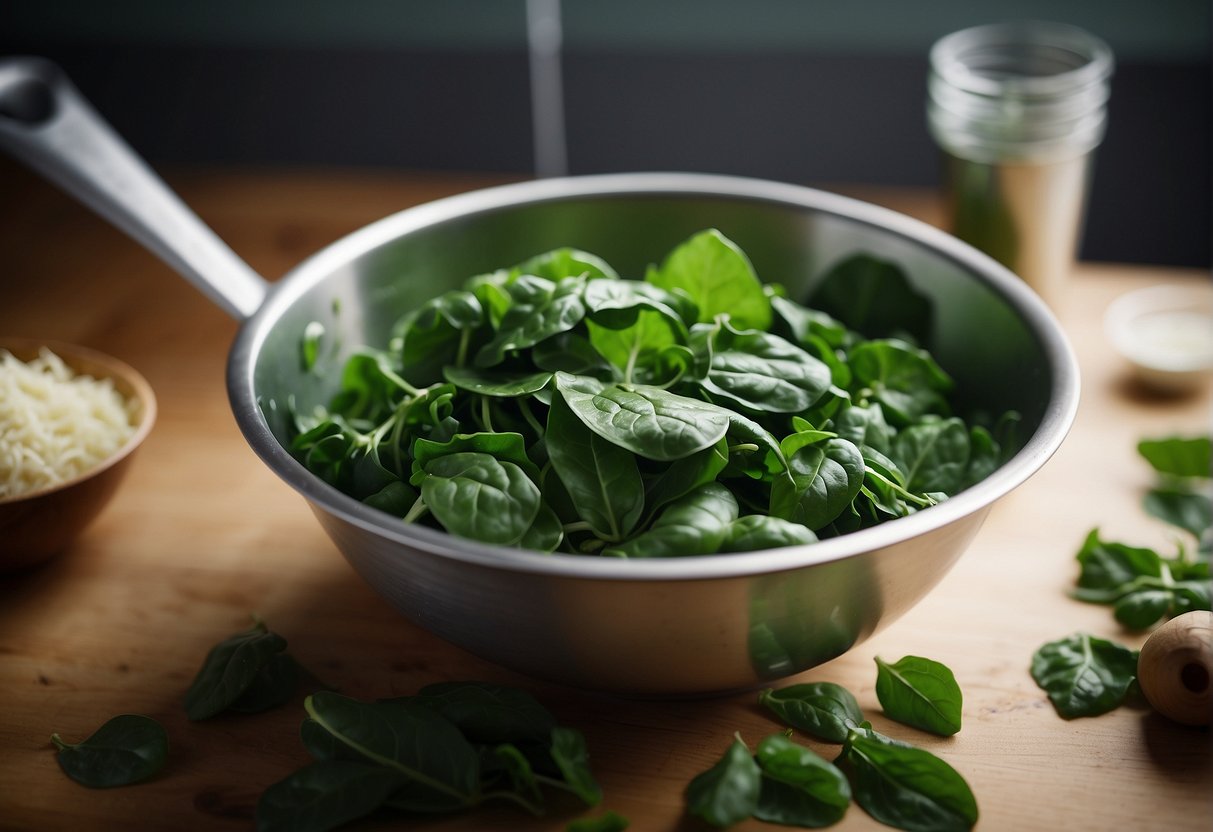
When I’m aiming to boost the nutritional value of my meals, I often turn to the powerhouse greens like kale and spinach. They’re versatile, packed with nutrients, and can be used in a multitude of dishes. Here’s how I incorporate them into various recipes.
Cooking Methods for Greens
I’ve found that both kale and spinach can be prepared in similar ways. Whether I’m sautéing, steaming, or blending them for smoothies, they maintain their rich nutritional profile which includes fiber, protein, and essential vitamins. For sautéing, I like to use a bit of olive oil, a pinch of salt, and some garlic for flavor. It’s important to remember that spinach wilts faster than kale, so I add it in the last couple of minutes of cooking.
Simple Side Dishes
Now, for a quick side dish, I love to sauté kale with a splash of lemon juice and garlic until it’s slightly crispy. Then, I toss in spinach just before taking the skillet off the heat. Sometimes, for a bit of crunch, I’ll sprinkle some toasted pine nuts on top. This combination makes for a fibrous, mineral-rich side that complements almost any main dish.
Main Course Combinations
Incorporating these greens into main courses is a great way to make a meal heartier and healthier. One of my favorites is to mix kale and spinach into a quinoa salad. I often add ingredients like roasted veggies, onion, and a homemade dressing with olive oil and lemon juice. It’s a vegan-friendly option that packs both protein and flavor. And if there’s any leftovers, they make a great lunch the next day. When I feel like something warm, I’ll stir the greens into a pot of soup or fold them into a rice or pasta dish. They add a lovely texture and are a sneaky way to get more greens into my diet.
Cooking with these greens is simple once you get the hang of it. Remember to adjust the cooking times accordingly, as kale is a bit tougher than spinach, and to add ingredients like garlic and olive oil to enhance the flavor of the greens. With a bit of practice, you’ll find they can complement nearly any meal.
Adapting Recipes and Ingredients
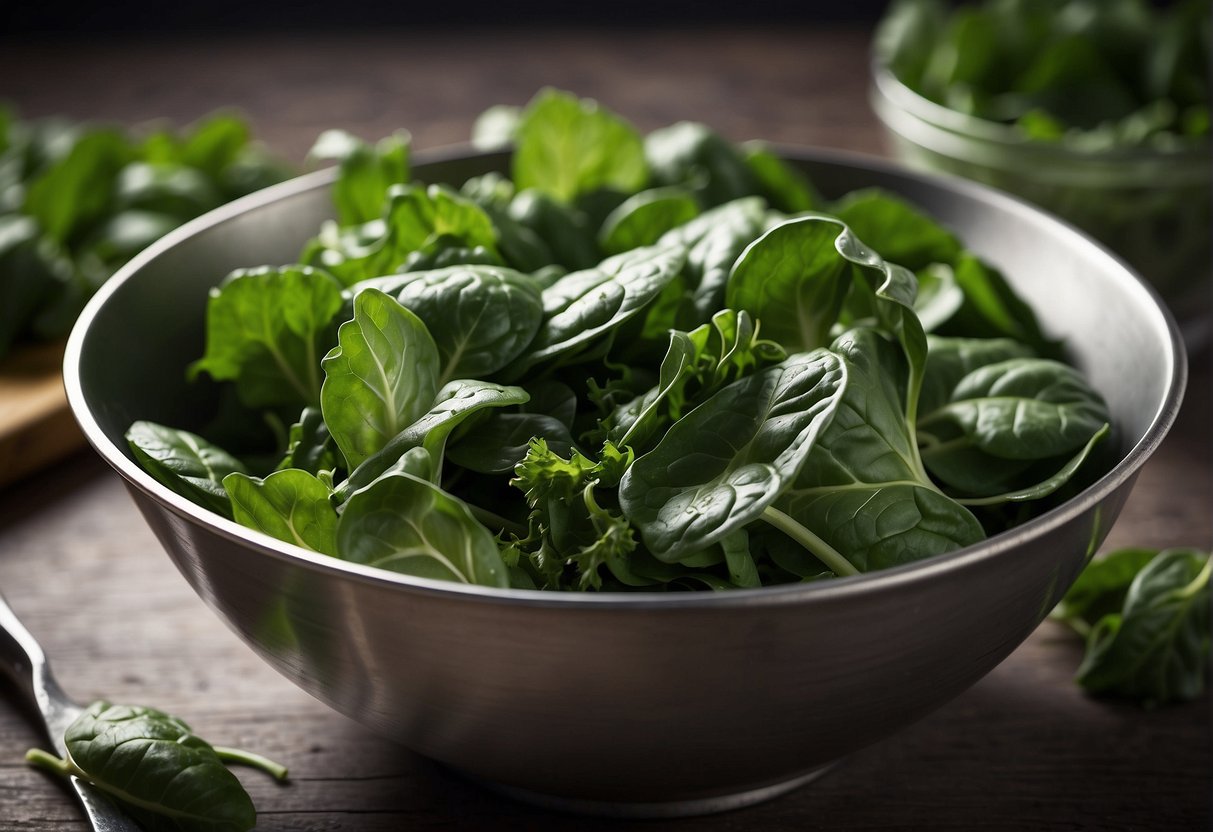
When I’m in the kitchen, I love to mix things up, especially with super greens like spinach and kale. Whether I toss them in a smoothie or sneak them into a baked treat, these leafy greens can add a nutritional punch and elevate a dish’s flavor profile.
Smoothies and Juices
I’ve found that both spinach and kale blend beautifully in smoothies and juices. In my blender, I combine a handful of each with some almond milk, a ripe banana for natural sweetness, and a splash of lemon juice for a zesty kick. Sometimes, I’ll sprinkle in a few hemp seeds for added texture and nutrition. These greens are mild enough to be masked by the other flavors, yet they enrich the drink with vitamins and minerals.
Baked Delights
When it comes to baking, I often experiment by adding finely chopped kale or spinach to savory breads and muffins. I’ll mix the greens with some garlic powder, black pepper, and a drizzle of olive oil to complement the dough’s richness. It’s optional, but a squeeze of lemon can really brighten up the flavor. The result is a scrumptious and satisfying baked good that has a touch more nutrition than your average carb-centric snack.
Storing and Reheating Techniques

When I’m juggling fresh greens like spinach and kale in my kitchen, I have to consider their storage and reheating to maximize their lifespan and flavor. Here’s what I’ve learned works best to keep these greens vibrant for my daily meals.
Preservation and Shelf-Life
Spinach: When I buy or harvest spinach, I’ve found it stays fresh longer if I store it in the fridge right away. Spinach prefers a cool and damp environment, so I wrap it in paper towels and put it in a plastic bag before placing it in the crisper drawer. This can keep it fresh for about 5-7 days.
Kale: For kale, I use a similar approach with a twist. I’ve learned from Allrecipes that kale lasts longer when stored in a zip-top bag lined with paper towels, with the air squeezed out to prevent moisture buildup. And positioning the stems toward the back of the fridge keeps it crisper since that’s where it’s coldest. This trick can give kale a shelf-life of about five to seven days in the fridge, too.
Best Practices for Leftovers
Reheated Greens: When it comes to reheating spinach and kale, I’m cautious. I want to avoid that soggy, overcooked texture. If I’ve sautéed kale or spinach as a side, I’ll reheat them gently on the stove rather than zapping them in the microwave. This helps preserve a bit of their texture and flavor.
Leftovers: For leftover dishes like kale and spinach soup or a kale-spinach blend, it’s best to cool them rapidly and store them in the fridge. When I’m ready to revisit these meals, I’ll warm them over low heat, stirring occasionally to prevent sticking and maintain even heating.
Frozen Greens: And for times when I can’t use fresh greens before they wilt, I go for the freezer. I’ve discovered that blanching kale and spinach before freezing them helps retain their color, flavor, and nutritional value. I’ll use frozen spinach and kale within around 10-12 months, perfect for smoothies or as a quick addition to soups and stews.
By following these straightforward techniques, my spinach and kale are always ready to go, whether fresh or as leftovers, making meal prep a breeze.
Flavor Enhancements and Seasoning Tips
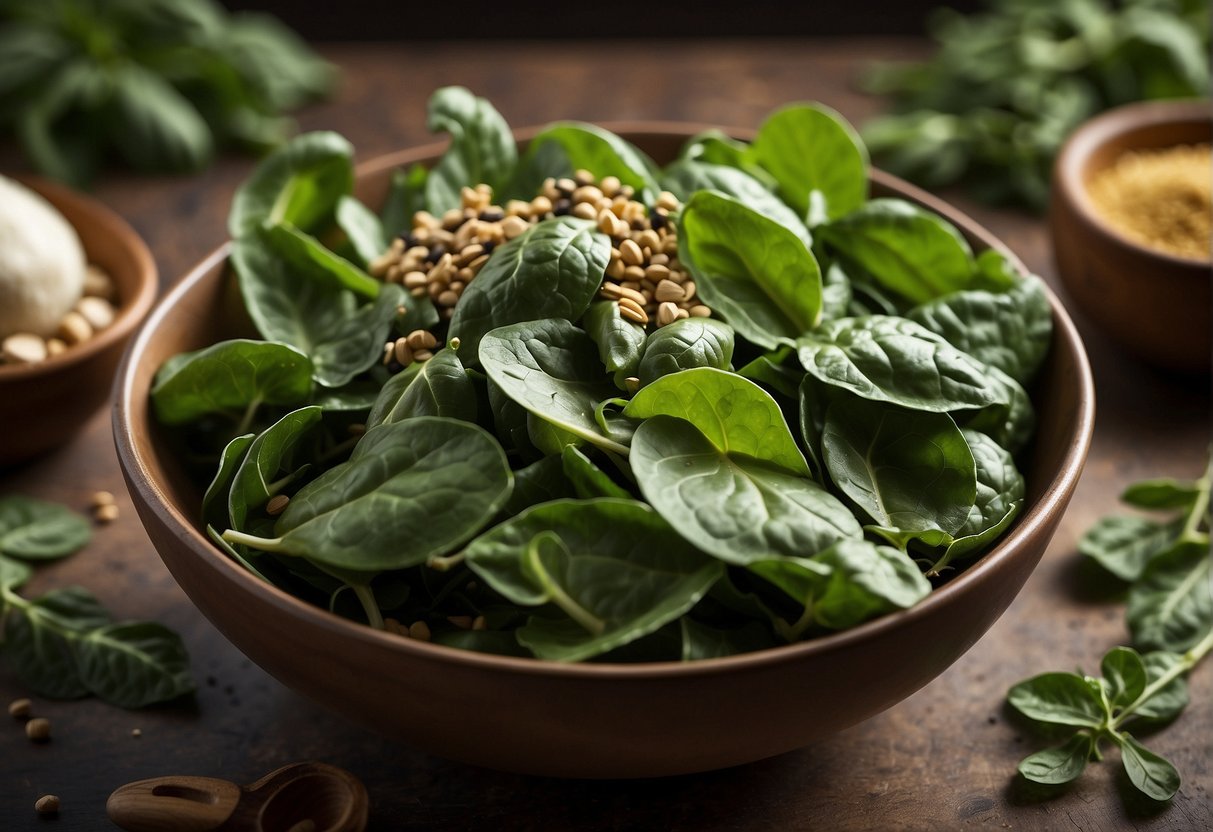
When I’m mixing kale and spinach, I focus on flavor enhancements to complement the natural taste of these superfoods. I like to create a balanced profile that’s savory and aromatic.
Combining Spices and Herbs
Garlic and Olive Oil:
I always start by sautéing garlic in olive oil, as it lays a fantastic flavor foundation. Garlic brings out a robust aroma that pairs well with the earthiness of kale and the mildness of spinach.
Salt and Pepper:
A simple seasoning of salt and black pepper is often enough. I go for sea salt or kosher salt to add crunch and flavor, and freshly ground black pepper for a hint of spice.
Heat Elements:
A dash of red pepper flakes can introduce a gentle heat that doesn’t overpower the greens. For me, it’s about adding warmth rather than intense heat.
Acidity:
A squeeze of lemon juice or a drizzle of balsamic vinegar can lift the flavors. Lemon brightens the dish, while balsamic adds a subtle sweetness with its tang.
Herbs:
Basil often makes its way into my pan. Its peppery yet sweet notes marry well with kale and spinach. Sometimes, I add thyme for its subtle lemony zest.
Nutty and Warm Spices:
Nutmeg is another go-to. It’s got a warm spice that’s not overpowering. Just a pinch though – it’s strong!
Remember, balance is key; I aim for a harmony of flavors without letting any single ingredient overshadow the greens.
Frequently Asked Questions
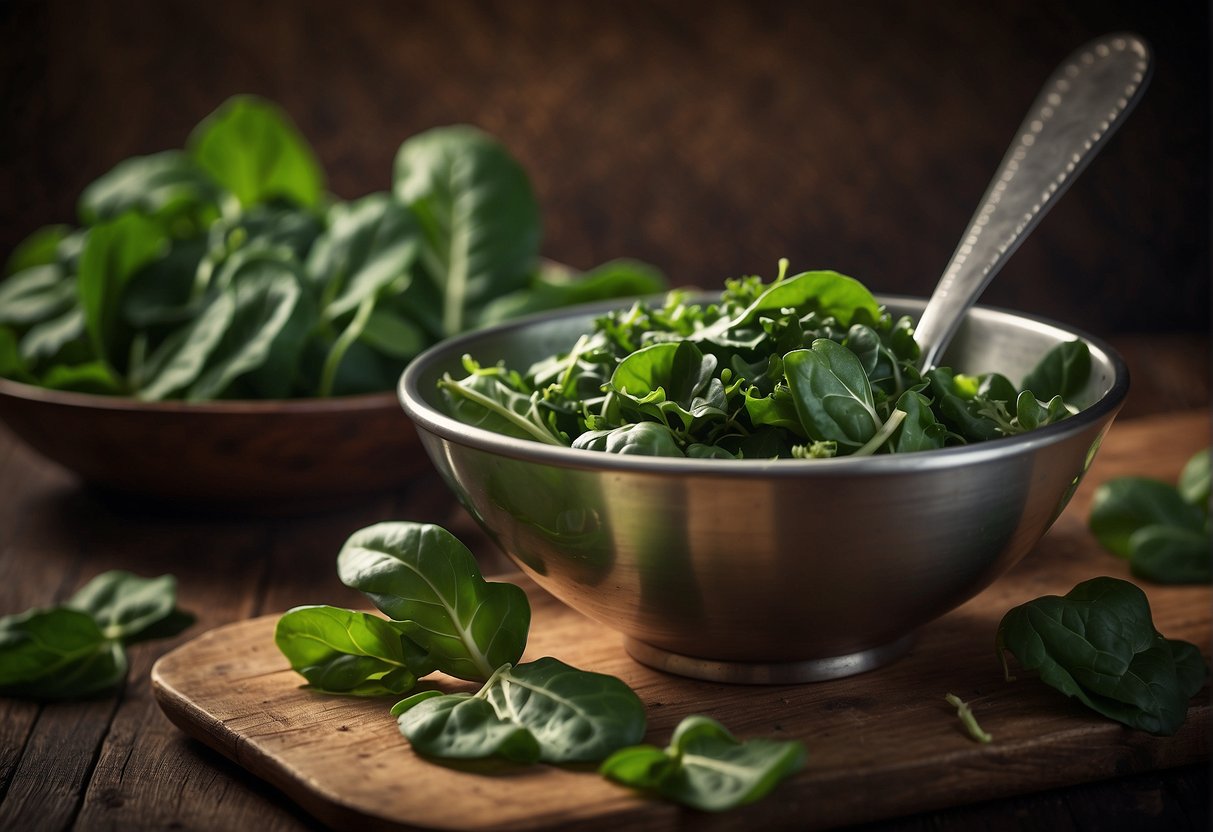
In my kitchen adventures, I’ve discovered simple yet specific ways to make the most out of combining kale and spinach.
What’s the best way to combine kale and spinach in a pasta dish?
I like to lightly sauté kale and spinach with garlic in olive oil before tossing them into my pasta. This keeps the flavors fresh and the leaves slightly crisp, which adds a delightful texture contrast to my dishes.
How do I cook kale and spinach together without losing nutrients?
The trick is to cook them quickly. I usually steam them for a few minutes or sauté them over medium heat to retain most of their nutrients.
Can kale and spinach be boiled together, or should they be prepared separately?
I’ve boiled them together before, but they have slightly different cooking times. I add the kale a few minutes earlier than the spinach since it’s tougher and takes longer to soften.
Are there any good recipes for a kale and spinach smoothie?
Absolutely! I blend kale and spinach with some banana, Greek yogurt, and almond milk. Sometimes I throw in a handful of berries for extra flavor.
What are some frozen kale and spinach recipes that taste great?
One of my favorites is to add them into a quiche or frittata. Frozen greens work just fine and make for a quick, nutritious addition to these egg-based dishes.
Can you toss spinach and kale together in a salad, and how?
Yes, I do it all the time. I massage the kale with a bit of olive oil to soften it up, then mix it with spinach. I top it off with a zesty vinaigrette to meld the flavors together.