
Understanding Peanut Butter and Kale Mixes
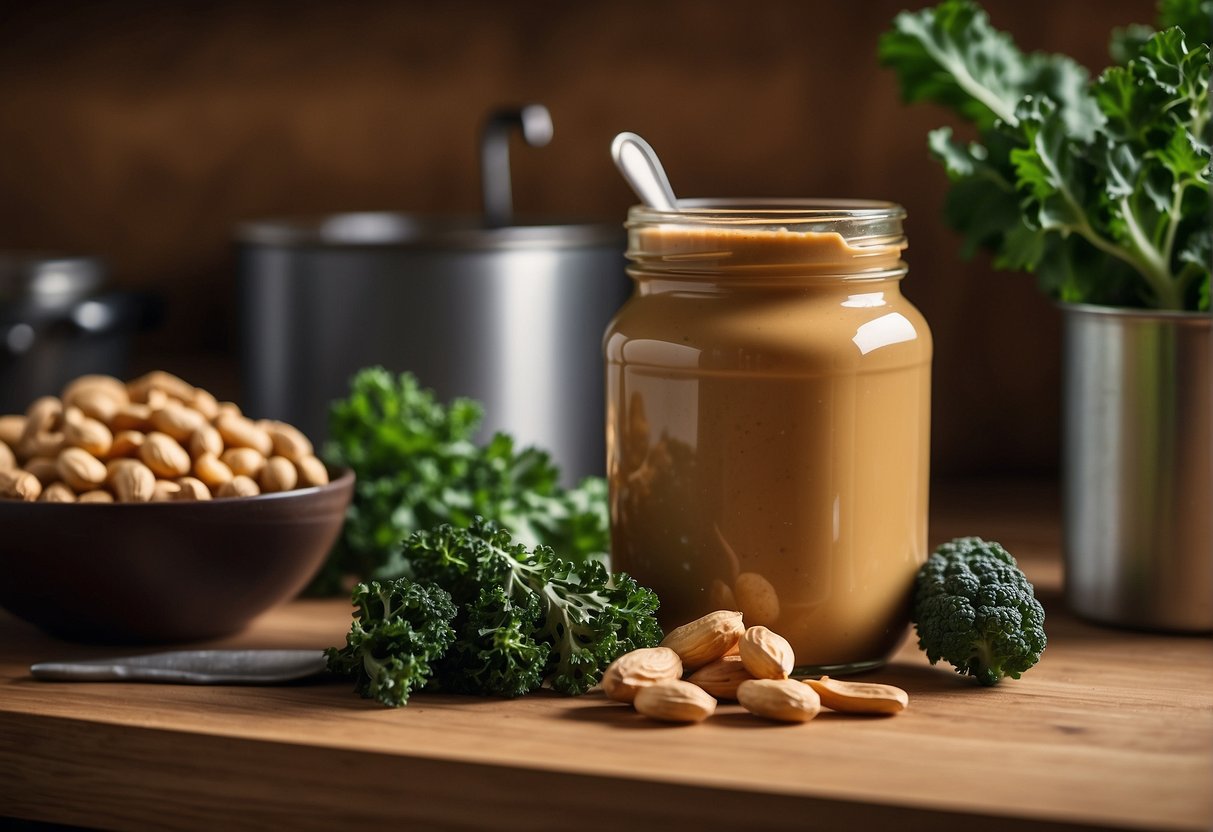
When I’m looking for a nutrient-packed smoothie, my go-to ingredients are often peanut butter and kale. Here’s why they’re a match made in heaven. First, let’s talk about peanut butter. It’s a creamy addition that brings protein, healthy fats, and a sweet flavor to the table. I mean, who doesn’t love that rich taste, right?
Now, onto kale. This leafy green is a powerhouse of vitamins A, C, and K, plus minerals like calcium, iron, and potassium. It’s also low in calories and high in fiber, which is a win-win for me. But, I know what you’re thinking, kale can be a bit bitter. That’s why I find peanut butter helps to balance out the taste, especially if you add a drizzle of honey or sprinkle of seeds.
| Ingredient | Nutrients | Benefits |
|---|---|---|
| Peanut Butter | Fat, Protein, Fiber | Energy, Satiety |
| Kale | Vitamins A, C, K, Iron, Calcium | Antioxidants, Bone Health |
Another cool thing is that you’re not just stuck with peanut butter. Any nut butter, like almond or cashew, can do the trick. And if you’re into seeds, throw in some chia or flaxseeds for an extra fiber boost.
So next time you’re blending up a storm, why not throw some peanut butter and kale into the mix? You might be surprised at how well they complement each other, making your smoothie not only healthy but also delicious.
Essential Ingredients for Peanut Butter and Kale Blends
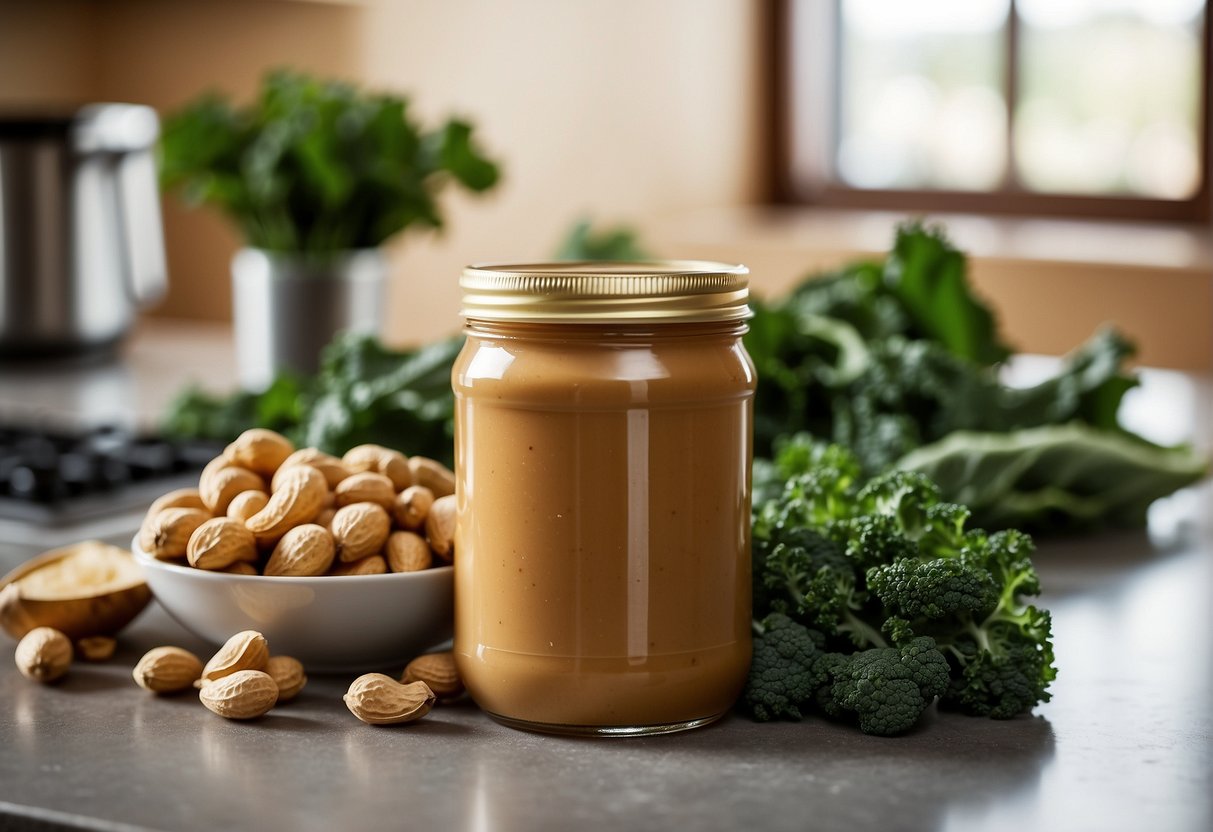
When I make a peanut butter and kale smoothie, the right balance of ingredients can turn an otherwise simple blend into a creamy, nutritious delight. Here’s how I choose the best components to include in my blends.
Choosing the Right Types of Kale and Peanut Butter
I prefer using raw kale because of its nutrient density, packed with vitamins, minerals, and antioxidants. Baby kale is my go-to since it’s tender and has a milder flavor compared to mature kale leaves. For the peanut butter, I go for an all-natural option that’s low in saturated fat and free from added sugars. I find that creamy peanut butter blends more smoothly, leaving no chunks in my smoothie.
Additional Ingredients to Enhance Flavor and Nutrition
Here are some ingredients I add to elevate the taste and health benefits:
- Milk: I usually opt for almond milk for its subtle nutty taste; it’s a great vegan choice that adds creaminess.
- Fruits: Bananas make the smoothie sweet and rich, while berries add a tart flavor and extra antioxidants.
- Greens: Sometimes, I’ll throw in spinach for an extra boost of vitamins and minerals.
Optional Superfoods and Sweeteners
To make my smoothie even more nutritious, I like adding:
- Seeds: A tablespoon of chia seeds or flax seeds increases the fiber and omega-3 fatty acids.
- Protein: A scoop of protein powder, especially if it’s post-workout.
- Sweeteners: If I need more sweetness, I’ll use natural options like honey or maple syrup to avoid refined sugars.
Preparing Your Peanut Butter and Kale Smoothie
When I make a peanut butter and kale smoothie, my focus is on achieving a creamy texture and delivering a delicious snack that’s packed with nutrition.
Blending Techniques for the Perfect Consistency
To get my smoothie just right, I always start with a frozen banana to add both sweetness and a thick base. I toss in a hefty handful of kale, which is great for fiber and vitamin A, and a generous scoop of peanut butter for protein and an extra creamy texture. Adding the ingredients to a high-powered blender, like a Vitamix, I start blending at a low speed then ramp up to high. If the mixture is too thick, I’ll pour in a bit of almond milk; it not only thins the smoothie but also adds a hint of nutty flavor and some calcium. A few ice cubes can help to achieve that frosty consistency, especially if my banana wasn’t frozen.
- Prep time: 5 minutes
- Total time: 7 minutes
- Servings: 1 large glass
Serving Suggestions and Presentation Tips
Pouring the smoothie into a chilled glass highlights the thick and creamy texture, making it even more appetizing. To present my smoothie, I like slicing up some additional banana or sprinkling on a handful of blueberries for a pop of color. If I’m in the mood for something extra, a dash of cinnamon or a squirt of lemon juice can elevate the flavors. My nutrient-packed peanut butter and kale smoothie isn’t just a snack; it’s a functional and tasty treat that keeps me going until my next meal.
Health Benefits and Nutritional Information
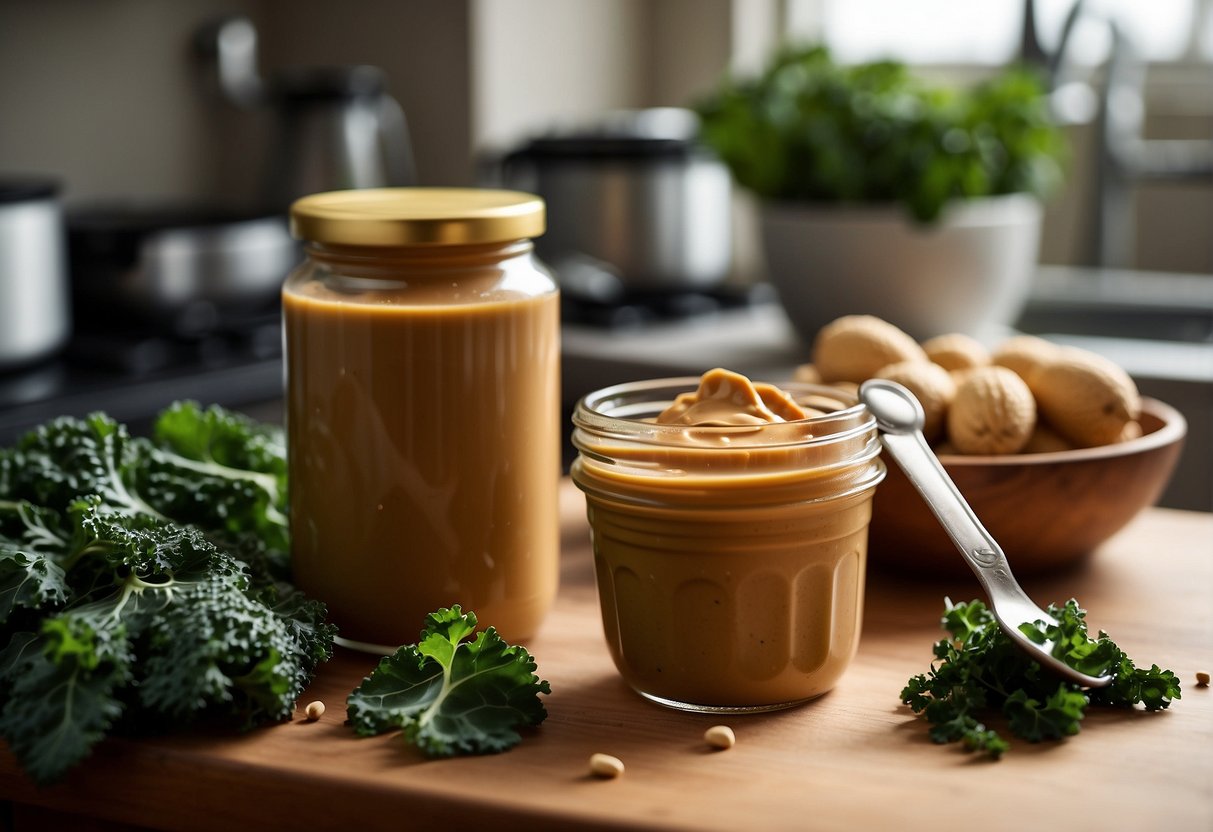
Mixing peanut butter with kale in a smoothie doesn’t just taste awesome, it’s like hitting the jackpot for my body too. Here’s why. Kale is a total nutrient powerhouse. One cup of this leafy green provides me with heaps of vitamins like Vitamin A, Vitamin C, and Vitamin K—these are crucial for my eye health, skin, and blood clotting. Not only that, kale is a great plant source of calcium and potassium, which keep my bones and heart happy.
On the other side of the mix, peanut butter adds a lovely creaminess and brings its own set of nutritional benefits. First things first, peanut butter is an awesome plant-based protein booster. It makes my smoothies more satisfying, helping to keep me full and energetic throughout the day. It’s also packed with healthy fats, which are great for my heart and help with the absorption of fat-soluble vitamins.
Here’s a quick breakdown:
- Kale: Low in calories, high in fiber and vitamins.
- Peanut Butter: High in protein and healthy fats, plus it gives you some vitamins and minerals like vitamin E and magnesium.
Of course, moderation is key since peanut butter is calorie-dense. But combined, they give me a killer combo of nutrients that keep my body feeling strong and nourished. Also, both kale and peanut butter bring antioxidants to the table, guarding my cells against damage.
I mean, who knew that something as simple as peanut butter could elevate kale to the next level of delicious and nutritious? It’s not just about getting my greens anymore; it’s about making them taste incredible while giving my body all the good stuff it needs.
Frequently Asked Questions
Combining peanut butter with kale in a smoothie is a tasty way to get both nutrients and flavor. I often experiment with different ingredients to find the best combinations for taste and health benefits.
What are some popular ingredients to add to a kale and peanut butter smoothie?
In my experience, adding frozen banana and a splash of milk ensures a creamy texture. Some throw in a handful of berries or a dash of cinnamon for extra zing.
How do you make a smoothie with kale, banana, and peanut butter taste good?
To make this blend delicious, I use ripe bananas for sweetness and add a bit of all-natural peanut butter for creaminess. Blending well is key to a smooth, enjoyable texture.
Can you use kale and spinach interchangeably in a peanut butter smoothie?
Yes, kale and spinach can be swapped out for each other. Both are leafy greens rich in nutrients, although I find kale has a stronger flavor than spinach.
What are the nutritional benefits of adding kale to your smoothie?
Kale is a powerhouse full of vitamins A, C, and K, and adding it to a smoothie is an easy way to boost your daily intake of these essential nutrients.
How does adding peanut butter to a green smoothie affect its flavor profile?
Peanut butter adds a rich, nutty flavor that complements the earthiness of kale. It’s a great way to balance the taste and increase the smoothie’s protein content.
What fruits combine well with kale and peanut butter in a smoothie for weight loss?
For weight loss, I love blending kale and peanut butter with fruits low in sugar like green apples or pears. They add freshness and fiber without too many calories.