
Introduction to Coconut Peanut Butter
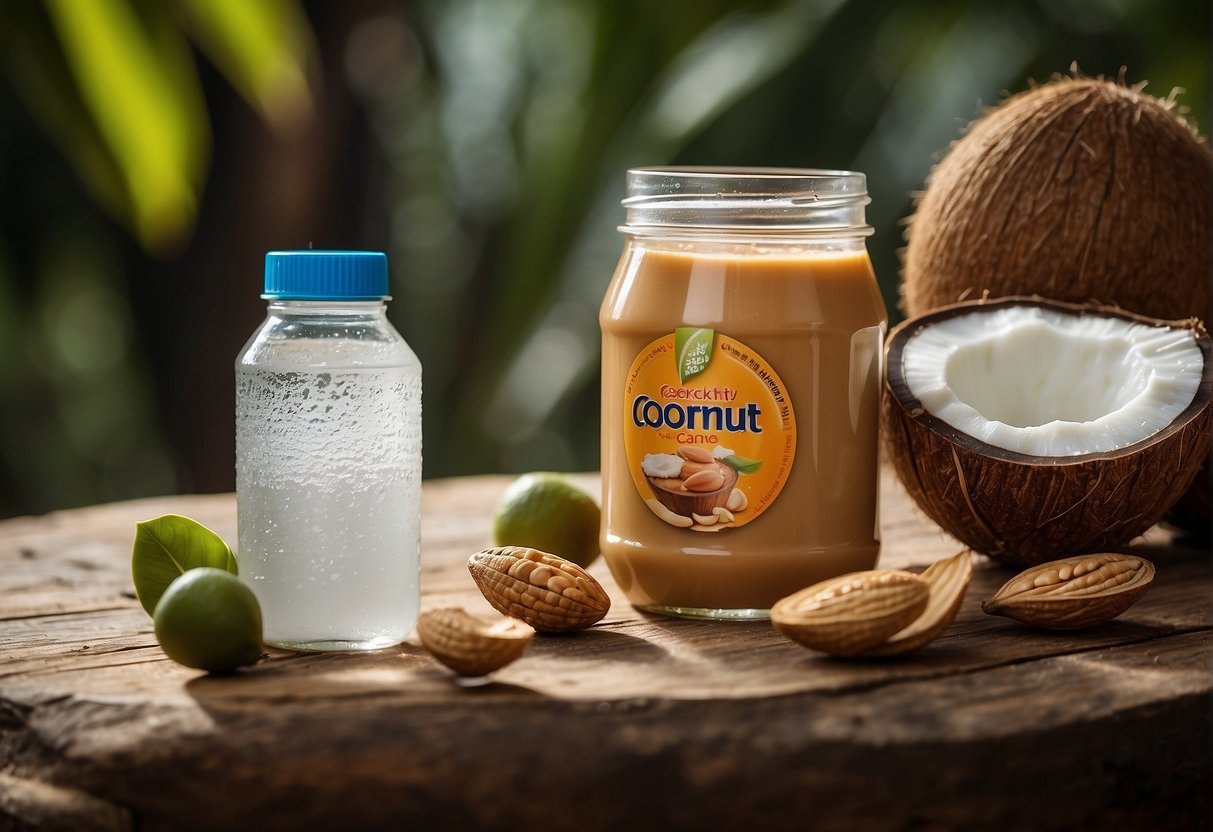
I’m always on the lookout for creative twists on classic favorites, and coconut peanut butter has caught my attention. Imagine the familiar, comforting taste of peanut butter combined with the tropical flavor of coconut – it’s like a mini vacation for your taste buds. This spread isn’t just deliciously smooth and creamy; it’s packed with nutritional benefits as well.
Health Benefits
Coconut peanut butter is where indulgence meets wellness. Its high protein content helps satisfy hunger and aid in muscle repair, making it a fantastic post-workout snack. What’s more, it’s full of healthy fats which are important for brain health and can provide sustained energy. The presence of fiber in this peanut butter variant supports digestion, too. As a bonus for many, it’s often vegan, gluten-free, dairy-free, and totally plant-based.
Ideal Ingredients
When whipping up your own batch of creamy coconut peanut butter, the quality of ingredients is paramount. I opt for dry-roasted peanuts, ensuring the peanut butter element is rich and nutty. Then, I blend in unsweetened shredded coconut, which elevates the flavor profile without overpowering the peanuts. This combination not only maximizes the health nutrition but also achieves that sought-after smooth consistency.
Making Homemade Coconut Peanut Butter
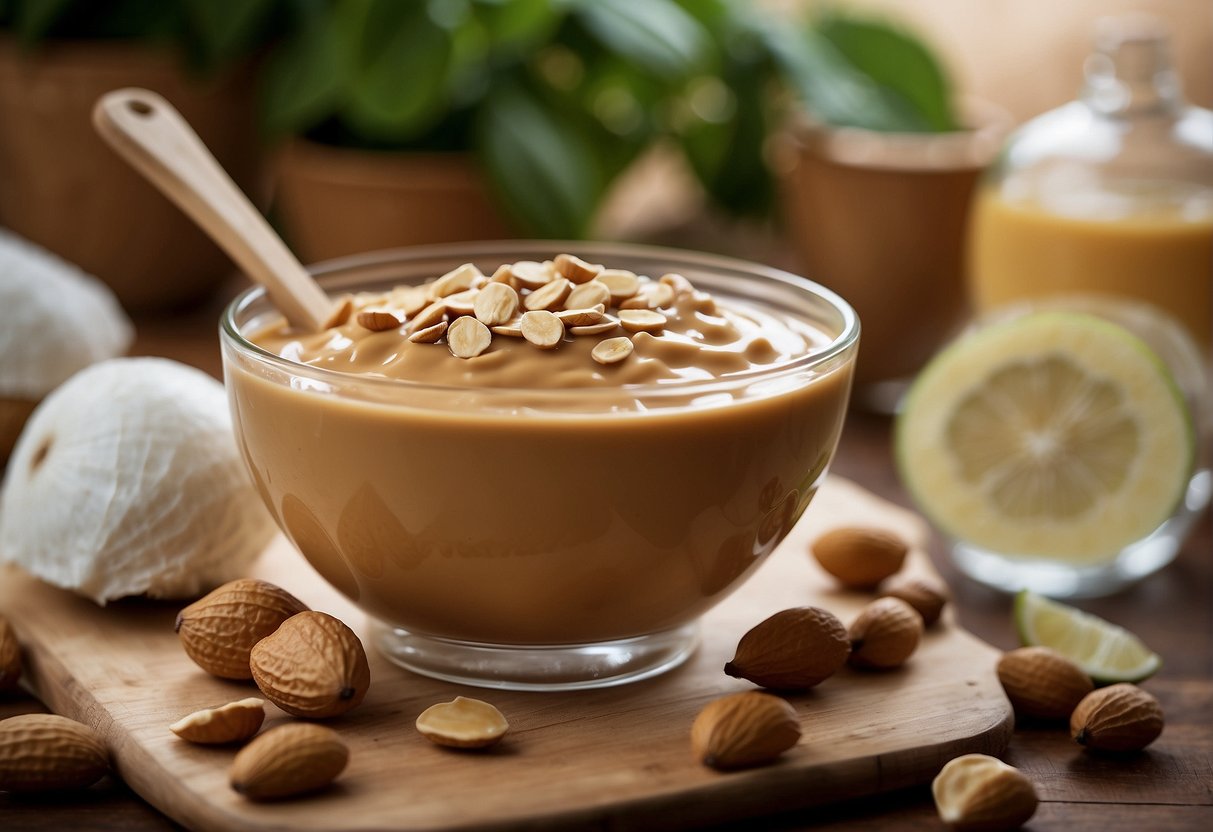
In my kitchen, I love whipping up a batch of homemade coconut peanut butter. It’s surprisingly simple, requires just a few ingredients, and the end result is a rich blend that’s both nutritious and satisfying.
Preparation Steps
To start, I gather my food processor or a high-speed blender, my favorite choice being a Vitamix for its power. I ensure that I have dry roasted peanuts, unsweetened coconut flakes, a bit of coconut oil, and my preferred sweetener—often honey or maple syrup for natural sweetness. For an extra kick, I sometimes add vanilla extract or a pinch of cinnamon or sea salt to enhance the flavors. My prep time is minimal, just a few minutes to measure and gather my ingredients, and the total time from start to finish is typically under 15 minutes.
- Ingredients: Dry roasted peanuts, unsweetened coconut flakes, coconut oil, sweetener of choice
- Tools needed: Food processor or high-speed blender
Texture and Consistency
I aim for a smooth and creamy texture, similar to traditional peanut butter. I blend the coconut flakes first until they’re fine and sandy before adding the peanuts. I process the mixture for several minutes, stopping occasionally to scrape down the sides. The key is to let the blender or food processor work its magic until my coconut peanut butter reaches that perfect, spreadable consistency.
- Desired texture: Smooth and creamy
- Blending time: Several minutes, with intermittent scraping
Storage and Shelf Life
Once done, I transfer my coconut peanut butter to a glass jar or a mason jar and secure it with a tight lid. It stores well at room temperature for quick use, but for longer shelf life, I keep it in the fridge where it can last for up to a month. Always remember, natural oils separate over time, so I give it a good stir before using it again.
- Storage containers: Glass jar or mason jar
- Shelf life: 1-2 weeks at room temperature, up to 1 month refrigerated
Making my own peanut butter allows me to control both the nutrition and calories, and adding coconut gives it a tropical twist that’s perfect for a smoothie or as a vegan spread. Plus, it just feels great to know exactly what’s in my food.
Nutritional Profile and Dietary Information
Mixing peanut butter with coconut water creates a nutrient-dense beverage that offers energy, healthy fats, and hydration. Here, I’ll break down the macronutrients and outline key dietary considerations.
Macronutrients Breakdown
Peanut Butter:
- Protein: High in protein, making it a great option for muscle repair and growth.
- Fat: Contains healthy fats, primarily monounsaturated and polyunsaturated fats.
- Carbohydrates: Lower in carbs, majority of which comes from fiber, reducing its net carb count.
- Calories: Energy-dense, providing a significant amount of energy per serving.
- Fiber: An excellent source of dietary fiber.
Coconut Water:
- Potassium: High in potassium, essential for heart health and electrolyte balance.
- Calcium: Contains calcium, important for bone health.
- Sodium: Usually has a bit of sodium, which can help with hydration.
- Calories: Low in calories, making it a light addition to peanut butter.
- Carbohydrates: Contains naturally occurring sugars and carbohydrates, but typically no added sugar.
Dietary Considerations
For those following a plant-based diet, mixing these two is perfect since both are vegan options. If you’re looking for a gluten-free or dairy-free snack, this combination fits the bill without any hassle. Moreover, you won’t find any added sugars here, but remember coconut water does have natural sugars.
Nutrients wise, I’m getting a boost from the protein in peanut butter and the electrolytes like potassium from coconut water, which can be especially refreshing after a workout. However, since peanut butter is calorie-dense, I need to watch my portions to keep my energy intake balanced.
Serving Suggestions and Uses
I’ve found some delightful ways to mix peanut butter and coconut water that can spice up both your breakfast and snack game, as well as create some unique recipe combinations.
Breakfast and Snacks
For a tropical twist on breakfast, I like to serve my overnight oats with a mix of coconut water and a dollop of peanut butter — it brings a nice balance of nutty and sweet flavors. This link provides a simple way to achieve that taste of the tropics in your overnight oats. Snacks can also benefit from this combo; I blend coconut water, bananas, and peanut butter for a refreshing smoothie that’s both filling and energizing.
- Overnight Oats: Swap traditional milk with coconut water and stir in peanut butter.
- Smoothies: Blend 1 cup coconut water, 1 banana, and 2 tablespoons peanut butter.
Granola is another option where you can sprinkle bits of toasted coconut and drizzle peanut butter for a quick on-the-go treat.
Creative Recipes and Combinations
Peanut butter and coconut water combined can elevate a simple recipe into something special. I’ve used this combination in vegan curries to add a creamy texture without dairy products, and it’s a game-changer. Concoct a smoothie bowl by using coconut water as your liquid base, adding peanut butter for richness, then top with crunchy rolled oats, fresh berries, or sliced banana for a nutritious meal.
If you’re up for trying something different, replacing almond butter with peanut butter in a recipe can introduce a new flavor profile. For example, you can mix peanut butter with cocoa powder, using coconut water to adjust the consistency for a decadent, health-conscious treat as suggested in this recipe for a peanut butter smoothie.
- Curry: Incorporate coconut water and peanut butter for a silky sauce.
- Smoothie Bowl: Use coconut water as your base, blend with bananas and berries, and swirl in peanut butter.
Lastly, I sometimes enjoy spreading peanut butter on sandwiches and then adding some almond butter or toasted coconut to enhance the flavor and texture.
Customization and Variations
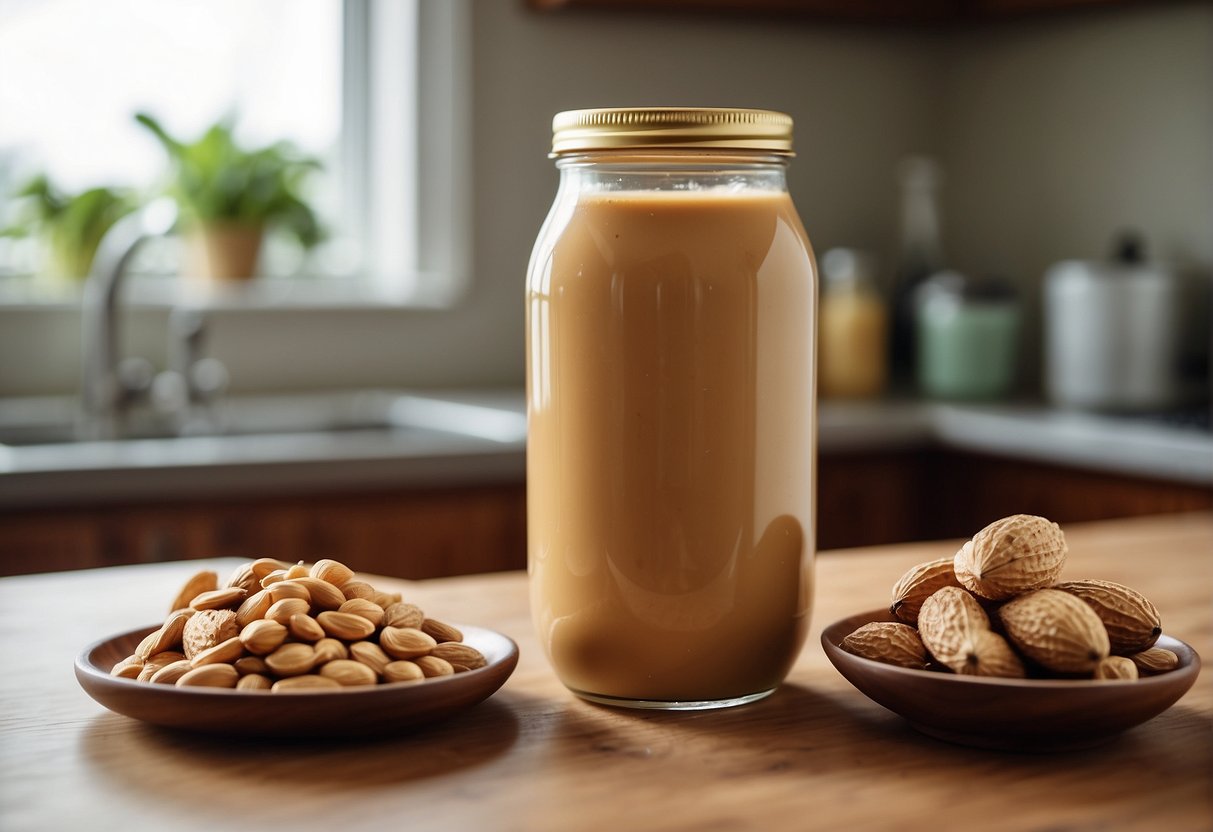
When I’m in the kitchen, I love getting creative with my concoctions. Mixing peanut butter with coconut water is one of those areas where there’s room to play around with ingredients and flavors.
Alternative Ingredients
In the spirit of experimentation, I often explore different nuts and seeds to add variety to my spreads. For a change from traditional peanut butter, I might whip up homemade coconut peanut butter by blending unsalted peanuts with coconut flakes and a dash of coconut water for smoothness. If peanuts aren’t your thing, dive into the world of seed butters using hemp, chia, or pumpkin seeds. Nut milks like almond milk can also replace coconut water to adjust the consistency.
Sweetness and Flavor Adjustments
My taste buds crave a bit of sweetness sometimes, so I’ll throw in a tablespoon of homemade Nutella for a chocolatey twist. A drop of vanilla or a sprinkle of cinnamon can enhance the flavor without overpowering the natural goodness of the natural peanut butter. For those who prefer a nuttier profile, pecan butter or cashew butter are fantastic for adding depth. If you’re watching your sugar intake, stick to unsweetened coconut flakes – they offer that tropical taste without the extra sugar.
Frequently Asked Questions
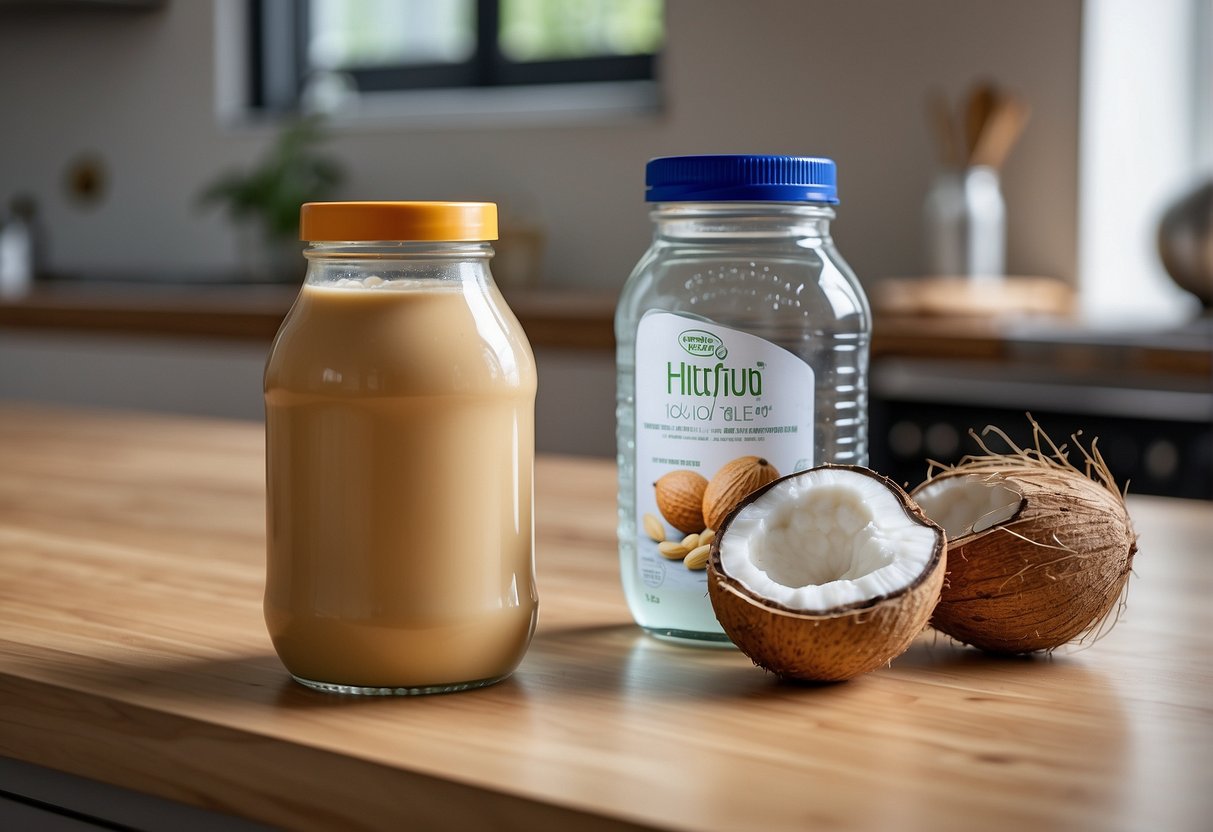
I’ve gathered some common questions around mixing peanut butter with coconut water, especially for those curious about this unique combination in smoothies and its benefits.
Is it healthy to add peanut butter to a coconut water smoothie?
Adding peanut butter to a coconut water smoothie can be healthy when done in moderation. The protein and healthy fats in peanut butter complement the electrolytes and hydration benefits of coconut water, making for a balanced beverage.
What are some good recipes for smoothies with both coconut water and peanut butter?
There are delicious recipes that blend the creaminess of peanut butter with the refreshing taste of coconut water, like the easy-to-make Coconut Water Smoothie with greens, which is both nutritious and hydrating.
Can combining coconut water with peanut butter enhance workout recovery?
Yes, after a workout, the duo of coconut water and peanut butter can be effective for recovery. Coconut water provides hydration and electrolytes, while peanut butter offers protein and fats essential for muscle repair.
Are there any weight loss benefits from drinking smoothies with coconut water and peanut butter?
Smoothies with coconut water and peanut butter can fit into a weight loss diet as a nutrient-dense option. However, it’s important to watch portion sizes due to the calorie content of peanut butter.
How do coconut water and peanut butter complement each other in a smoothie?
Coconut water adds hydrating qualities with a tropical twist, while peanut butter contributes a creamy texture and richness in flavor, resulting in a well-balanced smoothie that’s both tasty and satisfying.
What are the effects of substituting water with coconut water in a peanut butter banana smoothie?
Substituting water with coconut water in your peanut butter banana smoothie not only enhances the flavor but also boosts the hydrating benefits, making it an ideal post-workout drink to replenish fluids and nutrients.