
Comparing Nutritional Values
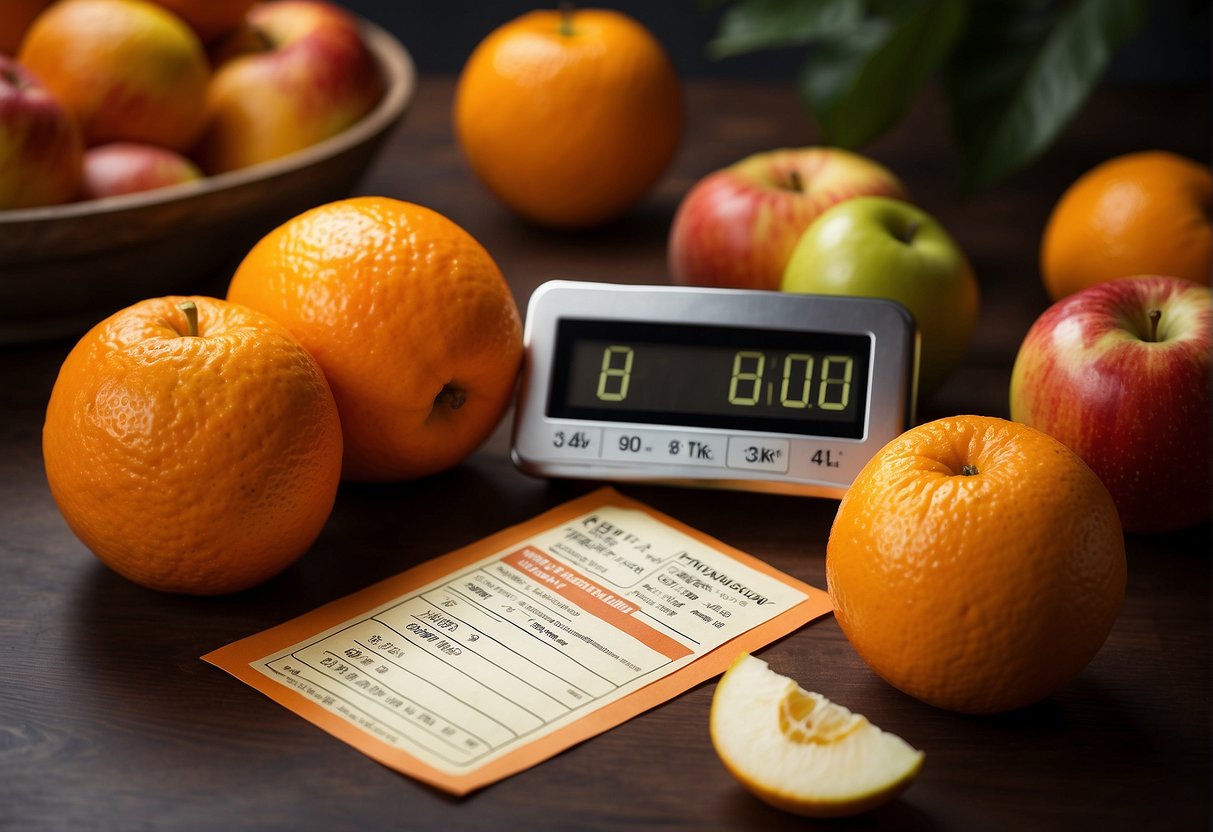
When I look at oranges and apples, I’m struck by their unique nutrient profiles that contribute to a balanced diet. Both offer essential vitamins and minerals, but in varying amounts that can complement each other when mixed.
Vitamin and Mineral Content
Oranges: Packed with vitamin C, one orange can give me more than what I need for the day. This powerhouse nutrient is essential for my immune system and also acts as an antioxidant. Oranges also supply a good hit of potassium, which is great for my heart health, and a decent amount of fiber to keep my cholesterol in check.
Apples: They’re a solid choice for fiber, especially when I eat the skin, helping to keep my digestive system running smoothly. Although not as high in vitamin C as oranges, apples offer antioxidants like flavonoids and polyphenols. These nutrients are stars when it comes to protecting my cells from damage. Apples also have a modest amount of vitamin K, important for my blood health, and are a good plant source of iron.
When I’m aiming for a mix of vitamins and minerals, combining both fruits can be a smart move. My body thrives on a variety, and mixing oranges and apples allows me to harness their nutritional benefits in a tasty, convenient way.
Culinary Uses
I’ve found that combining apples and oranges in cooking can add a wonderful mix of sweet and tangy flavors to a variety of dishes. Whether it’s a fresh salad or a cozy dessert, these two fruits play surprisingly well together.
Recipes and Flavor Pairings
When I think of fruit flavor pairing, nothing beats the classic combo of apples and oranges. My go-to recipe for a refreshing salad is one that brings out the best in both fruits. I whisk together some olive oil, red wine vinegar, and orange juice to create a dressing that has a perfect balance of sweetness and zest. Then, I add in chopped apples, a handful of raisins, and some walnuts or pecans for a satisfying crunch. For an extra punch, a sprinkle of cinnamon and a dollop of honey make it irresistible.
- Ingredients:
- Apples (cored and chopped)
- Oranges (peeled and sectioned)
- Raisins
- Nuts (like walnuts, almonds, or cashews)
- Dressing: Olive oil, Orange juice, Red wine vinegar
I also love to start my day with an apple orange smoothie. I toss apples and oranges into my blender with a splash of lemon juice for added tang. Sometimes, I’ll throw in blueberries or strawberries for extra depth and a few nuggets of ginger for a warm zing. It’s a pure, fruit-packed start to any morning.
Cooking Methods
But it’s not all about raw preparations. When I cook with apples and oranges, I reach for the juicer or blender and a strainer to create silky purees that are great for dessert sauces or a tangy breakfast topping. Baking them together brings out their natural sugars; I love serving spiced apples with a rich orange sauce—a dash of cinnamon, sugar, and a bit of orange juice mixed together transforms it into something special.
- Dessert Cooking Method:
- Bake spiced apple and orange slices with cinnamon and sugar
- Serve with a sauce made from reduced orange juice and a splash of lemon juice
And don’t forget a savory twist! I find that a pinch of pepper or a sprinkle of finely chopped nuts turns an everyday apple and orange mix into a side dish that pairs perfectly with poultry or pork. Whether it’s the centerpiece of a meal or a versatile side, these fruits have so much to offer.
Health Considerations
When I think about mixing apples and oranges, I consider how both fruits can contribute to my health. I look at the dietary benefits I can gain from each fruit and weigh any potential risks they might carry.
Dietary Benefits and Risks
Apples are a staple in my diet because they’re not only refreshing, but they’re also a great source of dietary fiber. This can aid in my digestion and possibly help with managing cholesterol levels, which is a boon for heart health. I know they’re low in calories too—only about 95 in a medium apple—so they fit well into my meal plan.
Oranges, on the other hand, have always been my go-to for a quick boost to my immune system due to their high vitamin C content. I’ve found that they also have a decent amount of fiber.
Combining these two fruits, I get a snack that’s not only varied in flavor but also beneficial for keeping my body feeling well. I’ve never heard my doctor say that this mix would be harmful, and I do believe variety is key in any diet.
However, I stay mindful about portion sizes and the rest of my diet. I know that too much of any food can have its downsides. For example, excessive fruit consumption can lead to high sugar intake which isn’t the best for my friends managing diabetes. That said, in reasonable amounts, I’ve found this fruity duo to be a healthy addition to my routine.
Food Storage and Preservation
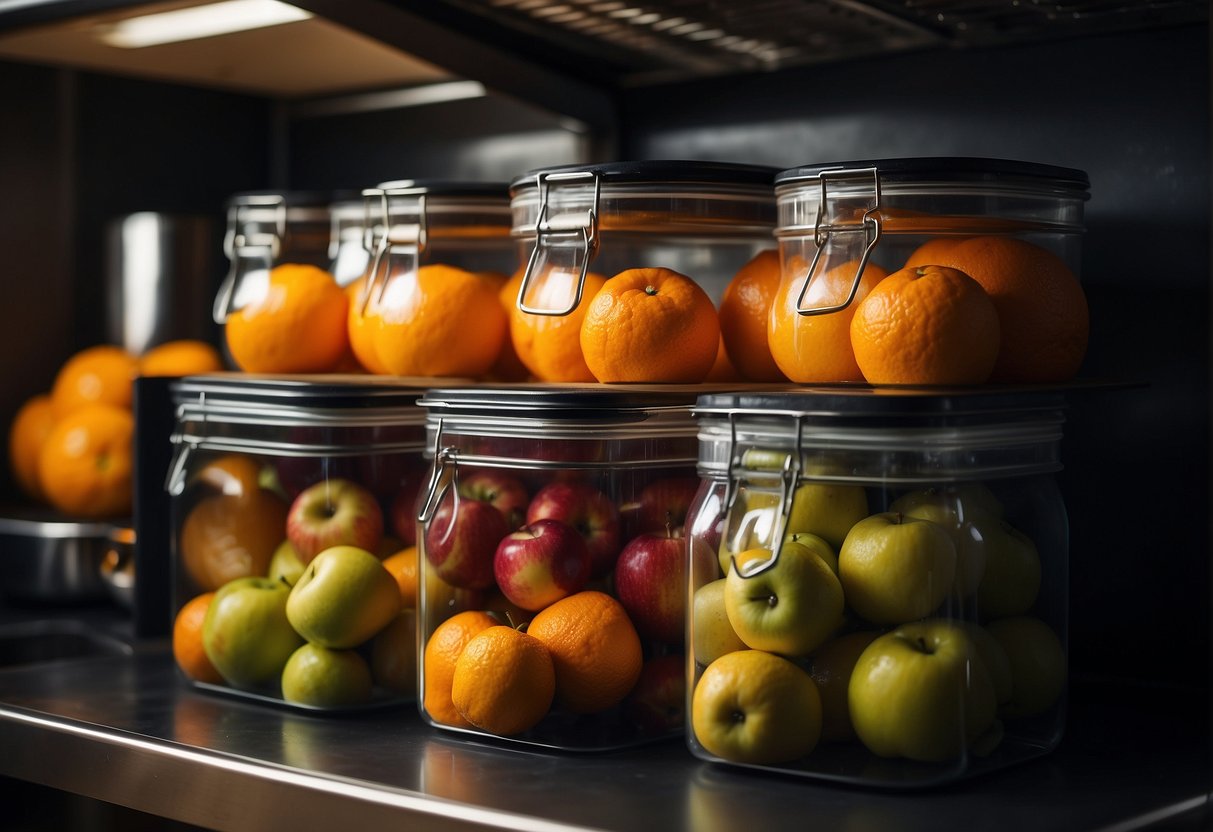
When it comes to keeping fruits fresh and tasty, understanding how they interact during storage is crucial. I’ll walk you through how to handle and store different types of fruits properly and explain a bit about their shelf life and ripening process.
Proper Handling and Storage
Storing ethylene-producing fruits like apples can be tricky because they release ethylene gas, which can speed up the ripening and spoilage of nearby produce. For instance, if I store apples with avocados, which are also ethylene-sensitive, the avocados might ripen too quickly. Here’s a handy list of ethylene producers and sensitive fruits and veggies:
- Ethylene Producers: Apples, peaches, avocados, tomatoes, bananas
- Ethylene Sensitive: Potatoes, lemons, onions, leafy greens
To keep my citrus fruits, such as lemons and grapefruits, in tip-top shape, I store them at room temperature away from ethylene producers. For colder storage, I wrap them loosely in mesh or a perforated bag for airflow.
Shelf Life and Ripening
Fruits like papayas, pomegranates, and certain sweet fruits have varying shelf lives. Papayas ripen pretty fast, so I monitor them closely, while pomegranates can last quite a while in cool storage. It’s fascinating to note how different fruits require different storage atmospheres:
- Acidic fruits: best stored separately to prevent them from accelerating spoilage in other foods.
- Sub-acidic foods: like plums, can be more forgiving with neighbors, but I still keep an eye out for any unfavorable interactions.
As for sweet fruits, they are best friends with celery and onions since they’re largely unaffected by ethylene. Just keep them in separate crispers to avoid flavor transfer. That’s everything from my side for food storage and preservation!
Cultural and Social Aspects
Before diving into the symbolism, it’s intriguing to note how mixing apples and oranges does more than create a vibrant fruit bowl; it serves up a feast of meaning. From health discussions to summery vibes, this combo makes regular cameos in articles and YouTube chat alike.
Symbolism and Metaphors
Apples and oranges have long been symbols in their own right. In my reads, I’ve seen the apple pop up in mythologies and religions, often connected with knowledge, sin, or immortality. I’ve even stumbled upon an educational program that uses these fruits metaphorically to discuss identity and cultural diversity – pretty cool, right?
Oranges, on their side, beam with a sort of sunny symbolism, often linked to good health and prosperity. They’re like little suns you can hold in your hand, which is likely why they’re such a hit in the summer months. Plus, they’re among the healthiest fruits to toss into the mix, and that’s not just me saying it – plenty of nutrition articles out there back me up.
So, when someone says you’re mixing apples and oranges, they’re not just talking about your snack choices; they’re hinting at an unlikely, yet enriching, combination.
Frequently Asked Questions
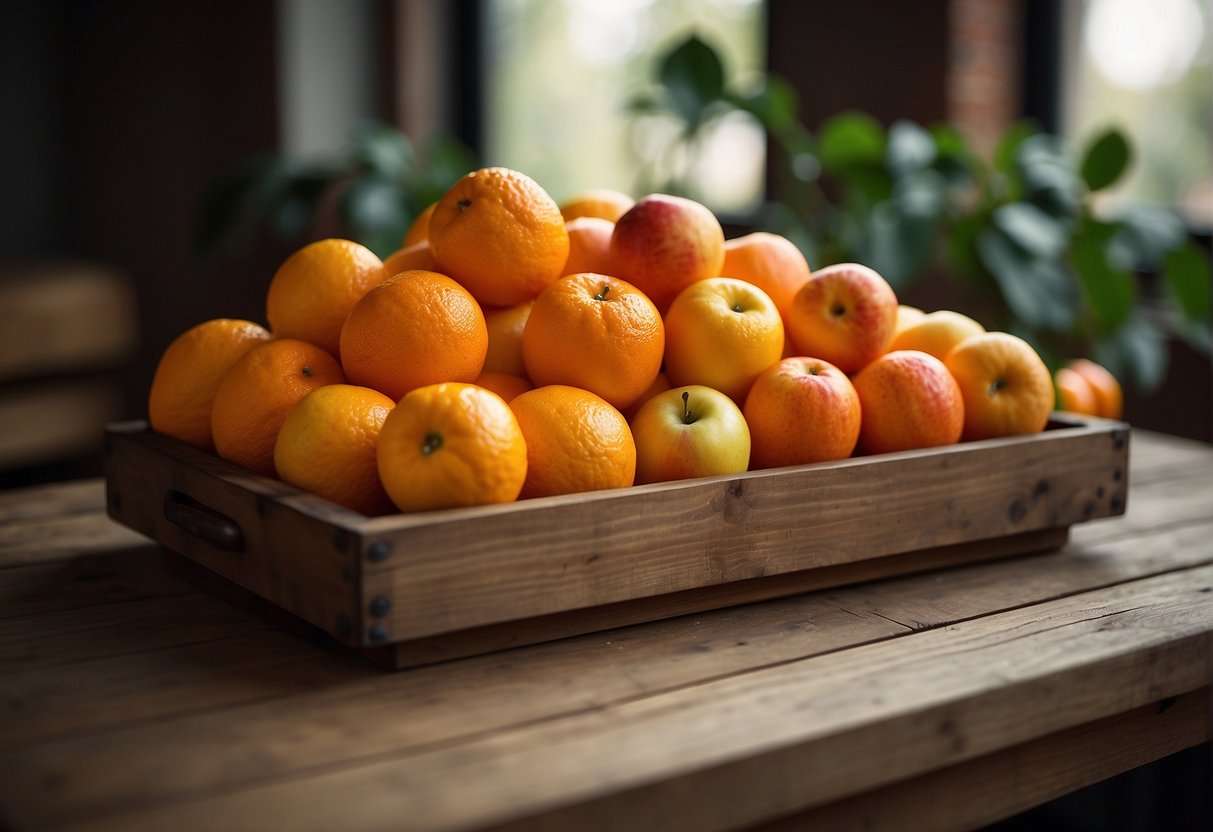
In this section, I’ll touch on some of the most common curiosities people have when it comes to mixing apples and oranges.
Can you toss different fruits like apples, oranges, and bananas into a salad?
Absolutely, I often mix fruits like apples, oranges, and bananas in salads for a variety of flavors and textures. It’s a refreshing and nutritious option.
Is it cool to whip together a smoothie with apples and oranges?
Sure thing, blending apples and oranges together in a smoothie works great. The tanginess of oranges balances the sweetness of apples, making for a tasty treat.
What are the perks of drinking a combo of apple and orange juice?
Drinking a mix of apple and orange juice gives you a good dose of vitamins A and C. Plus, the flavors complement each other for a delicious health boost.
Is there a delicious recipe for an apple and orange juice blend?
I’ve got a simple one! Just press one orange and one apple in a juicer, mix, and enjoy! It’s that easy to make a tasty apple-orange juice at home.
Are there any fruits that shouldn’t hang out with oranges in a fruit mix?
While most fruits play nice with oranges, it’s wise to remember that some, like melons, are best enjoyed separately. They digest better that way.
Do apples and oranges both need to chill in the fridge, or what’s the deal?
Not necessarily. I keep my oranges on the counter and apples in the fridge. Oranges like it cool and dry, while apples last longer in colder temps.