
Health Benefits of Mixing Mango and Kale
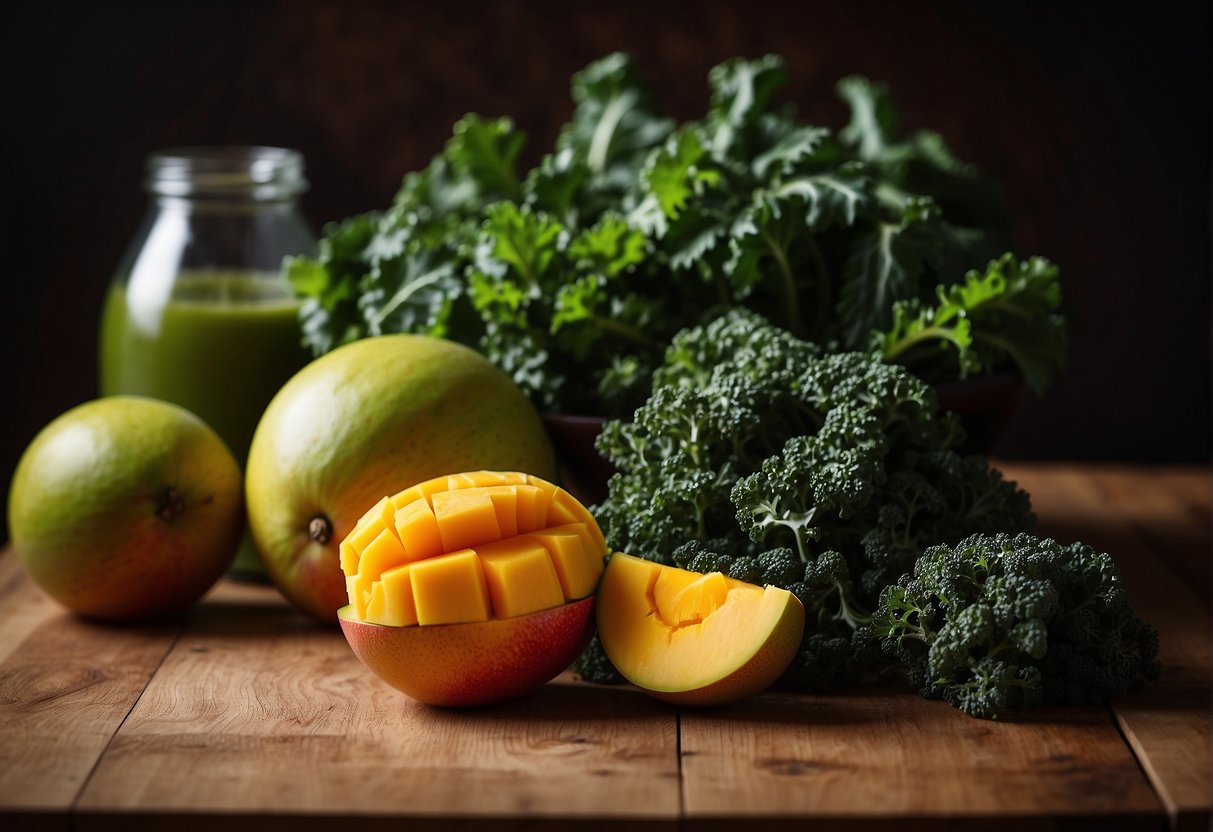
When I toss some mango and kale together, it’s like a little party for my body because of the nutrient boost it gets. Mangoes are not just sweet and juicy; they’re a treasure trove of nutrients, including a hefty dose of vitamin C and vitamin A. Here’s what I love about this combo:
-
Vitamins Galore: Kale and mango together cover a broad spectrum of vitamins. Kale is dense with vitamin K, crucial for blood clotting and bone health, while mango is rich in vitamins that support vision and immune function.
-
Fiber Fix: The fiber in this mix is fantastic. Both kale and mango contribute to my daily fiber needs, keeping my digestion smooth.
-
Minerals and More: I get a good amount of potassium from mangoes, which supports my heart health. Add to that the calcium and iron from kale, and I’m supporting my bones and blood too.
Here’s a quick breakdown of some of the benefits:
| Nutrient | Benefit |
|---|---|
| Vitamin C | Boosts my immune system |
| Antioxidants | Protects my cells from damage |
| Vitamin A | Helps keep my eyes and skin healthy |
| Iron | Essential for healthy blood cells |
| Omega-3s | Contribute to heart health |
Not to mention, kale brings to the table its antioxidants and omega-3 fatty acids, which are good for my heart and brain. And, the healthy fats from mangoes help with absorbing all these nutrients more efficiently.
So, every time I blend these two in a smoothie or toss them in a salad, I know I’m doing something great for my well-being. Plus, the natural sweetness of mango balances the bitter notes of kale, making it truly enjoyable to eat my greens and fruits together.
Delicious Smoothie Recipes with Mango and Kale
When I want a quick and nutrient-packed meal, I often go for a smoothie. They’re incredibly easy to make, especially when I’m using a trusty blender. Here, let me share a couple of my go-to smoothie recipes that blend the deliciousness of mango and kale.
Mango Kale Smoothie with Banana and Greek Yogurt
I start by tossing in some kale leaves—I prefer baby spinach or frozen kale if I’m out of fresh—into the blender. Then, I add a ripe banana for that creamy texture and natural sweetness. Next comes the mango; either fresh or frozen mango chunks work well. I pour in a dollop of Greek yogurt for a protein kick and pour some almond milk to get the right consistency. If I want it sweeter, a drizzle of honey or maple syrup does the trick.
Tropical Mango Kale Smoothie with Protein Powder
Sometimes I’m in the mood for something that takes me to tropical places, so I choose the tropical mango kale smoothie. The process is similar: kale and mango as the green and fruit bases, respectively. For extra protein, I scoop in some protein powder or a tablespoon of nut butter. To enhance the texture, I throw in a few tablespoons of chia seeds or hemp seeds. Just blend it all with water or ice and it feels like I’m sipping sunshine.
| Ingredient | Quantity |
|---|---|
| Kale leaves | 1 cup |
| Ripe banana | 1 |
| Mango chunks | 1 cup |
| Greek yogurt | 1/2 cup |
| Almond milk/water | As needed |
| Honey/maple syrup | To taste |
| Protein powder | 1 scoop |
| Chia/Hemp seeds | 1 tbsp each |
| Ice | A few cubes |
And there you have it—the simplest way to enjoy mango and kale in a drink. Whether you’re making a smoothie bowl or a drinkable smoothie, just remember that the key is in the blend. Happy sipping!
Selecting and Preparing Ingredients
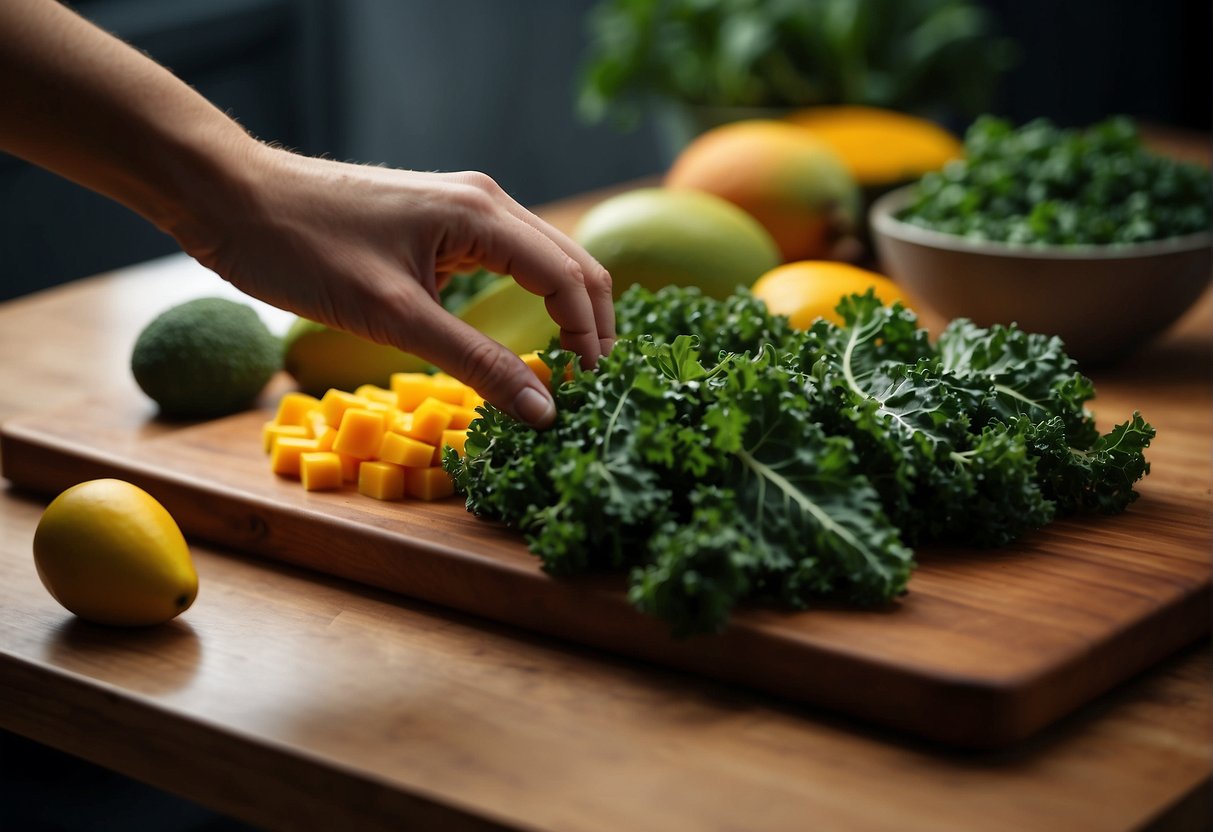
When I’m making a mango and kale smoothie, I start by picking out the ripest fresh mango I can find, ensuring it has a slight give to the touch, indicating juicy sweetness. If fresh isn’t an option, frozen mango chunks work well. They can actually make the smoothie creamier and save me the hassle of chopping.
For kale, I look for vibrant, dark green leaves. I make sure they’re not wilted or yellowish because that could add unwanted bitterness to my smoothie. I wash the leaves thoroughly and remove the hard stem as it can be tough to blend.
Here’s a quick fix when I want a milder taste or when kale is sparingly available in my kitchen: I substitute half of it with spinach. Spinach has a softer texture and blends seamlessly, making it a great pairing with kale.
Now, the fun part! I sometimes throw in a banana for a naturally sweet depth or some berries for a tangy kick. If I’m feeling adventurous, kiwi, blueberries, peaches, or strawberries boost the vitamin content and add a pop of flavor.
To round it off, I like incorporating healthy fats. A scoop of nut butter or a handful of nuts provides richness and helps with nutrient absorption. Avocados can also be a creamy addition, bringing in good fats without overshadowing the fruity stars.
Lastly, leafy greens like kale do tend to hold onto their bitterness, so balancing it out with the sweetness of the fruit is key. I taste as I go, ensuring every sip is a harmonious blend of health and flavor.
| Ingredient | Prep |
|---|---|
| Mango | Fresh: Peel and cube. Frozen: Thaw slightly. |
| Kale | Wash, stem removed. |
| Spinach (optional) | Wash, fresh leaves. |
| Banana/Other Fruits | Peel/slice as needed. |
| Healthy Fats | Measure and add. |
Customizing Your Kale and Mango Blends
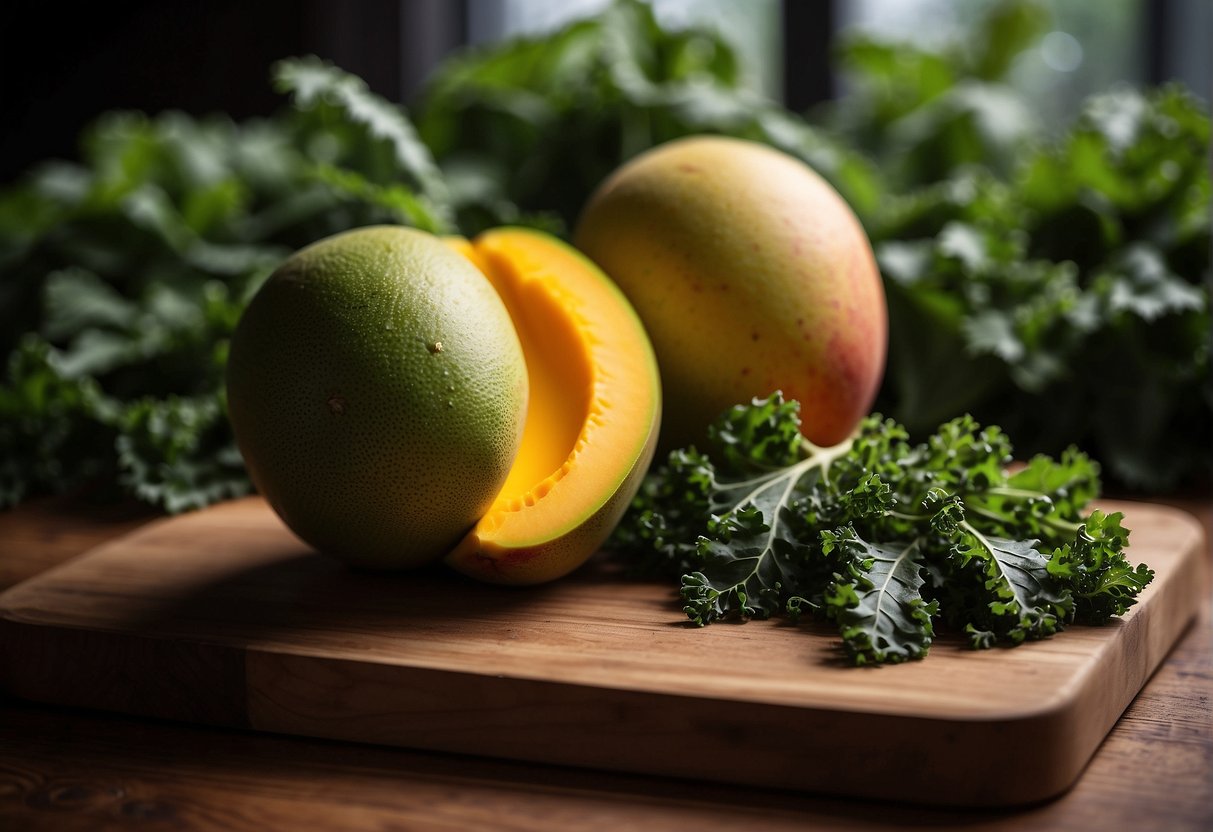
When I blend up a kale and mango smoothie, I love adding a personal twist to suit my taste and nutritional needs. Whether it’s altering the base to fit a vegan diet or packing in extra nutrients, the possibilities are endless.
Vegan and Plant-Based Alternatives
For my vegan friends or those leaning towards plant-based diets, I switch out dairy for alternatives like unsweetened almond milk, soy milk, or coconut milk. They’re excellent bases that maintain the creamy texture we all crave. Nut butters such as almond butter, **nutritional boosters like flax seeds or chia seeds, and vegan protein powders are my go-tos to ramp up the protein content without any animal products.
Boosting the Nutritional Value
To turn my smoothie into a powerhouse of nutrition, I add hemp hearts, flax seeds, or a scoop of protein powder. Not only do they enhance the protein count, but they also provide beneficial omega-3 fatty acids. Sprinkling in nuts or seeds directly into the mix adds crunch and extra nutrients.
Alternative Sweeteners and Flavor Enhancers
Let’s face it, kale can be bitter. I sweeten things up with natural options like honey, maple syrup, or even a dash of vanilla extract. For a more exotic twist, I sometimes splash in some coconut water, orange, or pineapple juice to make those greens more palatable.
Creating a Smoothie Bowl
When I’m feeling fancy, I pour my blend into a bowl and top it with granola, a variety of nuts, fresh berries, and slices of banana. A sprinkle of chia seeds or hemp seeds not only beautifies my bowl but also adds a textural contrast and an extra nutritional kick.
Adjustments for Dietary Restrictions
If I’m catering to specific dietary restrictions, I take extra care. I’ll use unsweetened almond milk or soy milk as a base for those watching their sugar intake. For a non-dairy protein boost, I rely on vegan protein powders. And, if I need to avoid nuts, I swap out nut butter for hemp seeds or sunflower seed butter. Those looking for a low-fat option may opt for non-fat Greek yogurt in place of nut butters.
Frequently Asked Questions
When it comes to combining mango and kale, I often get asked about the potential health perks, taste, and even specific recipes. Let’s dive into some of the most common questions.
What are the health benefits of adding kale to a mango smoothie?
By adding kale to my mango smoothie, I’m packing it with vitamins A, K, and C, as well as fiber and antioxidants. It’s a fantastic way to boost nutrient intake, especially when you’re on the go.
Can you make a tasty kale and mango smoothie without including banana?
Absolutely! I can make a delicious kale and mango smoothie by using ingredients like almond milk, yogurt, or citrus juices to create a creamy texture without the banana.
Could you share a recipe for a Mango Kale Smoothie similar to Smoothie King’s?
Sure, I can whip up a smoothie that’s inspired by Smoothie King’s version. It involves blending together kale, mango, a plant-based milk, some nuts for protein, and a natural sweetener.
How do you calculate the caloric content of a mango and kale smoothie?
To figure out the calories, I add up the caloric value of each individual ingredient used in the smoothie. There are also apps and websites that can help calculate this if you input the details.
What’s the best type of kale to use when making a smoothie?
In my experience, curly kale tends to be the most commonly used in smoothies due to its mild flavor, but lacinato (dinosaur) kale is also a great choice for a smoother texture.
Is it better to use kale raw or cooked when making smoothie blends?
I usually go for raw kale in smoothies because it retains more nutrients and the blender does an excellent job of breaking down the leaves, making them easy to digest.