
Benefits of Mixing Blueberries and Coconut Water
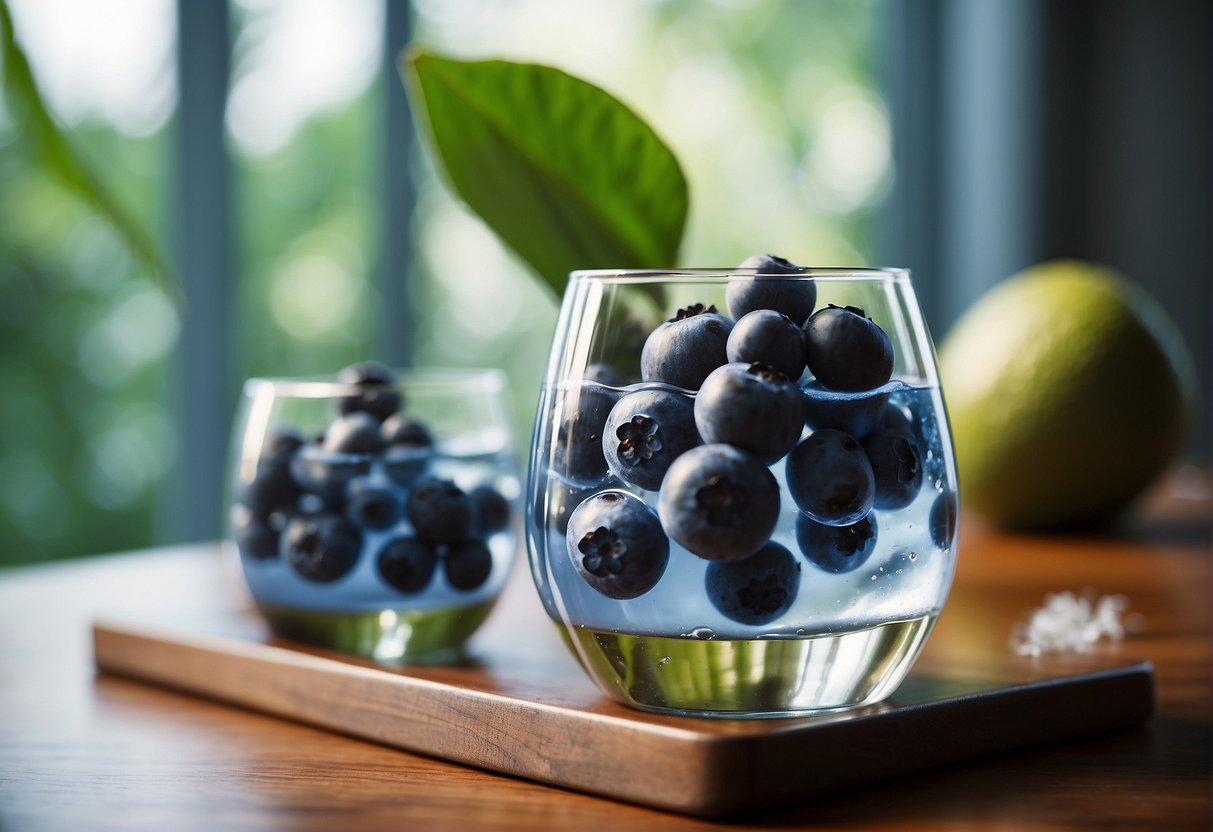
When I mix blueberries and coconut water, I’m not just whipping up a tasty drink; I’m crafting a nutrient-rich beverage. Blueberries are renowned for their antioxidant properties. These small but mighty fruits help neutralize free radicals in my body, which may otherwise contribute to aging and diseases.
Here’s a quick breakdown of what this combo offers:
- Antioxidants: Blueberries are packed with these, especially vitamin C, helping fight oxidative stress.
- Hydration: Coconut water is a hydration powerhouse, trumping plain water with its electrolyte content.
- Fiber: Snagging some fiber from blueberries aids in my digestion.
- Nutrients: Blueberries bring in a slew of vitamins and minerals, such as vitamin K, vitamin C, and manganese.
- Potassium: Coconut water is high in potassium, which is key for my heart health.
- Vitamins & Minerals: Both ingredients are nutrient-dense, contributing to my overall vitamin and mineral intake.
Not to mention, coconut water is naturally hydrating and gives me a boost, which is perfect after a workout. Plus, the drink is relatively low in calories, making it a guilt-free way to rehydrate and replenish electrolytes.
By combining these two, I’m getting a cocktail of vitamins and minerals that not only taste great but also support my overall health. This mixture is a great way for me to stay hydrated throughout the day, and it’s refreshingly light. It’s definitely a win-win in my book!
Blueberry Coconut Water Smoothie Recipes
I’m always on the lookout for delicious and nutritious smoothie recipes, and combining blueberries with coconut water is a winner in my book. Not only do these smoothies taste amazing, but they’re also packed with antioxidants and hydration benefits. Check out these variations, they’re my go-tos when I need a quick, healthy pick-me-up.
Classic Blueberry Coconut Water Smoothie
For a classic blueberry coconut water smoothie, I blend a cup of fresh blueberries with a cup of refreshing coconut water. Sometimes, I like to toss in a banana for some natural sweetness and a creamy texture. It’s that simple, and it’s absolutely delicious.
Vegan Blueberry Coconut Hydration Boost
When I’m looking for a vegan twist, I create my Vegan Blueberry Coconut Hydration Boost. I start with the standard blueberries and coconut water, and then I add a scoop of chia seeds. Not only do they give a nutritional edge with omegas, but they also thicken the smoothie to a satisfying consistency.
Post-Workout Berry Coconut Protein Shake
After hitting the gym, I whip up my Post-Workout Berry Coconut Protein Shake. Along with blueberries and coconut water, I add a scoop of my favorite plant-based protein powder to help with muscle recovery. This shake is the perfect blend of flavor and fitness fuel.
Choosing Ingredients and Preparing Your Smoothie
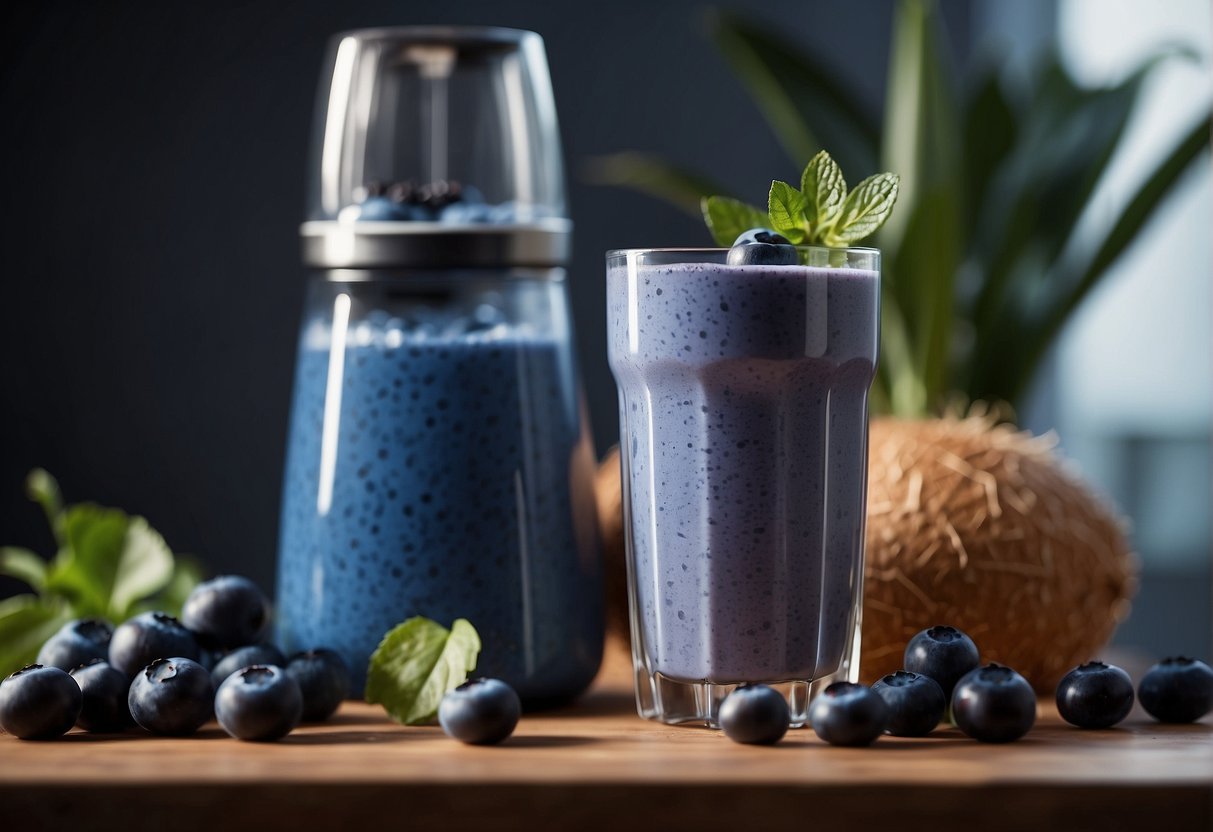
Before I dive into the specifics, it’s crucial to understand that a successful smoothie hinges on two factors: the quality of your ingredients and your blending technique. Now, let’s get started on picking the right stuff for that perfect blueberry-coconut water smoothie.
Selecting the Best Blueberries and Coconut Water
When I’m in the mood for a blueberry-infused refreshment, I make sure to select fresh, plump blueberries that are deep in color and free from any mold or shriveling. If blueberries aren’t in season, or if I just want a thicker smoothie, frozen blueberries are my go-to as they’re picked and frozen at peak ripeness. For the all-important liquid base, I opt for pure coconut water that’s free from added sugars or flavors to keep it natural and hydrating.
Additional Ingredients for Flavor and Nutrition
I like to jazz up my smoothie with a banana for creaminess and natural sweetness, which marries well with the tartness of the blueberries. If I’m after a protein kick, Greek yogurt or a plant-based alternative like almond milk can be great options, keeping it either dairy-full or dairy-free based on the choice. For a touch of sweetness without refined sugar, I might add honey or dates. And when I’m feeling extra health-conscious, a handful of greens can sneak in some extra nutrition information without overpowering the taste.
Smoothie Preparation and Blending Tips
Lastly, there’s an art to blending the perfect smoothie. I start by placing liquid ingredients, such as coconut water, at the bottom of my blender to help in creating a vortex that will more easily pull down the solid ingredients. I add my blueberries, followed by bananas or other fruits, and then any leafy greens or thickening agents on top. To keep it vegan, I make sure every added ingredient aligns with that lifestyle. I then blend until smooth, usually 30 seconds to a minute, depending on my blender’s power. If my smoothie’s too thick, I’ll splash in a bit more coconut water till it’s just right.
Customizing Your Smoothie to Dietary Needs
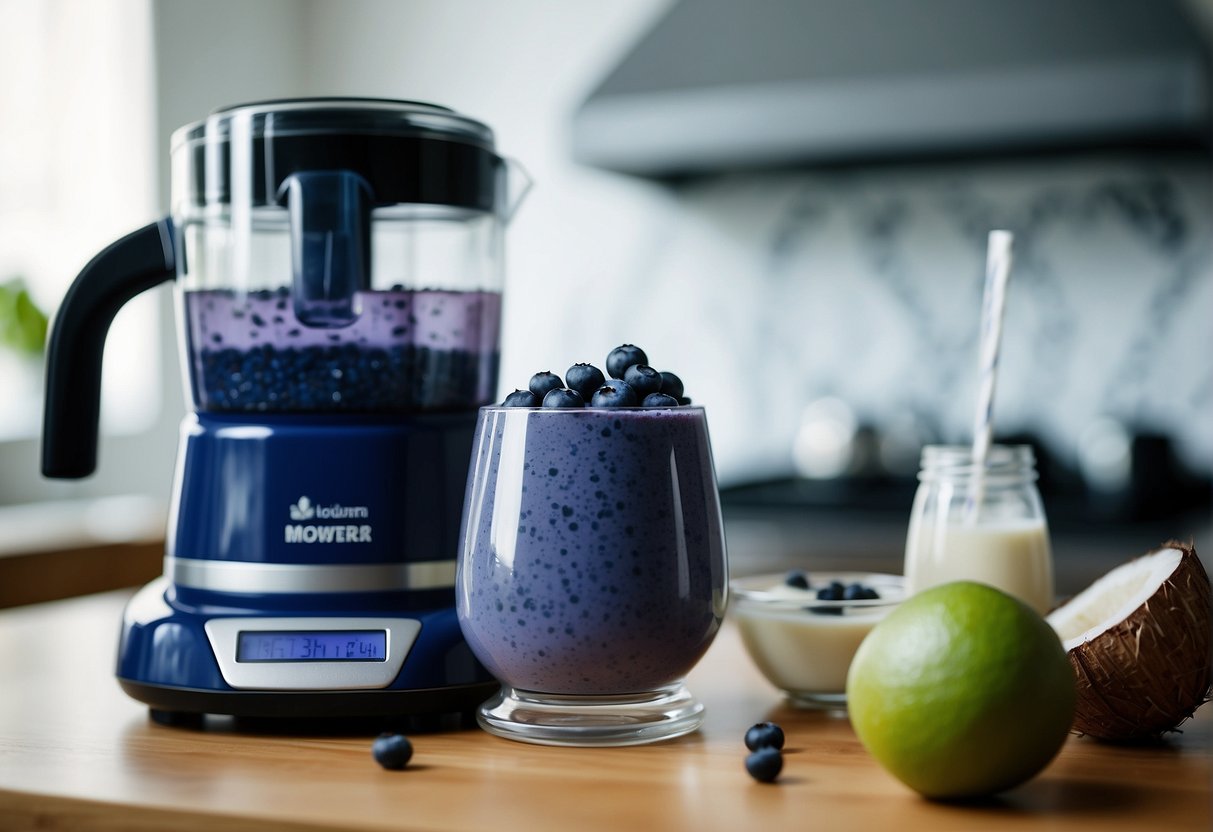
When I mix blueberries and coconut water for a smoothie, I always consider any dietary restrictions or goals. Here are a few simple ways I tweak the recipe to fit various needs, from gluten-free to plant-based to high-protein diets.
Making a Gluten-Free Berry Coconut Smoothie
I love that naturally, blueberries and coconut water don’t contain gluten. To make sure my berry coconut smoothie stays gluten-free, I carefully check the labels on any additional ingredients I might add. For instance, if I opt for a store-bought coconut milk yogurt alternative to thicken the recipe mentioned at Grateful Grazer, I make sure it’s certified gluten-free to avoid cross-contamination.
Plant-Based and Vegan Smoothie Variations
When I aim for a plant-based or vegan smoothie, I make sure all of my ingredients are free of animal products. I choose dairy-free options like almond milk or a coconut milk yogurt alternative, as suggested by Hungry Healthy Happy, to add creaminess. Plus, I sweeten my smoothie with maple syrup instead of honey for that sweet touch while keeping it vegan.
High-Protein Smoothie Options for Athletes
To bump up the protein in my smoothie, which is essential for my post-workout recovery, I incorporate plant-based protein powders. Hemp or pea protein are great options that blend well without altering the delicious berry flavor. Incorporating sources of fiber and antioxidants is also key, so I don’t skip on the blueberries which are a superfood packed with those nutrients, as highlighted by the smoothie at A Radiantly Healthy Life.
Storage and Presentation Tips
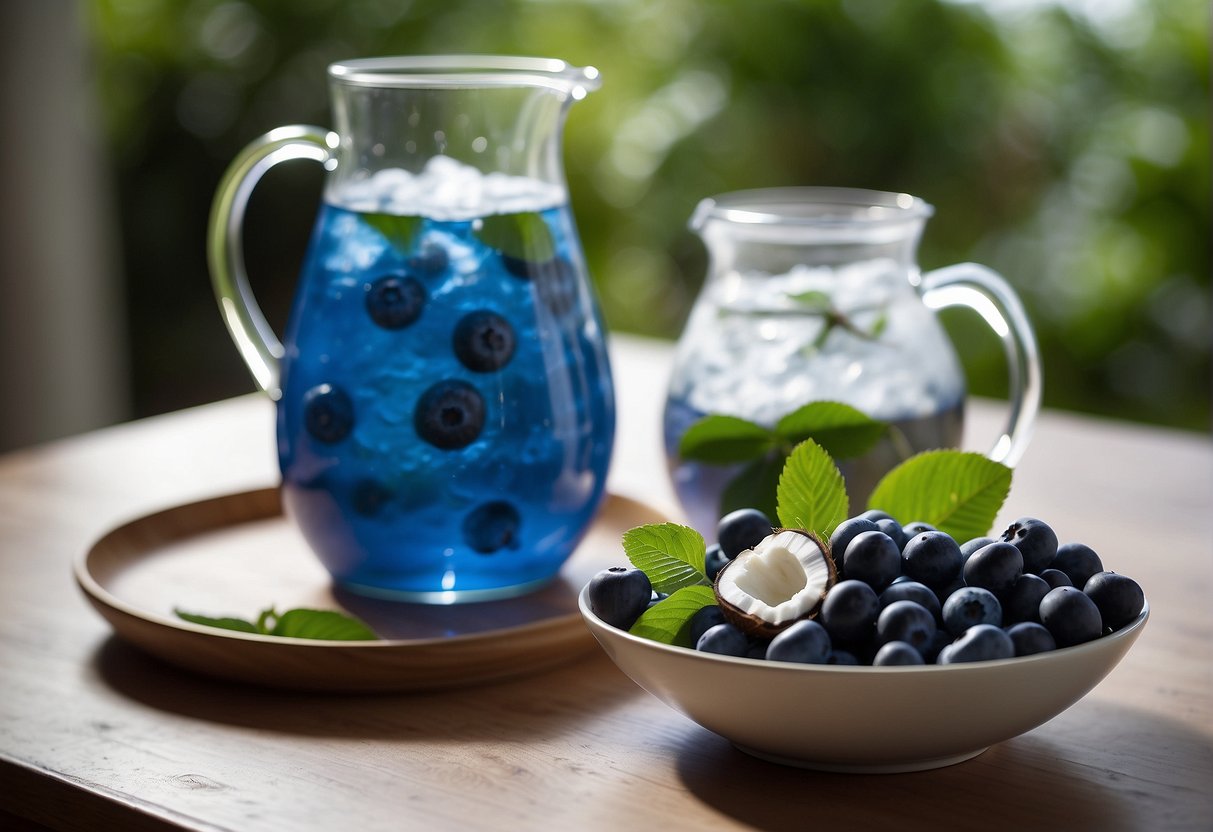
When mixing blueberries with coconut water for a refreshing smoothie or infused drink, proper storage is crucial to maintain the texture and taste. I’ve found some neat ways to keep leftovers fresh and serve your creations beautifully. Let me walk you through the tricks I use.
How to Store Leftover Smoothie
Storing any leftover blueberry and coconut water smoothie is all about avoiding texture loss. My go-to method? Pour the extra smoothie into an ice cube tray and freeze. When I’m ready to enjoy it again, I just blend the cubes with a bit of fresh coconut water. Also, if I prep my smoothie in advance, I make sure to get it into a glass jar and pop it in the freezer quickly to prevent the fruit from thawing and refreezing, which makes it hard to pour out later. A scoop of granola added right before serving gives back some of that crunch!
Serving Suggestions and Garnishing Ideas
For serving, presentation is key. I like to pour the smoothie into a tall glass and garnish with a few fresh blueberries on top. If I’m aiming for something fancier, a sprig of mint or a slice of lime does wonders. And here’s a little tip for fruit-infused coconut water: I add colorful fruits like strawberries, alongside blueberries, into the pitcher to create a visually appealing mix. A chilled glass and a colorful paper straw elevate the simple drink to an Instagram-worthy level.
Frequently Asked Questions
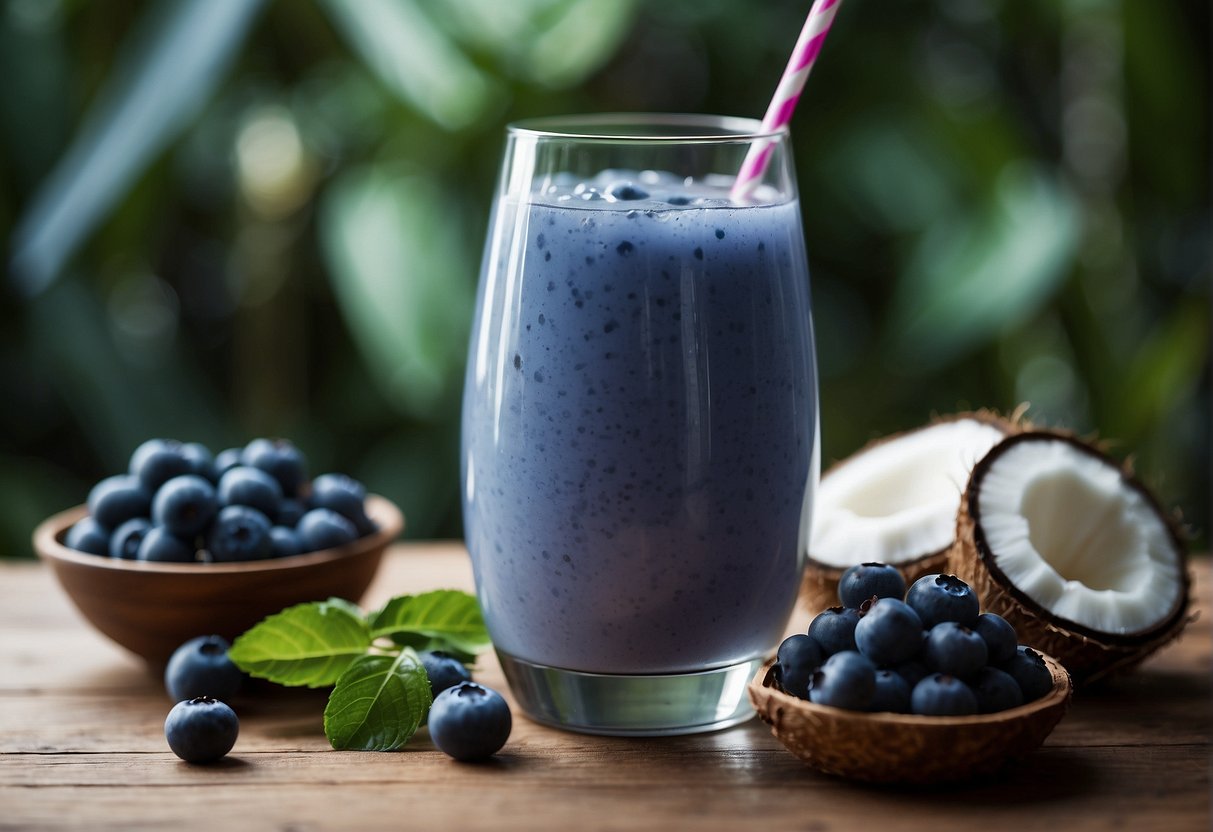
When I mix ingredients for a smoothie, I’m always looking for that perfect blend of nutrition and taste. Adding coconut water has been a game-changer for me, so let’s dive into some common questions about this combo.
What are the benefits of adding coconut water to a smoothie?
Adding coconut water to a smoothie provides a natural source of electrolytes, like potassium, which can help with hydration. It’s a lighter alternative to fruit juices and can bring a subtle sweetness to smoothies without any added sugars.
Can you create a protein shake using coconut water instead of milk?
Absolutely! You can use coconut water in place of milk for a protein shake. It’s a great option if you’re looking for a lighter shake, lactose intolerant, or just want a refreshing twist.
How does coconut water affect the consistency of a smoothie?
Coconut water thins out the smoothie a bit compared to milk or yogurt, but if you use frozen fruits, you can maintain a rich and creamy consistency.
Are there any weight loss advantages to using coconut water in smoothies?
Coconut water is lower in calories and fat than dairy milk, which can be helpful if you’re looking to reduce calorie intake for weight management.
What are some good combinations for a mixed berry and coconut water smoothie?
Mixing blueberries with coconut water creates a refreshing smoothie. You can add other berries like strawberries or raspberries to enhance the flavor and nutrient content.
Is it possible for coconut water to cause milk or dairy products to curdle in a smoothie?
Since coconut water is neutral and plant-based, it doesn’t cause dairy products to curdle. You can mix it safely with dairy when making a smoothie.