
Benefits of Freezing Smoothie Ingredients
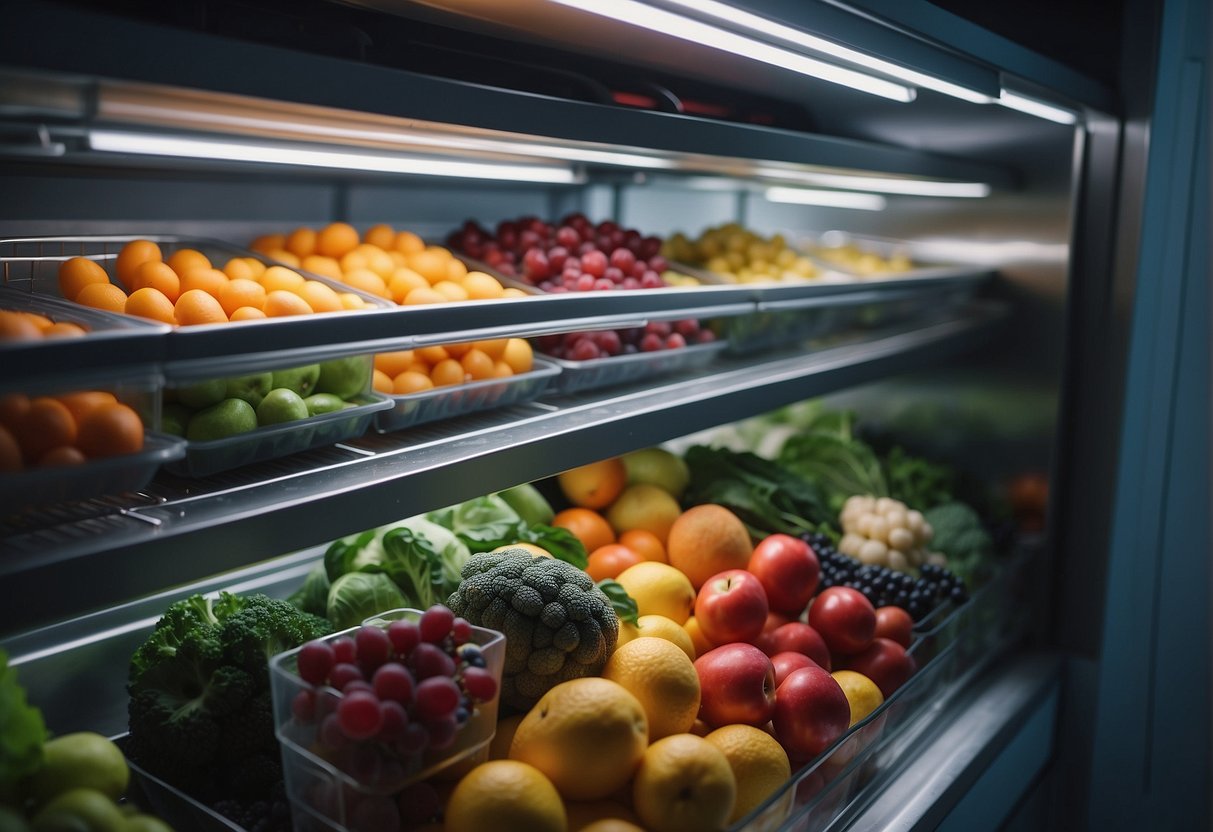
When I get a craving for a healthy snack, I often turn to smoothies. They’re a fantastic way to pack in a ton of nutrients from fruit, veggies, and greens like spinach and kale. One thing I’ve found super convenient is freezing my smoothie ingredients. Here’s why:
- Maintains Freshness: Freezing fruit, vegetables, and even the leafy greens can preserve their freshness until you’re ready to use them. No more wilted spinach or mushy berries!
- Locks in Nutrients: The moment I freeze berries and spinach, the current nutritional content is locked in. This means when I later make my smoothie, I’m still getting all those valuable vitamins.
- Saves Time: By having ingredients like fruit chunks and greens pre-frozen, my meal prep gets reduced to just dropping them in the blender.
Here’s a breakdown:
| Ingredient | Benefit of Freezing |
|---|---|
| Fruit | Preserves flavour and sweetness, extends shelf life |
| Vegetables | Keeps texture intact, maintains colour |
| Greens | Prevents wilting, retains vitamin content |
The best part is, with my ingredients prepped and frozen, I can mix and match for variety without worrying about them going bad. Plus, using frozen ingredients gives my smoothies a nice, slushy texture, making them extra refreshing.
And let’s not forget, by freezing I avoid food waste; a huge win in my book.
Prepping Ingredients for Freezing
When I freeze smoothie ingredients, I find that a bit of upfront work makes my mornings run smoother. It’s all about washing, chopping, portioning, and labeling—trust me, it’s a real time-saver!
Washing and Chopping
First, I make sure all my fruit and vegetables are thoroughly washed to remove any dirt or pesticides. I’ve learnt that it’s best to chop them into small, blendable pieces before freezing. For fruits like bananas, I peel and slice them, while for berries, no chopping is necessary. For vegetables, especially leafy greens, I ensure they’re dried after washing to prevent ice build-up.
Portioning and Packaging
Next, I portion out my ingredients into single smoothie servings. I use either mason jars or freezer bags, as they’re fantastic for this. If I’m including liquids like almond or coconut milk, or even yogurt, I’ll pour these into ice cube trays before freezing. Once frozen, I transfer the cubes into the jars or bags along with the other ingredients. This way, I can just pop them into the blender with a bit of water or tea for added flavor.
Labeling with Date
I always label my smoothie packs with the date and contents. It helps me keep track and ensures I use the older ones first. A sharpie works fine on freezer bags, but if I’m using mason jars, a piece of masking tape does the trick. Plus, dating helps prevent unwanted freeze-burned surprises down the line. I’ve found that most ingredients will last well for at least a month or two if stored properly.
Suitable Containers for Freezing
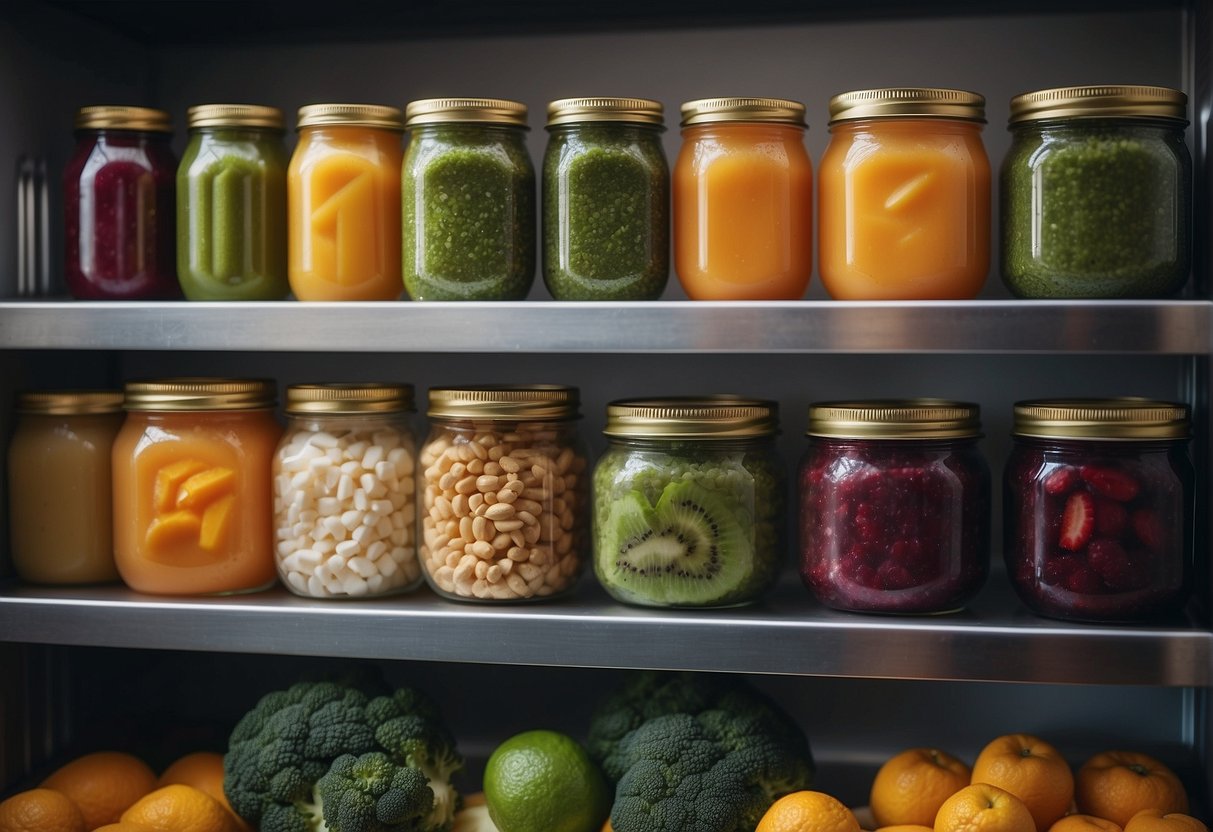
When I freeze smoothies or their ingredients, it’s crucial to pick the right container. This ensures flavors stay fresh and prevents freezer burn. Here’s what I’ve learned about the best containers:
Using Mason Jars
I’ve found that mason jars serve as excellent freezer-safe options. They’re sturdy and don’t crack easily under low temperatures. Crucially, I use wide-mouth mason jars that allow for expansion as the contents freeze. It’s a tip I learned from a helpful guide on freezing smoothies, which emphasizes avoiding jars with shoulders that can cause breakage when liquids expand.
Opting for Freezer Bags
Freezer bags are another fantastic option. They lay flat, saving valuable freezer space, and I can squeeze out the air to create an airtight seal. Plus, freezer bags make it simple for me to portion out my smoothie ingredients. Whether it’s chunks of fruit or leafy greens, everything stays neatly organized and ready to blend.
Choosing Airtight Containers
Finally, it’s always a safe bet to go with airtight containers specifically designed for freezing. These are reliable because they’re made to withstand extreme temperatures, keeping my smoothie ingredients fresh and free from freezer odors. Just make sure the lid is secured well — a simple step that makes all the difference in preventing leaks and spills.
Combining Liquids and Solids
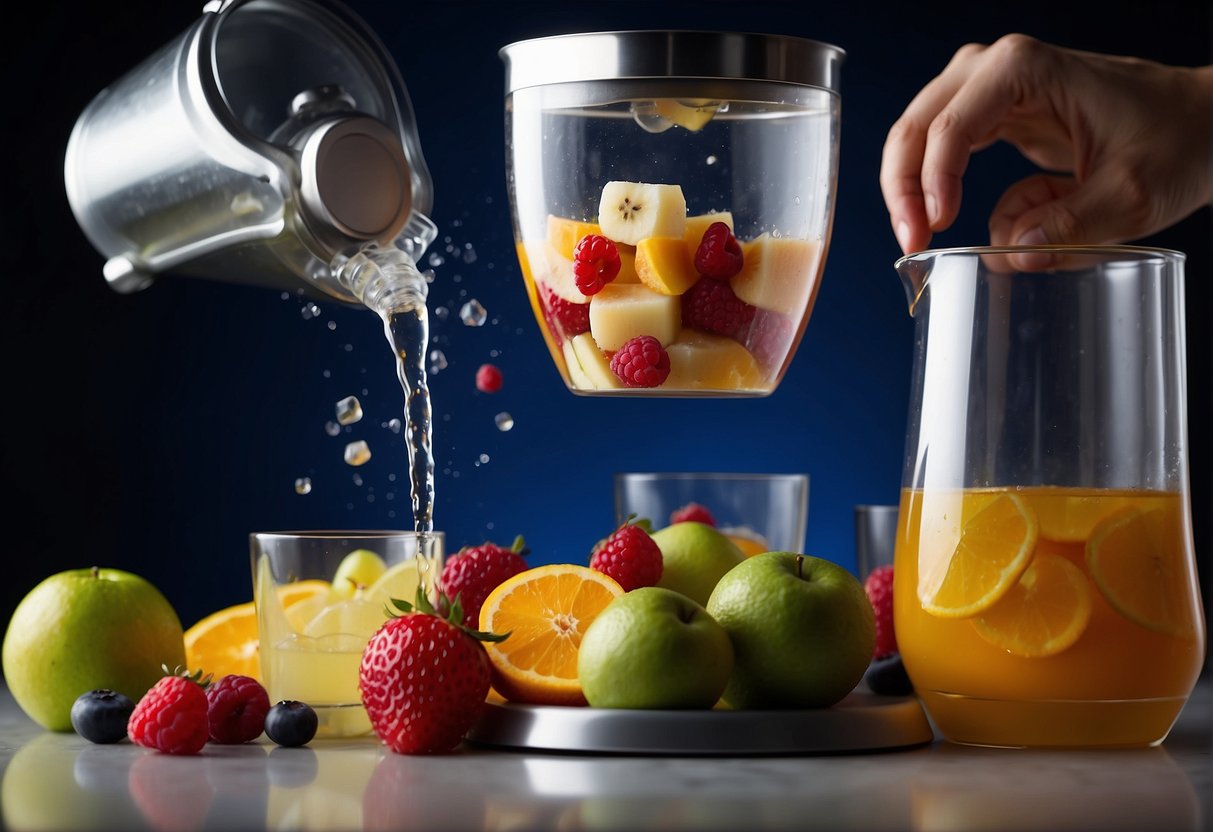
Let’s talk about how I get my smoothie prep spot on by blending the right mix of liquids and solids. If I’m planning to freeze them, I have to think about how everything will come together.
Mixing Ingredients
When I mix my smoothie ingredients, I aim for a harmony between the fruits and vegetables and the liquids like milk, almond milk, coconut milk, or juice. I’ve found that starting with the solids—like berries, banana slices, or leafy greens—and then pouring in the liquid helps everything blend more smoothly. Here’s the kicker: if I add protein powder, I sprinkle it on top before blending to prevent it from sticking to the sides.
Calculating Liquid-to-Solid Ratios
Getting the liquid-to-solid ratio right is crucial for a good smoothie texture, especially when freezing. Here’s a quick guideline I follow:
- Fruit/Vegetables: 2 cups
- Liquid (Milk/Juice): 1 to 1.5 cups
If my blender isn’t powerful, less liquid makes it tough to blend, so I err on the side of a bit more liquid. But I never forget that when I freeze my smoothie, liquids expand. So, I leave some room in the container to avoid a mess in my freezer.
Freezing Individual Ingredients
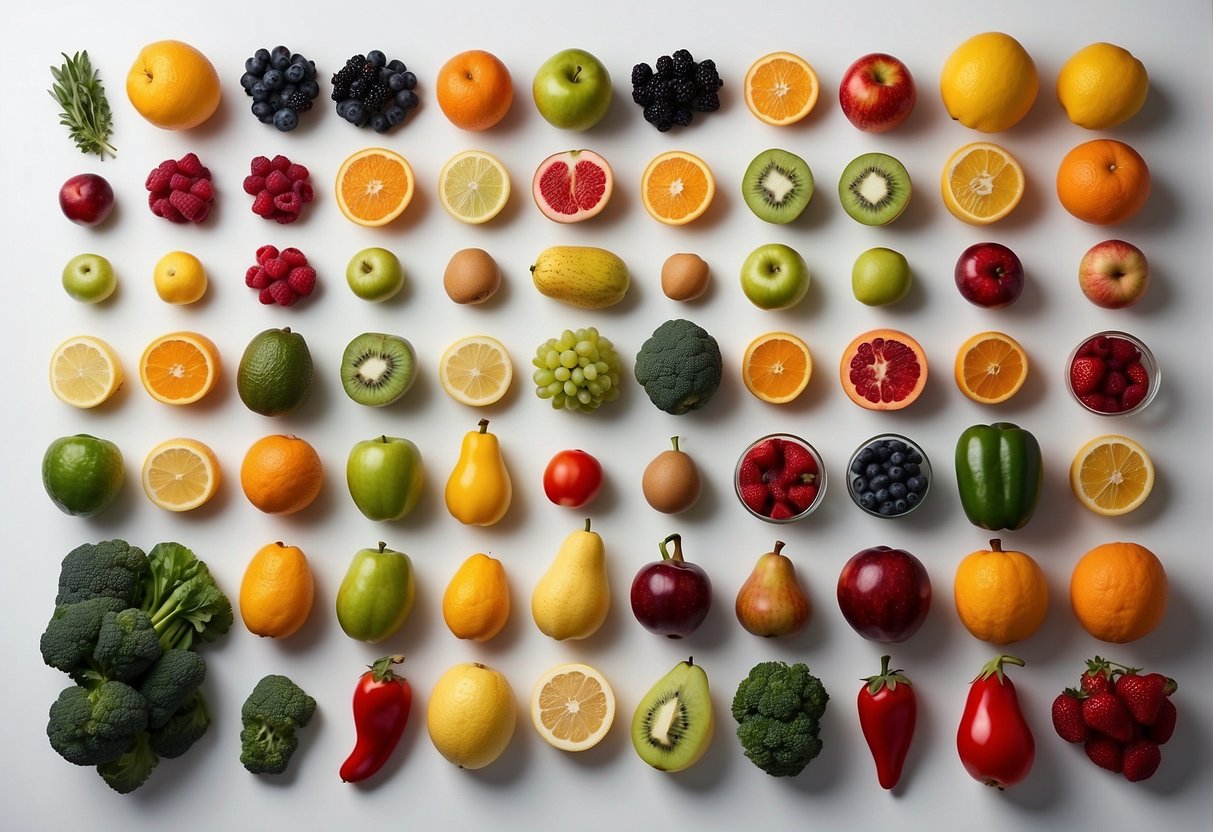
For me, freezing my smoothie ingredients individually is a game-changer. It ensures I have ripe, flavorful components for my smoothies anytime I need them. Plus, I get to avoid waste and save time!
Fruit and Berries
When I freeze fruit and berries, I always make sure they’re ripe and at peak sweetness. This brings out the best flavor in my smoothies. I lay them out on a baking sheet, not touching, to freeze before transferring them to a freezer bag. This keeps them from turning into a giant clump. Strawberries, blueberries, and mango chunks are my go-tos, but nearly any fruit works well.
Leafy Greens and Vegetables
Spinach and kale are my favorite leafy greens to freeze for smoothies because they wilt quickly in the fridge. I blanch them first to preserve color and nutrients, then dry and freeze flat. For other veggies, like sliced zucchini or cucumber, I skip the blanching and freeze them directly. It’s a great way to sneak in extra nutrition without it going bad.
Adding Nuts and Seeds
To add a nutritious punch to my smoothies, I incorporate nuts and seeds. I toast them lightly to amplify their flavors before freezing. Chia seeds and flaxseeds don’t need toasting—just a quick freeze on a tray and then into a bag they go. This way, they’re ready to toss into the blender without digging through the pantry.
Remember, with a bit of prep and freezing, I’ve got all the ingredients I need for a quick, delicious smoothie, whenever I want it!
Thawing and Using Frozen Smoothie Ingredients
When I freeze my smoothie ingredients, it’s all about retaining that fresh taste and making my mornings more convenient. Here’s how I handle the defrosting and blending of my frozen smoothie components.
Defrosting Techniques
Defrosting my smoothie ingredients is pretty simple. I transfer the frozen contents to my refrigerator the night before I want to use them. This slow defrost method helps maintain flavor and texture. If I’m in a hurry, I’ll leave them on the counter for about 30 minutes to an hour, just enough to soften for blending.
Blending Frozen Ingredients
Now, blending frozen ingredients takes a tad more care to ensure a perfect consistency. I typically add a bit more liquid than usual to ease the blending process. It could be water, almond milk, or whatever liquid my smoothie recipe calls for. This way, the ingredients blend smoothly without overworking my blender. Sometimes, I toss the frozen chunks directly into the blender if I’m aiming for an extra chilly smoothie. Remember, it’s key to start on a low setting and gradually increase speed to fully blend the frozen pieces.
Creating Pre-Made Smoothie Packs
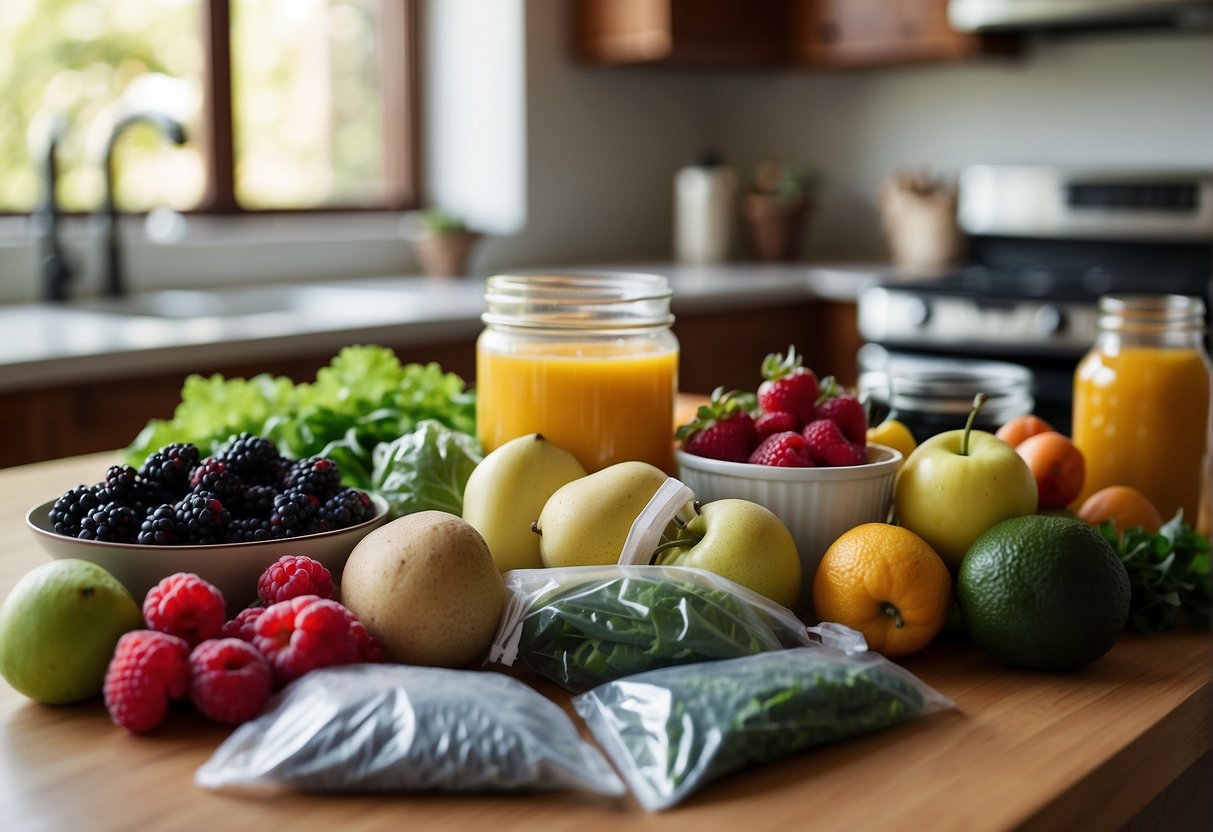
When I’m looking to streamline my morning routine, I turn to making pre-made smoothie packs. Doing so saves me time and ensures I never skip the most important meal of the day. Let’s go through how to assemble these packs and understand their storage and shelf life.
Assembling Smoothie Packs
To get started, I select my favorite fruits, greens, and protein sources to create a balanced blend. I like to mix and match ingredients like berries, bananas, spinach, and some chia seeds. Here’s what I do:
- Chop: I begin by chopping my fruits and greens into smaller pieces. This helps them blend more effortlessly when it’s smoothie time.
- Measure: I then measure out the portions I’ll need for a single smoothie to ensure consistency and to make the blending process smoother.
- Bag It: I grab some zip-top bags and distribute my ingredients into each, pressing out as much air as possible before sealing.
I find that breaking up any large pieces before freezing can prevent clumping and aids in the blending process.
Storage and Shelf Life
Once my packs are assembled, they go straight into the freezer. Here’s how I handle storage:
- Label: I always make sure to label my packs with the date of preparation – this helps me rotate and use them efficiently.
- Stack: I lay the packs flat initially to freeze quickly and evenly, then stack them to save space.
- Shelf Life: Typically, these smoothie packs are good for up to 3 months in the freezer. Beyond that, they might start to lose their flavor and nutritional value.
If stored in the fridge, I prefer to use them within 24 hours, considering that maximum nutrition and taste are retained when smoothies are consumed fresh. Practicing proper storage ensures that my grab-and-go breakfast is always ready and delicious.
Specialty Freezing Methods
When I want to save time on my smoothie-making, I prefer to prep and freeze my blends in ways that make it super easy to get my nutrients on the go. Here are a couple of my go-to specialty freezing methods that are both practical and fun.
Ice Tray Method
I like to use this method when I want to freeze smaller portions of my smoothie mix. First, I’ll blend up all my ingredients, then pour the mixture into ice cube trays. Freezing them this way allows me to pop out a few cubes whenever I need a quick smoothie boost.
- Ingredients: I might use juice or coconut water for a fruity base, packed with a handful of greens and maybe some chia seeds for an extra kick.
- Process: Pour the blended mix into trays, place in the freezer until solid.
- Use: Drop a few smoothie cubes into a glass, cover with liquid (like more juice or milk), let them melt slightly, and give it a shake or a stir.
Smoothie Pops
Freezing my smoothie mix into smoothie pops is a treat — especially on hot days. To make them, I pour my favorite smoothie concoction into smoothie pop molds. I add a little twist by dropping in pieces of fruit or even small dollops of yogurt for an eye-catching effect before freezing.
- Fun Tip: I might throw in a date or two in the mix before freezing to sweeten the deal naturally.
- Texture: Using coconut water as my base gives the pops a refreshing feel, and the texture is amazing once frozen.
Each of these methods not only preserves my smoothies but also turns them into a convenient and enjoyable treat that’s ready whenever I need it.
Avoiding Common Freezing Mistakes
When I freeze my smoothies, I’ve learned that the little details can make a huge difference in taste and texture. Here are a couple of specific tricks to help prevent common pitfalls like freezer burn and ingredient separation.
Preventing Freezer Burn
To combat freezer burn, I always use an airtight container. Freezer burn occurs when air comes in contact with the smoothie ingredients, dehydrating them and leading to oxidation which dulls flavor and color. I make sure to fill the containers to the top, leaving as little air space as possible. If I’m using bags, I squeeze out extra air before sealing.
Avoiding Separation and Clumping
Freezing can often cause ingredients, especially liquids and vegetables, to separate and clump. To prevent this, I first cool my smoothies in the fridge so the temperature drops gradually. Then, I pour the smoothie mixture into ice cube trays for portion-controlled servings that freeze evenly, keeping the taste and nutritional value intact. Once they’re frozen solid, I transfer the cubes into my airtight containers. This step also helps avoid a mess and ensures I can easily blend up a smoothie whenever I want.
Frequently Asked Questions
When it comes to freezing smoothies or their ingredients, I know you’ve got questions. Let’s tackle some common ones to help you get the best out of your frozen blends.
How long do smoothie ingredients last in the freezer?
My experience tells me that smoothie ingredients can stay good for up to three months in the freezer. Seal them tightly to prevent freezer burn—a big flavor and texture killer.
Are there any nutrient losses when freezing smoothies?
The good news is that most nutrients in smoothie ingredients hold up well in the freezer. However, delicate vitamins like C and some B can degrade over time, but it’s minimal if you use the ingredients within a reasonable period.
What’s the best way to store a smoothie in the freezer?
For the best freshness, pour your smoothie into an airtight container or freezer-safe mason jars. Leave a little room at the top since liquids expand when they freeze.
Can you make ahead and freeze smoothie packs for convenience?
Absolutely, making ahead and freezing smoothie packs is a great time-saver. I like putting all my cut fruits, veggies, and any other solids in individual bags. Then, when I’m ready, I just dump one in the blender, add my liquid base, and blend away.
Does freezing affect the taste and quality of smoothie ingredients?
In my experience, freezing might slightly alter the texture of some fruits, but generally, the taste remains pretty consistent. Remember that using high-quality, ripe produce will give you the best flavor even after freezing.
How can you safely thaw frozen smoothie ingredients for blending?
I usually transfer my frozen smoothie ingredients to the fridge the night before I plan to use them. This method ensures a safer thaw and preserves the texture for a delicious smoothie in the morning. If you’re in a hurry, you can also thaw them under cold, running water.