
Overview of Bubble Tea Smoothies
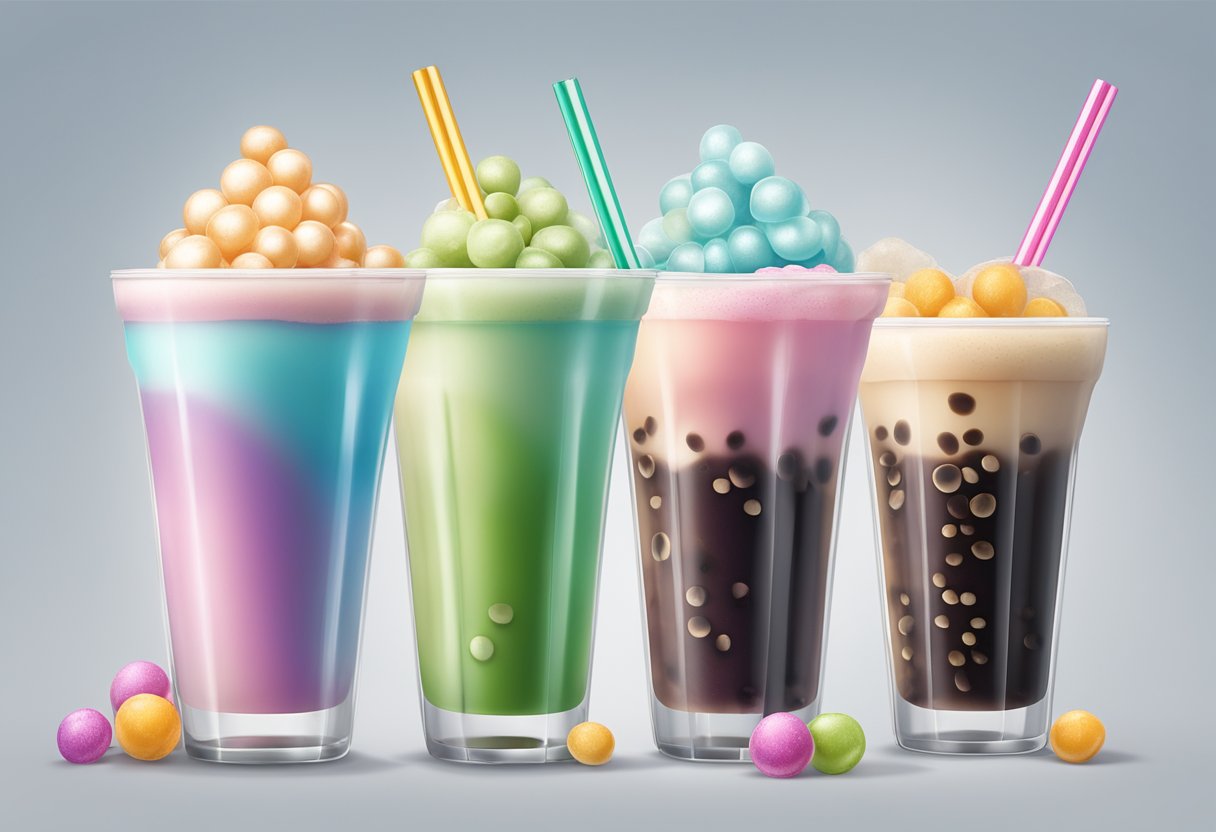
When I first stumbled upon a bubble tea smoothie, it struck me as the ultimate fusion of my two favorite treats: the classic boba milk tea and the refreshing fruitiness of a smoothie. In crafting a bubble tea smoothie, I blend together the creamy base of milk tea with ice and fruit, creating a thick and frosty beverage. The star of the show, and what distinguishes it from your average smoothie, are the chewy boba pearls that sit enticingly at the bottom of the glass.
| Ingredient | Role in Bubble Tea Smoothie |
|---|---|
| Boba (Tapioca) | Adds a chewy texture |
| Milk Tea | Creamy, rich base |
| Fruit | Infuses natural sweetness |
| Ice | Thickens and chills the mix |
The process of making a boba smoothie is simple. I start with brewed tea, often green or black, as the liquid base—akin to the root of traditional bubble tea. From there, depending on my mood, I might toss in anything from mangoes to strawberries for that sweet, fruity punch. A splash of milk for creaminess, and of course, no bubble tea smoothie is complete without a generous scoop of cooked boba pearls. Blend everything until smooth, pour it out, and voilà! I’ve got myself a delectable, sip-and-chew experience.
Remember, the joy is in the customization. I tailor my bubble tea smoothies to suit my cravings, playing with flavors and toppings. Whether it’s a post-workout treat or a midday pick-me-up, a boba smoothie can be just what I need to shake things up.
Bubble Tea Smoothie Ingredients
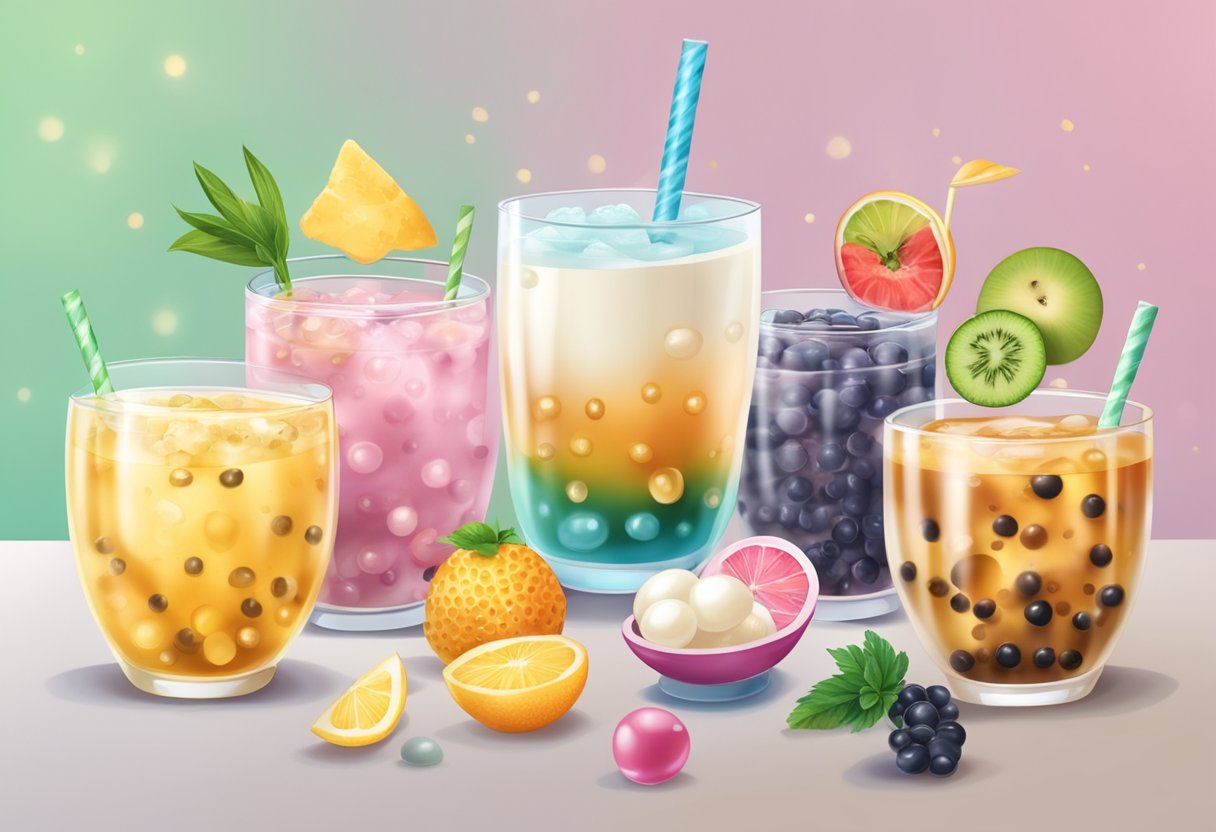
Creating the perfect bubble tea smoothie requires a blend of tasty ingredients tailored to your preferences. Whether opting for traditional flavors or a more innovative mix, the ingredients determine the richness and uniqueness of the final creation.
Base Ingredients
For the backbone of any bubble tea smoothie, I start with a strong brewed tea—think black, green, or oolong. This can be steeped in either water or a variety of milks, such as dairy milk, almond milk, soy milk, oat milk, or coconut milk.
Sweeteners and Flavorings
Sweetness and flavor come from adding sugar, maple syrup, honey, agave, or simple syrups like brown sugar syrup. Vanilla extract also offers a classic taste, while other sweeteners can be adjusted according to personal preference.
Bubble Tea Additions
The star of the show, tapioca pearls or boba pearls, must be correctly prepared—boiled until soft and then steeped to achieve the right chewiness. Black tapioca pearls are traditional but colored or flavored varieties can be fun as well.
Fruits and Berries
I love incorporating fruits into my smoothies for natural sweetness and flavor. Everything from tropical fresh mango to tart berries can be used. Frozen strawberries are a convenient option, and blueberries or peach chunks add a twist.
Other Add-ins
For texture and added taste, things like chia seeds, peanut butter, or even crushed cookies can be tossed in. A jumbo boba straw is essential for slurping up the larger add-ins.
Dietary Alternatives
Tailoring a bubble tea smoothie to dietary needs is easy. For a vegan take, I use plant-based milks and sweeteners. Gluten-free and dairy-free alternatives are also available to match different lifestyle choices.
Unique Combinations
Mixing flavors can result in unique bubble tea smoothies. A combination like a strawberry banana and mango smoothie adds layers of flavor, while fruit smoothies can be customized to taste just like your favorite boba tea joint.
Optional Toppings
Sprinkling optional toppings, such as fruit jellies or popping boba, adds a fun texture. For those with a sweet tooth, drizzles of additional syrup or a dollop of whipped cream can be the cherry on top.
Alternative Milks
Dairy isn’t for everyone, so using plant milks like almond, oat, or coconut milk is a great substitute that can add a new dimension of flavor, making the smoothie creamier or lighter as preferred.
Yogurt Options
Incorporating yogurt, such as Greek yogurt, adds a creamy depth and tanginess to a bubble tea smoothie. For a dairy-free option, dairy-alternative yogurts like those made from almonds or coconuts are excellent.
Making a Bubble Tea Smoothie
When I make a bubble tea smoothie, my go-to tools are my trusty high-speed blender and a stash of black tapioca pearls. It’s all about mastering the pearls, getting the perfect blend, and then putting together a satisfying, customizable drink.
Preparation Techniques
I always start by gathering my ingredients. For a fruit smoothie base, I pick my favorite fresh or frozen fruits, as fruits are essential for a rich flavor and refreshing feel. I also make sure I have sweeteners like honey or sugar if I want to adjust the sweetness.
Cooking Tapioca Pearls
Cooking tapioca pearls can be tricky, but with a little attention, it’s straightforward. I follow the instructions on the packet carefully, which usually means boiling them until they float to the top and then letting them sit in hot water until they’re just the right level of chewy.
Blending the Smoothie
Next, it’s blending time. I throw my chosen fruits into my high-speed blender, add in any liquid – this could be milk, a dairy-free alternative, or juice – and blitz it until everything’s smooth. If I’m feeling indulgent, I might add a scoop of ice cream or yogurt.
Serving Suggestions
Pouring the creamy smoothie over the cooked boba in a tall glass creates that iconic look. I always ensure I have a big enough straw for those tapioca balls – a boba smoothie isn’t the same if you can’t slurp up the pearls!
Customization Tips
Customizing a boba tea smoothie offers endless possibilities. I like to mix it up with different fruits or throw in some greens if I’m in the mood. The key is to find the combination that delights my taste buds while ensuring the tapioca pearls and the smoothie consistency are just how I like them.
Nutritional Profile
When I look at the nutritional content of bubble tea smoothies, I tend to notice a variety of things. For starters, the calorie count can be a bit high. A typical smoothie could have upwards of 139 calories per cup, depending on the ingredients (FatSecret). I’m always surprised by the number of carbs in just one cup, which sits around 23.81g.
Here’s a quick breakdown of the main nutritional components:
- Calories: Vary widely, but average around 139-272 per cup
- Fat: Can be low, but some variations may have up to 3.39g per cup
- Carbohydrates: Often high, due to sugars and syrups, generally above 20g per cup
- Protein: Generally low, about 4.46g per cup
- Dietary Fiber: Usually minimal
- Sugars: Can vary; homemade versions can be adjusted for sugar content
Despite the casual rep as a treat, bubble tea smoothies do offer some nutrients like calcium, iron, and sometimes antioxidants, depending on the fruit used. The tapioca pearls don’t contribute much in terms of nutrition, but they sure are fun to sip through a straw (Healthline).
I like to think of bubble tea smoothies as a splurge rather than a health drink. However, by choosing certain ingredients, I can boost the health benefits a bit. Opting for real fruit over flavored syrups, and selecting lower-calorie dairy or plant-based milk alternatives, helps me to keep it somewhat nutritious.
Bubble Tea Smoothie Variations
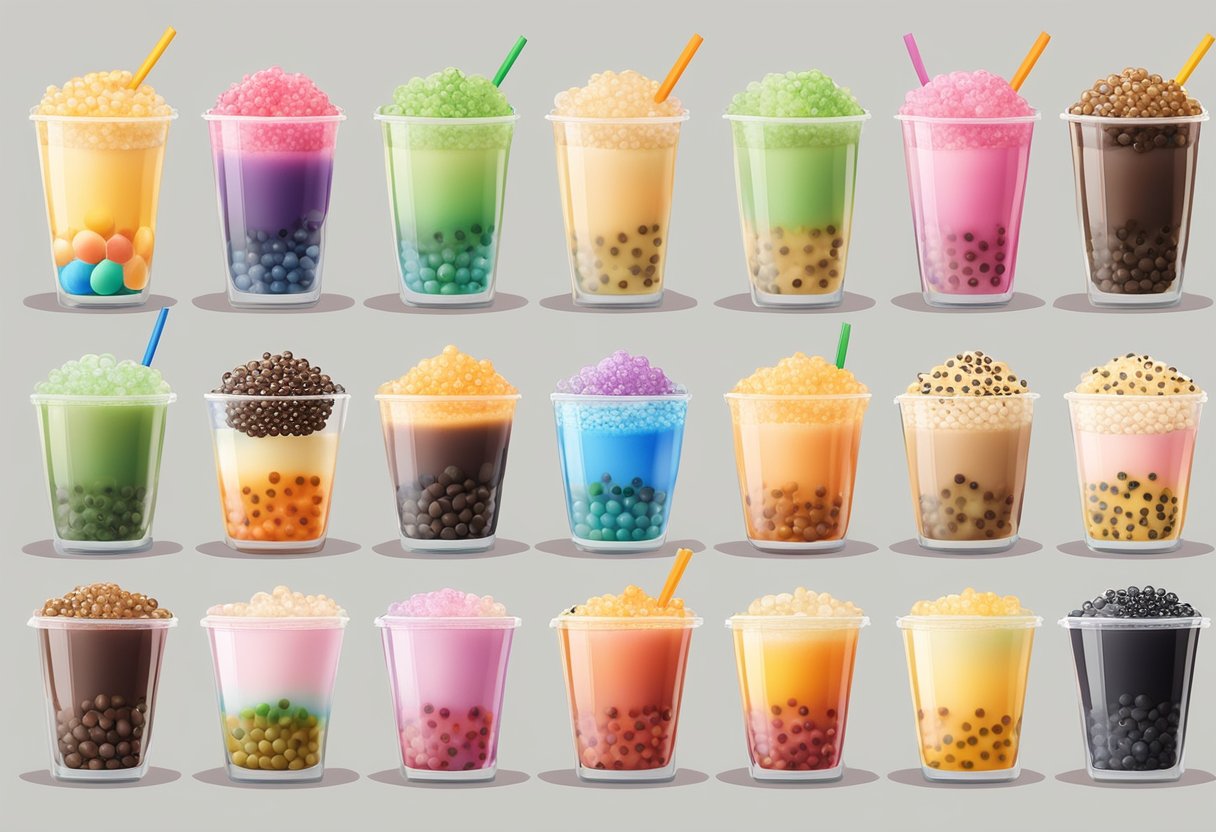
When I’m whipping up bubble tea smoothies, I love exploring different flavor combos that can really switch up the vibe. Depending on my mood, I’ll reach for zesty tropical fruits or indulge in something rich and chocolatey. Here’s a rundown of some killer variations I’ve been shaking up.
Tropical Twists
I dig the way tropical fruits like mango and pineapple give a refreshing zing to bubble tea smoothies. For a real beachy feel, I blend up a creamy mango smoothie and toss in some chewy boba pearls. If you’re all about that island life, blending coconut milk with pineapple creates a dreamily smooth concoction that makes me feel like I’m sipping on sunshine.
Berries and Cream
If you’re berry obsessed like me, you can’t go wrong with a berry smoothie loaded with frozen strawberries and maybe even a handful of blueberries. The classic strawberry banana combo is always a solid go-to. Just blend those fruits up with some milk or even almond milk for a creamier texture, then spoon in your boba for that extra pop of fun.
Decadent Delights
Sometimes my sweet tooth calls the shots, and I answer with a chocolate-driven bubble tea smoothie. I’ll often blend up cookies with chocolate ice cream, then mix in some boba pearls for a smoothie that tastes like a dessert in a cup. It’s like having your cake and drinking it too!
Green Tea Infusions
I’m a huge fan of green tea, especially when it’s whipped into a bubble tea smoothie. Mixing a strong matcha or green tea base with milk creates this earthy yet sweet beverage that I find super refreshing. For an added twist, I’ll occasionally drop in some fruit flavors—like peach or raspberry—to contrast the tea’s grassiness.
Regional Origins and Cultural Significance

When I talk about the origins of bubble tea, my mind immediately goes to Taiwan in the 1980s. It’s widely accepted that this sweet, pearl-studded drink began in this island nation, where it was first made as a unique blend of tea, milk, sugar, and the signature tapioca pearls that give it the ‘bubble’ name. The exact origins are a bit fuzzy – several Taiwanese tea houses lay claim to inventing it.
For me, bubble tea is more than just a refreshing beverage; it’s a sip of cultural identity. In Taiwan, these tea houses aren’t just places to grab a drink; they’re social hubs where people hang out and catch up over a cup of their favorite, customized concoction.
As I watch bubble tea spread globally, I observe how it’s now deeply woven into the Asian market abroad. It’s cool to see how it’s integrated into Asian-American communities particularly as a symbol of connection to heritage. Whether it’s the taste or the experience, it conjures up a sense of nostalgia for many.
Here’s how I’d summarize its significance:
- Taiwan: Birthplace and enduring cultural icon.
- Asian market: Represents heritage and innovation in Asian diaspora communities.
- Global Phenomenon: An international sensation that transcends its original culture, adapting flavors and styles to local tastes.
Seeing bubble tea on a menu anywhere from LA to London, I’m reminded of its humble beginnings. It’s not just a drink; it’s a global ambassador for Taiwan and a taste of the rich tapestry of Asian cultures.
Storing and Preservation
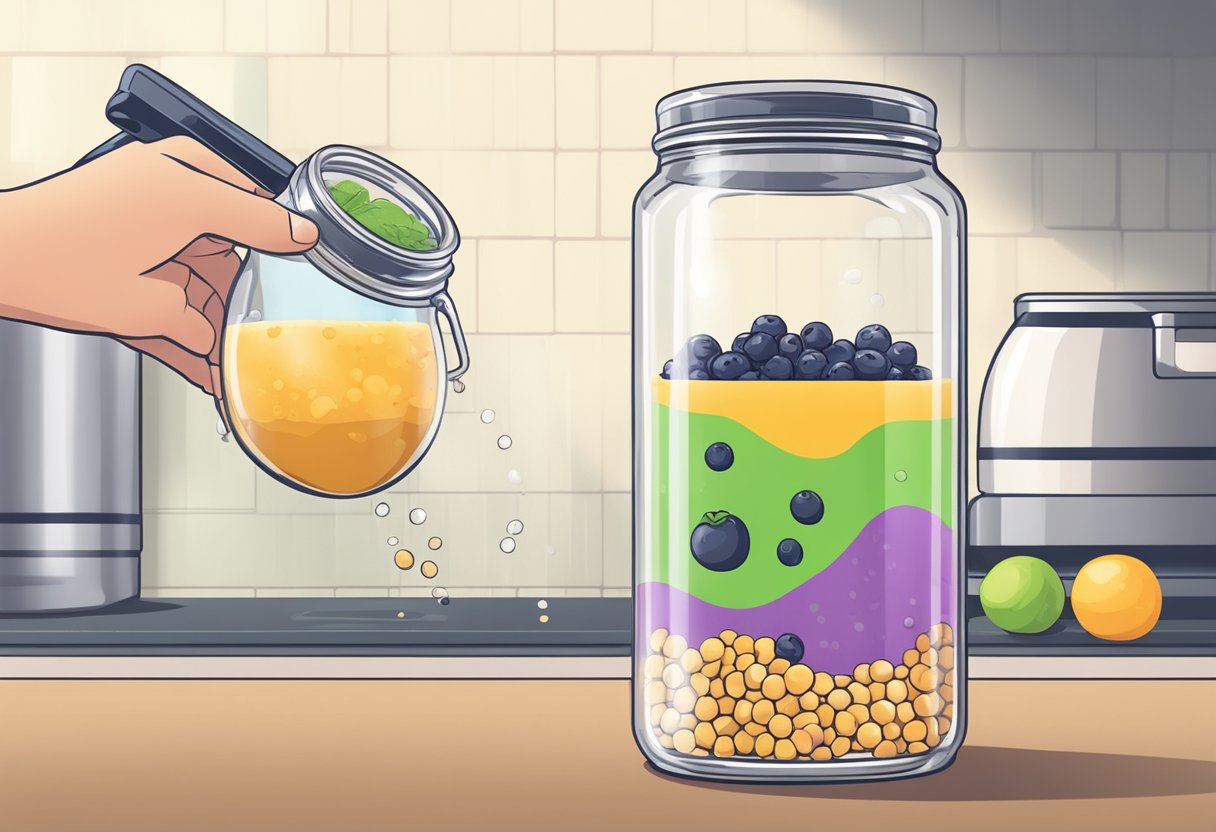
When I make a delicious bubble tea smoothie, I want to make sure it stays fresh for as long as possible. So here’s my go-to method for storing and preservation.
In the Fridge:
- For a quick chill, I keep my smoothie in the refrigerator. I pour it into an airtight container—glass is my preference because it’s non-reactive and doesn’t hold on to flavors. I fill the container to the brim to keep excess air out, which can make my smoothie go bad quicker.
In the Freezer:
- If I know I’m not going to drink it right away, I turn to my trusty freezer. I use freezer-safe mason jars but leave about an inch of space at the top because liquids expand when they freeze. I make sure the lid is sealed tight!
Tips for Longer Lasting Flavor:
- I include tea in my smoothies for that authentic bubble tea experience, and I’ve found that storing tea correctly is super important. Tea should be kept in a cool, dark place in an airtight container.
- For tapioca pearls, I store them in a cool, dry place and make sure to use them within a few hours, as they start to harden pretty quickly.
Remember! My bubble tea smoothie might separate after being stored, so I always give it a good shake or a blend to revive that smooth, creamy texture. And just to be safe, I try to consume my frozen smoothies within a month—flavor is king, after all!
Pairing with Food and Drinks

When I’m enjoying a bubble tea smoothie, I like to think about what foods can complement the experience. To me, it’s all about balance. A meal or snack that pairs well with my drink makes the whole experience so much better.
Here’s my go-to list:
- Dumplings: They’re my top pick. The subtle flavors of dumplings, especially when they’re packed with veggies or lean meats, create a savory contrast with the sweet creaminess of a bubble tea smoothie. Plus, the chewy texture is a fun match for the boba pearls!
- Noodles: Whether it’s ramen or stir-fried, noodles offer a hearty and savory balance that I find just perfect with a refreshing boba concoction.
- Sandwiches: A simple sandwich with fresh ingredients provides a satisfying bite that doesn’t overpower the sweetness of my drink.
- Toast: If I’m looking for something on the lighter side, toast topped with avocado or a soft-boiled egg is my jam. It’s simple yet fulfilling!
And for snacks? I stick to these:
- Fruits like berries or sliced mango: They’re light and complement the fruity flavors in the smoothie.
- Popcorn: The saltiness is an excellent counterpoint to the sweet boba.
- Cookies: Because…well, cookies and any kind of creamy drink is just a classic combination in my book!
This approach to pairing keeps the flavors harmonious and the eating experience enjoyable. Now, if you’ll excuse me, I’ve got some bubble tea smoothies to pair!
Exploring Local Boba Shops
When I’m on the hunt for a good boba smoothie, hitting up the local boba shops is my favorite pastime. There’s something about stepping into a shop, seeing the array of flavors, and watching the pearls being prepared that really heightens the experience. Each location has its own vibe and specialty.
For example, at Teazentea Garland, the boba tea is more than just a drink; it feels like a craft. The ambience is perfect for chilling out, and with their roots in Taiwan and California, it’s like getting an authentic taste of boba culture with a Texan twist. Check them out on Yelp!
| My Go-To Local Shops | Why I Love Them |
|---|---|
| Teazentea Garland | Authentic vibe, wide variety |
| MSN’s Philly Boba Selection | Passionate service, great tea |
Venturing into the Asian market often comes with the perk of finding that little corner where they serve boba smoothies. It’s not just about grabbing groceries; it’s also about the surprise of discovering new bubbles and blends.
And sometimes, my boba adventures lead me to expand my knowledge, like the time I discovered the details behind creating a Boba Smoothie from scratch, including the importance of getting the brown sugar just right to mix with the tapioca pearls.
Remember, supporting local doesn’t only boost the community, it also gives you the chance to explore new flavors and make a few friends along the way! Whether you’re new to boba or a seasoned sipper, the next great smoothie adventure is just around the corner.
Boba Tea Culture and Community

When I step into a bubble tea shop, I’m not just there for a drink; I’m stepping into a vibrant hub of sociability. It’s like joining a welcoming party that’s always in motion. What fascinates me is how boba tea culture has woven its way into the fabric of our communities, creating spaces where connections are just as important as the beverages.
As I share laughter over a cup of tea, I can’t help but notice the diversity surrounding me. Patrons, shop staff, the flurry of activity—it all adds up to a scene that’s both communal and personal.
- A Social Affair: Boba shops aren’t just about tea; they’re where friends meet to catch up, where dates unfold, and where communities gather.
- Cultural Tapestry: The origin story of boba tea reflects a blend of influences, making each sip a nod to a broader cultural narrative.
Here’s a snapshot of what makes this culture so unique:
| Aspect | Description |
|---|---|
| Social hub | A place that brings people together in a relaxed setting. |
| Cultural blend | Melding Asian heritage with modern, global trends. |
| Community | Fostering local connections and international friendships. |
The beauty of boba tea culture lies in its ability to be a bridge between traditions, flavors, and people. For me, it’s a reminder that the simplest pleasures—like sipping a smoothie—can sometimes provide the most poignant sense of belonging.
Frequently Asked Questions
I’m glad you’re curious about bubble tea smoothies! In this part, I’ll touch on some of the common questions you might have about this tasty twist on traditional bubble tea.
What’s the difference between a bubble tea smoothie and a regular bubble tea?
Regular bubble tea is typically a tea-based drink mixed with milk or fruit flavors and served cold, with sweet, chewy tapioca pearls at the bottom. A bubble tea smoothie, however, is blended with ice and fruit, resulting in a thicker, creamier texture, almost like a milkshake with boba pearls.
How do I make a delicious bubble tea smoothie at home?
To whip up a delicious bubble tea smoothie at home, start by preparing your tapioca pearls and setting them aside. Blend your choice of tea, milk, fruit, and ice until smooth. Pour the mixture over your pearls, and enjoy!
Can you find a good spot for boba smoothies around here?
Finding a spot depends on where ‘around here’ is, but bubble tea shops are popping up everywhere. Look for a place with good reviews, or hey, I heard some bubble tea recipes can be made at home, so you could try that, too!
What kind of ingredients go into a bubble tea smoothie?
In your bubble tea smoothie, expect to blend together a base of tea or milk, with choices of fruits like strawberries or bananas, a sweetener like honey or sugar, ice, and, of course, those signature tapioca pearls.
How can I figure out the calorie content in a bubble tea smoothie?
For the calorie content, it depends on the specific ingredients you use. Some shops provide nutritional information, or you can calculate the calories by adding up the individual components like the tea, milk, fruit, and tapioca pearls you use.
Is it cool to use milk substitutes in a bubble tea smoothie?
Absolutely, you can get creative and use milk substitutes like almond milk, soy milk, or coconut milk in your smoothie for a different flavor or to cater to dietary needs. It’s all about what tastes good to you!