

Essential Nutrients for Fetal Development
In my journey to understand optimal prenatal nutrition, I’ve learned that certain nutrients are absolutely pivotal for the little one’s development. Here’s the lowdown on some key players:
Folic Acid and Pregnancy
Folate, or folic acid, is my top-tier nutrient when it comes to pregnancy. It’s vital in preventing neural tube defects early on. During pregnancy, I make sure to get at least 600 micrograms daily. I find folate in greens, but it’s also in fortified foods and supplements—super important for my baby’s brain and spine.
Calcium Consumption During Pregnancy
Next up, calcium has a starring role in helping my little one build strong bones and teeth. I need about 1,000 milligrams of calcium daily when pregnant. Dairy’s a go-to, but I don’t forget about kale and almonds, which are also loaded with this critical mineral.
Iron’s Role in Fetal Growth
Lastly, but no less crucial, iron supports the incredible increase in my blood volume and helps transport oxygen to my growing baby. Not getting enough can lead to anemia, which isn’t fun for me or the baby. I aim for 27 milligrams per day, turning to lean meats, beans, and spinach to hit my mark.
Top Smoothie Ingredients
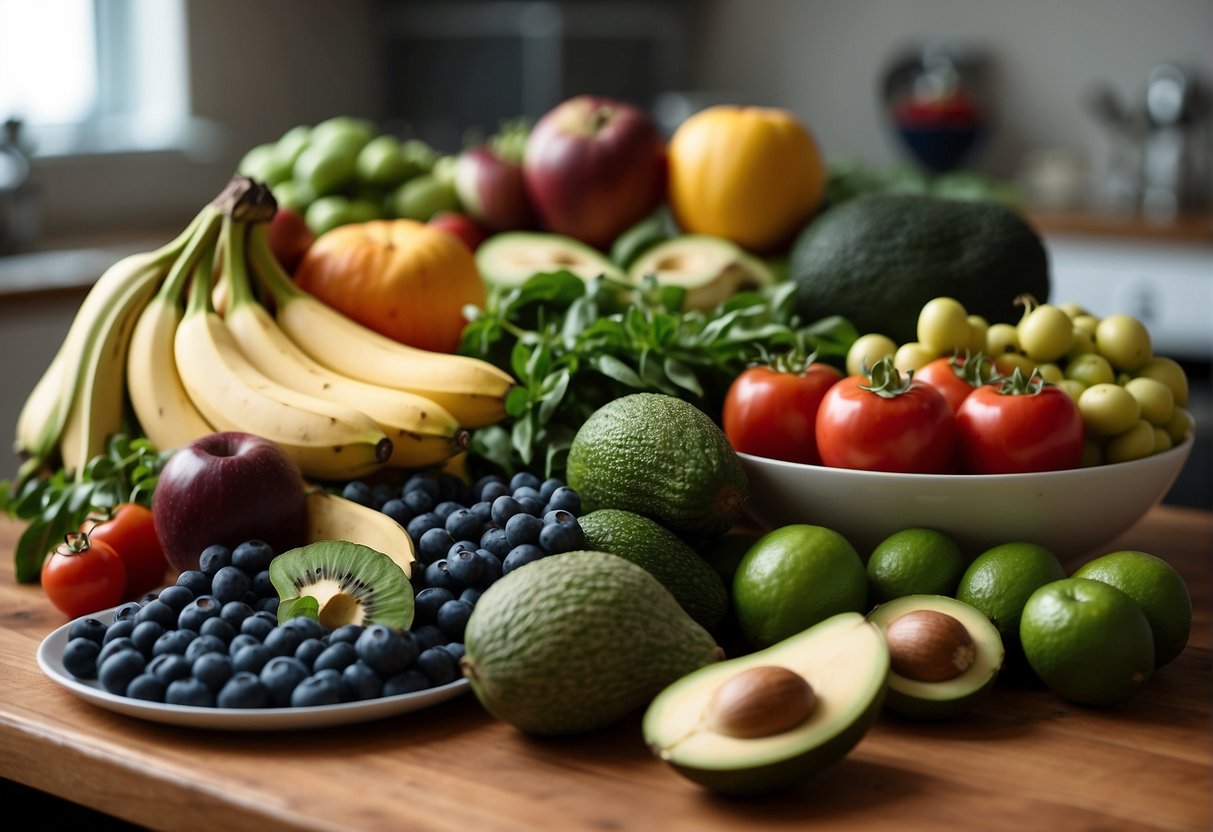
When I whip up a pregnancy smoothie, I focus on including a variety of ingredients that are key for fetal development. Let’s explore some of the best picks I’ve found for each category.
Best Fruits for Pregnancy Smoothies
- Bananas: They’re a fantastic base for any smoothie, adding creaminess and natural sweetness. Plus, bananas are packed with potassium, which is essential for maintaining fluid balance and muscle function.
- Berries (Strawberries & Blueberries): Low in sugar and high in antioxidants, these berries help protect cells and support the immune system.
- Mangoes & Avocados: Mangoes bring a tropical sweetness and are rich in vitamin C, while avocados offer healthy fats that are crucial for baby’s brain development.
Vegetables and Greens
- Spinach & Kale: These greens are nutritional powerhouses, loaded with folate, iron, calcium, and vitamins A and C, all vital for a growing baby.
- I toss in a handful of either to add a nutrient kick without overwhelming the taste.
Protein and Healthy Fats Sources
- Nuts & Seeds (Almonds, Chia, Flax, Hemp): These little ingredients are huge on omega-3s and protein. Just a sprinkle of chia seeds can give my smoothie a boost in fiber and healthy fats.
- Avocado (again!): Beyond fruits, avocado is a great source of monounsaturated fats, contributing to the healthy development of the fetal brain and tissues.
Natural Sweeteners and Flavor Enhancers
- Honey & Maple Syrup: When I need a touch more sweetness, a drizzle of honey or maple syrup does the trick without any refined sugars. Not to mention, they offer additional minerals and antioxidants.
- Cinnamon: A dash of this spice not only adds warmth and depth to the flavor but also provides anti-inflammatory benefits.
I make sure my smoothie game is strong with a balance of these fruits, veggies, proteins, fats, and sweeteners, aiming to support the little one growing inside me.
Smoothies for Common Pregnancy Concerns
I’ve found that smoothies can be a magical fix for some of the less pleasant aspects of pregnancy. They’re delicious, nutritious, and can be tailored to tackle specific issues like morning sickness and digestive troubles. Here, I’ll share a couple of my go-to recipes that have made my pregnancy journey smoother.
Managing Morning Sickness
I swear by the calming powers of ginger when nausea hits. It’s a natural anti-nausea agent that I like to incorporate into my morning smoothie. Here’s my simple recipe:
- 1 banana (for creaminess and energy)
- 1/2 inch fresh ginger (grated, for that anti-nausea kick)
- A splash of water or ginger tea (for blending)
I blend these up until smooth. It’s quick and soothing, especially on those rough mornings.
Combating Constipation and Digestive Issues
Who knew that pregnancy could slow down digestion so much? To keep things moving, I rely on fiber-rich ingredients and probiotics. Check out this smoothie that doubles as a tasty fiber boost:
- 1 cup spinach (for iron and fiber)
- 1/2 cup Greek yogurt (for probiotics)
- 1 apple with the skin on (fiber heaven)
- A dash of water or almond milk (just enough for blending)
Blend these together for a smoothie that supports digestion and helps with constipation. Trust me, your gut will thank you.
Building the Foundation of a Pregnancy Diet
As an expectant mom, I know that what I eat doesn’t just feed me—it’s the building block for my baby’s health. Let’s dive into creating a diet centered around nutritious smoothies that align with the increased caloric and nutritional needs during pregnancy.
Smoothie Recipes for Daily Nutrition
I’m always on the lookout for pregnancy smoothies that pack a punch in terms of nutrition. It’s awesome to find a smoothie that combines fruits, vegetables, and other nutrient-dense foods, offering a quick and healthy meal option. Here’s how I make sure my smoothies support a balanced diet:
- Fruits and Veggies: I aim for a variety. Berries are high in antioxidants and spinach brings iron to the table.
- Proteins: Greek yogurt or a scoop of protein powder helps me meet my protein needs.
- Healthy Fats: A tablespoon of chia seeds or a splash of almond milk adds essential fatty acids.
Sampling different smoothie recipes ensures I don’t get bored and makes it easier to consume the necessary daily nutrients.
Understanding Pregnancy Caloric and Nutritional Needs
When I first learned I was pregnant, I was told that I’d need more calories—but I also figured out it was about quality, not just quantity. Here’s what I keep in mind:
- Caloric Intake: Depending on the trimester, I need about 300-500 extra calories per day. But not just any calories—I make them count.
- Nutrients: My focus is on folic acid, iron, calcium, and vitamin D, all crucial for my baby’s development.
By incorporating nutrient-rich ingredients into my smoothies, I ensure that both my little one and I have what we need for a healthy start.
Special Considerations and Tips
When I’m whipping up a smoothie for fetal development, I always keep in mind that some ingredients are best left out of my blender. It’s all about finding that perfect balance of nutrients while steering clear of anything that might not be so great for my little one.
Avoiding Certain Ingredients During Pregnancy
During pregnancy, I’m extra careful about what I put into my body, especially when it comes to smoothies. Here’s the rundown:
- Sugar: Too much sugar can contribute to unwanted weight gain and blood sugar spikes. I opt for natural sweetness from fruits instead.
- Saturated Fat: I dodge ingredients high in saturated fats which aren’t the best for my heart or my developing baby’s health.
- Caffeine: It can increase my heart rate and possibly lead to dehydration or sleep issues, so I avoid it.
- Certain Herbal Supplements: I always check with my doctor before adding any herbs to my smoothies—they’re not all safe during pregnancy.
- Alcohol: Obviously a no-go. It’s harmful for fetal development, so it stays out of my glass.
Plus, I experience heartburn and fatigue from time to time, so I’m picky with my smoothie ingredients to avoid making those discomforts worse. Ingredients that are calming and easy on the stomach, like bananas and yogurt, are my go-to.
And whenever possible, I reach for organic produce. It’s my way of reducing exposure to pesticides, and I like to think that it’s just a little extra precaution to keep my baby safe and healthy.
Hydration and Beverage Choices
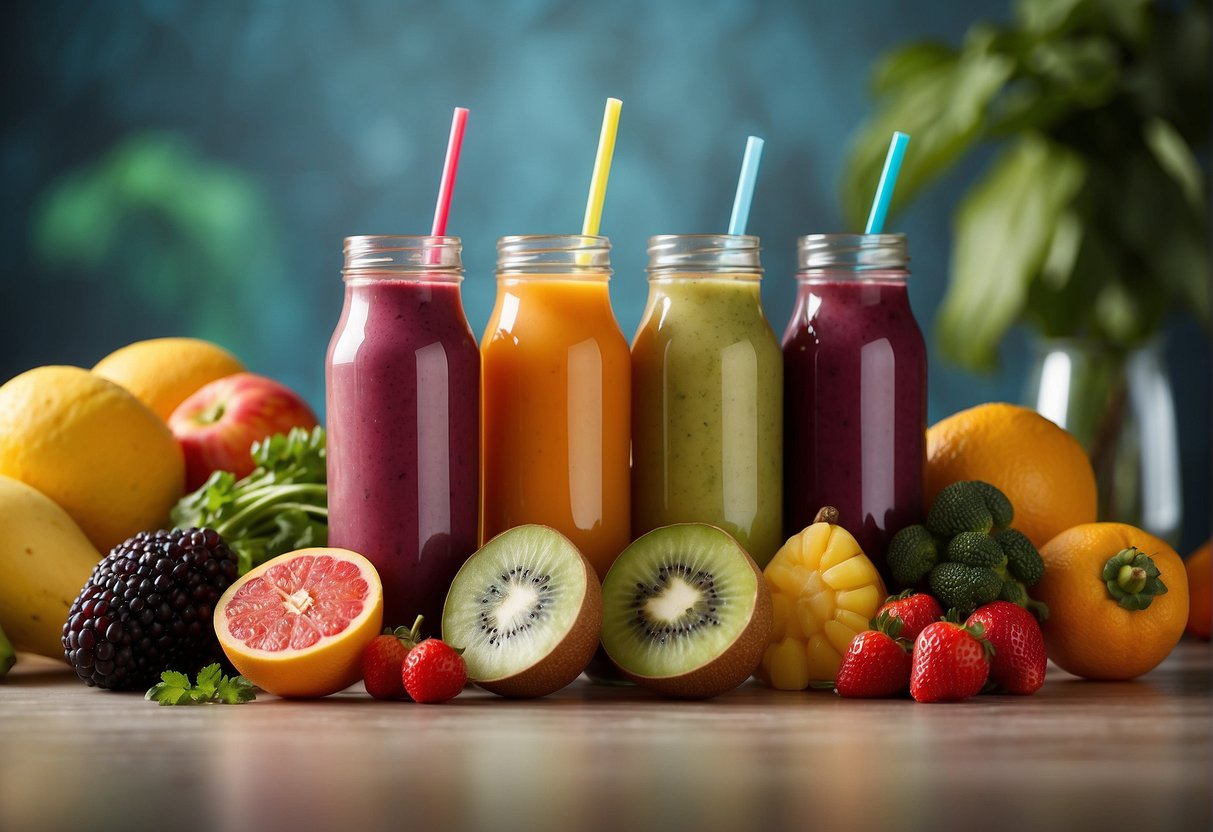
When I’m thinking about staying hydrated and choosing drinks during pregnancy, I focus on options that are both healthy and help my body feel its best. Here’s my go-to list for keeping well-hydrated:
- Water: It’s a no-brainer; ice-cold water is super refreshing and vital for both me and the baby.
- Coconut Water: This is a natural electrolyte-rich drink that helps me stay hydrated with a tropical twist.
- Homemade Smoothies: I prefer using liquids like almond milk, soy milk, or coconut milk as a base for added nutrients, and they make the smoothie creamy!
Here’s a quick table of some healthy additions I throw into my smoothies:
| Ingredient | Benefit |
|---|---|
| Greek yogurt | Extra protein and calcium |
| Orange juice | Vitamin C for me and the baby |
| Chia seeds | Fiber and omega-3 fatty acids |
For those times when I want something a bit more indulgent, I make sure it’s still packed with goodness. For instance, blending yogurt with some fruit gives me a delicious drink that’s also rich in probiotics and calcium.
And let’s not forget about taste! Adding a splash of orange juice can brighten up any smoothie, and I always feel good knowing I’m getting extra vitamins. I stick to freshly squeezed or 100% pure juice to avoid added sugars.
So that’s my rundown for staying hydrated and making wise beverage choices. It’s not just about drinking water; variety keeps it fun and delicious!
Enhancing Maternal and Fetal Health
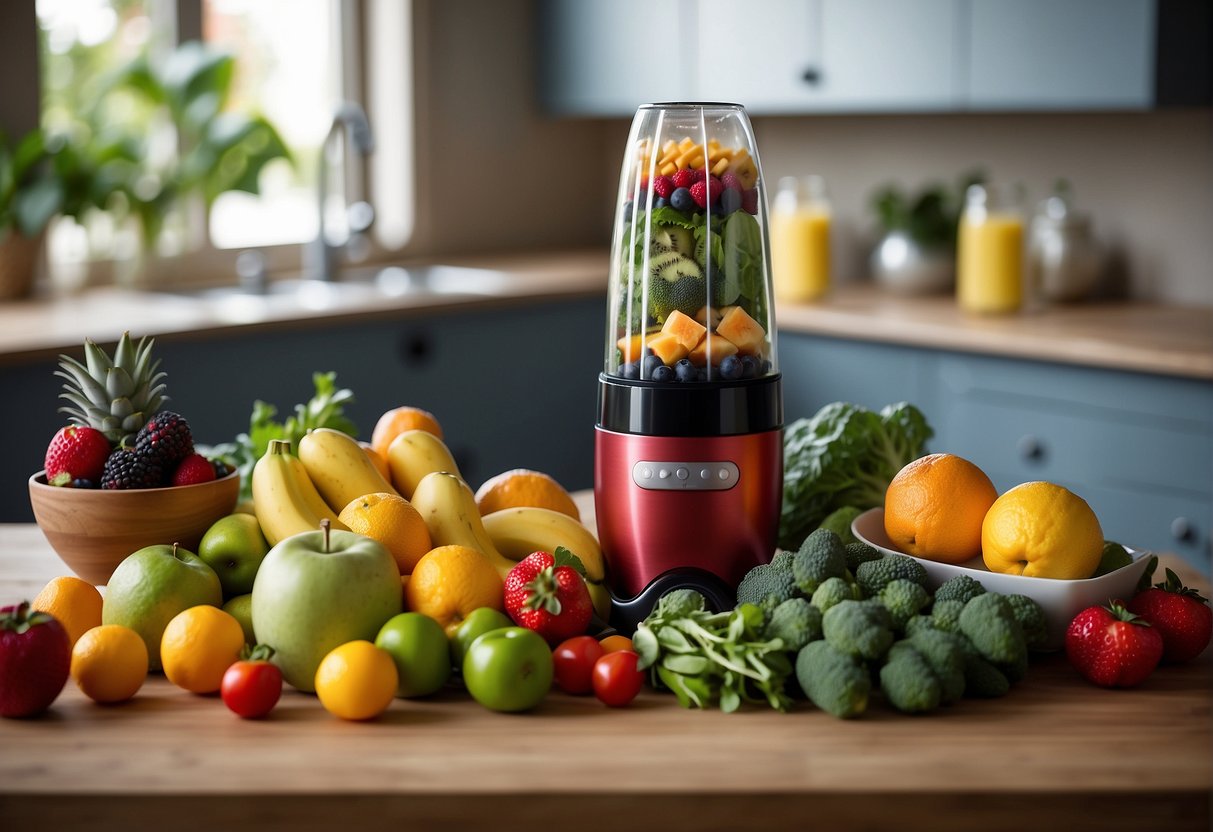
When I’m blending up a smoothie for maternal and fetal health, I focus on ingredients that pack a nutritional punch. First things first, a well-functioning immune system is key, and for that, I toss in vitamin C-rich fruits like oranges or kiwis. They’re great for both mom and baby, and honestly, who doesn’t love a fruity kick?
During the first trimester, the nervous system starts to take shape, so I make sure to add foods high in omega-3 fatty acids, like walnuts or a dash of flaxseed. These ingredients assist in the baby’s brain development and maintain my heart health, so it’s a win-win.
I also consider the benefits of antioxidants, which is why berries are my go-to for nearly every smoothie I make. Blueberries or strawberries are not only delicious, but they are also crammed with those super-important antioxidants that fend off unwanted inflammation.
For all the pregnant women out there thinking about fetal development, I’ve learned that sneaking in some leafy greens like spinach does wonders. They’re virtually tasteless when mixed with the right fruits, yet they bolster my smoothie with iron and other essential nutrients critical for baby’s growth.
And let’s not forget about those amazing superfoods! A scoop of Greek yogurt adds creaminess and is stellar for its protein and calcium, gearing up to strengthen those tiny developing bones.
In my experience, whipping up these nutrient-dense smoothies is a delightful and simple way to support my health and my baby’s development. Plus, it’s a refreshing change of pace from taking prenatal vitamins alone. Cheers to that!
Practical Tips for Smoothie Preparation
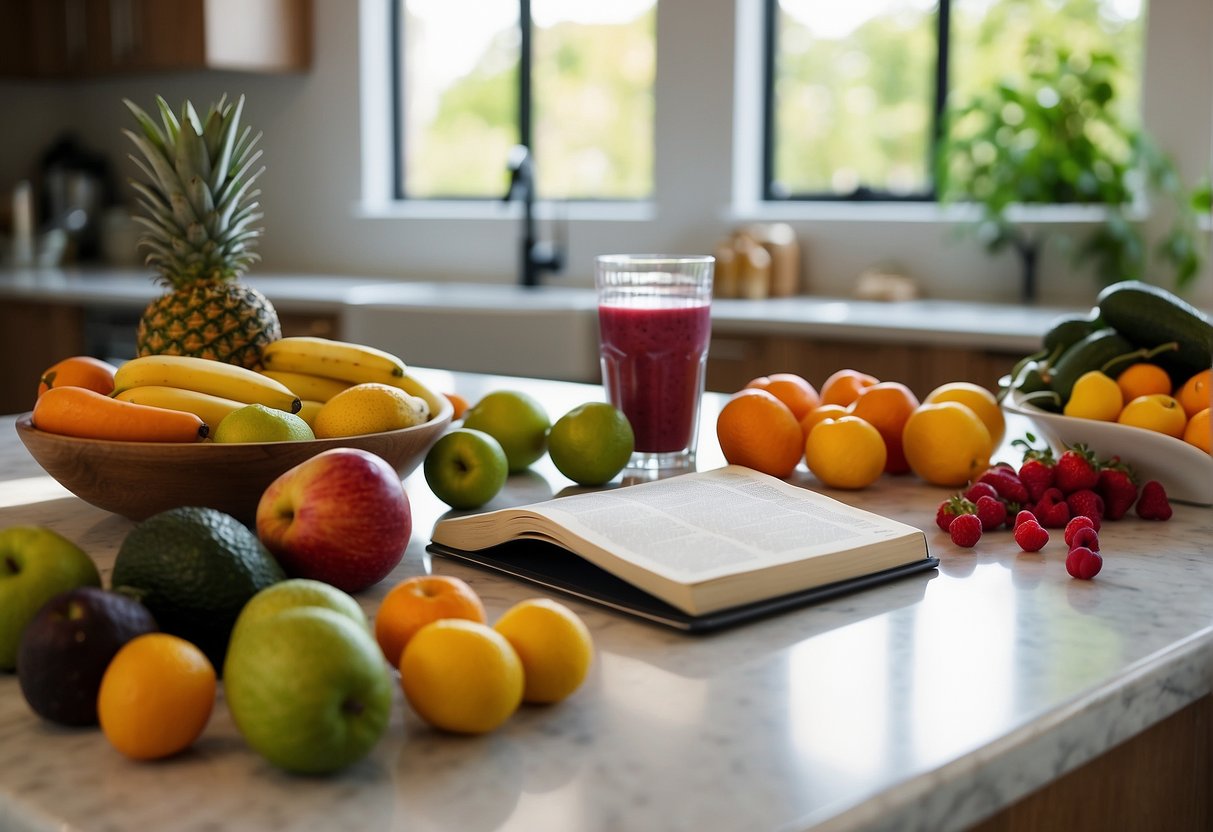
When I’m whipping up a smoothie for breakfast, I want to make sure it’s not only delicious but also packed with the nutrients needed for fetal development. I’ve got some practical tips that make prep a breeze.
Always Keep Frozen Fruit Handy: I can’t emphasize enough how useful a stash of frozen fruit is. Not only does it mean I can skip the ice cubes (which can water down the flavor), but it also ensures I have the essentials for a smoothie any time.
Max Out on Fiber: To combat constipation, common in pregnancy, I include a good serving of fiber in each smoothie. Think berries, rolled oats, or a small scoop of chia seeds. This keeps things moving and also helps me stay full longer.
Embrace Simplicity: I stick to easy recipes with a handful of ingredients. Complex recipes can be overwhelming, especially when I’m short on time. A simple blend of banana, spinach, yogurt, and almond milk is one of my go-tos for a quick fix.
Build Your Smoothie Base: For a creamy texture, I begin with a base of Greek yogurt or a slice of avocado. These provide healthy fats, which are great for my baby’s development and my own energy levels.
Here’s a quick reference I use:
| Base | Fruit | Add-Ins |
|---|---|---|
| Greek yogurt/Avocado/Almond milk | Banana/Blueberries/Apple | Chia seeds/Spinach/Oats |
Lastly, I make sure my blender is easily accessible and clean it right away to avoid a pile-up in the sink. Keeping my smoothie routine unfussy means I’m more likely to stick with it.
Frequently Asked Questions
In this section, I’ve gathered some common questions to help you navigate through the world of pregnancy smoothies, focusing on essential nutrients and safe ingredients that support fetal development.
What are some nutrient-packed smoothie recipes for the first trimester of pregnancy?
In my first trimester, I found that blending leafy greens like spinach with a mix of berries created a nutrient-dense smoothie that was rich in folate and antioxidants, vital for early pregnancy.
Can you recommend any breakfast shake ideas that are beneficial during pregnancy?
Absolutely! A breakfast shake combining Greek yogurt, a handful of almonds, and a banana offers protein, calcium, and potassium, which are essential nutrients for pregnancy.
Which ingredients make the healthiest smoothies for the third trimester?
When I was in the third trimester, I focused on ingredients high in omega-3s and fiber like chia seeds and avocado to support fetal brain development and my digestive health, which can be particularly beneficial during the third trimester.
How can smoothies contribute to fetal development in the second trimester?
Smoothies with ingredients like orange juice and strawberries provide vitamin C and iron, which are crucial in the second trimester to support the growing blood volume and the baby’s development.
Are there any specific fruits to focus on in pregnancy smoothies for nutrient optimization?
Yes, certain fruits like mangos and kiwis are excellent for pregnancy smoothies as they’re packed with vitamins A and C, respectively. I make sure to include a variety of fruits to keep my nutrient intake optimized.
Is it safe to include banana in my daily pregnancy smoothie routine?
Bananas are a safe and beneficial addition to daily pregnancy smoothies, offering potassium and vitamin B6, which can help with nausea and provide energy.