

Understanding Gut Health and Smoothies
When I consider the best ways to support my digestive system, smoothies are a staple. They’re a delicious, efficient way to infuse your body with gut-enhancing nutrients, including a bounty of fiber, probiotics, and prebiotics. Let’s break down how these elements work in harmony to promote gut health.
The Role of Smoothies in Gut Health
Smoothies are my go-to because they’re more than just a quick meal. They are a powerhouse for delivering essential nutrients that can help maintain a healthy gut. By combining various fruits, vegetables, and other gut-friendly ingredients, smoothies can amplify the presence of good bacteria in the digestive system. They’re easy on the stomach, and the liquid form ensures that nutrients are more readily available for absorption.
Nutritional Components That Boost Gut Health
The stars of a gut-healthy smoothie are:
- Fiber: It’s the fuel that the beneficial bacteria in your gut feast on. I always make sure my smoothies are rich in fiber by adding ingredients like fruits, leafy greens, and seeds like chia or flax.
- Spinach and berries are particularly high in fiber, vitamins, and antioxidants.
- Antioxidants: They fight inflammation in the gut and the rest of my body. Berries, dark chocolate, and green tea are potent sources I often use.
- Omega-3 fatty acids: Flax seeds or a splash of hemp oil in my smoothie add these essential fats that can help reduce inflammation.
How Probiotics and Prebiotics Work in Smoothies
Incorporating probiotics into my smoothies means I’m directly adding live good bacteria to my digestive system, found in foods like yogurt or kefir. Probiotics help with digestion and can improve the microbial balance in my gut.
Pairing these with prebiotics, which essentially act as food for probiotics, ensures that I’m feeding the beneficial bacteria already present. I often add a banana or a scoop of oats to my smoothie as they are excellent sources of prebiotics.
In my kitchen, a smoothie is more than just a refreshing drink—it’s a blend of science-backed goodness that can positively influence my overall well-being, focusing on the area that does so much for me: my gut health.
Choosing Ingredients for Gut-Health Smoothies
In my quest for a happy gut, I’ve discovered that the magic lies in the mix of ingredients. The right combo of fruits, veggies, and other superfoods can make your smoothie a potent potion for digestive wellness.
Best Fruits for a Healthy Digestive System
Fruits are my go-to for natural sweetness and fiber, which is great for the digestive system. Berries like raspberries and blueberries are my favorites because they’re high in fiber and antioxidants. I love tossing in bananas for their potassium and apples for their pectin, which supports digestion. Avocados add creaminess and are awesome for their healthy fats and fiber.
Incorporating Greens and Vegetables
I don’t shy away from adding greens to my smoothies. Kale and spinach effortlessly blend in and are powerhouses of vitamins A, C, K, and iron. And they’re not just for salads! I find that greens mesh well with fruits, balancing flavors and boosting nutrient content.
Nuts, Seeds, and Other Superfoods
To amp up the gut-healthy factor, seeds like chia, flax, and hemp are non-negotiable for me. They offer omega-3 fatty acids and are fantastic for keeping the digestive process smooth. When I feel a bit more indulgent, a spoonful of almond butter adds richness and protein. To blend it all together, coconut water is my choice for a refreshing twist, plus it provides extra hydration. If I want probiotics, a dollop of yogurt or a splash of kefir does the trick and makes everything creamy and delightful.
Creating the Perfect Smoothie Blend

In my journey to create smoothies that are both delightful and nourishing, I’ve found that balancing texture and taste, along with the right blending technique, makes all the difference.
Balancing Texture and Taste
When I aim for that perfect smoothie, I always start with texture; it’s the secret to a satisfying sip. Frozen bananas are my go-to base for creaminess. They blend up thick and smooth, eliminating the need for ice that can water down flavor. Plus, incorporating frozen berries not only adds vibrant color but also contributes to a slightly thicker consistency and tartness that balances well with the sweetness of the banana.
Now, let’s talk taste. The sweetness of ripe bananas is a natural complement to the slight acidity from the berries. For a touch of extra sweetness—and nutrient boost—I sometimes throw in a spoonful of honey or a pinch of cinnamon. Remember, it’s all about finding that harmony between the various flavors on your palate.
The Impact of Blending Techniques
My blender, my sidekick—choosing the right one can be a game-changer. High-speed blenders are fantastic for achieving a smooth, even texture with no unwanted chunks. When I blend, I start on a low speed to break down the bigger pieces and gradually ramp up to high. This technique makes sure every component is thoroughly integrated, giving me that consistent smoothness I crave.
And a little tip from my personal experience: to protect flavors and avoid over-oxidation, I avoid blending for too long. Just blend until everything is just right. This way, my smoothies come out fresh, with flavors and nutrients intact.
Creating the perfect smoothie isn’t just about throwing ingredients together; it requires attention to the details of texture and flavor, as well as finesse with your blending technique. With these tips, I get to enjoy smoothies that are a treat to my taste buds and a boost to my gut health.
Special Smoothie Recipes for Gut Health
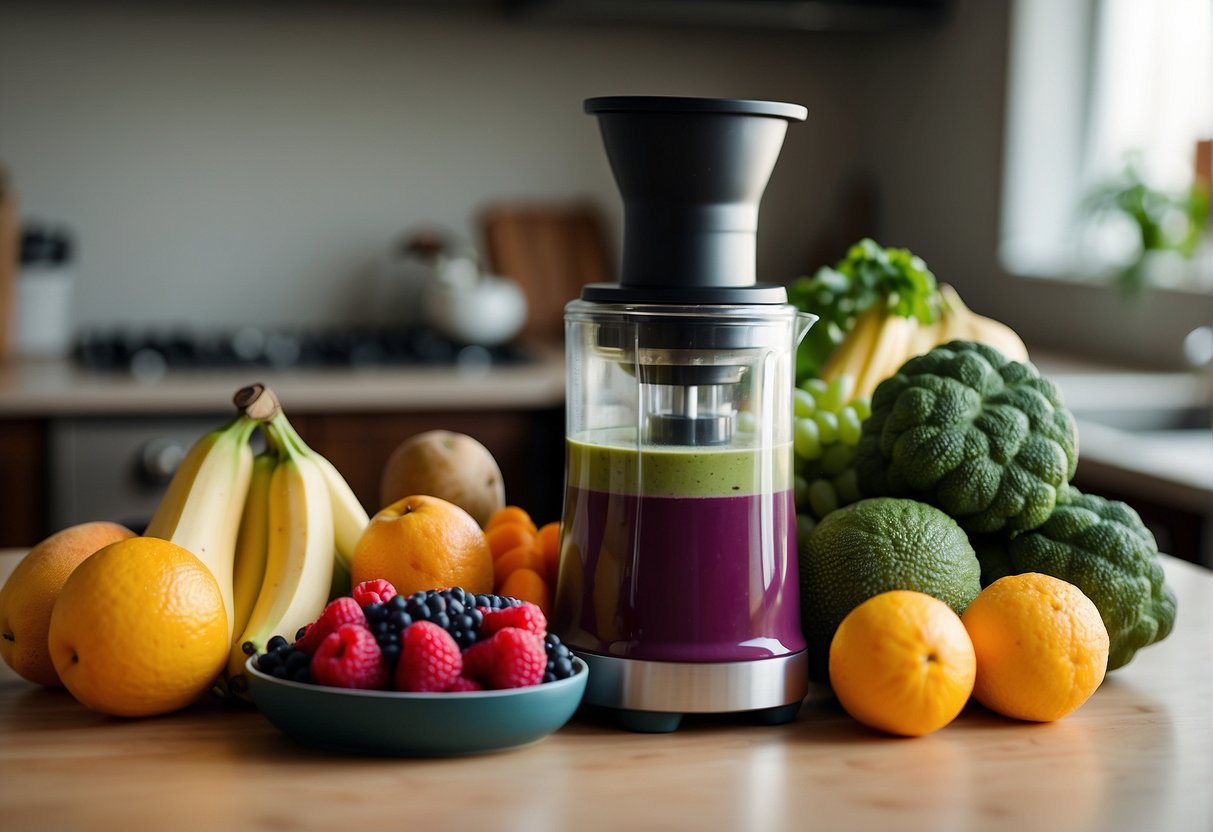
Choosing the right ingredients for your smoothie can have a substantial impact on your gut health. Below, I’ve outlined some specific recipes that focus on probiotics, digestive aids, and anti-inflammatory properties. Whether you’re looking for a fruity concoction or a veggie-packed drink, these smoothies are crafted to support your digestive tract.
Berry-Banana Smoothie with Probiotic Twist
For my Berry-Banana Smoothie, I start with a base of frozen berries and ripe bananas—a combination that’s not only delicious but packed with gut-friendly fiber. To this, I add a dollop of yogurt for a creamy texture and a hit of probiotics, which are essential for a healthy gut microbiome.
- Ingredients:
- 1 cup frozen mixed berries
- 1 ripe banana
- ½ cup probiotic yogurt
- Optional: a drizzle of honey for sweetness
Simply blend until smooth. The natural sweetness from the fruit makes this berry-banana smoothie a delightful morning treat or afternoon pick-me-up.
Green Smoothie with Digestive Boosters
My Green Smoothie is a powerhouse of digestive health. I like to incorporate spinach and kale for their nutrient density, tossing in some pineapple or apple to balance the bitterness with natural sweetness.
- Ingredients:
- A handful of fresh spinach
- A handful of kale
- ½ cup pineapple or apple chunks
- 1 tablespoon chia seeds for added fiber
I find that the chia seeds provide an excellent fiber boost—which can help keep things moving through the digestive tract—while the greens are fantastic for overall health. To make this green smoothie, just blend the ingredients until they’re smooth and enjoy the digestive benefits.
Tropical Smoothie to Reduce Inflammation
When I’m feeling like I need an inflammation-fighting superhero, I turn to my Tropical Smoothie recipe. It features ingredients like turmeric and ginger, known for their anti-inflammatory properties.
- Ingredients:
- 1 cup frozen mango chunks
- ½ banana for creaminess
- 1 teaspoon fresh grated ginger
- ½ teaspoon ground turmeric
- A squeeze of fresh lime juice to taste
The ginger adds a kick that not only tastes great but also helps settle an upset stomach. Each sip of this tropical smoothie feels like a wave of relief for my digestive system. Blend these up and transport your taste buds to a tropical paradise while doing a favor for your gut.
Enhancing Your Diet for Better Digestion
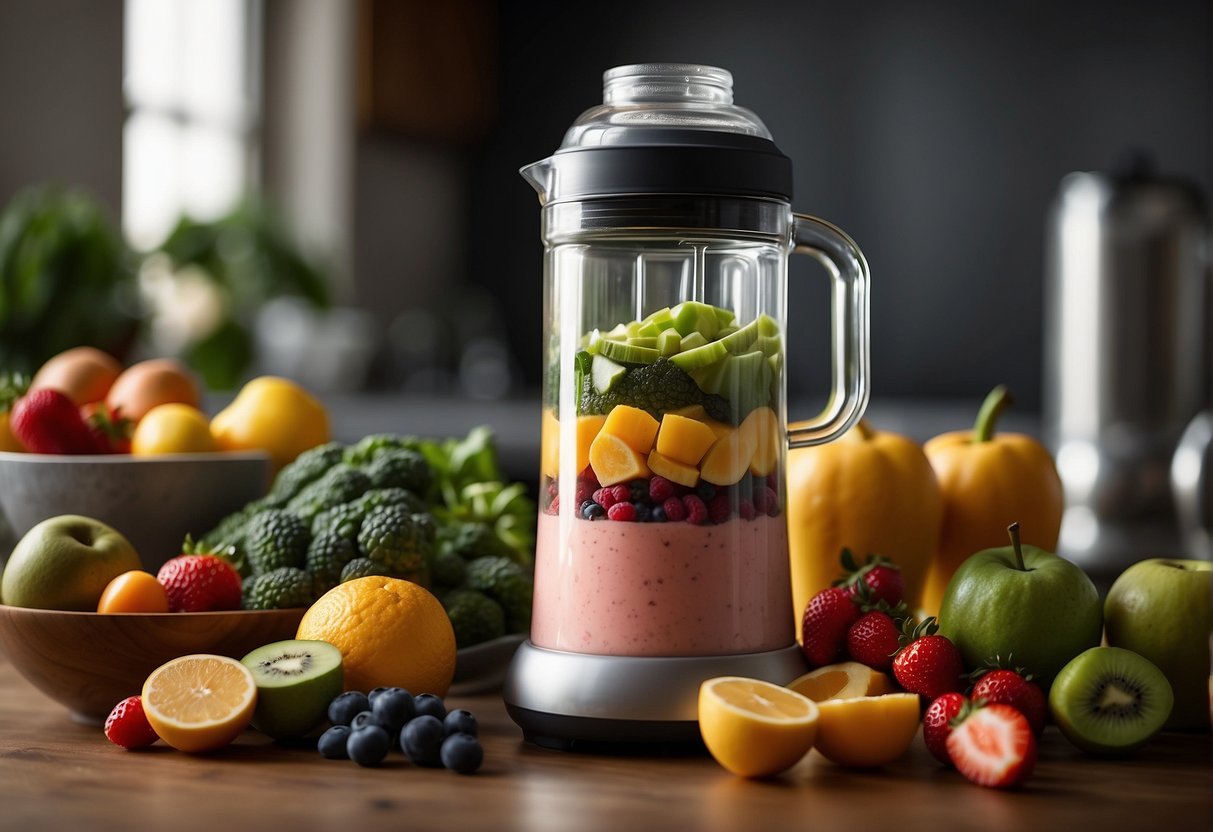
When I’m mixing up my morning smoothie for gut health, I know it’s just part of my overall diet that supports healthy digestion. Let’s dive into the right foods to complement those smoothies and the dietary tweaks that can make a real difference.
Foods to Combine with Gut-Healthy Smoothies
I’ve found that incorporating dietary fiber and whole grains into my meals helps significantly with digestion. For instance, adding a scoop of oats or chia seeds to my smoothie boosts not only fiber content but also helps with regular bowel movements which, in turn, prevents bloating and constipation. Including fermented foods like kefir or kombucha provides me with a good dose of probiotics, aiding in better nutrient absorption and even contributing to weight loss efforts due to improved digestive function.
Fiber-Rich Add-ins:
- Oats: for sustained energy and digestion-helping soluble fiber.
- Chia Seeds: great for omega-3s and expanding in the stomach to help me feel full.
Probiotic Powerhouses:
- Yogurt or Kefir: creamy textures for smoothies with a punch of gut-friendly bacteria.
- Kombucha: a fizzy twist that can act as a liquid base for any fruit or veggie blends.
Dietary Adjustments for Improved Gut Health
Tweaking my diet to promote better gut health includes more than just what I add—it’s also about what foods I might need to eat less of. I’ve learned about the FODMAP diet, which has been a game-changer for me in managing digestive issues. This approach means I sometimes need to limit certain fruits, veggies, and sweeteners that can cause distress. It’s all about finding balance and listening to my body’s response to different foods.
High-FODMAP Foods to Limit:
- Apples, garlic, onions, and wheat products can trigger sensitivities.
Helpful Habits:
- Eating smaller, more frequent meals can help with digestion and reduce bloating.
- Staying hydrated throughout the day aids digestion and helps the fibers in my smoothies work more effectively.
Through these foods and adjustments, my digestion has improved significantly, which has had a positive impact on my overall health and well-being.
Tips and Tricks for Gut-Friendly Smoothie Habits
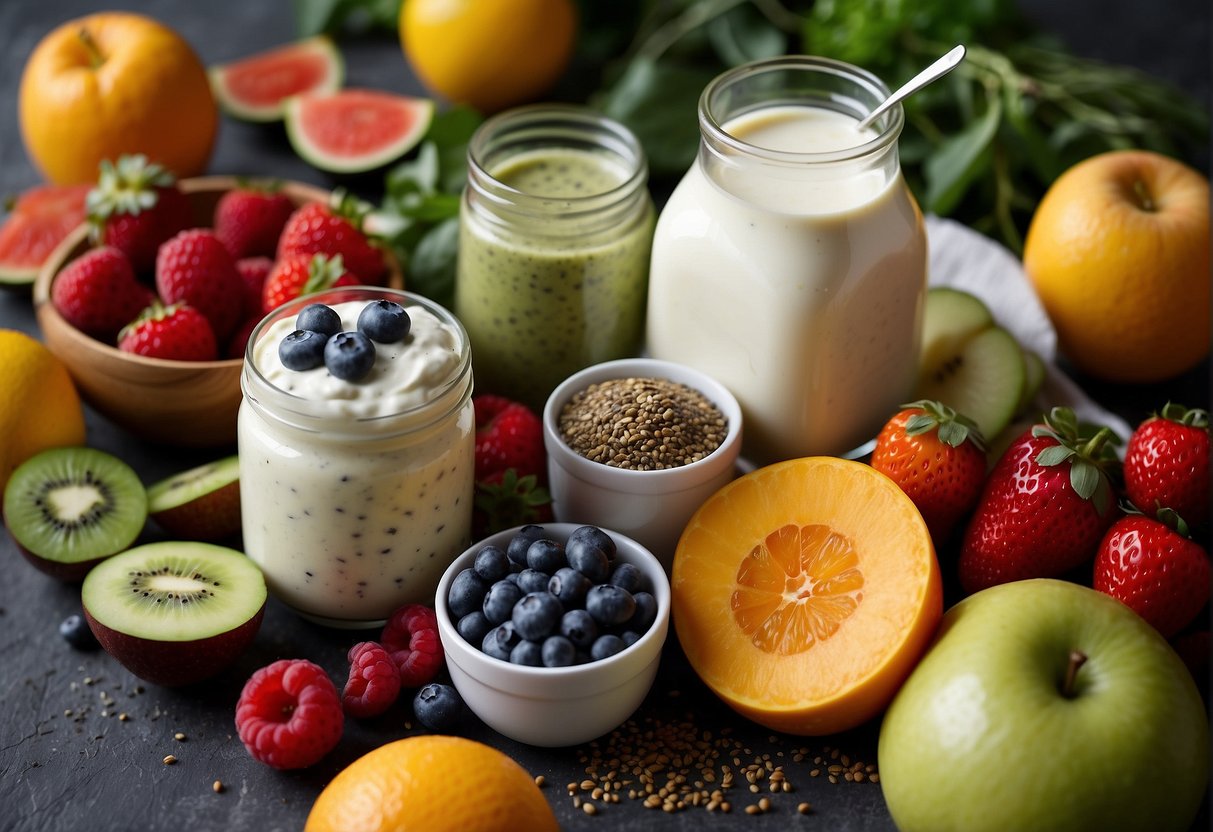
Crafting a delicious and gut-friendly smoothie isn’t just about tossing ingredients into a blender. It’s also about smart preparation and creation. Let’s break down how I manage my smoothie routine to maximize gut health benefits.
Storing and Preparing Smoothie Ingredients Efficiently
Organizing Your Fridge: I like to designate a specific area in my fridge for smoothie ingredients. I group pre-washed greens, pre-cut fruit portions, and containers of plant-based milks like soy and base ingredients such as Greek yogurt. This keeps everything within easy reach and simplifies my breakfast smoothies routine.
- Freezing Bananas & Berries: Once ripe, I freeze bananas and berries in individual bags. They act as natural ice cubes and are perfect for a creamy texture.
- Pre-Mix Dry Ingredients: I mix a batch of oats and prebiotic foods like flaxseeds or chia seeds in a jar, so I can just scoop, blend, and go.
Maintaining Variety in Smoothie Making
Weekly Smoothie Menu: It’s crucial for me to avoid a smoothie rut. At the start of the week, I plan a rotation that includes a mix of bright, fruity options and richer ones with cottage cheese or vegan protein powders.
- Monday: Blueberry and Spinach with Soy Milk
- Wednesday: Strawberry, Oat, and Greek Yogurt
- Friday: Tropical Pineapple and Cottage Cheese with a Prebiotic Boost
For Tastiness and Nutrition: I find that incorporating a diverse range of ingredients not only keeps my taste buds happy but also ensures my gut gets a broad spectrum of nutrients and fibers. Remember, a happy gut is a healthy you!
Frequently Asked Questions

In my exploration of gut-healthy smoothies, I’ve come across some common questions. I’ll dive into these to give you the best blend of info for your digestive wellness.
What ingredients should I include in a smoothie to enhance gut health?
To boost gut health, I always add ingredients like bananas for their high magnesium and potassium content, as detailed in the smoothie tips from Well+Good. I also include fiber-rich fruits and probiotics from yogurt or kefir to promote healthy gut bacteria.
Can blending a smoothie with certain fruits improve digestive wellness?
Absolutely! I find that incorporating fruits like pears, which are packed with fiber, can significantly improve digestion as suggested by this Lemony Pear-Ginger Smoothie recommendation. Fruits with high water content, like melon, also help keep things moving.
Are there any special recipes for smoothies that also promote weight loss and gut health?
Yes, there are recipes that hit both targets. They usually have low-calorie, high-fiber fruits, and ingredients like leafy greens and flaxseeds. I’ve seen a great example of this in the 30-Day Smoothie Plan which includes recipes that help you feel full and support gut health simultaneously.
What type of smoothie additives are beneficial for a gut cleanse?
For a gut cleanse, I lean towards additives like ginger, which can aid digestion, and turmeric for its anti-inflammatory properties. Chia seeds are also great for a gentle detox and can be found in recommendations like this gastroenterologist’s gut-healthy smoothie recipe.
How can I make a smoothie that helps with digestion and bloating?
To combat bloating, I whip up smoothies that include ingredients with natural digestive enzymes, such as papaya or pineapple. I also incorporate peppermint or ginger, both noted for their digestive aid properties.
Which smoothies offered at popular chains are recommended for good gut health?
When I’m out, I look for smoothies that have a variety of fruits and vegetables. I’ve discovered that places like Jamba Juice offer blends rich in fiber and probiotics, which are ideal for maintaining a healthy gut. It’s always worth asking for customizations to boost the gut health benefits, like adding in a scoop of chia seeds or swapping in almond milk for a dairy-free option.