
Understanding Cold and Flu
When I catch a cold or the flu, I know I’m in for a rough time, but understanding how my body reacts and what it needs can make a big difference. Here’s the breakdown of the essentials during these infections.
Role of the Immune System
My immune system is my body’s defense against infections, including the viruses that cause the common cold and flu. When these viruses enter my body, my immune system works to recognize and fight them off. It’s like having my own personal army on the lookout for invaders.
Common Symptoms
The laundry list of symptoms that come with colds and flu are my immune system’s response to the fight. We’re talking about the notorious runny nose, cough, sore throat, and maybe even a fever. Both colds and flu can lead to more severe respiratory infections if not managed properly.

Importance of Hydration
Drinking plenty of water is crucial because it helps keep the mucous membranes moist, which can help my immune system ward off the viruses. Staying hydrated also helps to thin mucus, making it easier to expel and relieving congestion.
Benefits of Smoothies for Cold and Flu
When I’m feeling under the weather, I find that smoothies are an excellent way to pack in nutrients and give my immune system the tools it needs to fight off a cold or flu.
Nutritional Content
I make sure my smoothies are chock-full of vitamins and minerals that are crucial for boosting my body’s defenses. For instance, including citrus fruits gives me a hefty dose of vitamin C, while throwing in some leafy greens can provide vitamin A and K. But it’s not just about the vitamins. The antioxidants in berries and the fiber from fruits like apples and bananas help me combat the illness from multiple angles. Plus, I can’t forget about the minerals like magnesium and zinc, which are a boon for my immune health.
Convenience and Digestion
When my throat is sore and my energy levels are low, I want something that’s easy to make and gentle on my stomach. This is why I turn to smoothies—they’re super convenient. I can toss all these nutrient-rich ingredients into a blender and have a soothing meal ready in minutes. Since they’re blended, smoothies are fantastic for digestion, allowing my gut to easily absorb all the nutrients without extra strain, a key concern when my body’s busy fighting an infection. Plus, calling something an “immune-boosting smoothie” isn’t just a fancy term; it’s a tasty, efficient way to get my daily dose of health-supporting goodies.
Key Ingredients for Immune Support

When I’m blending up a smoothie to combat cold and flu, I focus on packing it with immune-supporting goodies. The right mix of vitamins, anti-inflammatory agents, and nurturing proteins and fats can really give my body a fighting chance.
Vitamin-Rich Fruits
I swear by vitamin C to keep my immune system in tip-top shape, especially during those pesky cold months. Oranges and lemons are my go-to citrus fruits – they’re like a burst of sunshine in a cup. But I don’t stop there; kiwi, mango, and strawberries are also rich in vitamin C and give that natural sweetness we all crave. Plus, apples are great for adding fiber and additional vitamins.
- Oranges: Packed with vitamin C
- Kiwis: Also high in vitamin C and adds tropical flavor
- Mango: Sweet and loaded with vitamins
Anti-inflammatory Additions
Now, for that extra kick to fight inflammation, I sprinkle in some ginger and turmeric. These are powerhouse spices that not only help soothe a sore throat but also boost my immune function. And let’s not forget carrots; they’re full of beta-carotene, which is great for not only taste but also for that vitamin A kick.
- Ginger: A spicy root that can help reduce inflammation
- Turmeric: Curcumin in turmeric is known for its anti-inflammatory properties
Protein Sources and Healthy Fats
I like to round out my smoothies with a scoop of protein—such as nuts or seeds—to help keep my energy levels stable. Flaxseeds or chia seeds are fantastic because they offer healthy fats and a bit of protein too. These fats are crucial for absorbing vitamins like A, D, E, and K. For leafy greens, I toss in kale or spinach for a dose of vitamins and a hint of zinc, another immune system ally.
- Nuts: A good source of protein and healthy fats
- Flaxseeds: Contain omega-3 fats and fiber for digestive health
Building Your Smoothie
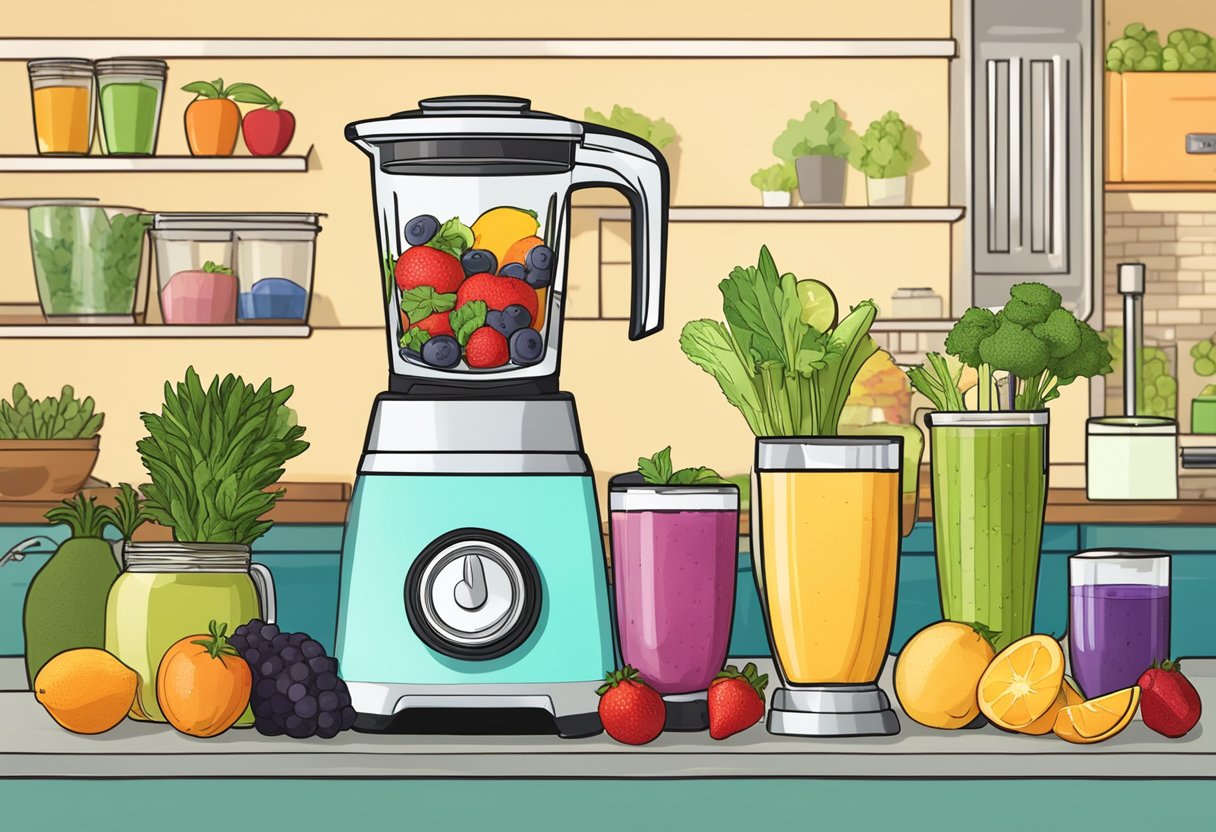
When I’m crafting the perfect smoothie, especially for cold and flu season, each ingredient counts. I aim for a balance of flavor, nutrition, and immune support.
Choosing a Base
My go-to bases usually include citrus fruits like orange juice or lemon juice, because they’re zesty and packed with vitamin C. Sometimes I prefer the creaminess and good calories that come from coconut milk or various nut milks—they’re vegan-friendly and lend a nice texture. For a more hydrating option, coconut water is a winner with fewer calories and some essential electrolytes.
Sweeteners and Flavor Enhancers
I sweeten naturally with a spoonful of honey, which also happens to be great for soothing sore throats. A dash of cinnamon can really warm things up and it’s got some impressive anti-inflammatory properties. If I’m looking for something lower in carbohydrates, I’ll use stevia or monk fruit sweetener—they do the trick without adding extra sugar.
Superfoods and Boosters
For the superfoods, I’ll toss in some options that are nutrient-dense. I like including dark, leafy vegetables for iron and calcium. Then, a scoop of protein powder for an added boost, especially if I feel my body needs a bit more to fight off infections. To really target immune support, I can’t go wrong with blending in some echinacea or elderberry.
Smoothie Preparation Tips

When it comes to whipping up a smoothie for cold and flu, I’ve learned that a few tips can make all the difference. Let’s dive into the details.
Using the Right Blender
You might not think the blender is a big deal, but trust me, it is. If you’re blending up ingredients like frozen berries or spinach, a high-powered blender can really go the distance. It’ll break down those tough fibers, which means a silkier smoothie for you.
Texture and Consistency Adjustments
I like my smoothies smooth, not chunky. If you want to tweak the thickness, here’s what I do: start with less liquid and add more as needed. For a thicker texture, I toss in a few more frozen fruits or even some ice. It’s all about finding that sweet spot between too runny and too thick.
Lifestyle and Prevention

When I think about staying healthy during cold and flu season, I focus both on what I eat and how I live. The foods I choose and the holistic health strategies I adopt can be just as crucial as washing my hands or getting a flu shot.
Dietary Considerations
In my daily diet, veggies are non-negotiable for their nutrient density and low sugar content. I aim for a plate loaded with a variety of colors to get a full spectrum of vitamins and minerals. Some of my go-to veggies are rich in folate, like spinach and asparagus, which play a vital role in cell function and tissue growth.
I also pay attention to foods high in magnesium, which is said to support heart health and have anti-inflammatory benefits. Foods like pumpkin seeds and spinach find their way into my smoothies. Plus, the nutrition information on these veggies shows they’re not just good for me but delicious too.
Holistic Health Approaches
Beyond my plate, I focus on holistic practices that contribute to overall health and prevention. I ensure I get enough sleep, which is when my body recovers and repairs itself. It’s essential for keeping inflammation in check, which can be a precursor to getting sick.
I integrate activities like moderate exercise and meditation into my routine, as they’ve been known to strengthen the body’s response to stress. A holistic approach for me means not just treating symptoms, but nurturing my body so it can fend off illness before it starts.
Additional Immune Boosters
When I’m whipping up my immune boosting smoothie, I pack it with more than just fruits—I go for herbs and spices with a kick, and I’m mindful of when I drink it for the best health punch.
Herbs and Spices with Immune Properties
Let me spill the beans on some fragrant additions that turn any smoothie from blah to aha! Cinnamon and garlic aren’t just for solid foods; these two can really jazz up your drink. Cinnamon is sweet and warming—perfect for those cozy feels—plus it’s got properties that help your immune system stay on guard. Garlic, on the other hand, might sound weird in a smoothie, but trust me, a small amount goes unnoticed taste-wise and brings some serious immunity-boosting clout to the table.
Optimal Time for Smoothie Consumption
Now, when should I indulge in this liquid shield? I find it’s best to drink my immune boosting smoothie in the morning to kickstart my body’s defenses. But hey, if I’m feeling a bit under the weather or see people around me sniffing, I might blend up another one as an afternoon pick-me-up. It’s all about giving my body what it needs, when it needs it, to battle cold and flu season head-on.
Recipe Inspirations
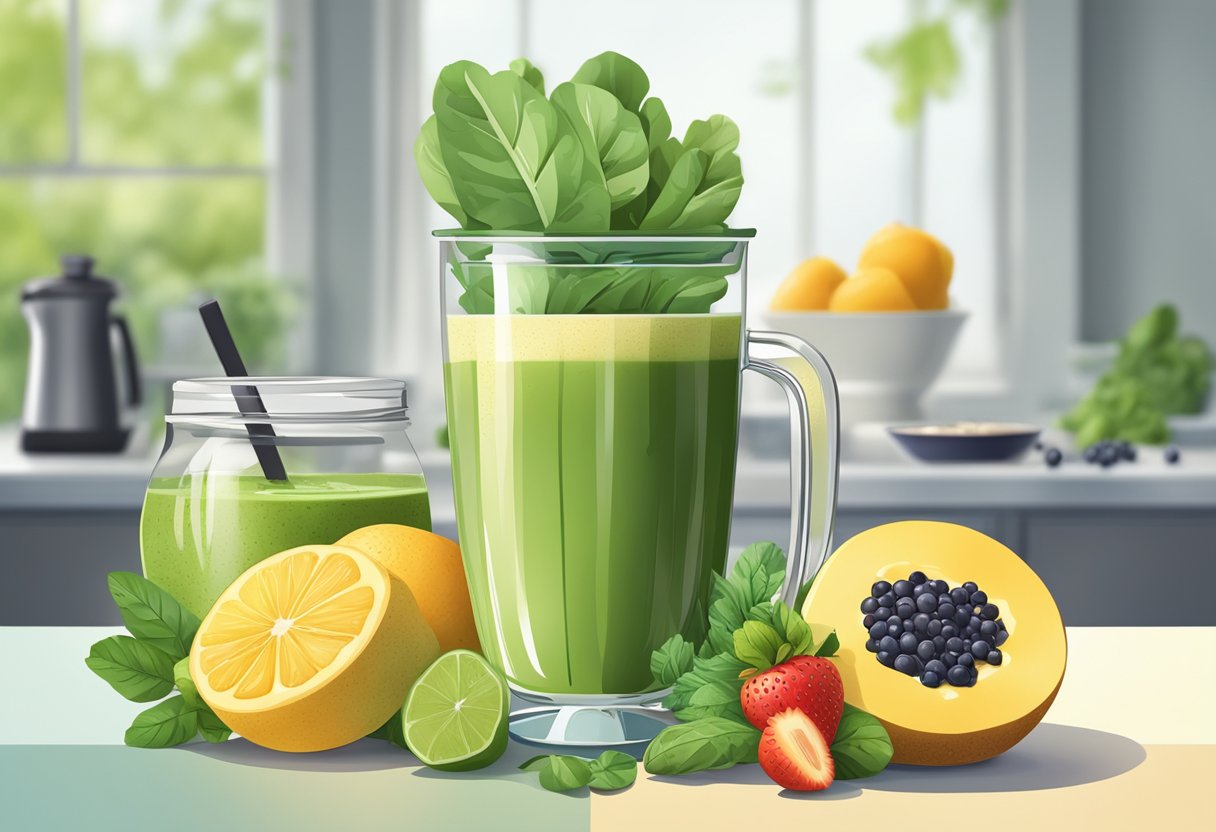
In my quest to keep the sniffles at bay, I’ve whipped up a couple of my go-to smoothies that not only taste great but are also packed with vitamins. These recipes are my personal shields during the cold and flu season.
Citrus and Berry Medley
I love starting my day with a bright and zesty Citrus and Berry Medley smoothie. It’s an easy way to get a bunch of antioxidants and vitamin C, which are essential for immune support.
- Ingredients:
- 1 clementine, peeled
- 1/2 cup fresh orange juice
- 1/2 cup mixed berries (strawberries, blueberries, raspberries)
- 1 small carrot, chopped
- 1 tablespoon honey (or another vegan sweetener, if you prefer)
- Ice cubes
Directions: Simply blend all the ingredients together until smooth. If I find it’s too thick, I’ll add a splash more orange juice or water to adjust the consistency.
Tropical Green Power
For a heartier option, I turn to my Tropical Green Power smoothie. It’s a flavorful blend of tropical fruits and leafy greens, making it a powerhouse for heart health and a strong immune system.
- Ingredients:
- 1 cup fresh pineapple chunks
- 1/2 cup coconut water or almond milk (for the vegans out there)
- 1 cup kale or spinach, stems removed
- 1/2 banana, for added sweetness
- 1 tablespoon chia seeds, for a boost of fiber
Directions: Toss these ingredients in the blender and whirl them until they’re smooth. I like to chill my pineapple ahead of time, so the smoothie is nice and cool when I drink it.
Both of these smoothie options are not just about warding off a cold; they bring me a burst of morning freshness and a bunch of health benefits in every sip.
Customization and Variations
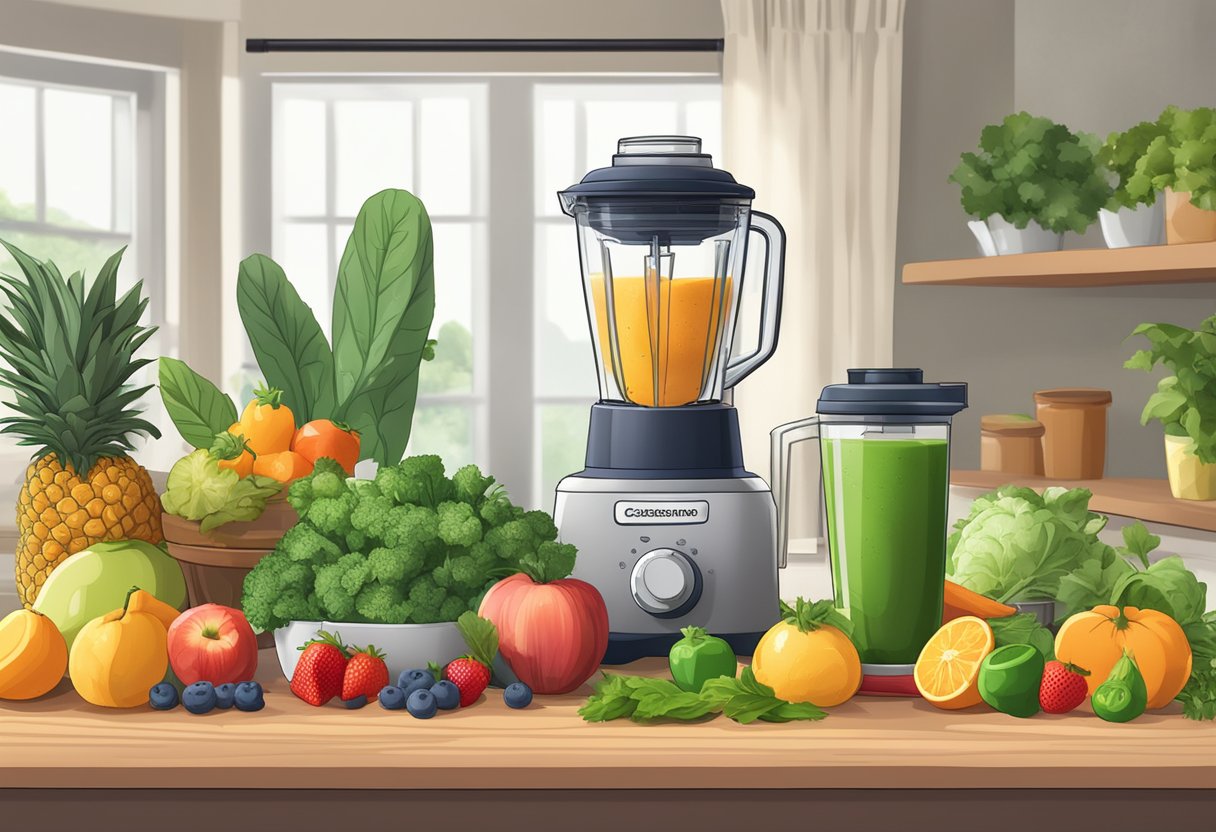
When I’m whipping up a smoothie, I love to play with different flavors and ingredients, especially to cater to anyone’s dietary needs or to make the most of what’s in season. It’s all about finding that perfect blend that not only tastes great but also fits with your personal health goals or dietary restrictions.
Adjustments for Dietary Restrictions
If you’re vegan or have other dietary concerns, it’s super simple to tweak immune-boosting smoothie recipes. I often swap out dairy for coconut milk or almond milk as a creamy, lactose-free base. It’s also easy to amp up the protein content by adding a scoop of your favorite plant-based protein powder. Here’s a quick reference:
- Base Liquids: Replace cow’s milk with coconut milk, almond milk, or other plant-based milks.
- Protein Sources: Add vegan protein powders, almonds, chia seeds, or hemp seeds for an extra boost.
- Sweeteners: Opt for natural sweeteners like maple syrup or dates instead of honey.
Seasonal and Local Produce Options
I make it a point to use seasonal and local produce whenever I can. It’s a fantastic way to support local farmers and enjoy fruits and veggies at their peak freshness and nutritional value. During the fall, pumpkin or sweet potato can bring a lovely earthiness to your fruit smoothie, and in the summer, berries and peaches add a natural sweetness and a ton of antioxidants. Here are a couple of ideas I like:
- Summer: Combine local berries with banana and coconut water for a refreshing treat.
- Fall: Mix in roasted pumpkin with a dash of cinnamon and nutmeg for a smoothie that tastes like pie.
Remember, the key to a good smoothie is making it your own, so don’t be afraid to experiment!
Frequently Asked Questions

In this section, I’ll share insights on how smoothies can be tailored to help ease the symptoms of cold and flu. We’ll explore soothing recipes, the best ingredients for relief, and specific smoothie ideas that might just make you feel a bit better.
What are some immune-boosting smoothie recipes for easing cold symptoms?
I’ve found that smoothies packed with vitamin C are especially good when I’m feeling under the weather. Foods like oranges, kiwis, and strawberries are my go-to fruits. For an immune boost, I like using the recipes that include these ingredients.
Can smoothies help soothe a sore throat and alleviate cold discomfort?
Absolutely, they can. I make sure to include creamy ingredients like banana or yogurt in my smoothies to create a soothing texture that’s gentle on my throat.
Which ingredients should I include in a smoothie to combat a cold and flu?
To fight off a cold or flu, I include ingredients like ginger and turmeric for their anti-inflammatory properties. I’ve also seen recommendations to add things like citrus and leafy greens for an extra nutrient kick.
Are there any specific smoothie recipes recommended for upper respiratory infections?
For upper respiratory issues, a smoothie with a combination of vitamin-rich fruits and vegetables helps me. A recipe I often turn to includes carrot and orange, which are great for their vitamins and flavors.
What kind of smoothies can help reduce mucus during a flu?
When I’m looking to reduce mucus, I opt for smoothies with a bit of spice. Ingredients like cayenne pepper or ginger have always done the trick for me, and they add a nice kick.
How does incorporating tropical fruits into a smoothie benefit someone with a cold?
Tropical fruits not only taste great, but they’re also loaded with vitamin C and other essential nutrients that help support the immune system. I love adding mango chunks which I’ve found to be both delicious and beneficial during the cold season.