
Health and Safety Concerns
When I consider frozen strawberries, I think of them as a convenient and typically safe option for enjoying fruit out of season. However, it’s important for me to be aware of certain health and safety concerns that come with them. Contamination can happen at any point from the farm to my freezer. Two of the main culprits I watch out for are bacteria such as E. coli and Salmonella, which can survive in the cold environment of my freezer.
Listeria monocytogenes and Salmonella are bacteria I often associate with foodborne illnesses which can occasionally be found on these fruits. There are documented incidents, like the recent Hepatitis A outbreak, linking frozen strawberries to health issues. Hepatitis A virus, for instance, has led to hepatitis A infections after the consumption of contaminated frozen strawberries.
The risk of catching a virus like Hepatitis A from frozen strawberries depends on factors like how they were handled. If infected workers have been involved or if there was contaminated water used in processing, the risk rises. This virus affects my liver and can cause symptoms ranging from mild to severe.
While freezing doesn’t typically kill these pathogens, I know that proper hygiene and cooking can reduce my risk. Outbreaks sometimes prompt recalls, and I make sure to stay informed. In some situations, vaccination against Hepatitis A can be a precautionary measure I consider.
Here’s a quick rundown of what I keep in mind:
- Check for Recalls: I stay updated on recalls to ensure my strawberries haven’t been affected by a recent outbreak.
- Practice Safe Handling: I wash my hands before and after handling frozen strawberries and ensure that they’re thoroughly washed or cooked before I consume them.
Frozen Strawberry Benefits

When I stash frozen strawberries in my freezer, I’m not just saving on prep time—I’m locking in vitamins and adding convenience to my meals. Here’s why I’m all about the benefits of these ruby-hued gems.
Nutritional Value
Frozen strawberries pack a nutritional punch, similar to their fresh counterparts. I get a hefty dose of vitamin C, vital for immune support and skin health, whenever I enjoy these berries. Plus, they provide folate and fiber, making them a guilt-free topping for my cereal or yogurt. According to Livestrong, a single cup of unsweetened, frozen strawberries contains over 150 percent of the recommended dietary allowance for vitamin C for a 2,000-calorie diet.
Shelf Life and Quality
I love that frozen strawberries have a longer shelf life than fresh berries. They can last in my freezer for months without losing their nutritional value or flavor. Plus, since they’re picked at peak ripeness and frozen quickly, they often taste sweeter than the fresh berries that traveled miles to get to my grocery store. The quick-freezing process locks in the berries’ quality and preserves their texture to a large extent, making them a reliable ingredient for various dishes.
Convenience and Usage
Honestly, the convenience of having frozen strawberries on hand cannot be overstated. Whether I’m blending them into smoothies or tossing them into desserts, they’re ready whenever I need them. And I don’t have to worry about them spoiling quickly like fresh strawberries. Having these berries in frozen form means I’m always prepared to add natural sweetness and a nutritional boost to my dishes.
Safe Handling Practices
Safety is key, so I make sure to follow proper safe handling practices. The FDA and CDC provide guidelines for food safety that are easy to follow, including keeping my strawberries at a safe temperature in the freezer and following the correct thawing methods. If I choose to defrost them, I either plan ahead to thaw in the fridge or use a microwave for immediate use. Plus, when using them in cooking, there’s an added benefit: the heat eliminates any concerns about bacteria that I might have with fresh produce.
Regulatory Actions and Guidelines
When talking about frozen strawberries’ safety, regulatory actions and guidelines are pivotal. These ensure that cases of foodborne illness are swiftly addressed and that best practices in the production and handling of produce are enforced.
Outbreak Investigations
I’ve learned that when an outbreak is suspected, entities like the CDC (Centers for Disease Control and Prevention) immediately spring into action. For instance, in February 2023, an outbreak investigation linked to hepatitis A virus infections was associated with frozen strawberries. Such investigations often involve multiple stakeholders, including farms and industry bodies, to pinpoint the source.
Recall Procedures
During a recall, the FDA (U.S. Food and Drug Administration) utilizes traceback procedures to identify the common supplier. This was the case with the recalled frozen organic strawberries from Wawona Frozen Foods. Retailers are alerted not to sell and consumers are advised not to consume affected products. Brand labels play a significant role here in helping identify the specific items in question.
Standards for Frozen Produce
For frozen produce like strawberries, safety standards are rigorous. The FDA conducts sampling and supervises industry efforts to enhance the safety across all levels, including fresh and frozen organic strawberries and organic tropical fruit blends. The development of a food safety prevention strategy, as mentioned in a Food Safety Magazine article, is a testament to the ongoing research and commitment to prevent foodborne illnesses.
Specific Case Studies

In this section, we’ll dive into a few real-world cases where frozen strawberries led to public health concerns. Understanding these cases gives us insight into the potential risks associated with consuming frozen strawberries and the measures taken to ensure safety.
Baja California Hepatitis A Outbreak
The Baja California Hepatitis A outbreak in February 2023 was a significant event. I recall this was linked to the consumption of frozen strawberries imported from Baja California, Mexico. People who ate these strawberries experienced symptoms like dark urine, fatigue, pale stools, and jaundice, indicating a hepatitis A outbreak. The FDA advised against the consumption of the affected batches Hepatitis A Virus Infections: Frozen Strawberries (February 2023).
Frozen Berry Recalls
Focusing on safety measures, there have been instances where frozen strawberries were recalled after potential health risks were identified. Symptoms like nausea, vomiting, and abdominal pain prompted these recalls. The recalls involved several brands, including California Splendor and Scenic Fruit, from farms suspected of contamination FDA Sampling Frozen Berries for Harmful Viruses.
Retailer and Brand Impact
Lastly, let’s talk about how such outbreaks affect retailers and brands. For instance, when Willamette Valley Fruit was implicated, retailers like Costco, Walmart, and Aldi had to pull products off their shelves in cities such as San Diego and Gresham. Even smaller retailers like PCC Community Markets felt the impact. The brand reputation and consumer trust towards companies like Scenic Fruit Company or distributors like Vital Choice Seafood also take a hit, affecting their standings for a while Are Frozen Fruits and Vegetables Healthy and Safe?.
Symptom Recognition and Response
When I think about eating frozen strawberries, safety is always a concern, especially considering the potential risk of Hepatitis A virus infections. If I’ve eaten strawberries that were later part of a recall, I would look out for various symptoms that might indicate an infection.
Firstly, I’d watch for fatigue—feeling more tired than usual without a clear reason. This can be an early sign of many illnesses, including Hepatitis A. Another symptom I’d be alert for is abdominal pain. If I begin to experience discomfort or pain in my belly area, it could be something to take seriously.
Here’s a quick list of other tell-tale symptoms:
- Nausea: Feeling queasy or like I’m about to throw up.
- Vomiting: Actually being sick to my stomach.
- Pale stool: Noticing a lighter, clay-colored appearance in my bowel movements.
- Dark urine: Seeing a darker amber or brown coloration when I pee.
- Jaundice: Yellowing of my skin or the whites of my eyes.
If any of these symptoms pop up, my first step is to consult with a healthcare provider immediately. It’s crucial to respond quickly since the liver—the organ affected by this virus—is so vital. Plus, if it’s confirmed that I’ve contracted Hepatitis A, informing public health authorities can help prevent further spread.
In terms of prevention, one of the best things I can do is get vaccination if I haven’t yet. It’s an effective way to help protect my liver from this virus. Simple steps like these can be reassuring, especially when I hear about outbreaks linked to foods I love.
Frequently Asked Questions
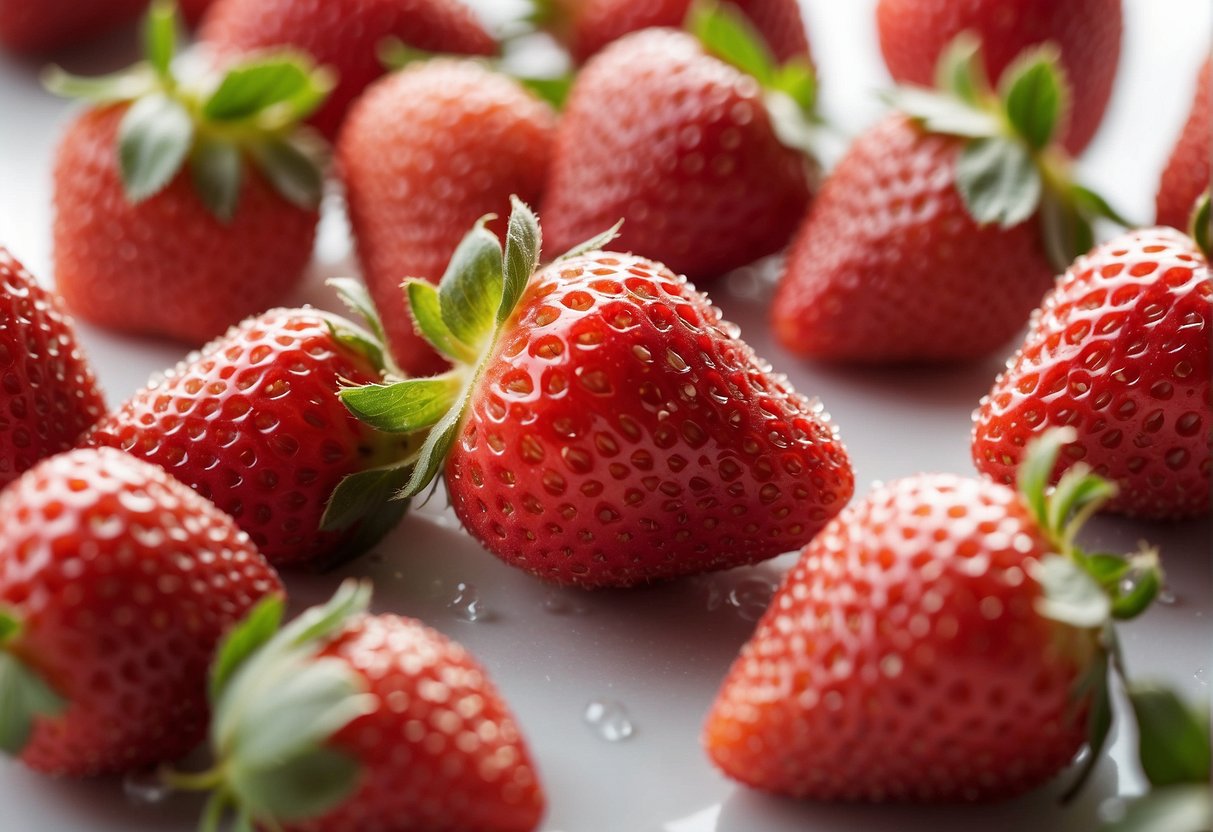
When I pick up a bag of frozen strawberries, I always check a few things to make sure they’re safe. Here are some common questions people, like me, ask when it comes to the safety of frozen strawberries.
What should I check for when buying frozen strawberries to ensure safety?
First, I make sure the packaging is intact with no signs of damage. The strawberries should be uniformly frozen too, without any ice crystals or frost, which can indicate thawing and refreezing.
How can I find out if the strawberries I purchased are part of a recent recall?
I keep an eye on the FDA’s recall page to stay updated on any strawberry recalls. I also check the brand’s website or contact their customer service for the most current information.
Can eating frozen strawberries daily have any health effects?
Including frozen strawberries in my diet is a tasty way to get dietary fiber, vitamins, and minerals. As long as they’re unsweetened, I use them as a healthy snack alternative to manage my weight.
What steps can I take to reduce the risk of contamination from frozen strawberries?
To reduce contamination risks, I ensure to wash my hands before and after handling the berries. I also sanitize any surfaces and kitchen tools that come in contact with them.
How do I properly store frozen strawberries to maintain their quality and safety?
I store my frozen strawberries at a consistent temperature in the freezer. If I notice the berries have thawed, I avoid refreezing them to prevent potential microbial growth.
Are there any recent health outbreaks linked to strawberries I should be aware of?
For the latest information on health outbreaks, I monitor public health alerts from the CDC and local health departments to know if strawberries are currently affected.