
Understanding Almond Milk and Cocoa Powder
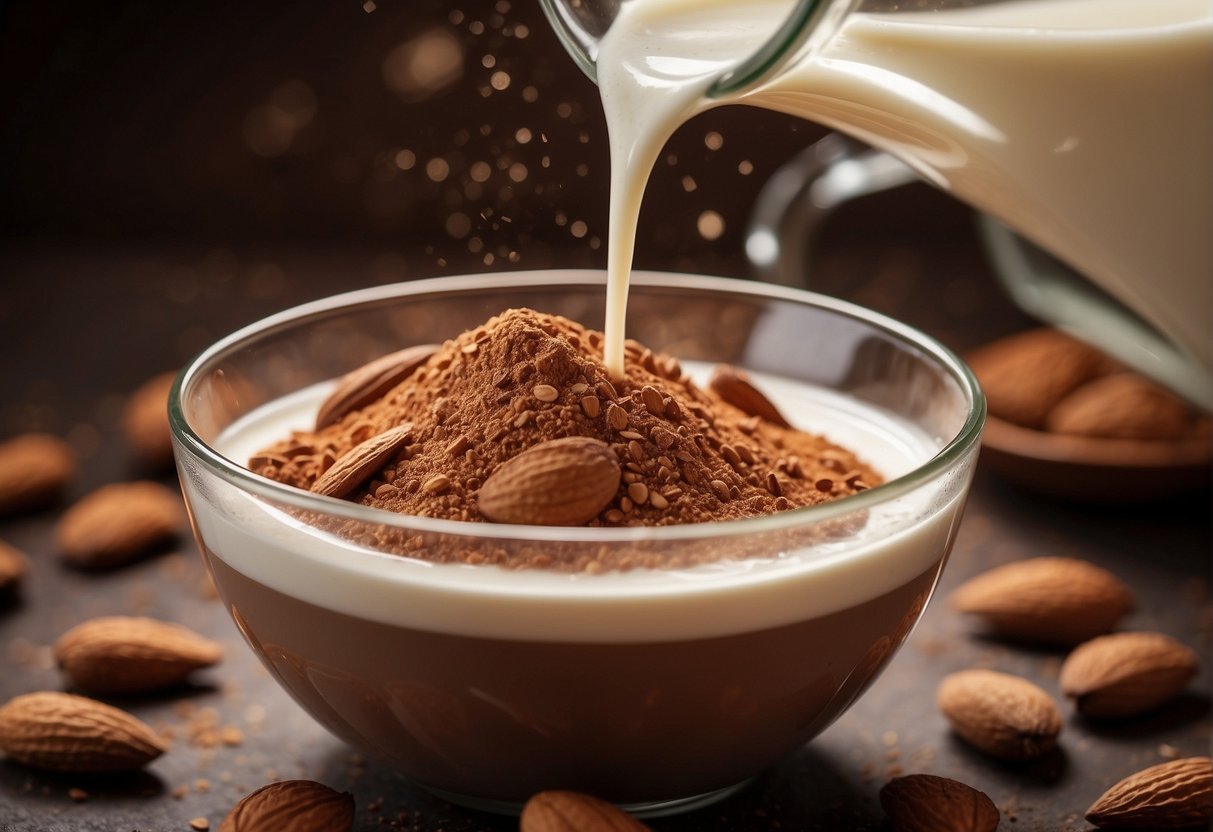
I’ve noticed a lot of chatter about whether you can mix almond milk and cocoa powder to create a delicious treat. Absolutely, it’s a great pairing! Almond milk, a plant-based nut milk, comes in two main varieties: unsweetened almond milk, which is a low-calorie option with no added sugar, and sweetened almond milk, which contains added sugars and flavors for those with a sweet tooth.
When I’m making a cocoa drink, I prefer unsweetened almond milk because it allows me to control the sweetness level. However, if you’re in the mood for something a bit more indulgent without the fuss, sweetened almond milk is a convenient choice. Both options are dairy-free and vegan friendly, making them a super alternative for those looking to avoid animal products.
Now, let’s talk about cocoa powder. It’s that rich, chocolatey powder that comes from grinding cocoa beans and removing the fat or cocoa butter. It’s most commonly used in baking and drink-making. When choosing cocoa powder, I always opt for quality; a good cocoa powder makes a big difference in flavor. The key is to find one that combines well with your chosen almond milk.
Here’s how these two can play together:
- Heat it up: Warm the almond milk before adding cocoa powder to help it dissolve better.
- Whisk it: A brisk whisk can prevent clumping and ensure a smooth mixture.
- Sweeten to taste: Add sugar, maple syrup, or your favorite sweetener if using unsweetened almond milk.
Remember, the almond milk you choose – sweetened or unsweetened – will impact the flavor profile of your final creation. Keep it simple and enjoy experimenting with this tasty duo!
Preparation of Almond Milk Cocoa
When I prepare almond milk cocoa, the focus is on a combination of the right ingredients and cooking methods to achieve that perfect warm and creamy texture. Here’s how I make it happen.
Choosing Ingredients
For homemade almond milk cocoa, I start with unsweetened almond milk as my nut milk base since it’s low in calories and doesn’t overpower the chocolate flavor. I then select between unsweetened or sweetened cocoa powder, depending on my sweetness level preference. If I go with unsweetened, I’ll add a sweetener like honey, maple syrup, or agave to taste. For that extra kick, a pinch of salt can enhance the chocolatey taste.
Cooking Methods
I have two options to warm my cocoa—on the stovetop or in the microwave. On the stovetop, I gently heat the milk in a saucepan until it’s warm but not boiling, then whisk in the cocoa powder until smooth. In the microwave, I heat the milk in short bursts, stirring between each until hot, then whisk in the cocoa.
Serving and Storing
I love serving my cocoa in mugs with a dollop of whipped cream or a handful of marshmallows on top. To store, I let it cool, then place it in the refrigerator in an airtight container. When I’m ready to enjoy it again, reheating is simple on the stovetop or microwave.
Variations and Add-ins
I sometimes like to mix things up by adding cinnamon for warmth or peppermint extract for a minty twist. A scoop of nut butter can make the cocoa even creamier. For chocolate lovers, melting a piece of dark chocolate into the hot cocoa works wonders.
Homemade Almond Milk Option
If I’m feeling adventurous, I’ll make homemade almond milk. I blend raw almonds with water in a high-speed blender, then strain the mixture through a nut milk bag. This gives me a creamy texture and fresh taste that is unmatched by store-bought options.
Texture and Consistency Adjustments
Adjusting the thickness to achieve that perfect creamy and smooth consistency is key. If my cocoa feels too thick, I add a bit more almond milk. For a thicker experience, chocolate almond milk or a bit of coconut milk does the trick.
Nutritional Enhancements
Lastly, I like to think about the health benefits. Ingredients like fiber-rich flaxseed, protein powder, or magnesium-rich add-ins such as chia seeds can elevate the nutritional profile. Nutrient-dense healthy fats, like those from nut butter, are another great enhancement for a richer taste and added health benefits.
Health and Dietary Considerations
When I mix almond milk with cocoa powder, I’m always conscious of the health and dietary implications. For anyone who’s keeping track of their intake or has specific dietary needs, here’s what I consider important.
Dairy-Free and Vegan Benefits
Almond milk is a great dairy-free alternative that suits both vegan and lactose-intolerant diets. When I combine it with cocoa powder, I create a drink that’s inclusive and respects vegan dietary restrictions. It’s a comforting thought that no animals were involved in the making of my warm cocoa. Plus, the blend offers several health benefits attributed to almond milk, like being rich in vitamins and healthy fats.
Caloric and Nutritional Information
Almond milk is often preferred for being low-calorie, especially when compared to whole dairy milk. Unsweetened almond milk can contain as few as 30 to 50 calories per cup (check out the benefits of using almond milk with cocoa powder in this Pandora Meals article). The addition of cocoa powder adds a bit more, but it’s still generally a low-calorie option that’s loaded with nutrients like fiber and protein, not to mention cocoa’s antioxidants.
Allergy and Intolerance Notes
When discussing allergies and intolerances, I’m mindful to note that nut milks, including almond milk, can be a concern for those with nut allergies. However, for those who are lactose intolerant, almond milk is a wonderful substitute, and when you want that chocolatey goodness without the dairy distress, cocoa powder is a dairy-free way to go. Checking labels for added ingredients is crucial to avoid any unintended exposure to allergens.
Creative Culinary Uses
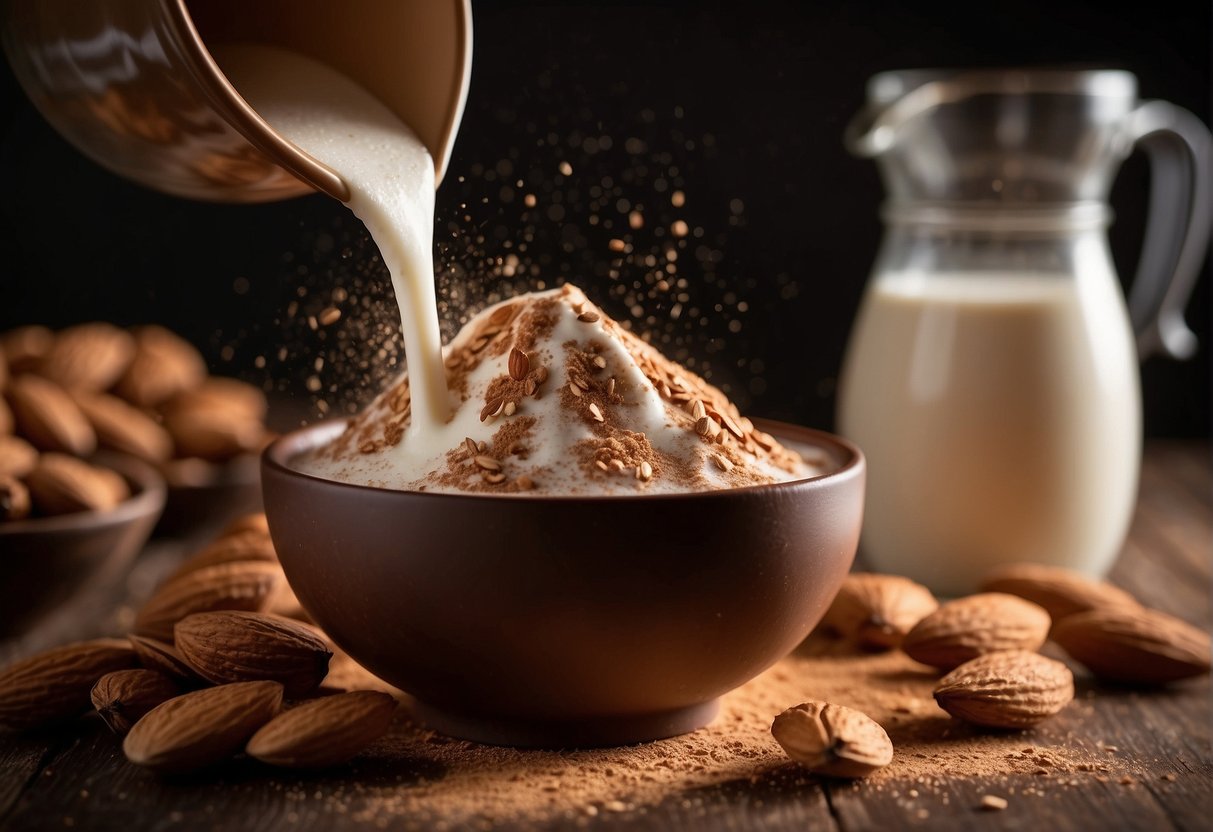
When I mix almond milk and cocoa powder, my kitchen transforms into a hub of creativity. From heartwarming beverages to indulgent treats, the options are deliciously endless. Let me share with you my top secrets for incorporating this dynamic duo into your culinary repertoire.
Beverage Creations
Homemade Hot Chocolate: I ditch the premade mixes and start with almond milk heated gently on the stove. Stirring in cocoa powder and my choice of sweetener, such as honey or maple syrup, creates a comforting cup of hot chocolate. To give it a twist, a stick of cinnamon or a splash of vanilla extract can really elevate the flavor.
Fancy Lattes: No need for a coffee shop run when I can whip up a latte at home. I steam almond milk and cocoa powder together, adding a bit of coconut sugar for sweetness. Pour this over a shot of espresso, and voilà—a chocolatey almond latte that saves me a trip.
Dessert and Baking Incorporation
Chocolate Milk Remix: For a quick chocolate milk that doubles as a dessert, I blend chilled almond milk and cocoa powder with a little date syrup or agave nectar. This combo gets the sweetness level just right.
Baked Goods Galore: Almond milk and cocoa powder make my baked desserts divine. Whether it’s brownies, cakes, or cookies, I swap regular milk for almond milk and adjust the cocoa powder to taste. Sometimes I’ll even dust a final layer of cocoa on top for that extra chocolate hit.
Breakfast and Snack Remixes
Smoothie Bowl Stars: I start my mornings with a nutrient-packed smoothie bowl. A blend of almond milk, cocoa powder, banana, and a tablespoon of oat milk gives me a chocolatey richness that’s hard to beat. Top it with nuts and seeds for an extra crunch.
Oatmeal Upgrade: Plain oatmeal gets a makeover when I mix in almond milk, a dash of cocoa powder, and a sprinkle of cinnamon. It takes breakfast from bland to grand with just a few simple ingredients.
By incorporating almond milk and cocoa powder into these everyday eats and drinks, I’m able to come up with exciting new flavors and twists on classic favorites. It’s a simple way to add a little bit of indulgence to my daily meals.
Shopping and Storage Tips
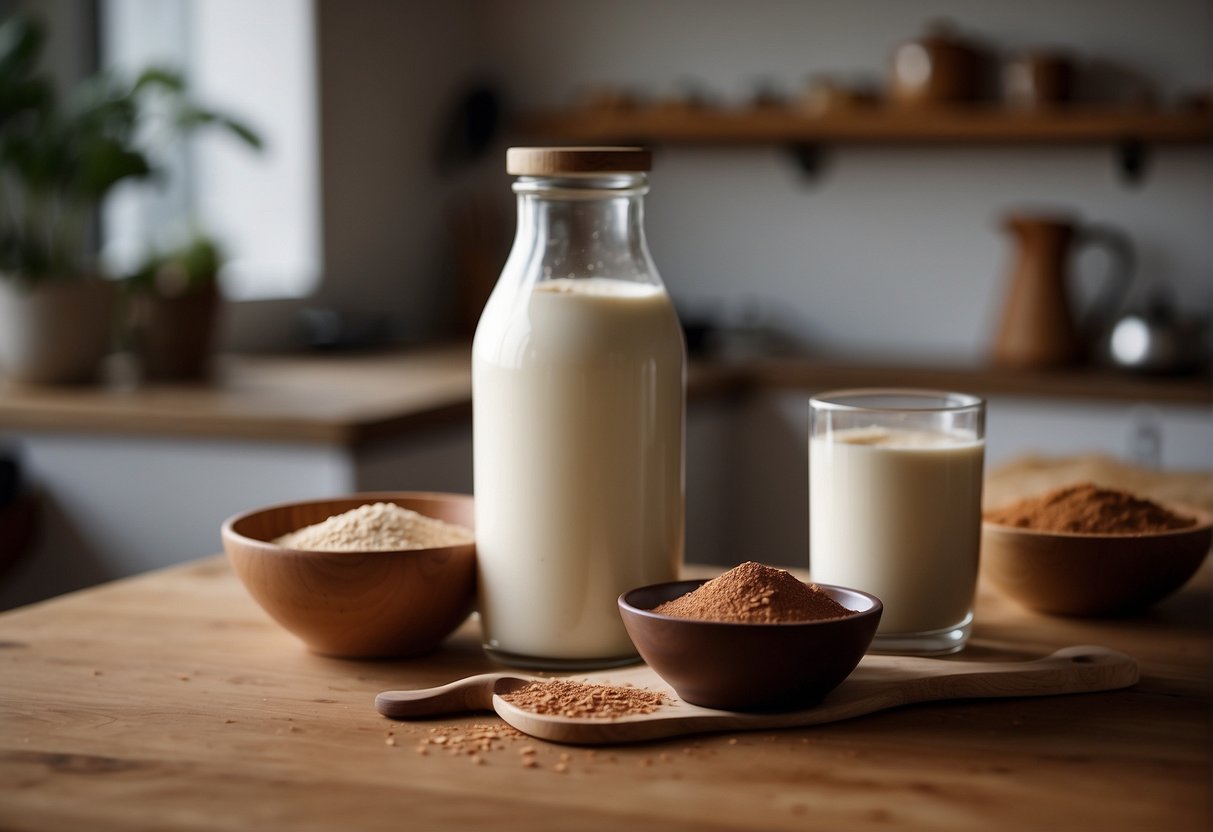
When I’m on the hunt for store-bought almond milk to pair with cocoa powder, I keep an eye out for options without unnecessary preservatives. A smoother, more nutty flavor can often be found in organic brands, so I tend to grab those. If I plan to use it quickly, I’ll snag a smaller carton; but if I foresee a larger batch of chocolate almond milk in my future, the bigger ones are more economical.
Storing almond milk is pretty straightforward. Unopened, it can chill in the pantry, but once I break that seal, it’s straight to the fridge it goes to preserve its freshness. Here’s a nifty table I put together to keep storage tips clear:
| Condition | Location | Shelf Life |
|---|---|---|
| Unopened | Pantry | Check the date |
| Opened | Refrigerate | 7-10 days |
| Mixed with Cocoa | Fridge | 5-7 days |
To prolong the shelf life even more, I could freeze it – yes, freezing works! But I make sure to give it a good shake after it thaws. For those times when I’ve made too much chocolate almond milk, I pour the leftovers into an airtight container, leaving room for expansion, before popping it into the freezer.
Lastly, cocoa powder stays happy in a cool, dark spot in my pantry. I keep it in its original packaging if it’s resealable, or transfer it to a smaller airtight container if it’s not. This way, it stays dry and fresh, ready for my next chocolatey creation.
Frequently Asked Questions
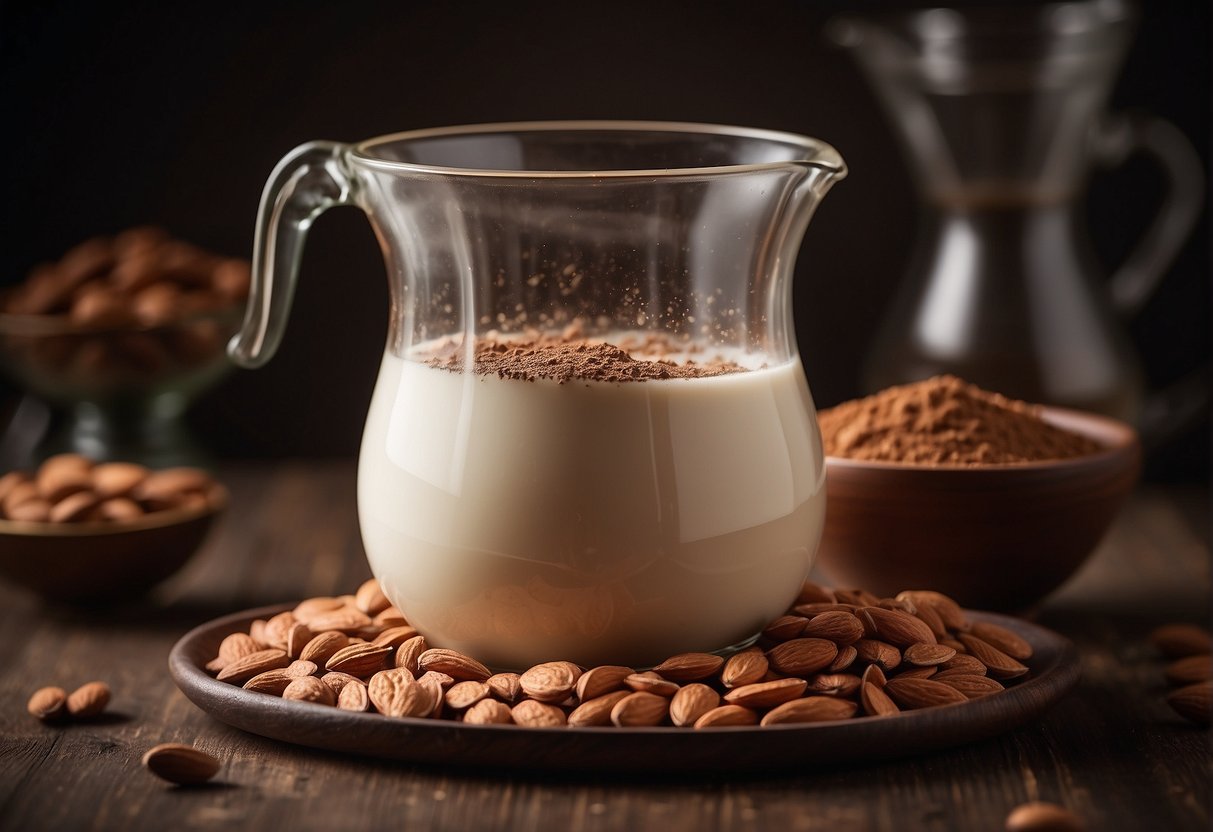
When I’m craving something sweet and cozy, mixing almond milk with cocoa powder for a delicious dairy-free hot chocolate is my go-to option. Here’s a rundown of some common questions I often receive regarding this delightful treat.
How do you prepare dairy-free hot chocolate?
I warm the almond milk in a saucepan until it’s hot but not boiling, then I whisk in the cocoa powder and my preferred sweetener until everything is perfectly combined and the cocoa is completely dissolved.
What’s the healthiest way to make hot chocolate?
The healthiest hot chocolate is one that uses unsweetened almond milk, a quality cocoa powder, and a natural sweetener like stevia. This keeps the sugar content low while still delivering a rich chocolate flavor.
Can you create a hot chocolate mix using non-dairy milk?
Absolutely! Non-dairy milk like almond milk works brilliantly with cocoa powder and a dash of sweetener to make a delicious homemade hot chocolate mix.
What’s the best method to make chocolate almond milk?
I soak and blend the almonds with water, then strain the mixture for a smooth milk base. Next, I add cocoa powder and a sweetener, blending again to make a rich and creamy chocolate almond milk.
How many calories are typically in a hot chocolate made with cocoa and almond milk?
A typical serving of hot chocolate made with unsweetened almond milk and cocoa powder contains around 60 to 80 calories, depending on the sweetener and exact proportions used.
Which milk alternative pairs best with cocoa for a rich hot chocolate?
In my experience, almond milk pairs exceptionally well with cocoa for a rich, but not too heavy, hot chocolate. It provides a creamy texture and subtle nutty flavor that complements the cocoa beautifully.