
Benefits of Mixing Blueberries and Spinach
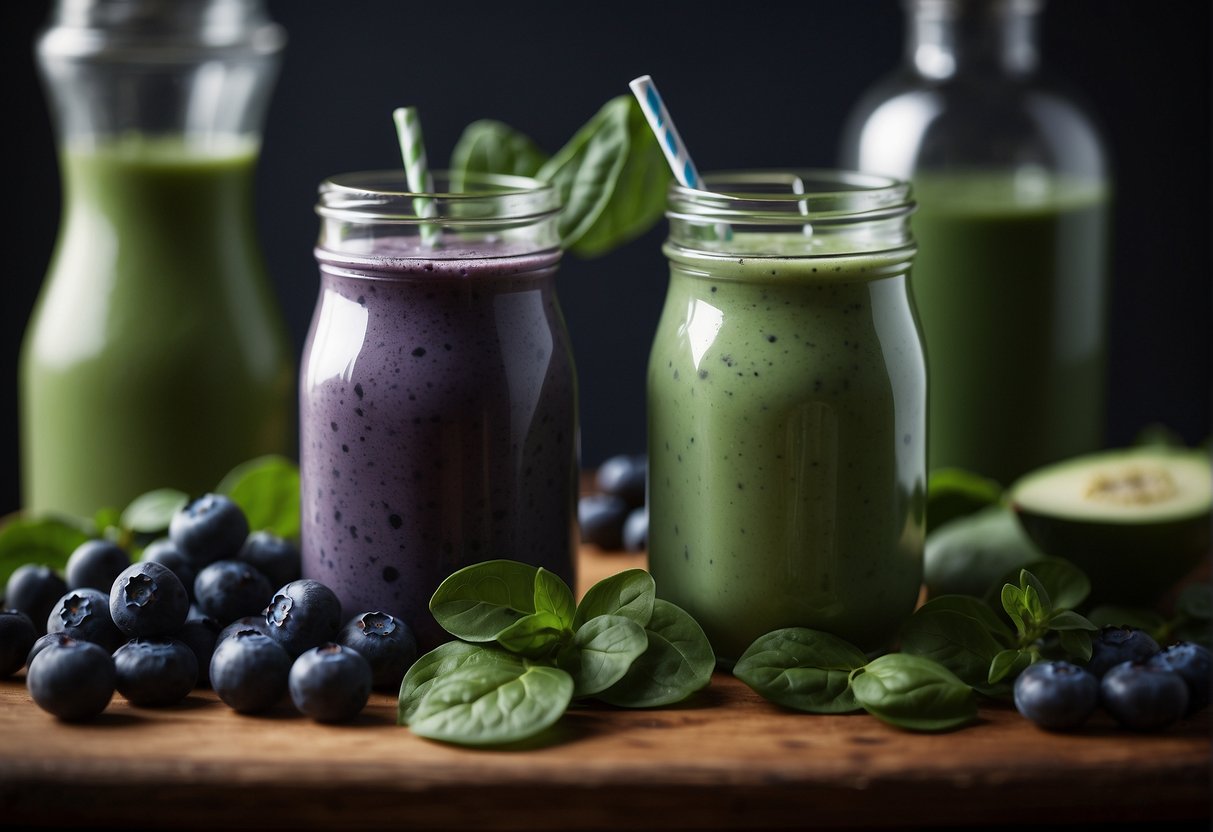
In my kitchen, I often mix blueberries and spinach for both taste and health benefits. These two foods bring a powerhouse of nutrients to the table, and here’s why I think they’re fantastic together.
Nutritional Value of Spinach and Blueberries
When I blend spinach and blueberries together, I’m getting a ton of nutrients in a single serving. Spinach is a superfood that’s low in calories but high in vitamins such as vitamin C, A, and K, as well as minerals like iron and calcium. Blueberries, bright and bursting with flavor, are not only delicious – they pack a hefty dose of vitamins, fiber, and particularly vitamin C. Merging these two brings a well-rounded mix of what my body needs, and here’s a quick glance at what they offer:
- Spinach:
- Vitamins: A, C, K
- Minerals: Iron, Calcium
- Nutrients: Folate, Magnesium
- Blueberries:
- High in Fiber
- Vitamins: C, K
- Antioxidant-rich
Antioxidants and Health Benefits
One aspect I love about this combo is their antioxidant capacity. Blueberries are among the highest antioxidant-rich foods, and when I include them with spinach, I’m upping my defense against oxidative stress. Antioxidants like flavonoids in blueberries and lutein in spinach support my overall health, fighting off free radicals which are linked to various diseases. Plus, these antioxidants support heart health and might even improve brain function. Let’s not forget the healthy fats from leafy greens that are essential for nutrient absorption!
Balancing Taste and Nutrition
Now let’s talk about balance. Spinach has a versatile taste that can enhance the sweetness of blueberries, making for a delightful combination. I find that when I blend these two together, I can enjoy the taste without compromising on nutrition. Plus, getting enough fiber and protein in my diet is a cinch when these two join forces. It’s a refreshing way to consume essential vitamins and minerals while still pleasing my taste buds. A win-win in my book!
Blueberry Spinach Smoothie Recipes
Combining blueberries and spinach in a smoothie is a delicious way to enjoy a healthy, nutrient-packed snack or meal. Whether you prefer the classic recipe, a dairy-free option, or love to experiment with different add-ins and substitutes, there’s a version for everyone to enjoy.
Classic Blueberry Spinach Smoothie
For a timeless and tasty blueberry spinach smoothie, I like to stick to a simple list of ingredients that never fails to please. Here’s how I whip it up:
- 1 cup of fresh spinach
- 1 cup of milk or a milk alternative like unsweetened vanilla almond milk
- ½ cup of plain Greek yogurt or a dairy-free substitute such as coconut yogurt
- 1 to 1½ cups of frozen blueberries
- 1 ripe banana for a natural sweetness
- Ice, if using fresh berries
I blend the spinach and milk first to get a smooth base, then add in the yogurt, banana, and blueberries until creamy. If needed, I toss in a handful of ice to chill and thicken the mixture.
Dairy-Free and Vegan Variations
If I’m making a dairy-free or vegan blueberry spinach smoothie, I swap out the traditional dairy ingredients for plant-based alternatives. Here’s my approach:
- Substitute dairy milk with almond milk, soy milk, oat milk, or cashew milk
- Use dairy-free yogurt like coconut or almond-based varieties
- Sweeten with maple syrup or agave nectar if the banana isn’t enough
Blending these ingredients until smooth creates a satisfying, plant-based smoothie that’s both delicious and inclusive for those avoiding dairy.
Creative Add-Ins and Substitutes
Sometimes, I like to get creative and experiment with my blueberry spinach smoothie. Some of my favorite add-ins to boost the nutrition and flavor include:
- A spoonful of chia seeds or flaxseed for fiber and omega-3s
- A scoop of protein powder to make it a more filling meal replacement
- Kale or another leafy green in place of spinach for variety
- Additional berries such as strawberries or raspberries for a different berry profile
- A bit of avocado or frozen cauliflower to add creaminess without altering the flavor too much
Each ingredient brings something special to the table, whether it’s a boost of protein, additional fiber, or just an exciting new taste to enjoy.
Tips for Preparing and Storing Smoothies
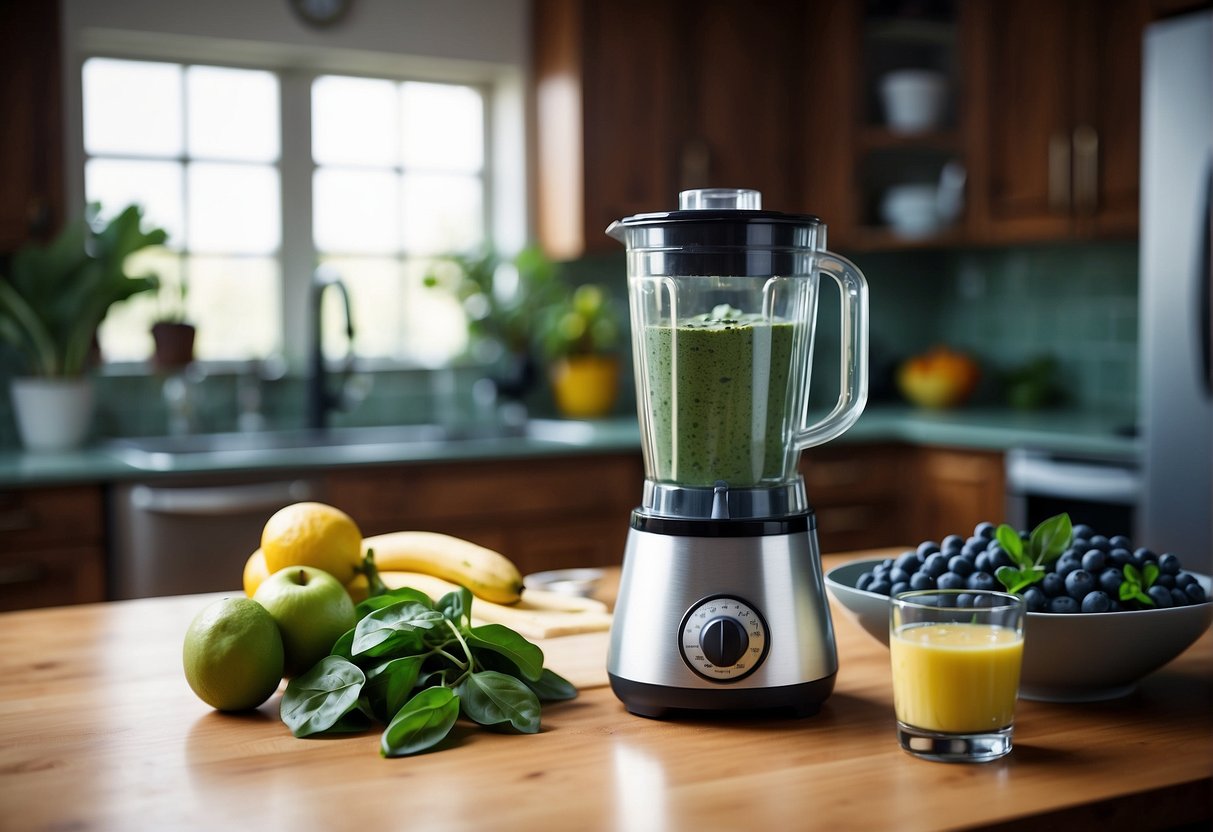
Making a great smoothie isn’t just about tossing ingredients into a blender; it’s about balancing flavors and textures to create something that’s both delicious and nutritious. And once you’ve made it, storing it properly is key to preserving its freshness.
Making the Perfect Smoothie Texture
When I’m aiming for that perfectly creamy smoothie texture, my go-to ingredients are frozen blueberries and a ripe banana. Frozen blueberries not only add a refreshing, berry sweetness but their icy nature helps thicken the blend. If I want an even creamier treat, especially for a smoothie bowl, I’ll use a frozen banana which makes the texture rich like ice cream.
Adding oats can provide a heartier base, making it more suitable for a healthy breakfast option. For a touch of natural sweetness without added sugars, dates are my secret ingredient; they blend well and add a caramel-like flavor. If I find my smoothie is too thick after blending, I gently mix in a bit of almond milk.
Storage Solutions for Freshness
To ensure my smoothies stay fresh, I rely on the trusty freezer. I’ve learned that pouring my smoothie into an airtight container or even ice cube trays makes for a convenient snack I can quickly thaw. When I’m ready to enjoy it again, I simply let the smoothie cubes melt in the fridge for about an hour or pop them into the blender for a quick refresh.
For greens like spinach, I often freeze them too – this preserves their nutrients and cools down my smoothie. The best part? Both frozen spinach and blueberries keep their superfood qualities even when frozen, so I never have to sacrifice health benefits for convenience.
Nutritional Additions for a Health Boost
When I’m aiming to give my body a health upgrade, I focus on packing in the most nutrient-dense ingredients into my meals. For me, it’s all about the smart combination of superfoods and mindful customization to cater to my dietary needs.
Superfoods and Supplements
Adding superfoods like blueberries and spinach to my diet is a game-changer. Here’s why I swear by them:
- Blueberries: They’re little powerhouses of antioxidants, vitamin C, and fiber.
- Spinach: It’s my go-to for iron, calcium, and vitamin K.
I often blend these into a green smoothie, throwing in kale for extra nutrients and using coconut water as a base for hydration and a touch of potassium.
To enhance my smoothie further, I don’t hesitate to add a scoop of protein powder—it’s great for sustained energy. I pick plant-based options to keep it vegan-friendly.
Here’s a quick look at what I might include:
Typical Nutritional Add-Ins for My Green Smoothie:
- Fruits: Pear, Avocado
- Veggies: Kale, Spinach
- Nuts & Seeds: Walnuts, Chia Seeds
- Supplements: Plant-based protein powder, Spirulina
These components not only elevate the nutritional profile but also help in maintaining healthy fats and minerals like magnesium and manganese in my diet.
Customizing for Dietary Needs
I tailor my food choices to fit my lifestyle and health requirements. For instance, if I feel I need more fiber, I’ll throw pear into the mix. Its subtle sweetness also makes my kids more inclined to sip on a veggie-packed drink. And, if I’m seeking something creamier without the dairy, an avocado does the trick while giving me that dose of healthy fats.
My family’s well-being is important to me, so I try to ensure that every meal we eat together is not just enjoyable, but packed with goodness. That could mean opting for nuts high in calcium and manganese, especially since these minerals are great for bone health.
Here’s how I might customize my smoothies:
For Increased Iron Intake:
- More leafy greens: Spinach, Kale
- Pair with vitamin C sources: Kiwi or Strawberries to enhance absorption
For Stronger Bones:
- Seeds high in calcium: Sesame, Chia
- Nuts rich in magnesium: Almonds, Cashews
By focusing on these adjustments, I ensure that each smoothie I make is not just a treat, but a significant step towards better health for me and my loved ones.
Enhancing Flavor and Sweetness Naturally
When I whip up a blueberry smoothie, I’m all about maximizing that sweet, fruity taste without piling on added sugars. Here’s how I do it:
Using Natural Sweeteners
I love adding a ripe banana to my blueberry smoothie for a natural sweet kick that complements the sharpness of the baby spinach. Sometimes, I’ll drizzle in a bit of honey or maple syrup; they’re perfect for rounding out the flavors. If I want to ramp up the taste even more, a sprinkle of cinnamon or a scoop of nut butter—like almond or peanut butter—adds depth and creaminess.
- Banana: Adds creaminess and natural sweetness
- Honey/Maple syrup: Sweetens without refined sugar
- Nut butter: Gives a nutty flavor and richness
The Role of Flavor in Enjoyable Smoothies
To me, the key to a delicious smoothie is balancing the flavors so that every sip is enjoyable. Mixing in berries like strawberries or blackberries can introduce new flavor notes. For an interesting twist, a dash of cinnamon or some fresh fruit like pineapple can make my smoothie pop on Instagram — not just for looks, but for the taste too!
Italicizing “berries” and fresh fruit to emphasize them:
- Berries: Add variety and complement blueberries
- Fresh fruit: Enhances the overall flavor profile and adds sweetness
Frequently Asked Questions
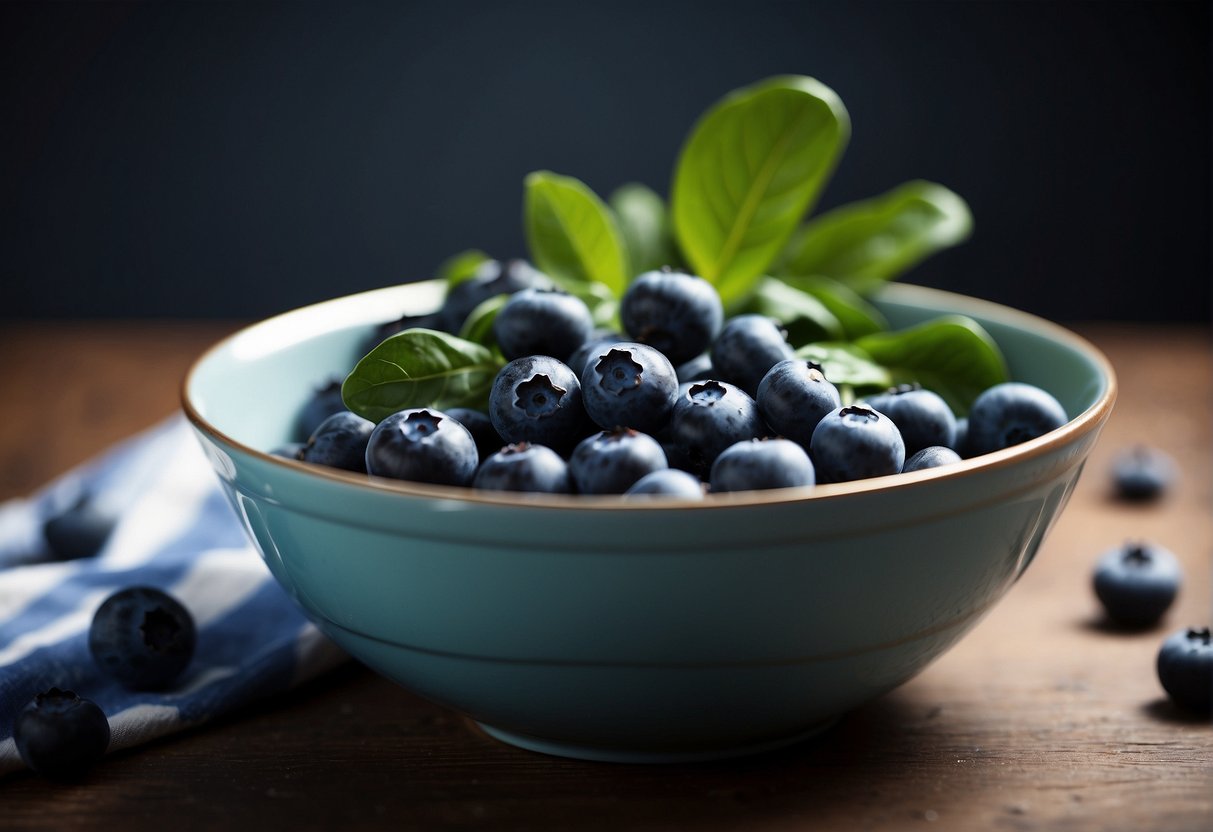
When I mix blueberries and spinach in my smoothies, I’m aiming for that sweet spot of flavor and nutrition. Let’s clear up some common queries about this powerhouse combo.
What are the health benefits of combining blueberries and spinach in a smoothie?
I find this blend to be a nutritional powerhouse. Blueberries are high in antioxidants and vitamins, while spinach provides fiber, iron, and additional vitamins. Together, they offer a potent mix that supports overall health.
Is it okay to blend fruits like blueberries with leafy greens such as spinach for juicing?
Absolutely, it’s fine to juice them together. This combination maximizes the intake of different nutrients, and the flavors balance each other out nicely.
How does adding spinach to a blueberry smoothie affect its nutritional value?
Throwing spinach into the mix with blueberries boosts the smoothie’s vitamin and mineral content without compromising the taste. The spinach ups the fiber, iron, and calcium, making it even more nutritious.
Can you make a tasty smoothie using blueberries and spinach without adding banana?
Certainly! If you’re not a fan of bananas, you can still whip up a delicious smoothie. I often use almond milk or Greek yogurt to get a creamy texture and sweeten with honey or maple syrup.
Are there any specific advantages to using blueberries and spinach together for weight loss?
Yes, this duo is great for weight loss. Blueberries are low in calories but high in fiber, keeping you full longer, and the spinach is nutrient-dense with very few calories. It’s a win-win for cutting down on calories without losing out on vital nutrients.
What other fruits pair well with blueberries and spinach in a smoothie?
I love adding other fruits for variety, like strawberries or raspberries for extra sweetness. Sometimes I’ll toss in some avocado for creaminess or a handful of nuts for healthy fats.