
The Science of Mixing Oranges and Milk
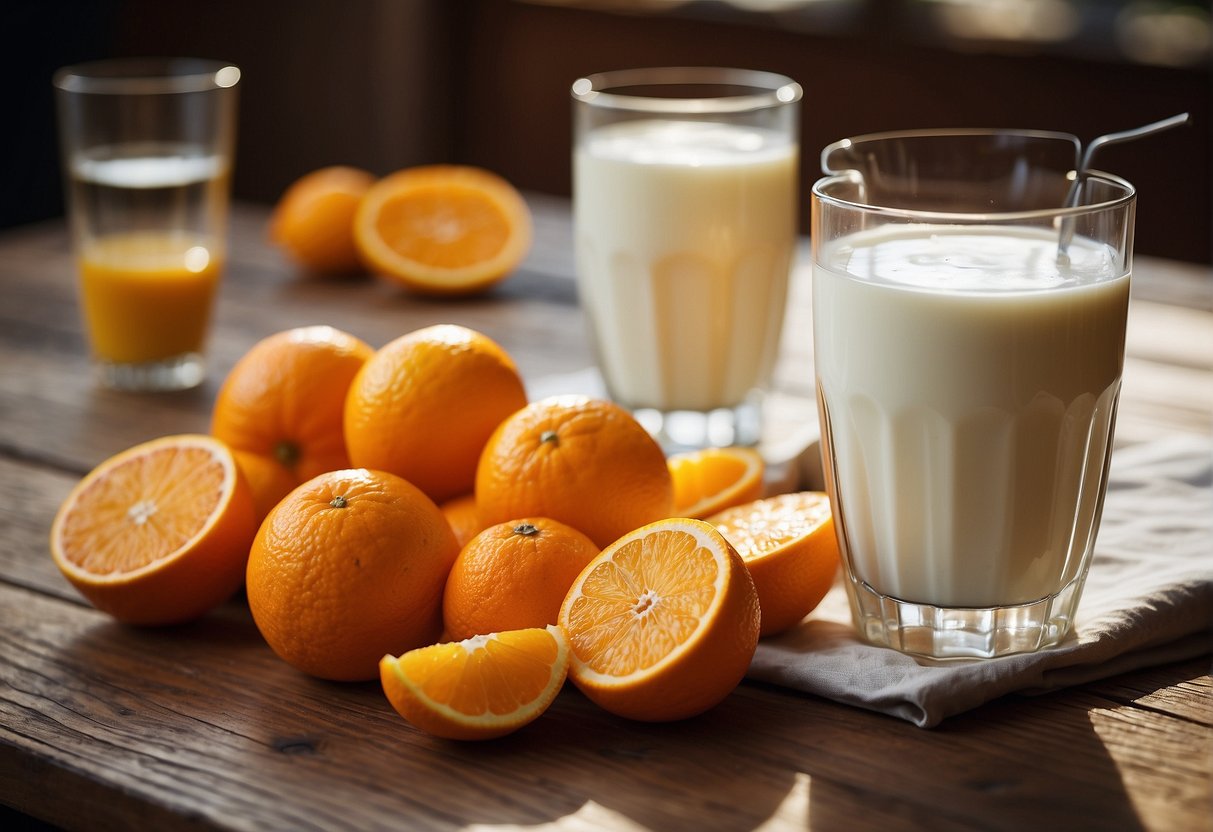
When I mix oranges and milk or orange juice and milk together, I’m setting the stage for a curious chemical tango between acidity and dairy proteins. It’s fascinating to see how temperature and acidity can play such pivotal roles in what ends up in my glass.
Acidity and Curdling
The acid in oranges, particularly citric acid, loves to mess with the proteins in milk – it’s like they have a chemistry all of their own. When they mix, the milk starts to curdle, which means the proteins coagulate and form lumps instead of a smooth liquid. If I’m not too keen on chomping down clumps in my drink, this could be a problem.
Nutritional Interactions
I’ve learned that both orange juice and milk are nutritional powerhouses on their own. Milk brings protein and calcium to the mix, while orange juice introduces vitamin C and potassium. But when I pour them together, the acid in the orange juice can make the protein less digestible due to the curdling effect.
Temperature’s Effect on Texture
Ever noticed how things go a bit differently when I play around with temperature? If I mix cold milk with orange juice, the curdling takes longer, giving me a bit more time to enjoy a smoother beverage. Hot milk, on the other hand, will curdle almost instantly when mixed with orange juice due to the increased kinetic energy that speeds up the reaction.
Popular Orange and Milk-Based Beverages
I’ve noticed quite a few unique beverages that skillfully blend orange juice and milk, each offering a different twist on this intriguing combination.
Recipes and Variations
Morir Soñando: I think this drink is a stroke of genius from the Dominican Republic. It literally translates to “die dreaming,” which is fitting given how delicious it is. The key is to stir in chilled milk—often evaporated milk—into sweetened orange juice and serve it over ice. Some folks like to add a dash of vanilla extract to enhance the flavor.
Orange Julius: Here’s a classic that I remember seeing at malls. The original Orange Julius recipe is a mix of orange juice, milk, vanilla extract, sugar, ice, and a frothy top that’s blended until smooth. It crosses a milkshake and a smoothie and has inspired many variations, including adding alcohol like rum for an adult twist.
Creamsicle Smoothie: For a nostalgic kick, I blend up a smoothie that tastes like those creamsicle popsicles I used to have as a kid. I throw together orange juice, vanilla extract, milk (usually almond milk for a lighter option), ice, and sometimes a bit of sweetener together in a blender. It’s like a healthier, drinkable version of the treat.
Non-Dairy Alternatives
In case dairy’s not your thing, or if you’re lactose-intolerant like some of my friends, there are alternatives that mix well with orange juice without the curdling concern. My personal go-to is almond milk; its nutty flavor pairs nicely with the citrusy zing of orange juice without overpowering it.
For a creamy texture that’s dairy-free, I sometimes use vanilla-flavored almond milk for that added depth of flavor. I’ve also experimented with rice milk and found it to work quite well, especially when I’m aiming for a less rich beverage. And let’s not forget about evaporated milk—while it’s technically dairy, some varieties are lactose-free and give that creamy consistency we all crave in these types of drinks.
Health and Dietary Considerations
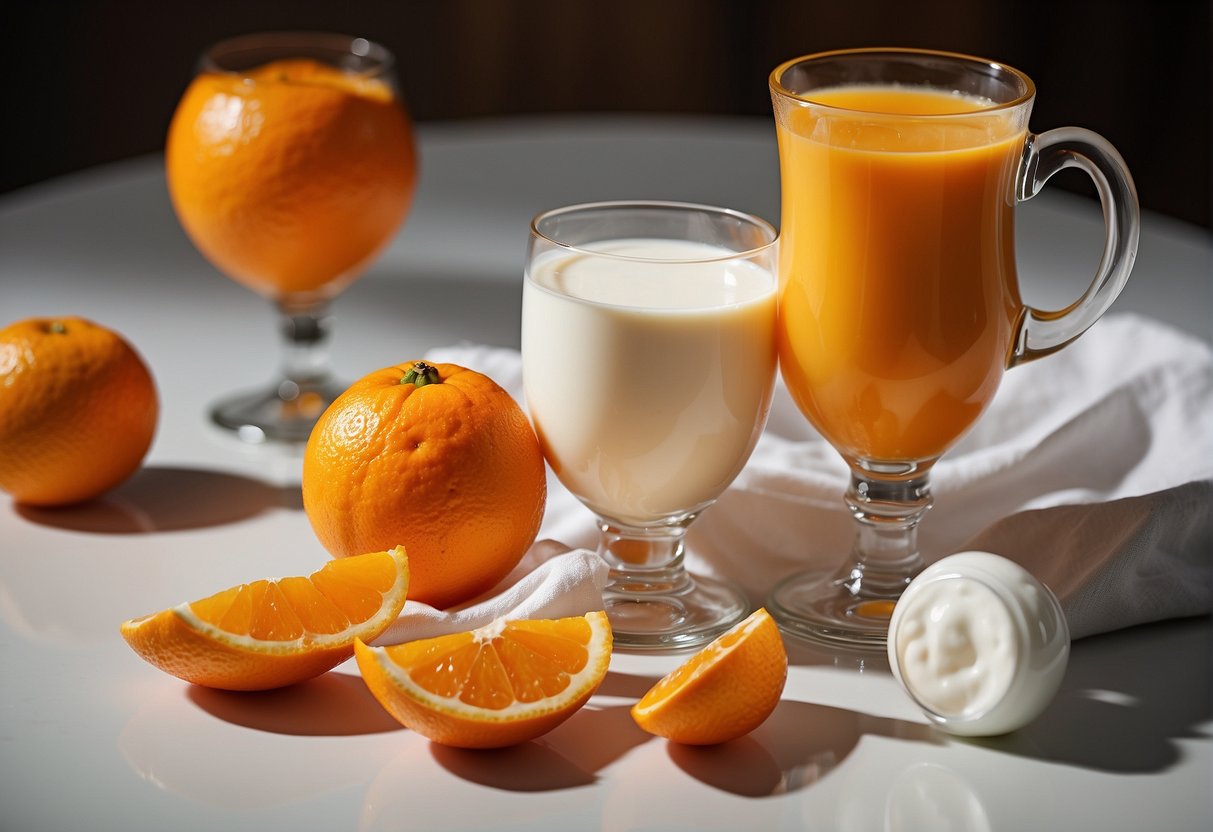
When I consider mixing milk and orange juice, it’s important to think about how it might affect my digestion and the potential nutritional benefits. I’ll also touch on allergies and intolerances, which can be critical for some individuals.
Digestive Impact
Mixing milk, a dairy product rich in calcium and often fortified with vitamin D, with orange juice, high in vitamin C and antioxidants, can sometimes cause digestive issues like stomach discomfort or indigestion due to the acidity in orange juice clashing with the proteins in milk. This reaction can lead to the milk curdling, potentially impacting both taste and digestion. So, if my stomach is sensitive, I might want to think twice about this combination.
Nutritional Benefits
Despite possible digestive concerns, there’s an upside. Milk is a great source of calcium and protein, while orange juice is loaded with vitamin C and other antioxidants that support immune health. If mixed carefully or consumed separately, I could enjoy the health benefits of both without discomfort. However, just because they’re nutritious alone doesn’t mean they’re more beneficial together; it’s about my personal dietary needs and how each contributes to those.
Allergies and Intolerances
I have to be mindful of allergies and intolerances. If I have a lactose intolerance or a milk allergy, combining milk with anything isn’t a good idea. Additionally, citrus allergies are less common but still possible, and would obviously make orange juice a poor choice for me. Since nutrient absorption can be affected by allergic reactions or intolerances, I’d better listen to my body and seek alternatives to ensure I’m getting my nutrients in a way that doesn’t cause harm.
Preparation Tips for Enjoyable Mixing
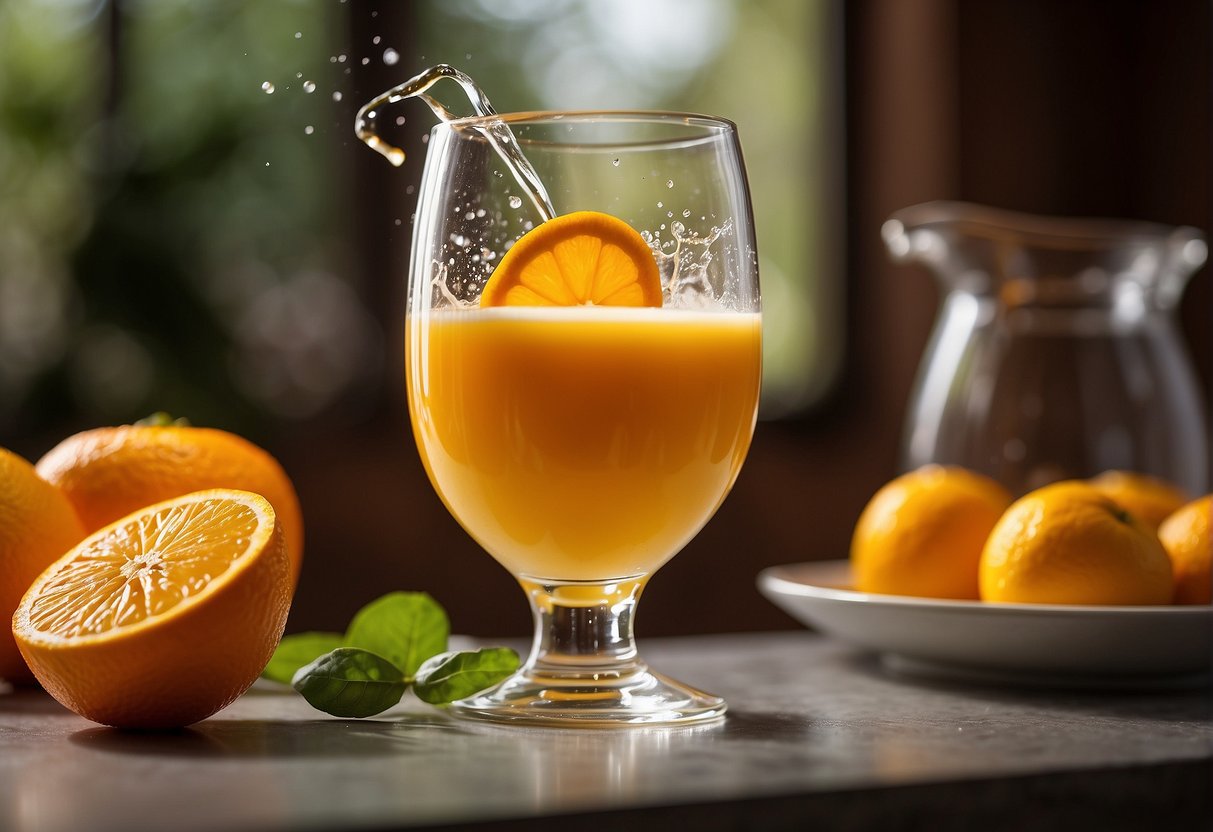
When I’m in the mood for something unique, I like to experiment with mixing milk and orange juice. It’s a bit unconventional, but with the right preparation, it can be a delightful treat. Here’s how I make sure my blend is creamy, refreshing, and enjoyable:
Ingredients:
- Milk: Your choice, but I find whole milk gives a richer texture.
- Orange Juice: Freshly squeezed or, in a pinch, frozen orange juice concentrate.
- Sweetener: Sugar, honey, or any sweetener you prefer.
- Vanilla: Just a dash for that soothing aroma.
- Ice: To keep it cold and refreshing.
Instructions:
- Find Balance: To avoid curdling, the ratios are key. I try to stick with a higher proportion of milk to orange juice. A good rule of thumb is 3 parts milk to 1 part juice.
- Sweeten to Taste: Before I mix, I add a bit of sugar or sweetener. It helps counteract any potential bitterness from the orange juice.
- Start with Ice: I drop a few ice cubes into the blender first to chill the liquid quickly once it starts mixing.
- Combine Gently: I pour the milk in first, followed by the orange juice. A splash of vanilla enhances the flavor for me.
- Blend Briefly: Overmixing can lead to a frothy mess. Quick pulses do the trick.
I also like to toss in some additional ingredients occasionally, like a banana or some strawberries for a fruity twist. Remember, stirring gently is the secret; I never want to overdo it and end up with a lumpy drink. So, take care and enjoy the experimentation—cheers to a surprisingly refreshing sip!
Cultural and Personal Preferences
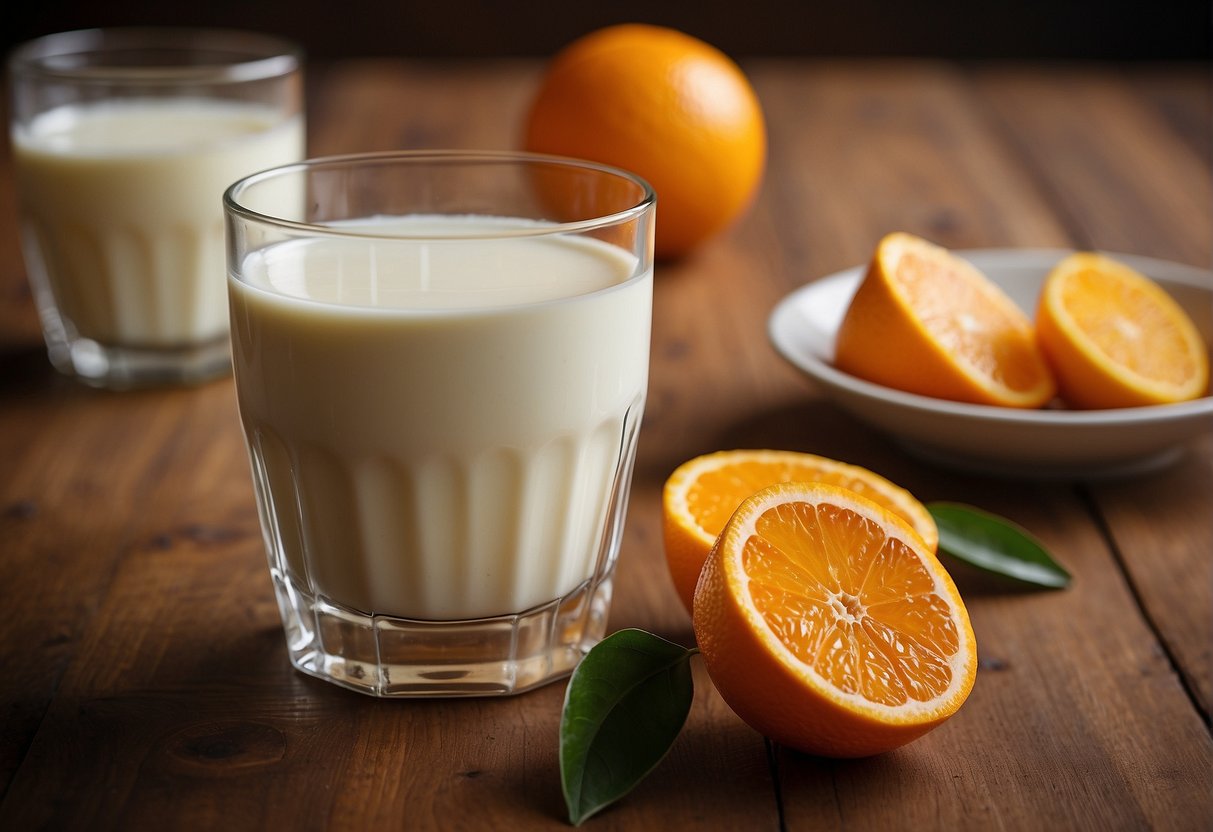
When it comes to mixing orange juice and milk, people’s preferences play a big role. Whether they enjoy this mix can depend on the cultural background they come from and their personal taste. Some find the creamy texture appealing, while others don’t like the lumpy texture it can create.
Global Variations of The Mix
In my travels, I’ve noticed that what’s considered appetizing varies greatly across cultures. In some places, the sweet and tangy blend of citrus and milk is a traditional dessert or snack. For instance, a popular citrus-infused treat known as lassi is enjoyed in parts of South Asia, and it can often include a combination of yogurt or milk with fruit, embodying a creamy yet tangy flavor profile. But it’s not just about the mix itself—it’s also how it’s presented. The appearance of freshness is key; fresh fruit garnishes are a common sight, hinting at a natural and unprocessed treat.
Individual Taste and Enjoyment
I’ve found that my own enjoyment of food and drinks is deeply personal. While some of my friends grimace at the thought of milk curdling into a lumpy mess when mixed with the acidity of orange juice, others, myself included, find the unique taste and texture to be quite delightful. It really comes down to what you prefer—some go for that creamy deliciousness, while others lean towards a fresh fruit smoothie without a trace of dairy. The contrast between the sweetness of milk and the tanginess of oranges can also turn this mix into a refreshing snack, if you’re into that sort of thing. The key is balance and respect for everyone’s individual palate.
Frequently Asked Questions
When it comes to mixing orange juice and milk, I’ve come across some common curiosities. Let’s take a closer look and answer these frequent questions with what I know.
What happens if you mix orange juice into a milk-based smoothie?
When I mix orange juice with milk for a smoothie, the acidity in the orange juice can cause the milk to curdle. But, if you balance the ingredients well, it’s totally possible to end up with a creamy and refreshing drink.
Is there a specific time to wait between eating oranges and drinking milk?
I haven’t found any scientific evidence that specifies a required waiting period between consuming oranges and drinking milk. Some people may experience discomfort if they consume them together, while others may not.
Are there any benefits to combining milk with orange juice?
Combining milk and orange juice can provide a mix of nutrients like calcium from the milk and vitamin C from the orange juice. This combination, often found in smoothies, can be a part of a balanced diet.
What’s the outcome of having milk after eating an orange?
If I have milk after eating an orange, the acidic fruit might cause the milk to curdle inside my stomach, potentially leading to an upset stomach. However, everyone’s tolerance to this combination can be different.
Are there certain fruits that shouldn’t be blended with milk?
Yes, some fruits like melons and citrus can cause the milk to curdle, which is something I keep in mind when creating smoothies. Traditional food combination principles also suggest avoiding mixing acidic fruits with milk.
What do you call a beverage that’s a mix of milk and orange juice?
A beverage made of milk and orange juice is typically called an Orange Julius or a similar name if it closely resembles the classic smoothie-like drink known for its frothy, creamy texture.