

Essential Nutrition for Cancer Patients
When managing cancer, I’ve learned that giving your body the right nutrition is key to supporting recovery, building strength, and maintaining energy levels. Here’s my rundown on what’s vital in your diet.
Macro and Micro Nutrients
Make sure your diet is well-rounded with macronutrients like carbohydrates, proteins, and healthy fats, as well as essential micronutrients, which include vitamins and minerals. Protein is crucial because it helps repair body tissue and supports the immune system. Options like lean meats, beans, and nuts should be staples in your kitchen. Also, focus on fiber to aid digestion: foods rich in fiber include fruits, vegetables, and whole grains.
For vitamins and minerals, fresh fruits and vegetables are my go-tos. They provide you with a wealth of essential nutrients. For instance, citrus fruits and strawberries furnish your body with Vitamin C, which helps with immune function, while dark leafy greens cater to your needs for B vitamins, iron, and calcium. It’s all about getting those phytochemicals and antioxidants that play a role in cell repair and recovery.
Hydration and Electrolytes
Staying hydrated should be non-negotiable in your routine. I recommend filtered water as your primary source of hydration. But I’ve found that sometimes, especially during treatment, water isn’t enough. That’s where electrolytes come into play.
I like incorporating coconut water or watermelon, as both have a mix of potassium and other electrolytes that help balance your body’s fluids. These options are not just hydrating; they’re tasty and add a refreshing variety to your fluid intake. Avoid drinks with added sugars or artificial ingredients since those don’t do your health any favors.
Energy and Strength Maintenance
Maintaining your energy and strength is important, and the right calories make a difference. You get energy from calories in all foods, but not all calories are created equal. Concentrate on meals that offer sustained energy, like complex carbs and proteins. Healthy fats from foods like avocados and olive oil are also good energy sources and help with the absorption of vitamins.
Snacking on nuts or including slices of avocado in your smoothies provides calories and fats in a nutrient-rich form that supports your strength and overall wellness. You’ll feel more energized when your diet is balanced and complete with these essential nutrients!
Choosing Ingredients for Health
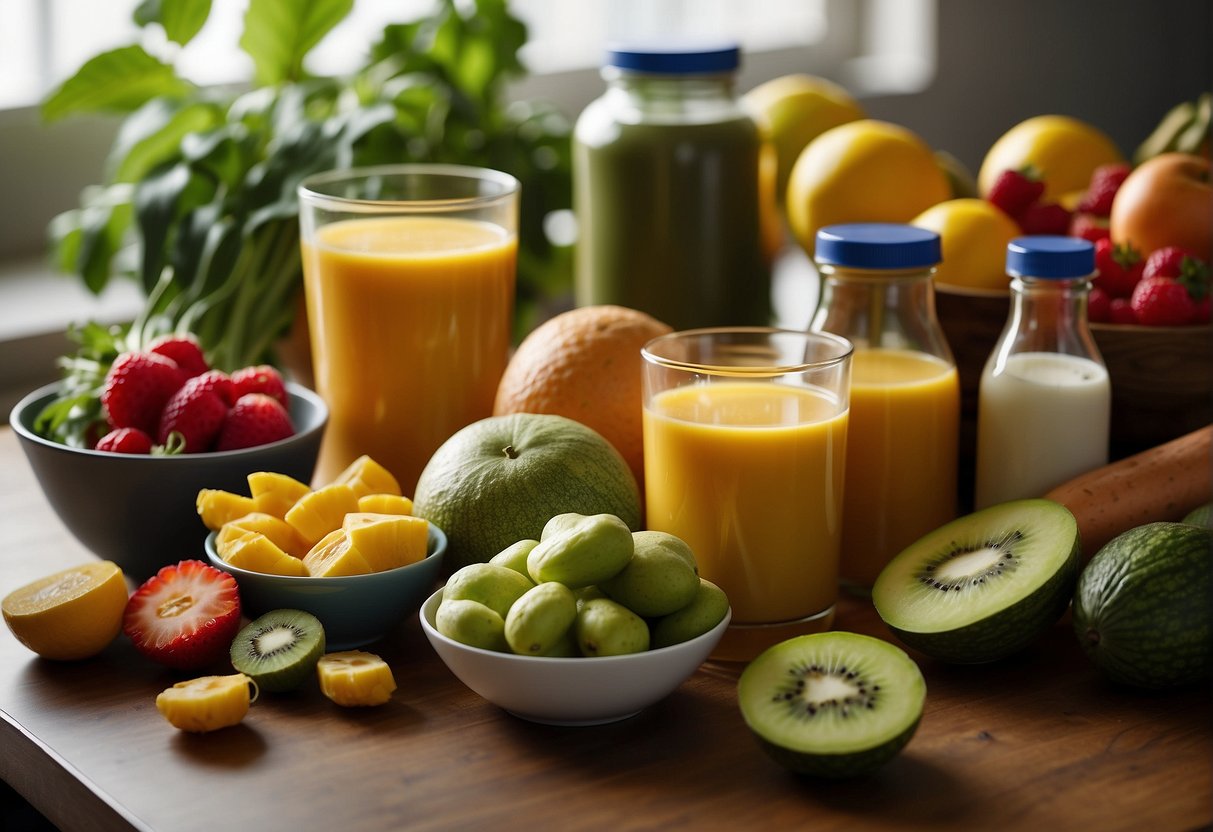
When you blend up a smoothie, focus on packing it with nutrients that support your health — especially when managing something as challenging as cancer. It’s vital to choose the right mix of fruits and veggies, along with protein and healthy fats, while being mindful of sugar and dairy content.
Best Fruits and Vegetables
If you want to make sure your smoothies are full of color and nutrients, reach for dark-colored fruits like blueberries and cherries. These not only pack a flavor punch but also come loaded with antioxidants. When it comes to veggies, leafy greens like kale and spinach are non-negotiable because of their high vitamin and mineral content. You can throw in a banana or mango to sweeten the deal naturally.
Fruits:
- Berries: blueberries, cherries
- Citrus: orange segments
- Tropical: mango
- Bananas for creaminess
Vegetables:
- Greens: spinach, kale, romaine lettuce
- Avocado for smoothness and good fats
Protein and Healthy Fats
I’ve learned that it’s not just about the fruits and veggies—you’ll need good protein and fats to keep you full and energized. You can add hemp or chia seeds for a plant-powered protein kick. Nuts and nut butters are also a staple in my pantry for that reason. They blend well and provide much-needed energy. For those who can tolerate dairy, Greek yogurt is my go-to for a creamy texture without the added sugar you find in regular vanilla yogurt.
Proteins:
- Seeds: hemp, chia
- Protein powders: pea, hemp
- Nut butters
Healthy Fats:
- Seeds
- Nuts
- Avocado
- Coconut oil
Minimizing Sugar and Dairy
Now, be watchful about the sugar content in your smoothies. Too much sugar, especially added sugars, can be counterproductive, so stick to the natural sweetness of fruits and sometimes a dollop of honey. If you need a liquid base, opt for plant-based milk over low-fat milk to keep the dairy content in check. This small change helps you manage inflammation and supports your overall health.
- Avoid: Added sugar, high-sugar fruits
- Limit: Low-fat dairy
- Preferred liquids:
- Plant-based milks: almond, soy, oat
Smoothie Preparation Basics
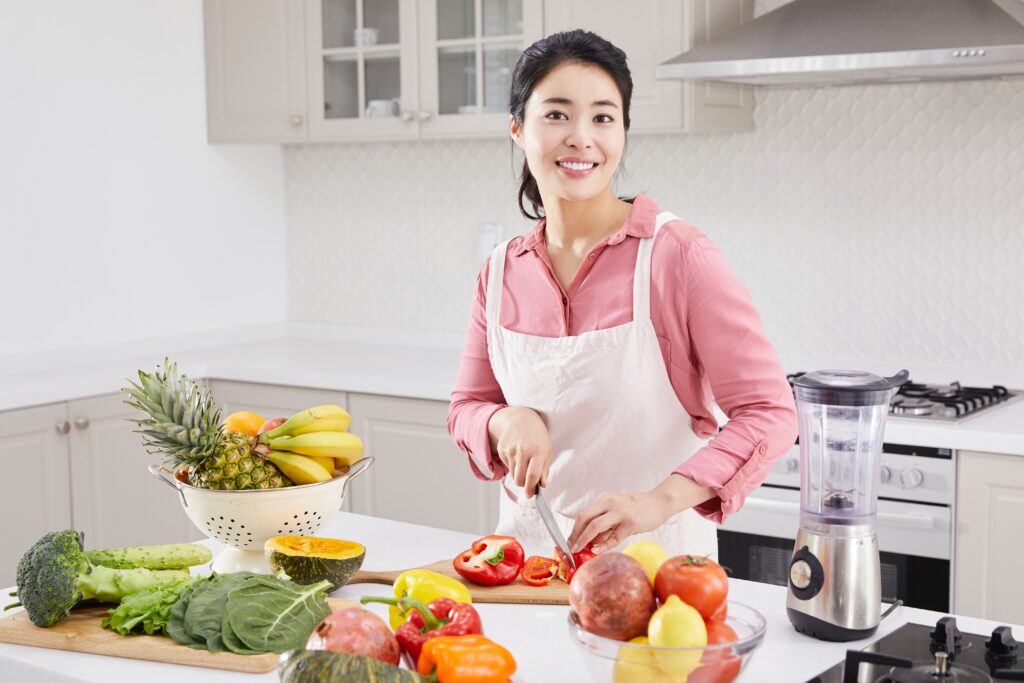
When I make smoothies, especially for cancer patients, I focus on nourishing ingredients with a keen eye on safety and flavor. Let’s dive into how to whip up a smoothie that’s both delicious and appropriate for those special dietary needs.
Using the Right Equipment
I always start with a good quality blender—it’s essential for a smooth texture. For thicker smoothies, a high-powered blender can easily handle frozen fruit and ice, without leaving any chunks. I prefer blenders with variable speed settings to better control the consistency of my smoothie.
Texture and Consistency
A great smoothie should be creamy and smooth. I achieve this by balancing my solid ingredients with the right amount of liquid—this could be dairy or a non-dairy alternative, like almond milk. To thicken a smoothie without using ice cream, I add frozen bananas or Greek yogurt for that rich texture. Oh, and for a boost of fiber, I toss in a tablespoon of chia seeds; they’re virtually tasteless!
Safe Food Handling
I can never compromise on food safety. Before I start, I make sure my kitchen workspace is clean and that I’ve washed all my fruits and veggies. I’m mindful of the expiration dates on my ingredients, and I always use fresh produce. After preparing my smoothie, I clean my blender and utensils thoroughly to avoid any cross-contamination.
Remember, these tips aren’t just for taste—they’re about making a smoothie that’s safe and satisfying for those who might be experiencing an altered sense of taste due to cancer treatment. A well-made smoothie is not only a treat but a wonderful way to get necessary nutrients.
Specialized Smoothie Recipes
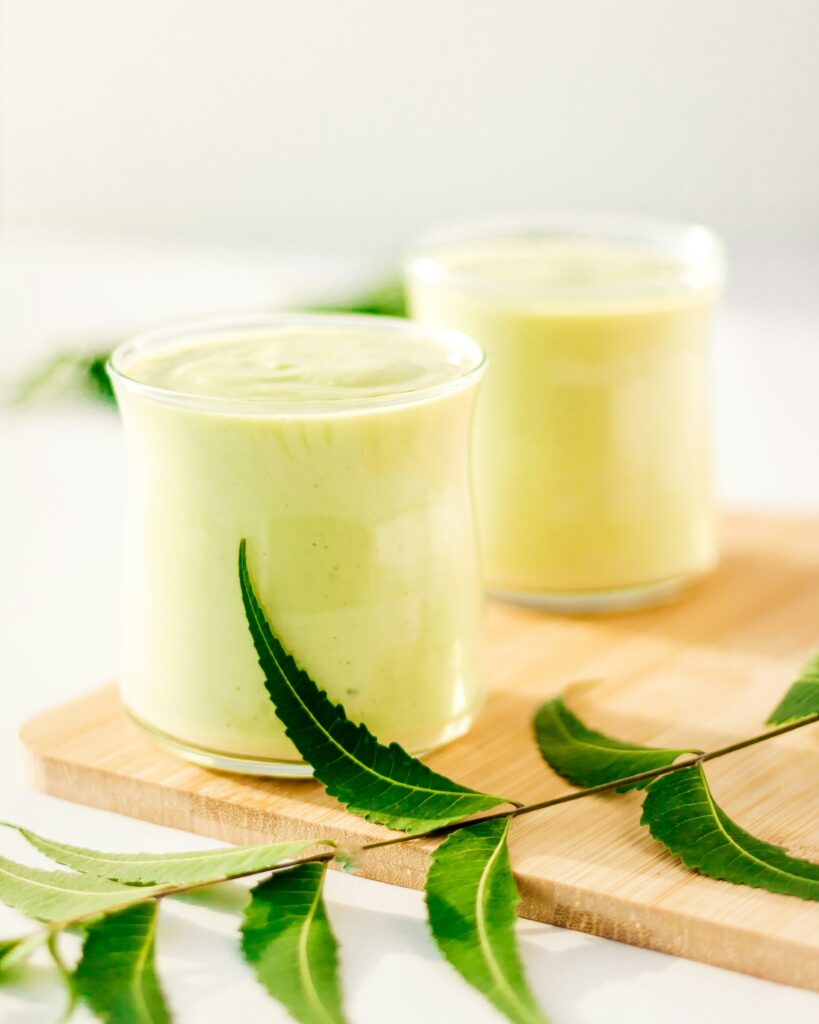
Crafting smoothies specifically tailored for cancer treatment can be both a comforting and a nourishing way to support one’s journey. My focus here is to share recipes that cater to reducing inflammation and addressing the sensitive stomach issues that often accompany cancer care.
Anti-Inflammatory Blends
I’ve come across some incredible anti-inflammatory ingredients that can be turned into flavorful smoothies. For instance, a blend that packs a punch includes turmeric, a potent anti-inflammatory spice, and ginger, which can also aid in digestive health.
Recipe Example:
- 1 cup of almond milk
- 1/2 teaspoon of ground turmeric
- 1/2 teaspoon of fresh grated ginger
- 1 banana
- A handful of spinach
- A dash of black pepper (to enhance turmeric absorption)
Just blend these together until smooth. It’s not only refreshing but also helps with the inflammation that can be a part of cancer treatment.
Low-Nausea Options
When your stomach isn’t at its best, you’ll gravitate towards smoothies that are gentle and easy to digest. For anyone dealing with an upset stomach or a lack of appetite, a simple, soothing recipe can be genuinely helpful.
Recipe Example:
- 1 cup of Greek yogurt (for protein and to keep it mild)
- 1/2 cup of water or almond milk (for easier blending)
- 1/2 a banana (avoid if your stomach is extra sensitive)
- A few leaves of fresh mint or a drop of peppermint extract (for its stomach-soothing properties)
This smoothie is mild and smooth, making it perfect for those days when you need something light on your stomach.
Adapting Smoothies to Dietary Needs
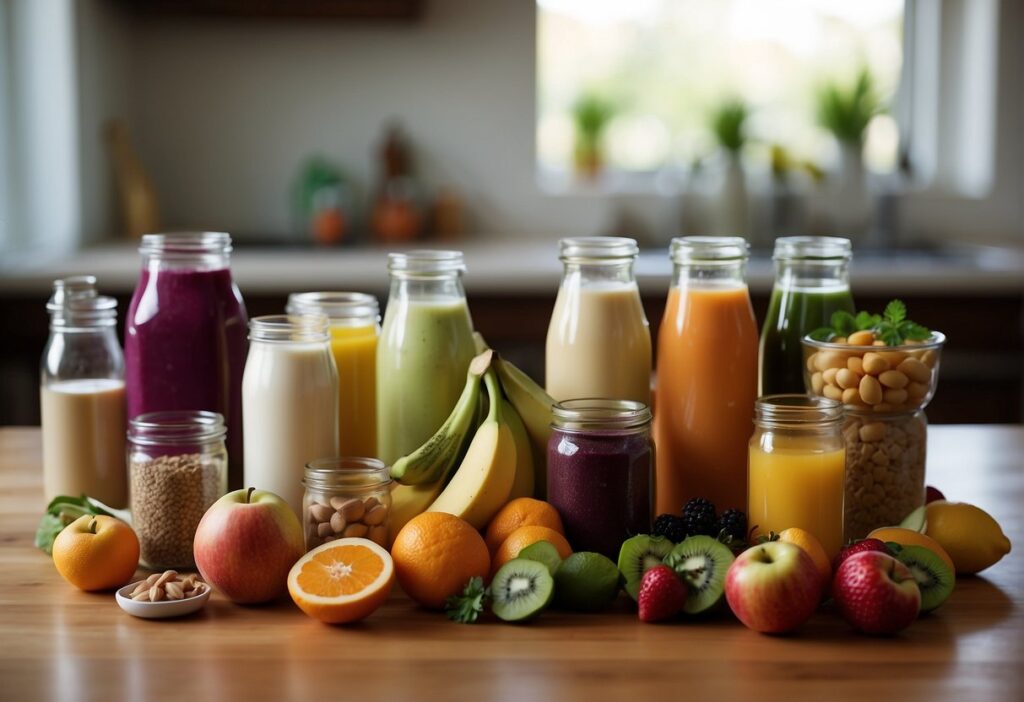
When I make smoothies, especially for those with specific health conditions like cancer, I pay close attention to their dietary needs. Tailoring each recipe ensures that not only are the smoothies delicious, but they also provide essential nutrients that might be lacking in a regular diet.
Supplementing for Missing Nutrients
If I’m dealing with a deficit in key nutrients, I often fortify my smoothies with targeted ingredients. For protein, I like to add Greek yogurt or protein powder. Plant-based proteins such as soy or pea protein powder are fantastic if I’m avoiding dairy or looking for a vegan option. For a boost of minerals and vitamins, a scoop of spirulina can be incredibly beneficial. Here’s a quick list of what I might include:
- Protein sources: whey, soy, pea protein powders
- Vitamins and minerals: spirulina, chlorella, a multi-vitamin powder
- Healthy fats: chia seeds, flax seeds, hemp seeds
Avoidance and Alternatives
If I’m catering to specific intolerances or dietary preferences, I start by removing problematic ingredients. For instance, when making a smoothie for someone who’s lactose intolerant, I’ll use lactose-free milks such as almond or coconut milk instead of cow’s milk. If gluten is an issue, I ensure that all my additives are certified gluten-free. For those watching their sugar intake, I rely on natural sweetness from fruits and perhaps a dash of sugar-free sweetener if needed. Here’s how I would substitute:
- For gluten-free needs: ensure all grains or thickeners are certified gluten-free
- For lactose intolerance: choose lactose-free milk or plant-based alternatives like almond, soy, or coconut milk
- To reduce sugar: use fruits like berries and green apples, or include sugar-free sweeteners
By being mindful of these adjustments, I help ensure the smoothie is not only tasty but also aligns with the dietary restrictions and nutritional needs of anyone who may be undergoing treatment for cancer.
Frequently Asked Questions

In this section, I’ll touch on some common inquiries around smoothie-making for cancer patients, particularly focusing on maintaining weight, addressing nutritional needs, and crafting simple recipes that support your health journey.
What types of smoothies can help cancer patients maintain weight?
High-calorie, protein-rich smoothies can help maintain weight during cancer treatment. I recommend incorporating ingredients like Greek yogurt, natural nut butters, and avocados to increase calorie intake while providing essential nutrients.
Are there specific smoothie ingredients recommended for breast cancer nutrition?
For breast cancer nutrition, it’s beneficial to focus on antioxidants and phytochemicals. Ingredients like berries, flaxseeds, and leafy greens are recommended to add cancer-fighting properties to your diet.
How can smoothies contribute to a healthy diet for cancer patients?
Smoothies are an excellent way to pack in a variety of vitamins, minerals, and dietary fiber, which are crucial for cancer patients. They’re easy to consume, digest, and can be customized with nutritious ingredients like fruits, vegetables, and protein sources.
Can you suggest simple smoothie recipes for someone undergoing cancer treatment?
Certainly! A simple recipe might include a frozen banana, a handful of spinach, plant-based milk, and a scoop of protein powder. It’s quick to make and packed with nutrients.
What are some breakfast smoothie ideas that are both nutritious and appetizing for cancer patients?
For breakfast, consider a smoothie with oats for sustained energy, mixed berries for antioxidants, banana for creaminess, and a splash of almond milk for hydration.
Which smoothies could help mitigate nausea during chemotherapy?
Smoothies containing ginger can help settle the stomach. I’d suggest a simple combination of pear, ginger, and lemon with a bit of honey for sweetness. It’s soothing and can help with nausea.