

Understanding Acid Reflux and Diet
When I talk about acid reflux, I’m referring to that uncomfortable feeling when my stomach acid decides to travel back up into my esophagus. This is also known as heartburn, and boy, it can be a pain in the chest! Now, GERD, or gastroesophageal reflux disease, is just the fancy term for chronic acid reflux.
Managing my diet is one of the key ways to keep acid reflux in check. It’s all about what I eat and how I eat. Have you noticed that certain foods can trigger your heartburn? It’s because some foods can cause my stomach to produce more acid than usual, or relax the lower esophageal sphincter, which ordinarily acts as a gatekeeper, keeping my stomach contents from heading north.
Here’s a quick breakdown of dos and don’ts:
- Eat:
- Veggies (low-acidic)
- Ginger
- Oatmeal
- Limit or Avoid:
- Citrus fruits
- Spicy foods
- Onion and garlic
Eating smaller meals throughout the day rather than three big ones can really help with digestion. This means my stomach won’t get overly full, which can push acid up into my esophagus. Also, taking my time to eat and chewing properly aids in better digestion.
When crafting that perfect smoothie, I focus on ingredients that are less likely to cause issues. For instance, using bananas and melons rather than oranges can be a good call. And about adding in flavors—think herbs instead of spices, as spices might flare things up.
So, to summarize, managing my reflux involves a bit of mindful eating and being choosy with ingredients. It’s a simple fix that can lead to a more comfortable day without the burn.
Essential Components for Acid Reflux-Friendly Smoothies

When I’m whipping up a smoothie that’s gentle on my stomach, I stick to foods that are known for their soothing properties and low acidity. Here’s my go-to list of gut-friendly ingredients:
-
Fruits: I always go for bananas, pears, and melons, including watermelon. They’re sweet and less acidic, which is perfect for keeping acid reflux at bay. Mangoes, apples, and coconuts are also solid picks for a smooth base.
-
Greens: Mild, nutrient-rich greens like spinach and kale don’t trigger my heartburn. They blend well and are packed with good stuff.
-
Berries: Although some can be on the tart side, I find that including a handful of ripe strawberries can give my smoothie a flavor boost without the acid kick.
-
Non-Dairy Liquids: Almond milk and coconut water are my non-dairy darlings. They make the smoothie creamy without adding dairy, which can sometimes aggravate reflux.
-
Probiotics: A spoonful of yogurt can introduce some beneficial probiotics into the mix but I make sure it’s plain and not too high in fat.
-
Fiber & Omega-3s: Chia seeds not only thicken my smoothie but are a great source of fiber and omega-3 fatty acids.
-
Natural Sweeteners: Dates or a dash of honey add a touch of sweetness without relying on refined sugars.
-
Spices: A pinch of ginger or cinnamon can give a spicy twist and they both have anti-inflammatory properties.
-
Oats: Rolled oats are a great thickener and they’re filling, which helps prevent any quick hunger-driven acid build-up.
I avoid overloading my smoothie with too many ingredients at once. It’s about finding the right balance to keep my stomach happy.
Optimal Ingredients for Reducing Acidity

When I’m whipping up a smoothie to tame my acid reflux, I stick to ingredients that are less likely to trigger that unpleasant burning sensation. I’ve found that alkaline foods are my best friends here, as they can help balance my stomach’s acidity levels.
Here’s my go-to list:
- Leafy Greens: I always toss in a handful of spinach or kale. They’re not only low in acid but also packed with nutrients.
- Celery & Cucumber: These crunchy veggies are great for hydration and adding a fresh flavor to my blend.
- Melon: Varieties like cantaloupe and honeydew are part of my preferred alkaline fruit squad, contributing to a soothing smoothie experience.
- Papaya: This tropical fruit is not just delicious; it contains enzymes that aid digestion, which is super helpful for acid reflux.
- Aloe Vera: Sometimes, I add a bit of aloe vera juice for its cooling properties.
And let’s not forget apples. An apple a day doesn’t just keep the doctor away; its natural sweetness and digestive benefits make it perfect for my anti-reflux concoction. Here’s a quick table I put together to keep these ingredients straight:
| Ingredient | Benefit |
|---|---|
| Leafy Greens | Nutrient-rich, low in acid |
| Celery | Hydrating, neutral taste |
| Cucumber | Adds freshness, hydrating |
| Melon | Alkaline, helps neutralize stomach acid |
| Papaya | Contains digestive enzymes |
| Aloe Vera | Cooling and soothing |
| Apples | Sweet and good for digestion |
By sticking to these ingredients, I create a smoothie that’s not only delicious but also keeps acid reflux at bay. Cheers to happy, healthy sipping!
Smoothie Recipes for Acid Reflux Relief
Choosing the right ingredients is crucial when crafting smoothies to soothe acid reflux. I focus on gentle, stomach-soothing foods like green vegetables and non-citrus fruits, avoiding spicy or overly acidic components.
Green Smoothie Recipes
For those mornings when my stomach feels a little off, I like to whip up a Green Smoothie that’s both nutritious and gentle. Here’s one that never fails:
- Spinach & Kale Smoothie
- 1 cup spinach
- 1 cup kale
- 1 small green apple
- 1/2 ripe banana
- 1/2 cup cucumber, sliced
- 1 tablespoon chia seeds
- 1 cup almond milk
Instructions: Blend all ingredients until smooth. This green concoction combines leafy greens with a subtle sweetness and plenty of fiber to manage acid reflux.
Fruit-Based Smoothie Recipes
When my palate craves something sweeter, I’ll go for a Fruit-Based Smoothie that’s easy on the stomach but doesn’t skimp on flavor.
- Banana & Pear Smoothie
- 1 medium ripe banana
- 1 ripe pear, cored
- 1/4 cup blueberries
- 1 cup coconut water
- Ice cubes as needed
Instructions: Combine the banana, pear, blueberries, and coconut water in a blender. Ice is optional. This blend offers a soothing creamy texture from banana with the hydrating benefits of coconut water.
Protein-Packed Smoothies
Now, for days when I need a bit more staying power, I opt for a Protein-Packed Smoothie. The protein helps keep me full, and the smooth ingredients don’t irritate my acid reflux.
- Avocado & Berry Smoothie
- 1/2 ripe avocado
- 1/2 cup fresh or frozen strawberries
- 1/4 cup blueberries
- 1 tablespoon hemp seeds
- 1 cup unsweetened yogurt
- 1/2 cup water or almond milk (adjust for desired consistency)
Instructions: Simply combine all the ingredients in a blender. Avocado and yogurt provide a creamy texture with the added benefit of healthy fats and protein, while berries add natural sweetness and antioxidants.
Foods to Avoid in Acid Reflux Smoothies

When I’m whipping up a smoothie and trying to avoid acid reflux, I steer clear of certain ingredients that can trigger symptoms. Here’s what I typically leave out:
- High-fat foods: These can relax the lower esophageal sphincter, making it easier for stomach acid to push back up. So, I say no to high-fat dairy products like cheese and any sort of trans fats.
- Chocolate: Much as I love it, chocolate contains caffeine and other stimulants, which can cause reflux, so it’s off my smoothie list.
- Citrus fruits: Oranges and lemons are a big no for me, as they are highly acidic.
- Spicy stuff: This includes pepper and fiery spices that can irritate the esophagus.
- Tomatoes: Despite being a fruit, they’re acidic enough to cause trouble, so I exclude them.
- Peppermint: It’s soothing for a lot of things, but not for acid reflux, as it relaxes the lower esophageal sphincter — out it goes.
- Sugar-laden ingredients: Excessive sugar can cause bloating and increase pressure on the stomach.
However, not everything is on the ban list. I’ve found that unsweetened almond milk is a good base for my smoothies. It’s got a neutral pH, which is gentler on the stomach, and it’s less likely to trigger reflux symptoms compared to regular milk. Remember, managing acid reflux is personal and what might work for me might not work for you, so it’s all about finding the right balance.
Nutrition and Lifestyle Tips for Acid Reflux Management
When I manage my acid reflux, I make sure to focus on both nutrition and lifestyle adjustments. Here’s how I tackle it:
Foods High in Fiber: I load up my diet with fruits, vegetables, nuts, seeds, and whole grains. These options not only offer great nutrition, but they also promote healthy digestion, which can reduce symptoms like bloating and belching. For instance, smoothies packed with fiber can be quite soothing. Check out some smoothie recipes designed for GERD that are high in fiber.
Healthy Fats: I choose healthy fats like avocados and nuts. They’re not only good for my skin but also support my overall health without triggering my reflux.
Almond Milk: Instead of regular cow’s milk, I opt for unsweetened almond milk in my smoothies. It’s lower in calories and typically easier on my stomach.
Stay Hydrated: I can’t stress enough the importance of drinking plenty of water throughout the day. It aids digestion and can provide some relief from reflux symptoms.
Probiotics: I also include probiotics in my diet, which can be found in yogurt and fermented foods. These tiny helpers are great for maintaining a balanced gut.
Anti-inflammatory Foods: My diet includes plenty of anti-inflammatory foods. These kinds of foods help with reducing the inflammation that might exacerbate acid reflux symptoms.
Here’s how I generally structure my meals and snacks:
- Breakfast: A smoothie with spinach, a banana, fiber-rich flaxseeds, and unsweetened almond milk.
- Lunch/Dinner: Steamed veggies and grilled chicken or fish, dressed with a bit of olive oil.
- Snacks: Almonds or carrots with hummus.
Remember, these are adjustments that work for me. It’s all about what your body can handle and how it responds to different foods and beverages.
Customizing Your Smoothie for Health and Taste

When I’m whipping up a smoothie, finding that sweet spot between healthy and delicious is key. Here’s how I like to do it:
Sweetness:
- I prefer natural sweeteners like honey; it adds a rich flavor.
- If I’m watching my sugar intake, I’ll opt for sweeteners that are low on the glycemic index.
- Frozen fruit can be a fantastic way to both sweeten and chill my smoothie, eliminating the need for ice cubes, which can water down the taste.
Texture:
- For that creamy texture, bananas are my go-to. Plus, they contribute a natural sweetness.
- I often throw in oatmeal to thicken up my blend and add a fiber boost.
Healthy Fats:
- To get a dose of unsaturated fats, I’ll drizzle in some coconut milk or add avocados, which both lend a luxurious creaminess to my smoothie.
Here’s a quick list of what I might include:
| Ingredient | Benefit | Note |
|---|---|---|
| Banana | Creaminess & sweetness | A ripe banana adds natural sugar |
| Honey | Natural sweetener | Just a spoonful does the trick |
| Unsaturated Fats | Healthy fats | Avocado or a splash of coconut milk |
| Oatmeal | Thickness & fiber | Keeps me full longer |
| Frozen Fruit | Sweetness & chill | No ice needed! |
I love getting creative with flavorings too – a dash of cinnamon can totally transform a smoothie.
Remember, the right unsaturated fats not only improve texture but are great for heart health. And when it comes to sweeteners, whether it’s honey or something else, moderation is important to keep it healthy.
Benefits of Consistent Smoothie Consumption

When I started incorporating smoothies into my diet on a regular basis, I noticed a bunch of improvements. For starters, smoothies pack a serious fiber punch, which is a big win for my digestion. The fruits and veggies I blend up keep things moving and reduce that sluggish feeling.
Here’s a quick look at some of the perks:
- Fiber: Keeps the digestive system on track.
- Hydration: The high water content in smoothies helps meet my daily fluid needs.
- Digestion: Aids in breaking down food more efficiently.
I also found that this habit is pretty great for managing stomach acids. I mean, no one enjoys the burn of acid reflux, right? By choosing the right ingredients, my smoothies help to neutralize acid levels, giving me some much-appreciated relief from heartburn.
Smoothies are ace for nutrition. It’s like a multi-vitamin in a glass but way tastier. Plus, when I toss in ingredients like bananas or ginger, they bring anti-inflammatory benefits to the table, which can help with bloating. These natural remedies, in a delicious liquid form, have made my stomach issues take a back seat.
Fiber and hydration together, by the way, are like the dynamic duo for keeping things balanced. It’s easier to stay hydrated when your drink is also a snack, right? Plus, when you’re well-hydrated, even stomach acid doesn’t get as feisty.
In essence, making smoothies a part of my daily routine has been a game-changer. Not only do they taste amazing, but they also support my body in all the right ways.
Understanding GERD and Dietary Modifications
If you’re like me and you’ve experienced acid reflux, you know it’s no small annoyance. GERD, or gastroesophageal reflux disease, is when my stomach acid frequently flows back into my esophagus, leading to discomfort and sometimes long-term damage. It’s more than just an occasional inconvenience, and managing it often means looking closely at my diet.
Dietary changes can be a game changer. It’s about more than just what I eat—it’s also how and when. To manage my GERD symptoms, I’ve learned to eat smaller meals and avoid lying down right after eating. Who knew that late-night snacks could cause such trouble?
Here’s a simple breakdown of foods and practices I focus on:
- Eat:
- Alkaline fruits like bananas and melons
- Vegetables, especially leafy greens
- High-fiber foods
- Avoid:
- Spicy foods
- High-fat foods
- Caffeine and alcoholic beverages
Adjusting eating patterns can significantly reduce the frequency of acid reflux. I make it a point to not eat close to bedtime and stay upright after meals—gravity helps keep the stomach juices where they belong.
It’s essential to acknowledge that everyone’s trigger foods might be different. Keeping a food diary helped me identify which foods are friends and which are foes. Your mileage may vary, but with a bit of tracking and some careful tweaks to your diet, relief is within reach. And if I can manage it, I bet you can too.
Frequently Asked Questions
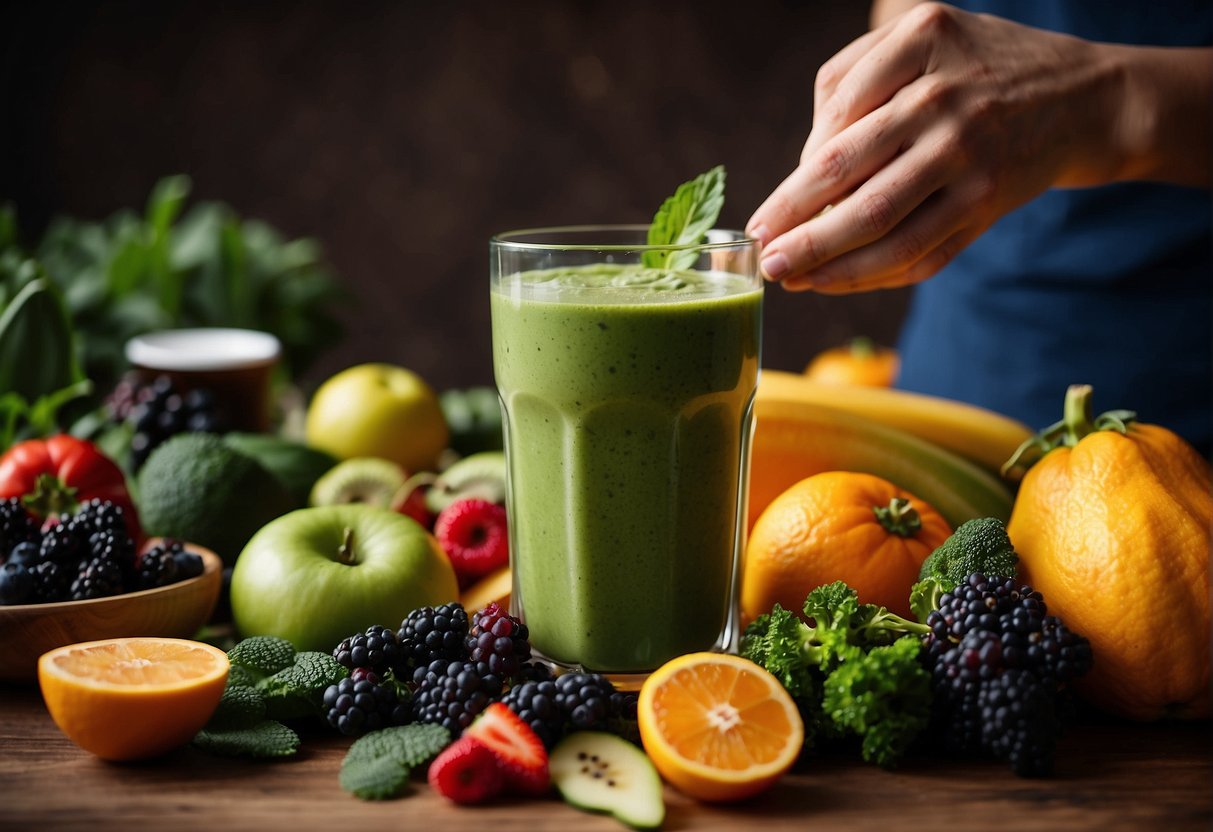
In my quest for the best smoothies to combat acid reflux, I’ve come across various fruits and recipes that strike a delicious balance between flavor and digestive comfort. Let’s dive into some of the most common questions I get asked about acid-reflux-friendly smoothies.
What are some fruits to include in a smoothie that can help neutralize acid reflux?
I find that bananas, melons, apples, and pears are great for acid reflux because they’re low in acid. Adding these fruits to my smoothies helps keep my stomach happy.
How can a smoothie help with weight loss for someone with acid reflux?
Smoothies packed with leafy greens and low-acid fruits can be low in calories and high in nutrients, making them an excellent option for weight management, which in turn may alleviate some symptoms of acid reflux.
Are there any berry variations safe to use in a smoothie for acid reflux sufferers?
Sure, some berries like raspberries and strawberries might be tolerated in small amounts by people with acid reflux. I always recommend testing them in moderation to gauge how your body responds.
What is a good low-acid smoothie recipe for those with acid reflux?
A low-acid smoothie recipe I enjoy includes bananas, a handful of spinach, a touch of ginger, almond milk, and a scoop of protein powder. It’s both refreshing and gentle on my stomach.
Are banana smoothies beneficial for managing symptoms of acid reflux?
Definitely. I find that banana smoothies are soothing because bananas are naturally low in acid, which can help minimize reflux symptoms.
Can you suggest any alkaline smoothie ingredients that are suitable for acid reflux?
For an alkaline boost, I toss in ingredients like spinach, cucumbers, fennel, and kale into my smoothies. They help balance my stomach’s acidity.