
Nutritional Needs for Breastfeeding Moms
Breastfeeding brings with it an increased demand for certain nutrients to maintain both my health and the quality of my breast milk. Let’s dive into what I need to keep my body nourished while I support my little one’s growth.
Macronutrients and Calories
I need to ensure a good balance of protein, healthy fats, and carbohydrates in my diet for optimal breast milk production. Protein is essential for the growth and repair of tissues, and I aim for about 65-70 grams a day. Healthy fats, especially omega-3 fatty acids, are important for my baby’s brain development; I focus on including avocados, nuts, and seeds to meet these needs. For calories, I often need about an extra 500 per day compared to my pre-pregnancy intake, but this can vary based on my activity level and metabolism.
Essential Vitamins and Minerals
I pay special attention to calcium, iron, and B vitamins to support my increased nutritional needs during breastfeeding. I get calcium primarily from dairy products or fortified plant milks, which help strengthen my baby’s bones. I include plenty of leafy greens and lean meats to prevent iron deficiency, which is common after childbirth. For B vitamins, particularly B12 and B6, I ensure to have whole grains and eggs in my meals. I can’t forget about the fiber; it’s important for my digestion, so I include foods like oats and lentils. Lastly, fatty acids, notably DHA from fish or flaxseeds, are crucial for healthy brain development in my baby.
Boosting Milk Supply Naturally
When I look for ways to improve my breast milk supply, I focus on natural strategies that involve diet and hydration.
Galactagogues and Their Benefits
Galactagogues are foods or supplements known to help increase milk supply. I’ve personally found that oatmeal is not just comforting but also effective as a lactogenic food. There’s something special about starting the day with a warm bowl of oats to help keep my milk production on track. Brewer’s yeast is another powerhouse that, despite its bitter taste, can be a game-changer for breastfeeding moms dealing with low milk supply. I sometimes add it to smoothies, and it does the trick.
Here’s a list of some helpful galactagogues:
- Oatmeal: rich in iron, essential for good milk production.
- Brewer’s Yeast: high in B-vitamins and amino acids.
- Flax seeds: contain phytoestrogens that can influence breast milk supply.
Hydration and Breast Milk Supply
Hydration is crucial for me. Without enough water, my breast milk supply can dip. I make sure to drink plenty of fluids throughout the day, aiming for at least 8 glasses. It’s simple but effective: the more hydrated I am, the better my body can produce breast milk. I’ve noticed that when I add coconut water or make lactation smoothies with ingredients like flaxseed and oatmeal, it’s not just my thirst that’s quenched – my milk supply seems to get a boost too.
Key Ingredients for Lactation Smoothies
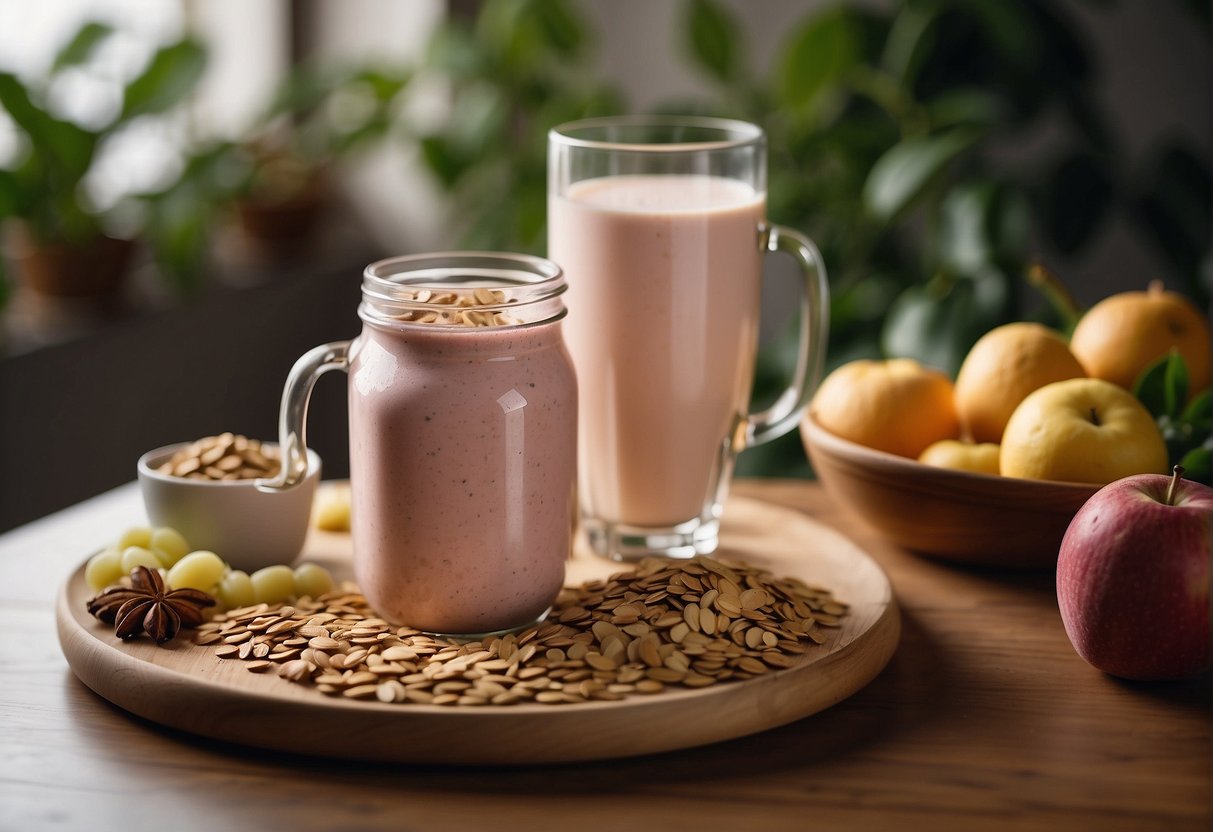
When I’m looking to boost my milk supply with a smoothie, I make sure to pack them with ingredients that serve the dual purpose of nutrition and promoting lactation. Here’s what I toss into the blender:
Fruits and Vegetables for Lactation
- Bananas: They’re a great base for any lactation smoothie, offering natural sweetness and a creamy texture.
- Apples: I love adding apples for extra fiber and a hint of crispness.
- Blueberries: These little berries are antioxidant powerhouses.
- Pumpkin: Not only for fall, pumpkin is rich in vitamin A, which is important for lactation.
- Spinach: I toss in a handful of spinach for iron and folate, plus it’s super mild in taste.
- Avocado: For a dose of healthy fats and satiety, avocados are my go-to.
Nuts and Seeds
- Almond milk: It’s my preferred base for smoothies, lighter than dairy with a nutty flavor.
- Coconut milk: When I want a tropical twist, I opt for coconut milk.
- Chia seeds: They’re fiber-rich and help me stay full longer.
- Oats: A classic lactation aid, oats are filling and support milk production.
- Almonds: These are a crunchy way to add vitamin E and essential fats.
- Sesame seeds: A sprinkle of these adds calcium important for my baby’s growth.
Recipe Inspirations
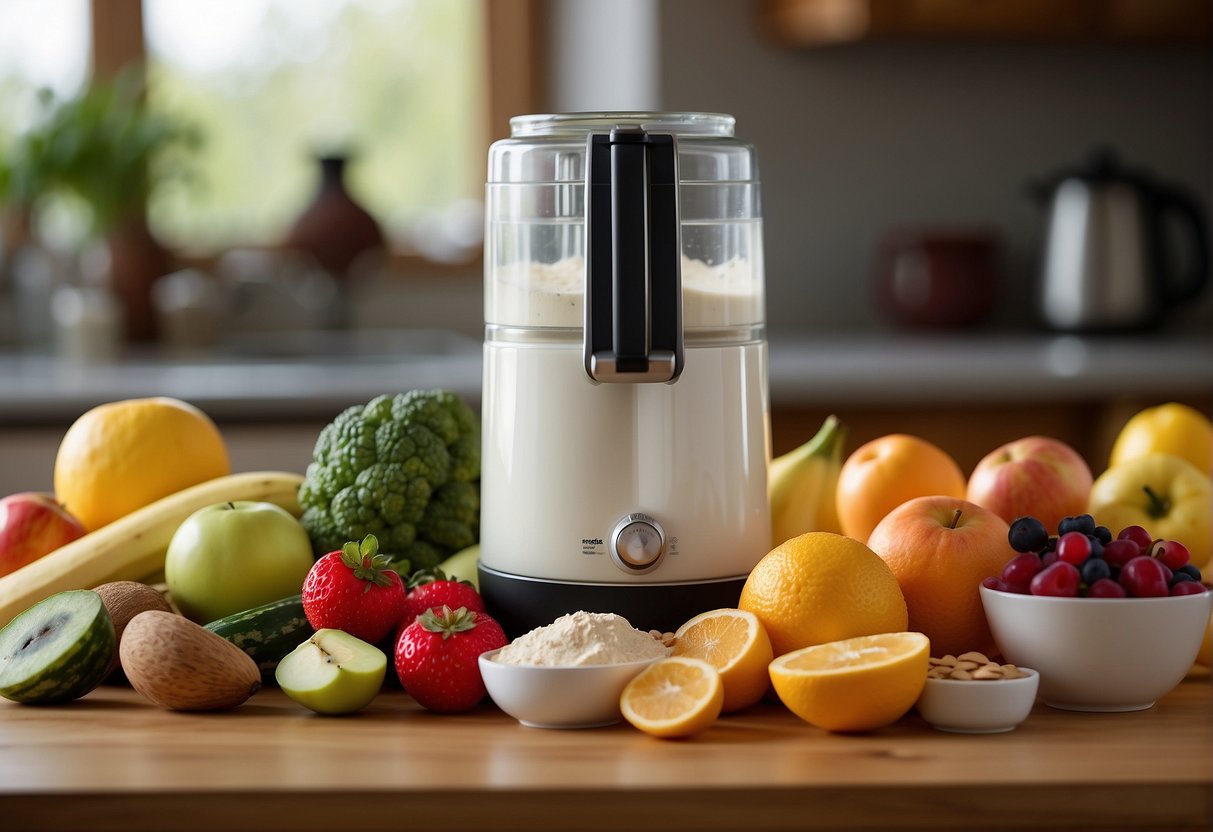
When it comes to boosting milk supply and nutrition, I’ve found that incorporating certain ingredients into smoothies can be both delicious and beneficial. Here are some classic and innovative lactation smoothie recipes to inspire your next nutritious blend.
Classic Lactation Smoothie Recipes
Peanut Butter & Jelly Lactation Smoothie
- Ingredients: 1 cup almond milk, 1 tablespoon peanut butter, 1/4 cup oats, 1 banana, 1/2 cup frozen blueberries, 1 tablespoon flaxseeds
- Preparation: Blend all ingredients until smooth. Enjoy this milk boosting smoothie that tastes like a childhood favorite!
Strawberry Banana Lactation Smoothie
- Ingredients: 1 cup oat milk, 1 frozen banana, 1/2 cup strawberries, 1 tablespoon almond butter, 1 tablespoon brewer’s yeast
- Preparation: Combine ingredients and blend. This smoothie is not only tasty but also targets to enhance my milk production.
Innovative Lactation Smoothie Blends
- Ingredients: 1 ripe avocado, 1 cup spinach leaves, 1 cup coconut water, 1/2 banana, 1 tablespoon chia seeds
- Preparation: Puree all ingredients until creamy. The avocado offers a dose of healthy fats, perfect for me and my baby.
Chocolate Lactation Smoothie
- Ingredients: 1 cup chocolate almond milk, 1 ripe banana, 1 tablespoon cocoa powder, a pinch of cinnamon, 1 tablespoon honey, 1 tablespoon hemp seeds
- Preparation: Blend until smooth. This chocolate smoothie satisfies my cravings and supports lactation with its nutrient-packed ingredients.
Practical Tips for Smoothie Preparation
When it comes to whipping up the perfect smoothie, I’ve got a couple of tricks up my sleeve that make the process both easy and nutritionally balanced. From time-saving hacks to making sure every sip contributes to my diet, I’ve learned the ins and outs of smoothie prep.
Convenient Smoothie Making
First off, I always keep a stash of frozen fruit on hand. Not only does it save on prep time, it also chills the smoothie without watering it down like ice can. For a naturally sweet touch, I toss in a couple of dates; they blend up easily, especially if I soak them a bit beforehand. When it comes to oils and nut butters, I go for coconut oil or almond butter; they add a creamy texture and are super easy to measure out.
Maintaining a Balanced Diet with Smoothies
Now, I like to think of my smoothies as either a meal or a hearty snack, depending on the ingredients I use. To pack in the protein, I alternate between protein powder and Greek yogurt. For liquid, oat milk is my go-to—it’s creamy and has a subtle sweetness that works with almost any flavor profile. I focus on adding natural ingredients wherever possible because keeping things wholesome is a priority for me. Not to mention, it’s better for both me and my little one.
Considerations for Dietary Preferences
When selecting the best smoothie for breastfeeding moms, it’s important for me to consider various dietary preferences. Whether due to lifestyle choices, allergies, or intolerances, everyone’s needs are unique, and breastfeeding moms deserve tasty options that cater to their specific requirements.
Vegan and Dairy-Free Options
For moms following a vegan diet or those who are lactose intolerant, dairy isn’t an option. I personally love using oat milk as a creamy base for my smoothies—it’s rich in fiber and has a naturally sweet taste. Coconut milk is another great choice that adds a tropical twist while providing healthy fats. I don’t forget to throw in hemp seeds for a boost of plant-based protein.
Allergy-Friendly Alternatives
Navigating allergies can be tricky, but I find plenty of ways to make delicious smoothies without common allergens. Peas are a surprising source of protein, and beans can be used in smoothies too, believe it or not, but usually in the form of powder. For a nutty flavor without the nuts, I like to add whole grains like quinoa or amaranth. And of course, leafy vegetables like spinach or kale are always on my list for an extra dose of nutrients without any worry of allergies.
Supplementing Breastfeeding with Smoothies
I understand that as a breastfeeding mom, you’re likely looking for natural ways to enhance your milk supply and ensure your baby gets all the nutrients they need. Lactation smoothies can be a convenient and tasty addition to your daily meals, packed with ingredients reputed to support milk production.
When to Consult a Lactation Expert
While smoothies for breastfeeding moms are a great way to supplement your diet, it’s crucial to understand when to seek advice from a lactation consultant. If you’re concerned about milk supply or notice any sudden changes in production, reaching out to a professional can help you determine the best course of action. Even if you think you’re experiencing an oversupply, a lactation consultant can provide insight into how often you should incorporate lactation smoothies into your meals and which ingredients might be most beneficial for your specific situation. Remember, each mother’s needs are unique, and a tailored approach can be incredibly effective.
Frequently Asked Questions

In this section, I’m going to tackle some of the most common questions about smoothies for breastfeeding moms. Whether you’re looking to enhance your milk supply or simply seeking nutritious meal options, these FAQs can help.
What are some top smoothie ingredients that support lactation?
For nursing moms, certain ingredients are like gold. Oats, for instance, are renowned for supporting milk production. They’re a staple for many, along with ingredients like flax seeds which offer essential fatty acids. Adding some brewer’s yeast can also be beneficial—it’s frequently recommended by lactation consultants for its potential to boost milk supply.
Can smoothies help with weight loss during breastfeeding?
Absolutely. When made with the right ingredients, smoothies can be a great way to get necessary nutrients without excess calories. Using low sugar fruits and leafy greens with a base of almond milk or yogurt can result in a satisfying, healthy meal that supports weight management. Just make sure to balance your smoothies with your overall dietary needs—caloric intake should not drop too low, especially when you’re nursing.
What are some delicious postpartum smoothie recipes?
There are a ton of recipes available that are both delicious and beneficial for postpartum moms. Many combine fruits like bananas and berries with spinach or kale, adding a bit of almond butter or coconut oil for healthy fats. To enhance lactation, consider incorporating oats, brewer’s yeast, or almond milk.
How can smoothies be incorporated into a nursing mother’s diet for maximum benefit?
I find that having a smoothie for breakfast or as a snack is an excellent way to integrate these beneficial foods into my diet. It’s a quick and efficient way to consume the array of vitamins and minerals that support my needs as a breastfeeding mom. By preparing smoothies in advance, or having a go-to recipe, it becomes easier to fit them into a busy schedule.
Which fruits should be included in smoothies to boost breast milk supply?
Low sugar fruits like blueberries, strawberries, and apricots are not only tasty—they also help avoid a sugar crash. Bananas are a good choice as well, providing energy and a creamy texture to smoothies. Some moms add papaya, which is traditionally believed to have lactation benefits, though solid scientific evidence is still to come.
How quickly can lactation smoothies start to show an effect?
This varies widely among individuals. Some moms might notice an increase in supply within a day or two, while others might need a bit longer to see changes. It’s important to remember that hydration, overall diet, and frequency of nursing also play significant roles in milk production.