
Kiwi Smoothie Basics
Making a kiwi smoothie without milk is super easy, and it’s a fantastic way for me to start my day or refuel after a workout. I love using kiwis because they’re packed with vitamin C, fiber, and antioxidants, which are great for my immunity and digestion.
When I prepare my dairy-free kiwi smoothie, I focus on ripe kiwis for their natural sweetness and vibrant color. Kiwi is the star fruit here, but I often blend in other fruits to create a richer flavor and add more nutritional value. Bananas, for instance, contribute creaminess and are a good source of potassium.
Here’s a simple table with what I usually include in my smoothie:
| Ingredient | Purpose | Nutrition Benefit |
|---|---|---|
| Kiwi | Base flavor; thickness | High in Vitamin C, fiber, and antioxidants |
| Banana | Creaminess; sweetness | Adds potassium and makes the smoothie more filling |
| Plant-based milk (almond, soy, oat) | Liquid base | Can add protein, depending on the type |
| Spinach or kale (optional) | Additional nutrients; color | Extra fiber, vitamins, and minerals |
When I’m making a vegan kiwi smoothie, my go-to sweeteners are natural options like dates or a dash of maple syrup, especially if my kiwis are a tad sour. For an extra boost of vegan protein, I sometimes toss in a scoop of my favorite plant-based protein powder or a handful of nuts or seeds. This way, my smoothie is not just refreshing but also keeps me full and energized.
I make sure to blend everything until smooth, so I don’t have any leafy chunks if I’m using greens. A high-speed blender is ideal to get that silky texture. It’s a simple recipe that lets the natural flavors of the fruits shine, keeping my nutrition on point with a tasty, plant-based punch!
Preparing Your Fruits
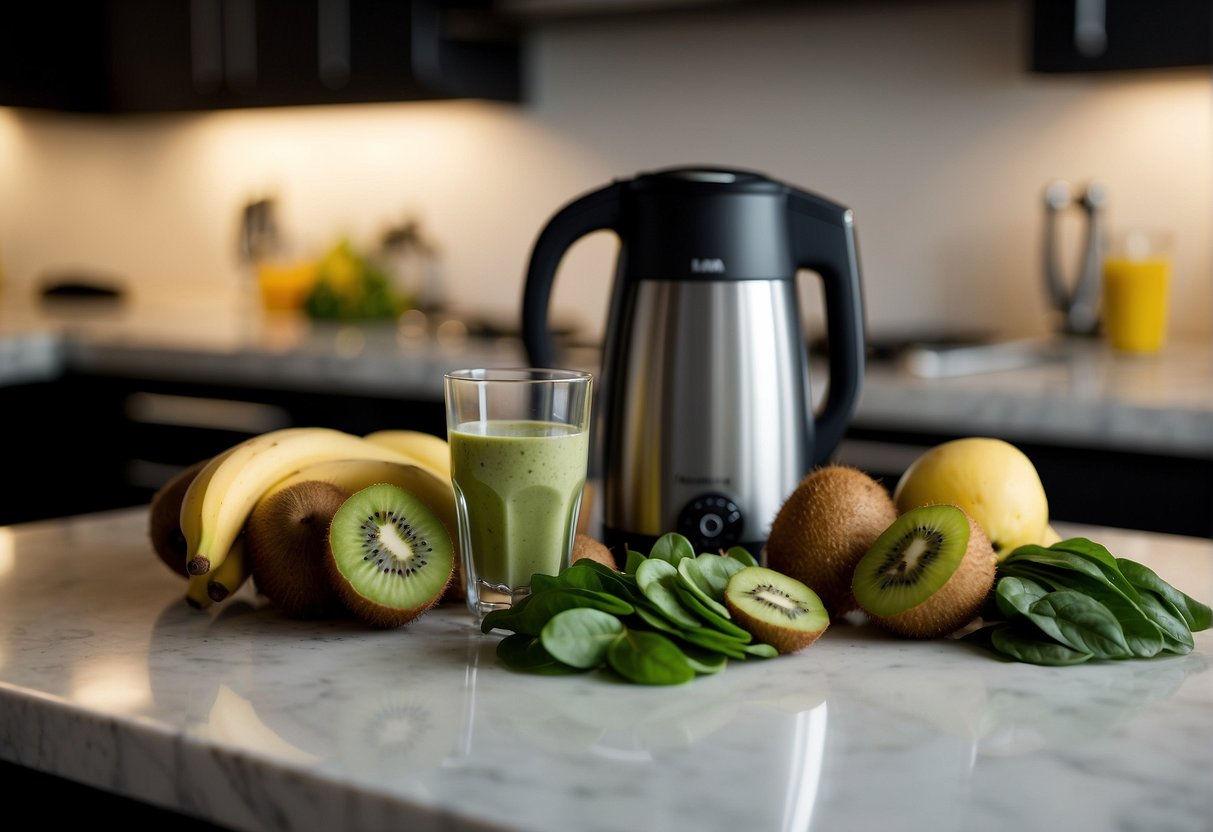
Getting your fruits ready for a kiwi smoothie is a breeze. I’ll focus on picking the best kiwis and what other fruits pair well, plus how to prep everything so that your smoothie comes together perfectly.
Choosing the Right Kiwis
I always look for kiwis that are ripe but firm. They should give a little under gentle pressure; this means they’re sweet and juicy without being overly mushy. It’s essential to use ripe kiwis because they’re the star of the show, and you want that bold, tangy flavor to come through.
Complementary Fruits
Here’s a list of fruits I find that go great with kiwi:
- Bananas: They add a creamy texture without dairy.
- Mango and Peaches: Both bring a nice sweetness and velvety consistency.
- Oranges and Apples: For a zing of freshness and a bit more liquid.
- Pineapple, Berries, and Lemon: They pack a punch and contribute to the tropical vibe of the smoothie.
When selecting berries, like strawberries and blueberries, I go for the ones that are plump and vibrant—it’s a sign they’re ripe and rich in flavor.
Prep for Blending
When I’m ready to prepare the fruits, I start with:
- Peeling the kiwis and bananas.
- Cutting the mango, peaches, and pineapple into chunks.
- Slicing apples and oranges into wedges, removing any seeds.
- Hulling any strawberries and giving all the berries a good wash.
If I plan ahead, I also like to freeze kiwi chunks. I spread them out on a parchment paper-lined cookie sheet and pop them in the freezer. After about an hour, they’re perfect for adding an extra frosty element to the smoothie.
By following these steps, I ensure that each piece of fruit will blend smoothly into an irresistible kiwi smoothie that’s refreshing and perfectly sweet, all without a drop of milk.
Dairy-Free Alternatives

When I’m whipping up a fresh kiwi smoothie, I keep it dairy-free without sacrificing creaminess. Here’s my go-to roundup of non-dairy milk and yogurt alternatives to keep your smoothies luscious and indulgent.
Non-Dairy Milk Options
- Almond Milk: My top pick for a nutty flavor, almond milk adds a smooth texture to kiwi smoothies without the heaviness.
- Coconut Milk: For a hint of tropical richness, coconut milk is my favorite. Plus, it’s a fantastic soy-free and vegan option.
I personally lean towards unsweetened varieties to control the sweetness of my smoothie, considering the natural sugars from the kiwi itself.
Yogurt Substitutes
If yogurt is what you’re missing in your smoothie for that creamy twist, I’ve got you covered:
- Coconut Yogurt: Dairy-free and with a consistency akin to traditional yogurt, this can add a subtle coconut flavor to your kiwi smoothie.
- Almond Yogurt: Another great addition, especially if you’re after a lighter option with a slight almond undertone.
And remember, with these alternatives, you’re not just making a vegan smoothie; you’re creating a dairy-free delight that’s equally indulgent as its dairy counterparts.
Flavor and Nutrition Enhancers
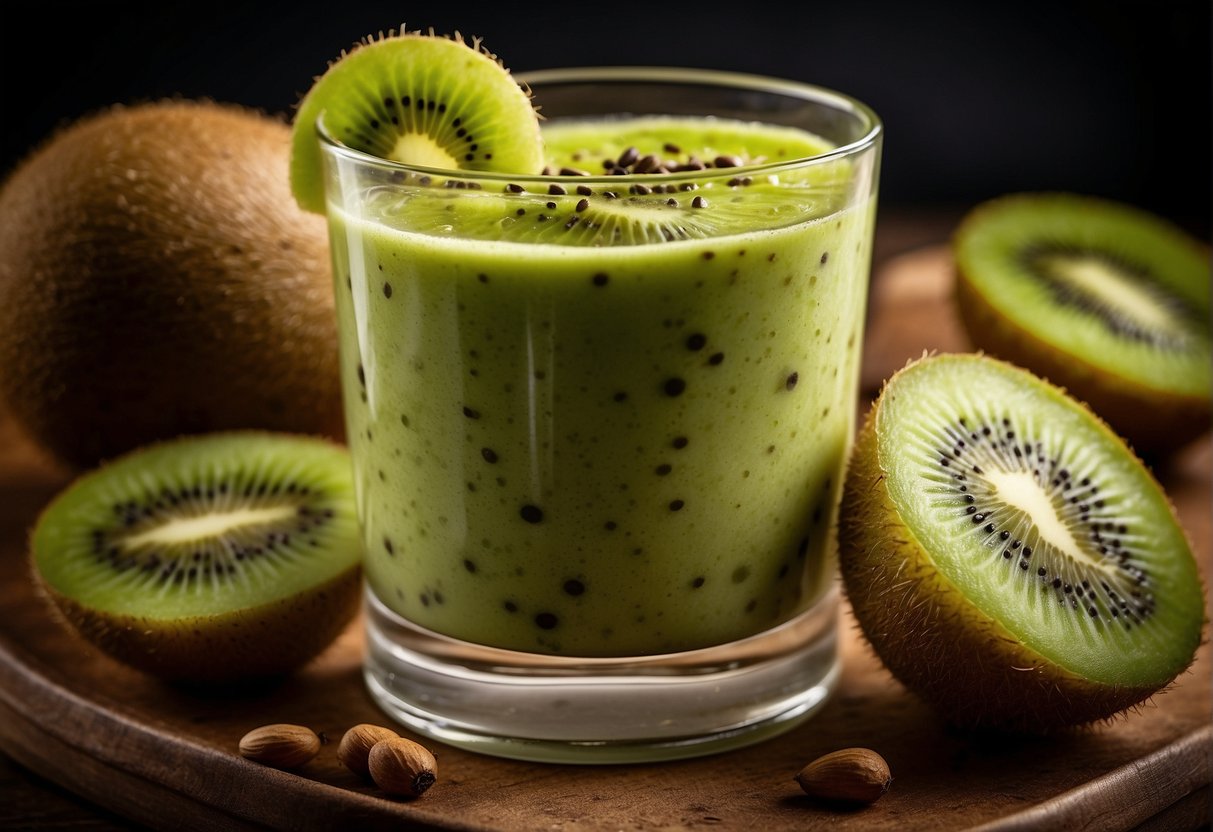
When I whip up a kiwi smoothie without milk, I love getting creative with ways to dial up the flavor while packing in extra nutrition. That means reaching for natural sweeteners, a sprinkle of spices, or tossing in a handful of greens and nutrient-dense seeds to transform my smoothie from simple to super.
Sweeteners and Spices
Sometimes kiwis alone don’t satisfy my sweet tooth, so I stir in a drizzle of honey or maple syrup. They’re natural sweeteners that bring a warm depth of flavor. To kick things up a notch, a dash of cinnamon or nutmeg can add a spicy twist that complements the tang of kiwi beautifully.
- Honey: Adds a floral sweetness and contributes antioxidants.
- Maple Syrup: Delivers a unique, earthy sweetness rich in minerals like potassium.
Boosts with Greens and Seeds
I’m all about incorporating greens like spinach or kale for a nutrient boost without altering the taste too much. They’re loaded with vitamins, fiber, and practically skyrocket the nutritional value of the concoction. I toss a tablespoon of chia seeds into the mix for a shot of healthy fat (hello, Omega-3s!) and even more fiber, which helps keep me full. If I’m feeling indulgent, a scoop of nut butter or protein powder can make it a more satisfying, protein-rich snack, ideal for refueling after a workout.
- Spinach/Kale: Minimal calories, high in vitamins A, C, and K.
- Chia Seeds: High in fiber and antioxidants, plus they thicken the smoothie.
- Nut Butter: Adds healthy fats and protein, but watch out for added sugar or saturated fat.
Finishing Touches & Serving
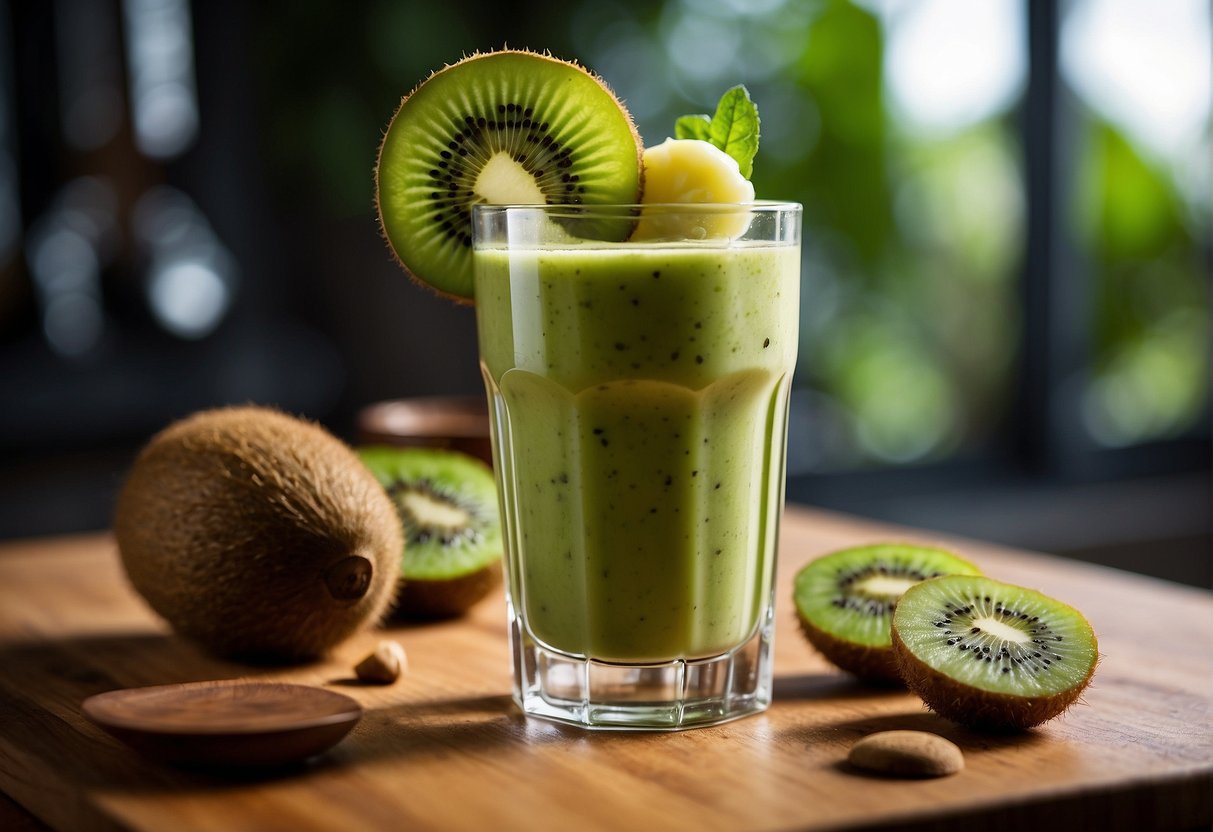
After blending up my delicious kiwi smoothie, I focus on the finishing touches and how I serve it to make the experience truly delightful.
Texture and Consistency
I like my smoothies thick, so I often toss in a handful of ice to give it that frosty touch. If it’s a green smoothie I’m making, adding a ripe banana can really improve the creamy texture. For something more tropical, like a mango smoothie, the mango itself often does the trick without extra ice needed.
Garnishing Your Smoothie
My favorite part is getting creative with garnishes. A sprig of mint or a slice of lime on the rim of the glass adds a burst of freshness. When I’m making a strawberry kiwi smoothie, I’ll sometimes skewer a strawberry and a slice of kiwi on a cocktail stick for a fancy touch. And with any tropical smoothie, a little umbrella always brings a smile!
Serving Suggestions
I love serving my smoothies as part of my breakfast routine, especially when I’m in a hurry. If I want to add more zest, a squeeze of fresh lime juice or a bit of grated ginger goes a long way. When I’m feeling the need for something more filling, pairing the smoothie with a slice of watermelon can really round out the meal. Remember, although I may include affiliate links in my recipes, they’re purely for products I trust and use in my own kitchen.
Frequently Asked Questions
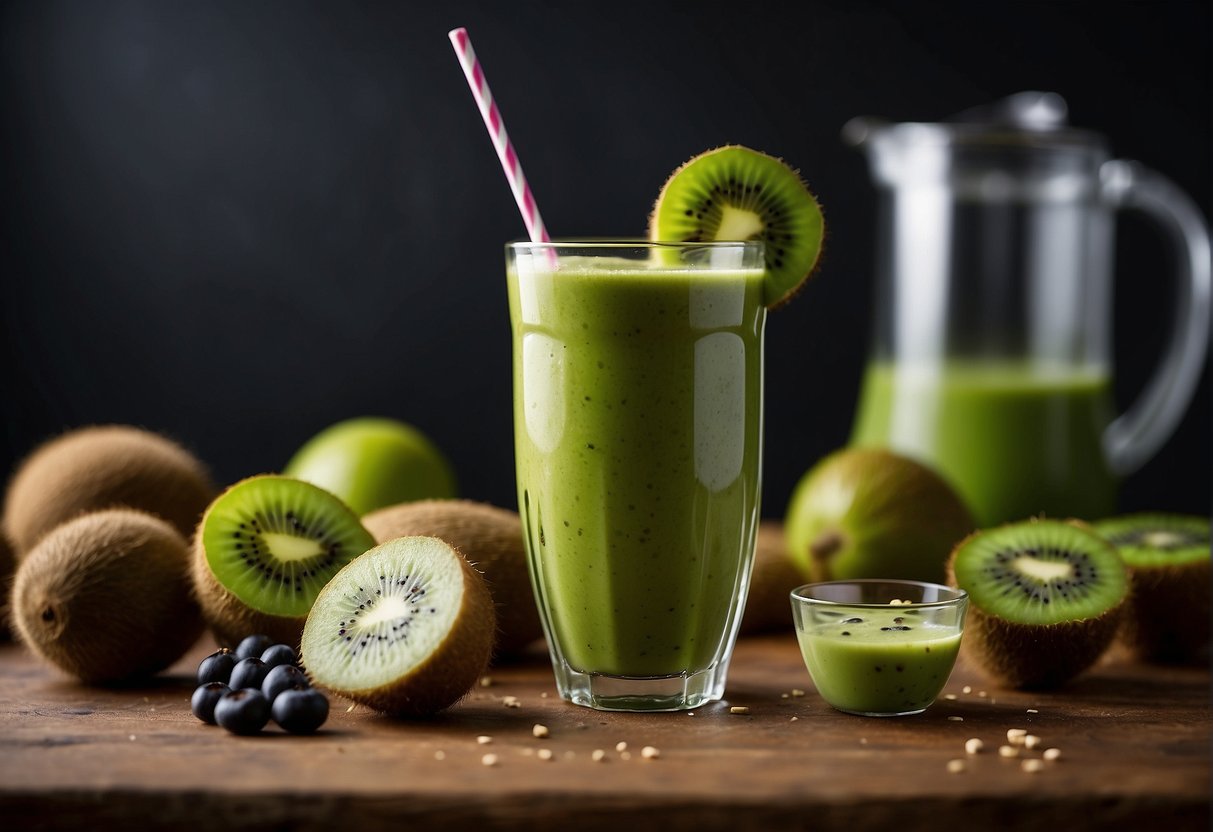
I find it super exciting to experiment with different ingredients for a refreshing kiwi smoothie. Here, I’ll address common queries about crafting a delightful kiwi smoothie without milk.
What are some alternatives to milk in a kiwi smoothie?
In my kiwi smoothies, I often reach for alternatives like coconut water, almond milk, or juice. They’re super tasty and blend well with kiwi’s unique flavor. For instance, this kiwi smoothie recipe is completely dairy-free and instead uses a blend of refreshing fruits and juices.
How can I make a thick kiwi smoothie without using milk?
To thicken my kiwi smoothies without milk, I love to add frozen fruit or chia seeds. They give that creamy consistency without dairy. Some avocados can also do the trick for a thicker texture without altering the taste too much.
What ingredients can I use in a kiwi smoothie for weight loss?
For a kiwi smoothie that’s friendly for weight loss, I stick with high-fiber fruits like apples and berries. Adding spinach or kale also bumps up the nutrients without adding too many calories. These ingredients can be quite fulfilling and low in calories, providing a nutritious option for those looking to manage their weight.
Can water be a suitable substitute for milk in a smoothie?
Absolutely, water can work in a smoothie when I’m looking for a lighter consistency or if I want the kiwi flavor to stand out. It’s a hydrating option that doesn’t add any extra calories or fat.
What is a healthy kiwi smoothie recipe without dairy?
For a healthy dairy-free option, my go-to recipe includes kiwi, frozen banana for sweetness, a handful of spinach for greens, and some coconut water for hydration. It’s a nutritious and dairy-free smoothie that doesn’t skimp on taste or health benefits.
How do I make a kiwi smoothie if I’m also avoiding bananas?
When I’m avoiding bananas, I’ll usually substitute them with mango or pear for natural sweetness. These alternatives keep the smoothie sweet and creamy, and they complement the tangy taste of kiwi perfectly.