
Ginger Smoothie Overview
When I whip up a ginger smoothie, I’m aiming for that zingy taste that only fresh ginger can provide. My pals swear by these smoothies, especially during cold season, since ginger is famed for its immune-boosting powers. Plus, it’s amazingly anti-inflammatory and loaded with antioxidants—just what the body craves!
Here’s what I toss in my blender:
- 1 knob of fresh ginger (peeled)
- Your favorite fruits (like apple, banana, or pineapple for sweetness)
- A splash of liquid (think almond milk or water)
- A couple of ice cubes (optional, but oh so refreshing)
Sometimes, I grate my ginger first to make sure there are no chunky bits in my smoothie. Other times, my trusty blender does the heavy lifting. The kick of ginger jazzes everything up and has me feeling bright and alert.
Why ginger, you might wonder? It’s a powerhouse when it comes to health benefits. From helping to soothe sore throats to aiding digestion, the perks seem endless. If I’m feeling a bit under the weather or just want to give my day a healthy start, there’s nothing like a ginger smoothie to do the trick. Every sip packs a punch—flavor-wise and health-wise.
Health Benefits of Ginger in Smoothies

When I whip up a smoothie, tossing in a slice of ginger is a no-brainer for me, especially when I’m feeling under the weather. Ginger is known for its anti-inflammatory and antioxidant properties, which can kick my immune system into high gear.
- Soothing Sore Throats: Have a sore throat? Ginger in my smoothie does wonders. Its natural anti-inflammatory qualities help soothe the irritation.
- Arthritis Relief: Dealing with arthritis? The anti-inflammatory effects may also reduce joint pain, making ginger a trusty companion in my daily diet.
Here’s what really grabs my attention:
| Property | Benefit |
|---|---|
| Antioxidants | Protect my body’s cells from damage and bolster immunity. |
Those antioxidants are key players in my body’s defense squad, shielding me from various health annoyances.
- Cold Warrior: As an antiviral and antibacterial agent, ginger in smoothies can help in the battle against colds, and let’s not forget those anti-viral properties coming to the rescue during flu season.
In short, adding that zesty kick of ginger to my smoothie is more than just flavor—it’s about leveraging those health benefits to keep me feeling my best. Whether it’s to calm an angry throat, grease up those creaky joints or shield myself from the latest bug going around, ginger’s got my back.
And hey, it’s not just me talking—all these ginger praises are backed by plenty of folks who study these things. Check out some info on gingerol, one of ginger’s magical compounds, and its effect on pain and inflammation. It’s always cool to find out the science behind why I feel better.
Essential Ingredients
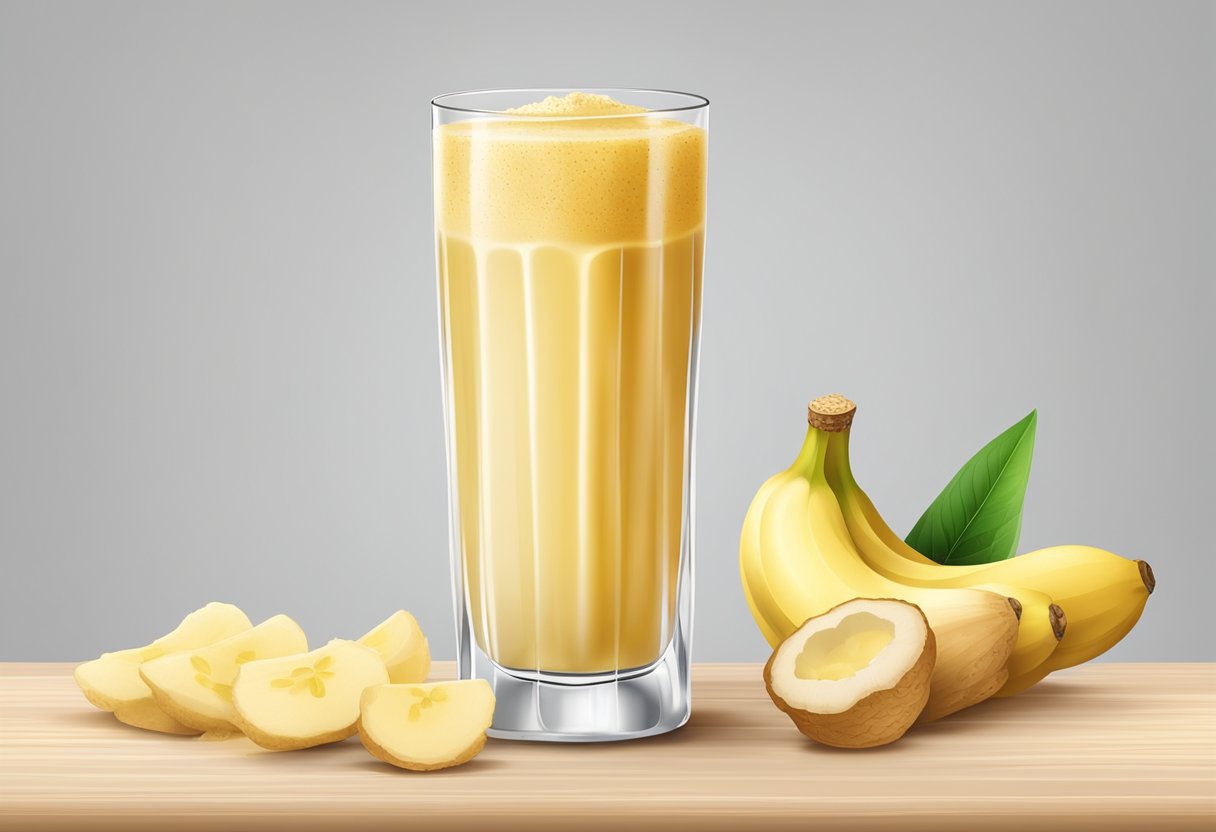
When I’m whipping up a ginger smoothie to combat a cold, I focus on a trio of subsections: fruits and greens for nutrients, liquids for blending ease, and natural sweeteners with flavor boosters to make it all taste great.
Fruits and Greens
I always start my smoothie with a banana for creaminess and sweetness. Then I throw in some orange segments—they’re vitamin C powerhouses. Mango gives a tropical twist and more vitamin C, while spinach or other greens add fiber and iron, without overpowering the taste. I’ve found that a little pineapple can add some tang and enzymes that help with digestion. Occasionally, I’ll toss in a carrot for extra beta-carotene and a slight sweetness.
Liquids for Consistency
The right liquid is key to get the smoothie to my preferred consistency. I often use almond milk or coconut milk for a nutty flavor and creaminess without dairy. When I’m not using milk alternatives, orange juice adds extra vitamin C kick. If I want it more refreshing, I just use water. Sometimes, a dollop of yogurt makes it into my blender for a protein boost and smoother texture.
Sweeteners and Flavor Enhancers
I keep my smoothies on the healthier side by choosing honey or maple syrup if I need a bit more sweetness—they’re natural and not overly processed. A dash of vanilla extract can complement the ginger and amplify the smoothie’s fragrance and flavor. It’s all about finding the right balance to enhance those flavors without going overboard.
Preparation Tips
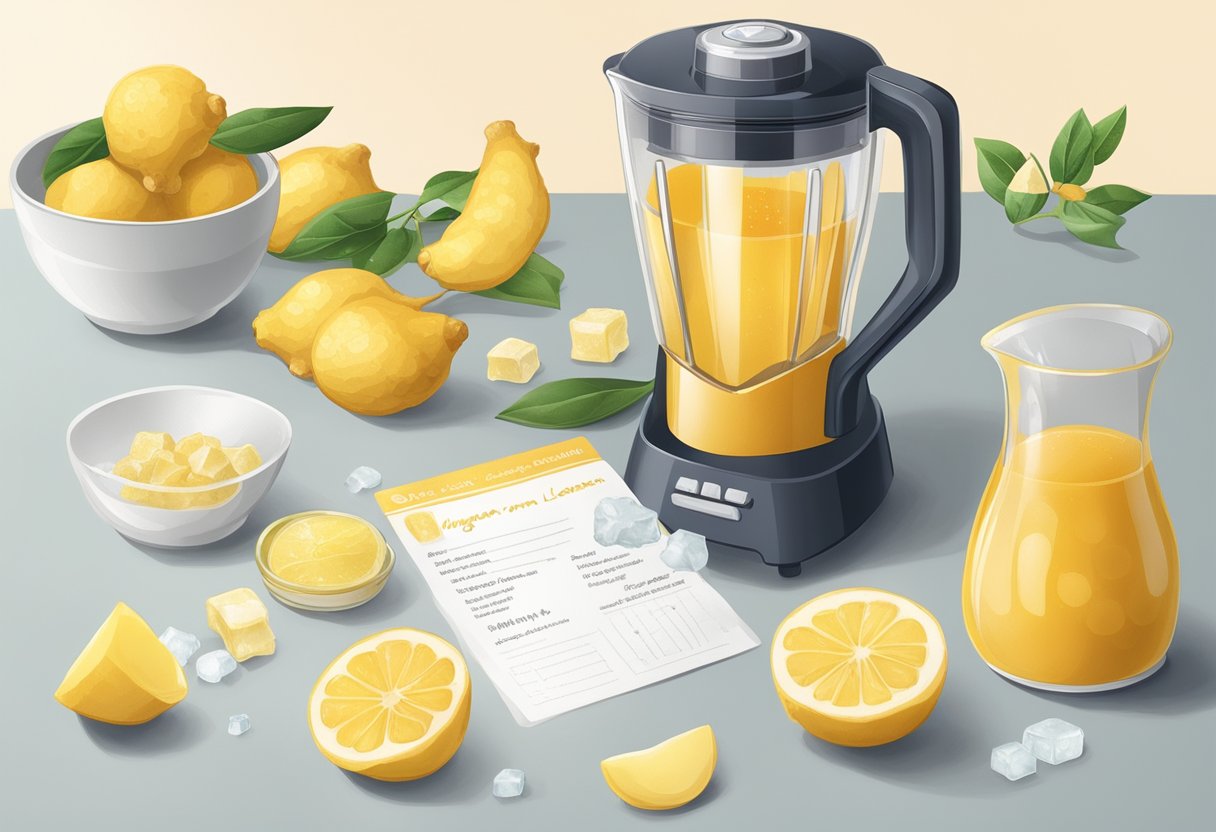
Before we dive into the nitty-gritty of making your ginger smoothie to combat that pesky cold, let’s talk about the best ways to blend, prepare your ingredients, and serve up this soothing beverage.
Blending Technique
When I’m whipping up a smoothie, my go-to appliance is a high-powered blender because it can handle tougher ingredients and produce a creamy texture. For a really smooth ginger smoothie, I start on a low setting and gradually increase to high, blending for about 30 to 60 seconds. This makes sure the ginger and other fibrous ingredients blend thoroughly without leaving chunks.
Ingredient Prep
Here’s the deal: prep time is a breeze. My prep time is typically 5 minutes. It’s important to peel and chop the fresh ginger into small pieces — I aim for a teaspoon or two, depending on how zingy I want the flavor. Then, if I want extra creaminess, I use frozen bananas cut into chunks. They not only add sweetness but also give the smoothie a frosty kick without needing to freeze or add ice.
Serving Recommendations
I love to serve this ginger smoothie for breakfast or as a refreshing pick-me-up during cold season. It’s best when enjoyed immediately after blending to ensure the smoothest texture and boldest flavors. Remember, if you’ve gone all out and made a big batch, you can always store it in the fridge and give it a quick blend before serving to bring back that smooth, frothy consistency.
Special Variations
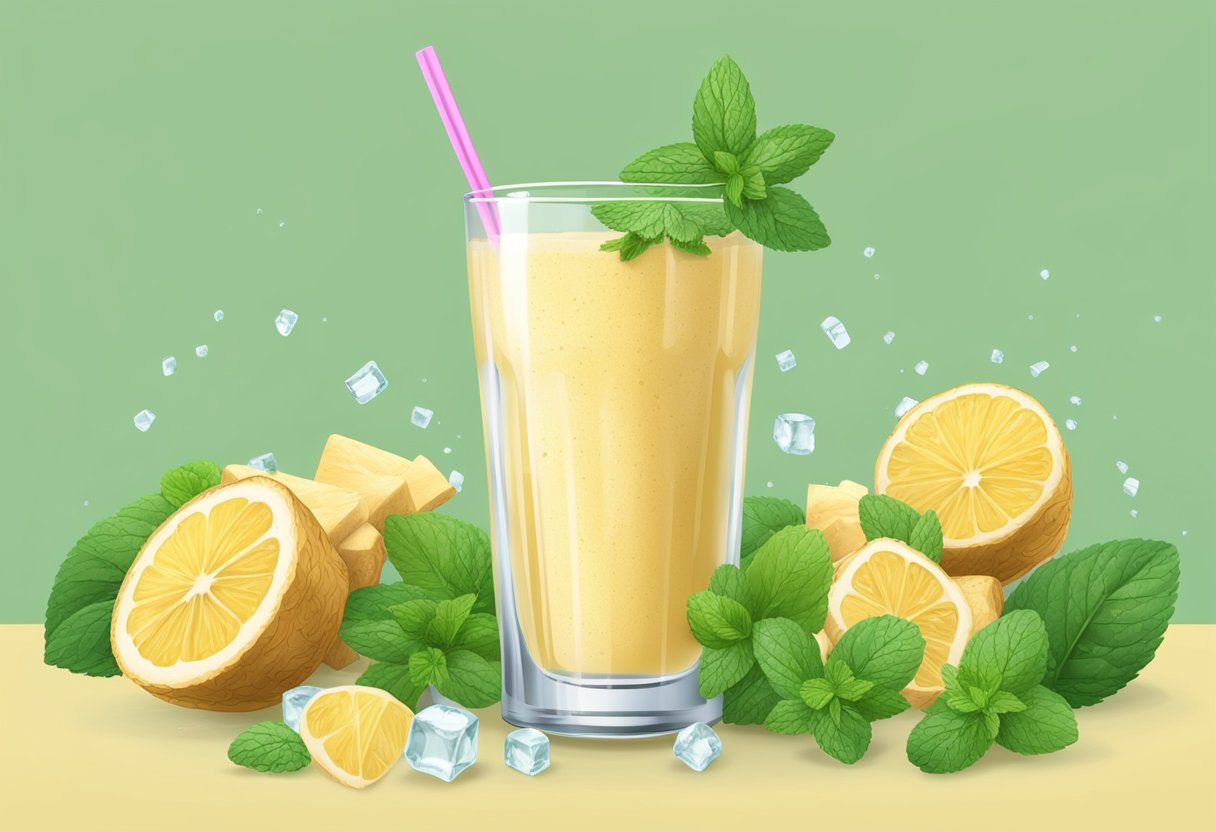
When I’m whipping up a ginger smoothie to fend off a cold, I love experimenting with various ingredients to amplify the health benefits and cater to different dietary needs. Let me walk you through some tasty twists on this immune-boosting classic.
Protein-Packed Smoothies
To transform my smoothie into a protein powerhouse, I like adding a scoop of protein powder or a dollop of Greek yogurt. Both of these add a creamy texture and help keep me full longer. Greek yogurt has the added benefit of probiotics, helping with digestive health alongside immune support.
- Ingredients to Add:
- Protein powder (whey or plant-based)
- Greek yogurt (regular or non-dairy versions)
Superfood Infusions
I’m all about that superfood buzz! To level-up my ginger smoothie, I toss in ingredients like chia seeds or spirulina for an antioxidant kick. These superfoods are great for boosting the immune system and are packed with nutrients that support overall wellness.
- Superfoods for Your Smoothie:
- Chia seeds
- Spirulina
- Açai or goji berries
Dietary Alternatives
For my friends who are dairy-free or plant-based, I’ve got you covered. I swap out regular milk with unsweetened almond milk, creating a lusciously smooth, vegan-friendly base. Dairy-free yogurt options are also fantastic to include, as they still give that probiotic punch that’s key for keeping our gut and immunity in check.
- Dairy-Free Adjustments:
- Unsweetened almond milk
- Dairy-free yogurt (almond, soy, coconut)
Additional Health Boosts
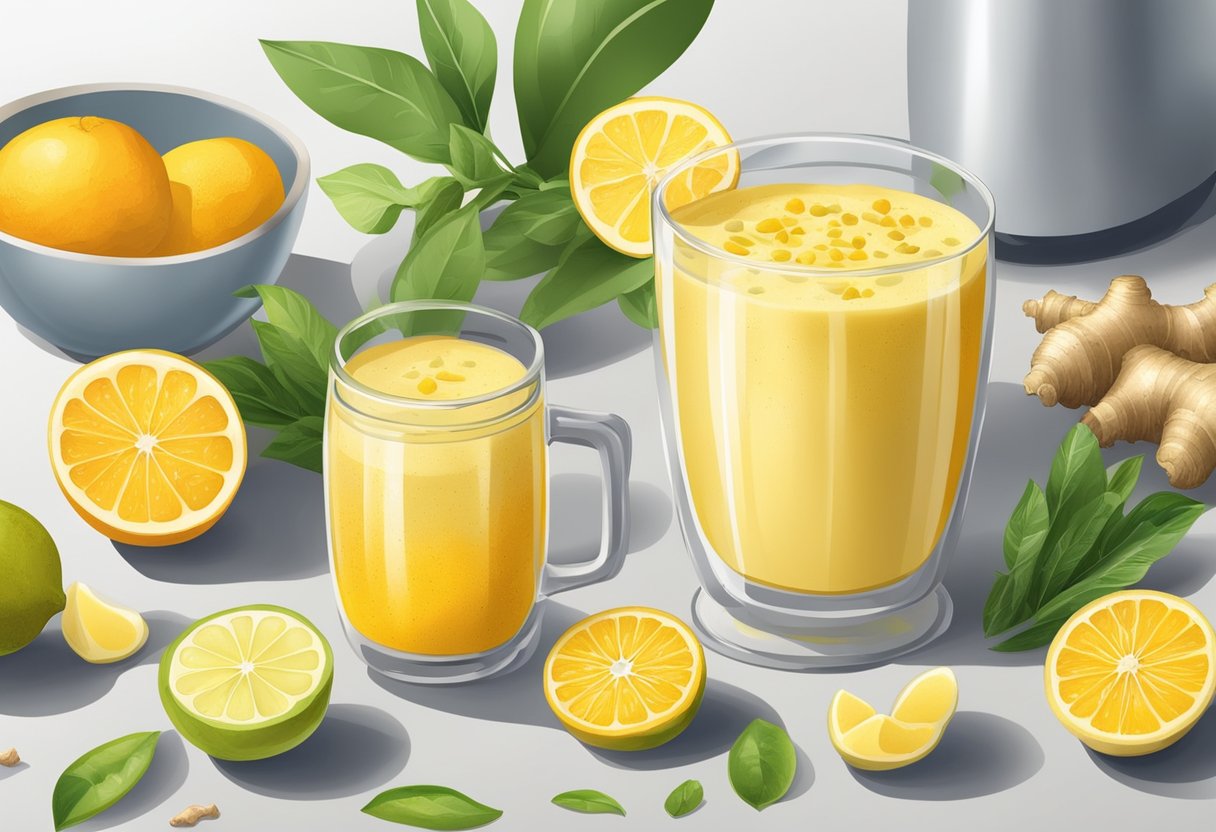
When making a ginger smoothie to ward off a cold, I like to amp up the benefits with extra ingredients that pack a nutritional punch. Here’s a breakdown of my go-to herbs, spices, and nutritious add-ins.
Herbs and Spices
My favorite thing is to toss in turmeric and cayenne pepper to my smoothies. Turmeric is well-known for its anti-inflammatory properties, which can help soothe a sore throat. And I never skimp on the cayenne; just a pinch can improve circulation and add some heat to help clear congestion.
- Turmeric: anti-inflammatory, helps with digestion
- Cayenne Pepper: aids in breaking down congestive mucus
Vitamin and Fiber Additions
I’m always trying to get more fiber and vitamin C into my diet, especially when I’m feeling under the weather. To do this, I blend in fruits high in vitamin C and throw in a handful of baby spinach for an extra fiber boost in my green smoothie.
- Vitamin C: immunity support, found in citrus fruits
- Fiber: supports gut health, found in leafy greens like baby spinach
Troubleshooting and Enhancements
Sometimes my ginger smoothie doesn’t turn out quite as I expect, and I’ve found a few quick fixes that really work. If it’s too spicy due to the ginger, I might add a ripe banana to balance out the heat while adding natural sweetness and creaminess.
For those days when I’m short on time, I streamline my process to make sure the total time stays around 5 minutes:
- Prep your ingredients ahead by measuring out the ginger and any other spices into little containers.
- Always keep bananas in the freezer. It skips the need for ice and makes for a thicker smoothie.
On the calories front, I’m careful with add-ins that might pack on more than I want. Try using water or almond milk instead of dairy milk to keep things light.
Here’s a quick troubleshooting table:
| Problem | Solution |
|---|---|
| Too spicy | Add a ripe banana or a bit of honey |
| Too thick | Add more liquid (almond milk, coconut water, etc.) |
| Not sweet enough | Blend in fruits like mango, pineapple, or a bit of agave nectar |
| Too bland | A pinch of salt or a dash of vanilla extract can enhance flavor |
When looking for substitutions, remember that flexibility is key. No banana? Avocado works great for creaminess. No fresh ginger? A 1/2 teaspoon of ground ginger can substitute in a pinch. I love playing around with smoothie recipes, introducing new ingredients like turmeric or swapping spinach for kale. Each tweak brings its own set of benefits and flavors, making every smoothie a new experience.
Frequently Asked Questions
When I’m feeling under the weather with a cold, I turn to ginger smoothies. They’re not just soothing; they pack a punch of nutrients that can really help. Let’s tackle some common questions about these powerful drinks.
What ingredients should I include in a smoothie to help with a cold?
For cold relief, I make sure my smoothie has ginger, which is known for its anti-inflammatory properties, and honey, which acts as a natural expectorant. I also add citrus fruits like oranges for vitamin C, and sometimes a bit of turmeric for its health benefits.
Can ginger in a smoothie really soothe a sore throat and cough?
Absolutely. Ginger has natural antiviral and antibacterial qualities that can help soothe a sore throat. Plus, blending it into a smoothie makes it easier to drink and it feels less harsh than eating it raw.
What are the immune-boosting benefits of adding honey to a ginger smoothie?
Honey is a powerhouse for boosting immunity. It has antibacterial and antimicrobial properties, and when combined with ginger in a smoothie, it can contribute to a healthier immune system.
How do smoothies help in reducing mucus and alleviating cold symptoms?
Smoothies made with the right ingredients can help thin out mucus, making it easier to expel. Ingredients like pineapple can aid in this because they contain bromelain, which has mucolytic properties.
Are there specific smoothie recipes that are best for fighting a cold or the flu?
Sure, I’ve found some recipes that combine ingredients like ginger, citrus fruits, and leafy greens which are great for fighting a cold. Each ingredient brings vitamins and minerals to the table, ideal for supporting the body’s healing process.
How can I make an alkaline smoothie that helps with mucus and cold relief?
Alkaline smoothies often include leafy greens, cucumber, and celery which may help reduce the body’s acidity. Adding ginger to this blend can aid with mucus relief. Just remember to keep it balanced and not too bitter for your taste.