

Smoothies can be a delightful snack or a quick meal brimming with nutrients.
But have you ever wondered why you sometimes feel famished just an hour after sipping one? If that rings a bell, it’s time to elevate your smoothie routine by incorporating protein-rich ingredients to keep you fueled and content.
Dive into these 101 protein-packed additions for your smoothies – and guess what? No protein powder in sight!
I’ve always been an advocate for smoothies. Considering that a significant number of American adults don’t meet the daily recommended intake of fruits and vegetables (as stated by the CDC in 2017), smoothies offer a delicious and efficient way to boost your produce consumption.
Protein for Smoothies
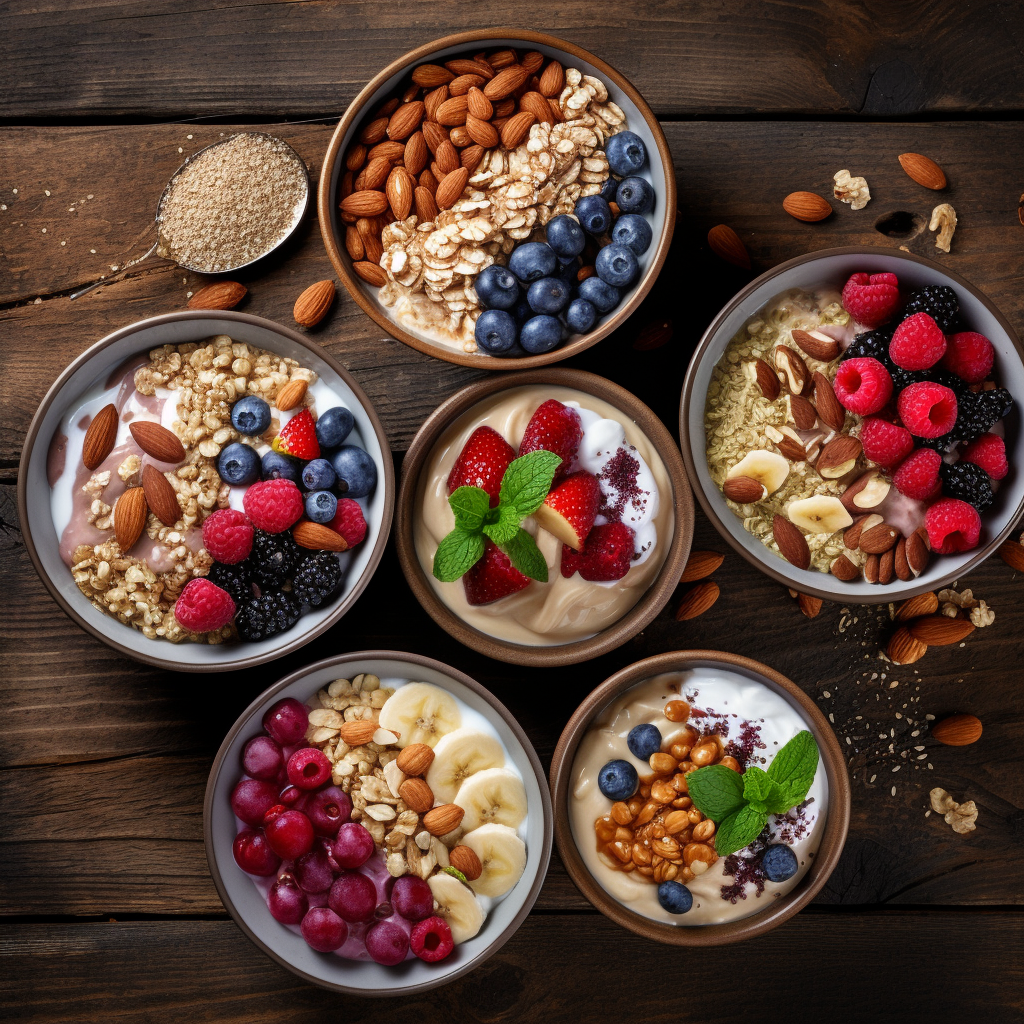
While I’m passionate about produce and the plethora of fiber, vitamins, and minerals it provides, a well-rounded smoothie requires another key ingredient: protein. 🥚
Incorporating protein into a meal can enhance satiety. Moreover, protein plays a myriad of roles in our bodies, from forming hormones and enzymes to building cells and tissues, and so much more.
From a glycemic standpoint, combining foods rich in sugar (including natural sugars found in fruits) with protein, fiber, and fats can stabilize blood sugar levels.
For an in-depth understanding of protein’s role in our bodies, refer to this comprehensive post I’ve crafted about everything protein-related.
What About Protein Powder?
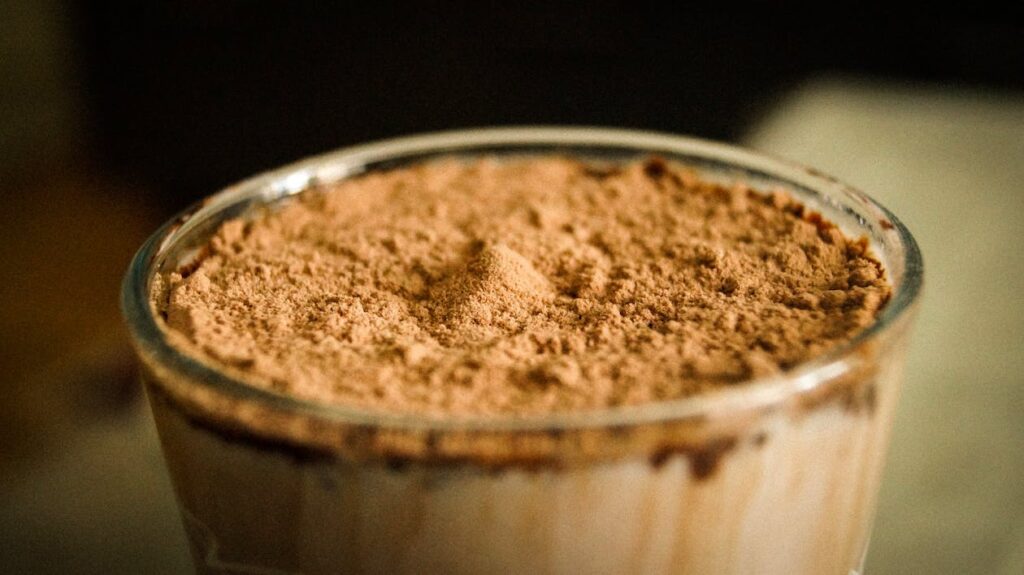
While protein powders and other protein supplements (like collagen peptides) are convenient and popular choices for smoothies, they might not be everyone’s cup of tea.
Whether you’re not a fan of the flavor or consistency of protein powders, have a preference for whole food sources, or simply wish to avoid them – that’s completely understandable! However, it remains crucial to infuse your smoothie with a touch of protein.
Thus, I’m unveiling a resource I love to share with my readers: 101 ways to infuse protein into your smoothies – sans protein powder! This list encompasses a diverse range of foods, from dairy and nuts to even fruits and veggies.
How the List is Organized
Before delving into the list, it’s worth noting that the items are arranged based on what I deem as reasonable quantities to incorporate into a smoothie.
For instance, adding more than a few tablespoons of nuts might overload your smoothie with calories and healthy fats rather than protein, leaving limited space for other ingredients.
- Greek yogurt (6 oz, 100 kcal, 10g protein)
- Cottage cheese (½ cup, 110 kcal, 14g protein)
- Silken tofu (½ cup, 94 kcal, 10g protein)
- Tempeh (1 oz, 55 kcal, 5.5g protein)
- Chia seeds (2 tbsp, 138 kcal, 4.7g protein)
- Hemp seeds (2 tbsp, 90 kcal, 6g protein)
- Flax seeds (2 tbsp, 110 kcal, 4g protein)
- Sunflower seeds (2 tbsp, 100 kcal, 3g protein)
- Pumpkin seeds (2 tbsp, 92 kcal, 5g protein)
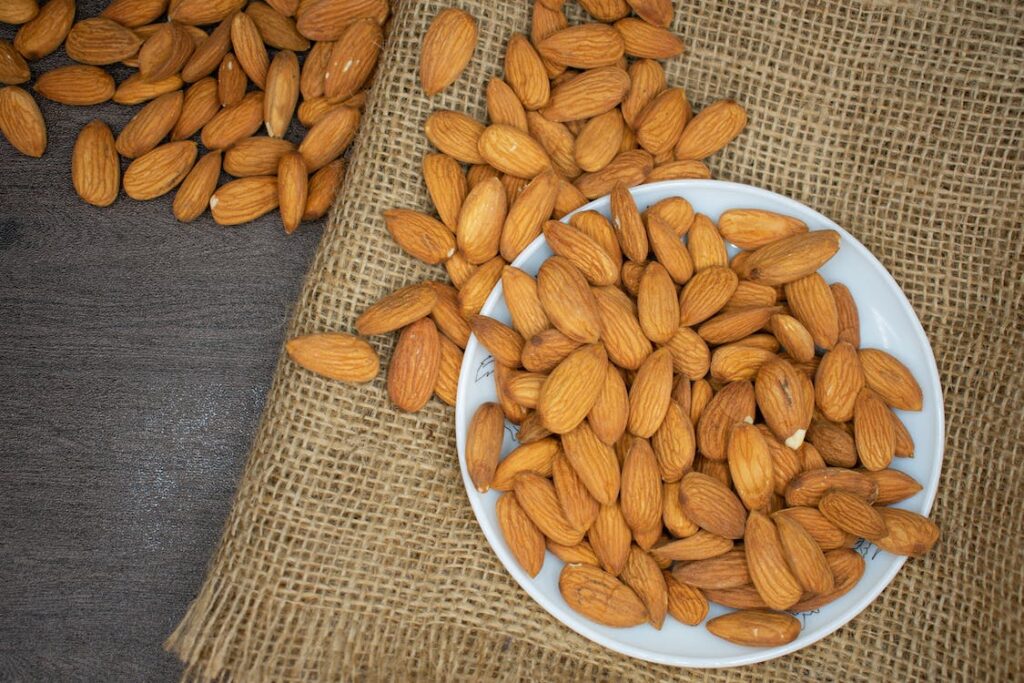
- Almonds (23 nuts, 163 kcal, 6g protein)
- Cashews (1 oz, 157 kcal, 5g protein)
- Walnuts (1 oz, 183 kcal, 4.3g protein)
- Peanut butter (2 tbsp, 188 kcal, 8g protein)
- Almond butter (2 tbsp, 196 kcal, 5.9g protein)
- Cashew butter (2 tbsp, 188 kcal, 5.6g protein)
- Tahini (2 tbsp, 178 kcal, 5.1g protein)
- Cooked quinoa (½ cup, 111 kcal, 4.1g protein)
- Cooked lentils (½ cup, 115 kcal, 9g protein)
- Cooked chickpeas (½ cup, 134 kcal, 7.3g protein)
- Cooked black beans (½ cup, 114 kcal, 7.6g protein)
- Cooked edamame (½ cup, 95 kcal, 8.5g protein)
- Raw egg (1 large, 68 kcal, 5.5g protein)
- Hard-boiled egg (1 large, 68 kcal, 6.3g protein)
- Spirulina (2 tbsp, 40 kcal, 8g protein)
- Nutritional yeast (2 tbsp, 60 kcal, 8g protein)
- Oats (½ cup, 154 kcal, 5.5g protein)
- Milk (1 cup, 103 kcal, 8g protein)
- Soy milk (1 cup, 131 kcal, 8g protein)
- Almond milk (1 cup, 30-50 kcal, 1g protein)
- Cashew milk (1 cup, 25-50 kcal, <1g protein)
- Oat milk (1 cup, 120 kcal, 3g protein)
- Hemp milk (1 cup, 83 kcal, 4.7g protein)
- Kefir (1 cup, 150 kcal, 10g protein)
- Ricotta cheese (½ cup, 216 kcal, 14g protein)
- Mozzarella cheese (1 oz, 85 kcal, 6.3g protein)
- Feta cheese (1 oz, 75 kcal, 4g protein)
- Avocado (½, 120 kcal, 1.5g protein)
- Spinach (1 cup, 7 kcal, 0.9g protein)
- Kale (1 cup, 33 kcal, 2.9g protein)
- Broccoli (1 cup, 55 kcal, 3.7g protein)
- Brussels sprouts (1 cup, 38 kcal, 3g protein)
- Green peas (1 cup, 62 kcal, 4g protein)
- Roasted soy nuts (1 oz, 126 kcal, 11g protein)
- Sesame seeds (2 tbsp, 103 kcal, 3.2g protein)
- Pine nuts (1 oz, 191 kcal, 3.9g protein)
- Brazil nuts (1 oz, 186 kcal, 4.1g protein)
- Macadamia nuts (1 oz, 204 kcal, 2.2g protein)
- Pistachios (1 oz, 159 kcal, 5.7g protein)
- Hazelnuts (1 oz, 178 kcal, 4.2g protein)
- Pecans (1 oz, 196 kcal, 2.6g protein)
- Coconut milk (1 cup, 552 kcal, 5.5g protein)
- Coconut meat (1 oz, 99 kcal, 1g protein)
- Mung beans (½ cup cooked, 106 kcal, 7.2g protein)
- Navy beans (½ cup cooked, 127 kcal, 7.5g protein)
- Pinto beans (½ cup cooked, 122 kcal, 7.7g protein)
- White beans (½ cup cooked, 153 kcal, 10.3g protein)
- Kidney beans (½ cup cooked, 112 kcal, 7.7g protein)
- Split peas (½ cup cooked, 115 kcal, 8.1g protein)
- Chickpea liquid (aquafaba) (3 tbsp, 5 kcal, <1g protein)
- Cacao nibs (2 tbsp, 130 kcal, 3g protein)
- Wheat germ (2 tbsp, 52 kcal, 3.4g protein)
- Barley (½ cup cooked, 97 kcal, 1.8g protein)
- Brown rice (½ cup cooked, 108 kcal, 2.5g protein)
- Farro (½ cup cooked, 100 kcal, 4g protein)
- Bulgur (½ cup cooked, 76 kcal, 2.9g protein)
- Millet (½ cup cooked, 104 kcal, 3.1g protein)
- Spelt (½ cup cooked, 123 kcal, 5.5g protein)
- Teff (½ cup cooked, 127 kcal, 5g protein)
- Amaranth (½ cup cooked, 125 kcal, 4.7g protein)
- Buckwheat (½ cup cooked, 77 kcal, 2.7g protein)
- Rye (1 slice, 83 kcal, 2.7g protein)
- Sorghum (½ cup cooked, 141 kcal, 4.9g protein)
- Wild rice (½ cup cooked, 83 kcal, 3.3g protein)
- Seitan (3 oz, 104 kcal, 21g protein)
- Miso paste (1 tbsp, 34 kcal, 2g protein)
- Hummus (2 tbsp, 70 kcal, 2g protein)
- Baked beans (½ cup, 150 kcal, 7g protein)
- Lima beans (½ cup cooked, 104 kcal, 7.3g protein)
- Butter beans (½ cup cooked, 100 kcal, 6.6g protein)
- Cannellini beans (½ cup cooked, 125 kcal, 7.5g protein)
- Garbanzo beans (½ cup cooked, 134 kcal, 7.3g protein)
- Fava beans (½ cup cooked, 94 kcal, 6.5g protein)
- Black-eyed peas (½ cup cooked, 90 kcal, 6g protein)
- Green beans (1 cup, 31 kcal, 2g protein)
- Snow peas (1 cup, 26 kcal, 1.8g protein)
- Sugar snap peas (1 cup, 41 kcal, 2g protein)
- Beet greens (1 cup, 8 kcal, 0.8g protein)
- Swiss chard (1 cup, 7 kcal, 0.6g protein)
- Bok choy (1 cup, 9 kcal, 1g protein)
- Collard greens (1 cup, 11 kcal, 1g protein)
- Mustard greens (1 cup, 15 kcal, 1.5g protein)
- Turnip greens (1 cup, 18 kcal, 1g protein)
- Romaine lettuce (1 cup, 8 kcal, 0.6g protein)
- Arugula (1 cup, 5 kcal, 0.5g protein)
- Watercress (1 cup, 4 kcal, 0.8g protein)
- Radish greens (1 cup, 12 kcal, 1.1g protein)
- Endive (1 cup, 8 kcal, 0.6g protein)
- Escarole (1 cup, 8 kcal, 0.8g protein)
- Frisee (1 cup, 9 kcal, 0.9g protein)
- Dandelion greens (1 cup, 25 kcal, 1.5g protein)
- Purslane (1 cup, 7 kcal, 0.7g protein)
🥑 Info: These nutritional values are approximate and can vary based on the source, preparation method, and specific variety of the ingredient.
💡 Recommended: Tasty Carrot Ginger Passion Fruit Smoothie (How Not To Die)